Television series
Мёртвые души
Nikolai Gogol's 1842 novel adapted as Soviet television drama: a picaresque journey through the Russian Empire's provincial bureaucracy and landowner class. A con man travels town to town buying the documents for dead serfs, exposing the venality, pretension and moral emptiness of everyone he meets. Darkly comic, structurally episodic, very much of its time—both Gogol's and the USSR's.
Should you watch it?
Watch it if you enjoy satire that lets its absurd land-buying scheme play out at a patient, observant pace, and you like comedy that is sharp about pettiness and self-regard rather than loud.
Skip it if you want a fast plot or a tidy arc; this is episodic, talky and leisurely, and its humour depends on loving Gogol's gallery of provincial bores.
What it asks of you: Five episodes drift from one country estate to the next, full of long conversations and dry pauses, and the laughs arrive slowly enough to test your patience.
Not sure? Find tonight's pick in a minute.
If you liked this
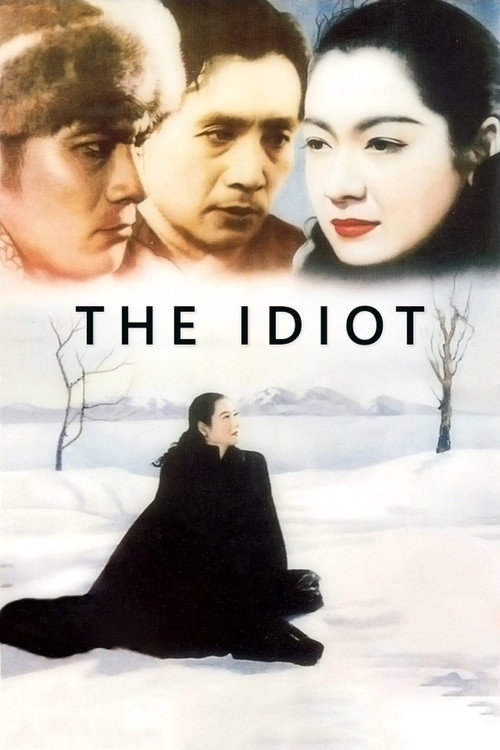
The Idiot1951
Dostoevsky adaptation about a good man navigating a corrupt society, watching him encounter the same moral rot and spiritual emptiness you'll find in Dead Souls. Another 19th-century Russian masterpiece that makes rot look fascinating.
But Post-war Soviet cinema moves at its own pace. Nearly three hours, deliberately slow, shot in ways that demand patience rather than entertain.
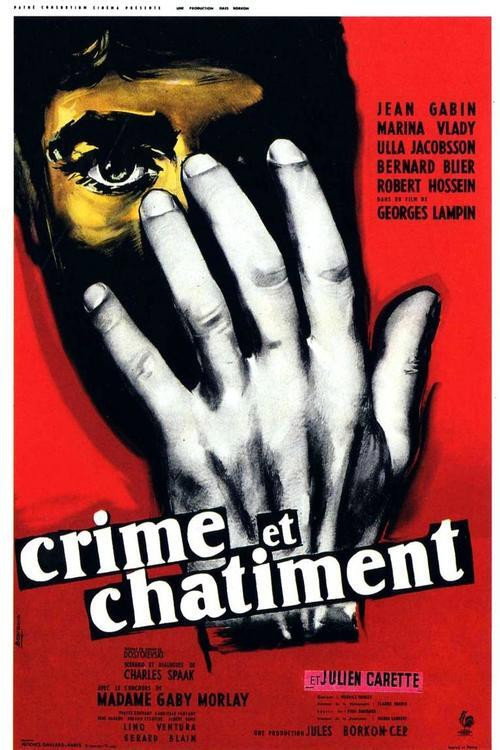
Crime and Punishment1956
Another Dostoevsky, another Russian moral inquiry—but here focused inward, on a single conscience trying to justify the unjustifiable. Complements Dead Souls by showing what happens when one character actually feels the weight of his own degradation.
But Extremely interior, psychologically dense. The plot is secondary to the spiritual crisis, which is not everyone's evening.
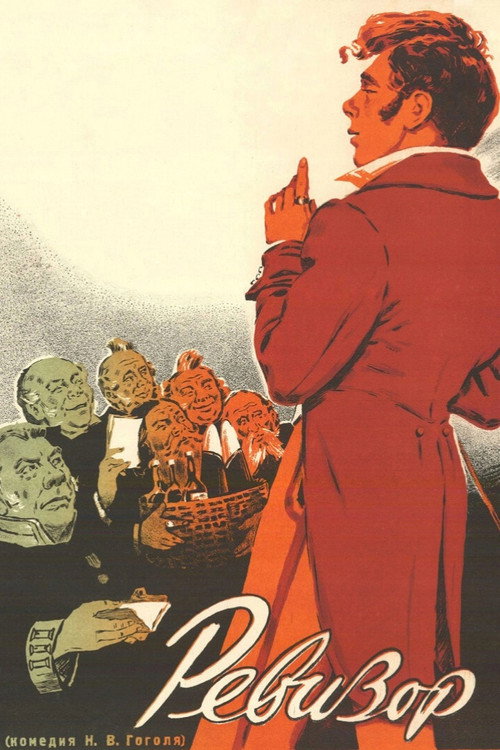
The Inspector General1952
Also Gogol, also Soviet, also about a con man exposing provincial corruption through fraud. If you want more Gogol—and after Dead Souls you might—this is the obvious place. Shorter, more obviously comedic, still devastatingly sharp.
But The satire is very specifically Russian imperial bureaucracy. Without that context, some of the cruelty lands differently.
Not sure tonight? Get a pick in a minute, starting from Мёртвые души
The wildcard
Something you would not have found on your own.
Stalker1979
Both are journeys through spiritual emptiness dressed as quests. Both use episodic encounters to anatomize how people deceive themselves. Both suggest that the real corruption is internal.
Andrei Tarkovsky's science fiction meditation on desire, belief and self-deception. Nothing like Dead Souls in plot or genre, but spiritually identical: a journey through a morally compromised landscape where every character is chasing a dead soul—a wish that cannot satisfy them.
But 163 minutes of philosophical science fiction that moves like a dirge. Demands active interpretation. Will bore anyone expecting plot.

More like this (6)
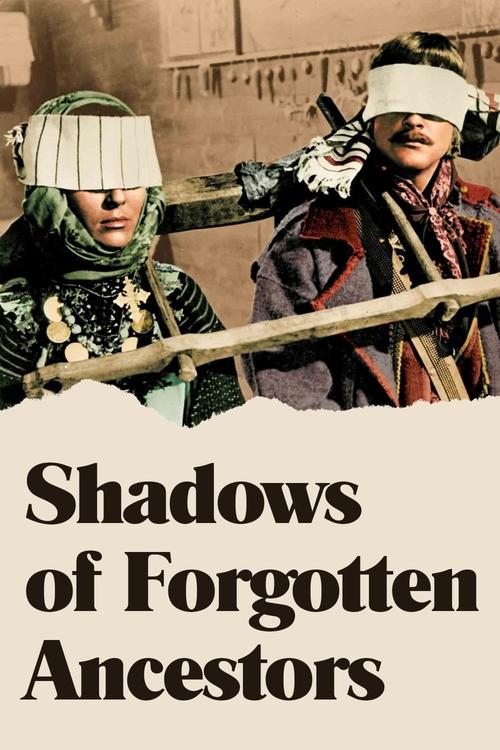
Shadows of Forgotten Ancestors1965
Soviet-era film about rural life, tradition and desire, but formally audacious—colour, movement, a kind of visual intoxication that's utterly unlike Dead Souls. Shows what Soviet cinema could do when it stepped away from realism.
But The beauty and strangeness might feel like it's working against comprehension. Not interested in clarity.
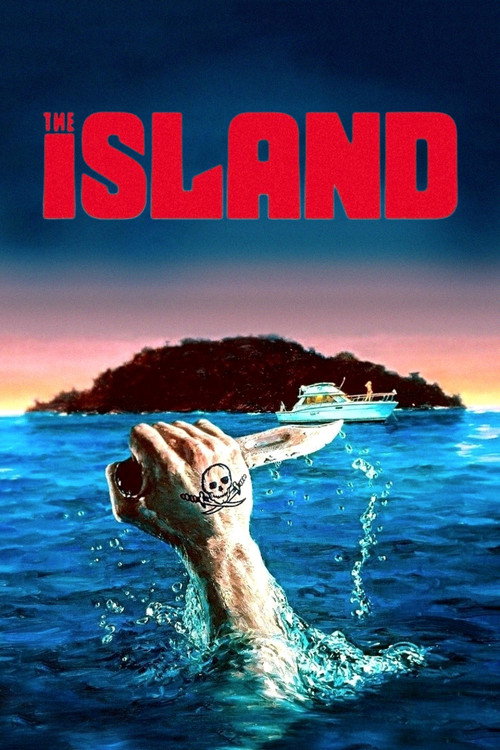
The Island1980
Soviet drama about an old woman in isolation, deeply interior and spiritual. If Dead Souls left you wanting something more introspective and less picaresque, this is the emotional opposite—same era, same depth, different temperature.
But Extremely slow and austere. A film about waiting and small moments. Not for anyone craving incident.
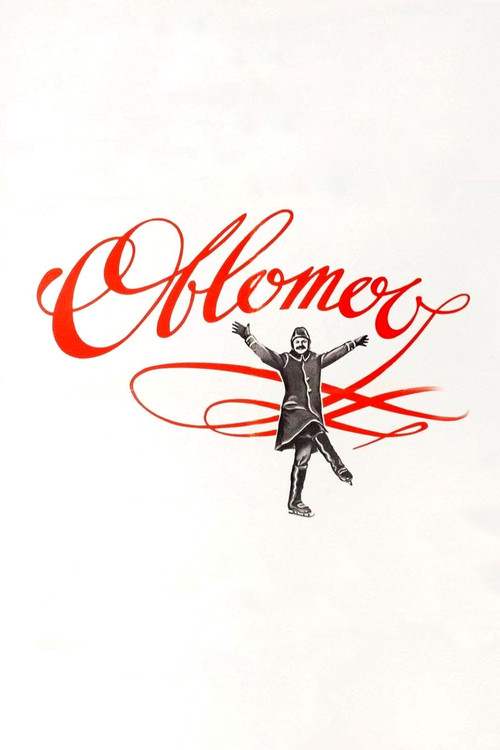
Oblomov1980
Goncharov's novel of a man too paralyzed by life to move, adapted during the height of Soviet cinema. Another portrait of Russian spiritual stasis, but from inside a single consciousness rather than a road movie.
But The whole point is passivity. Watching someone do nothing, beautifully, is a specific ask.
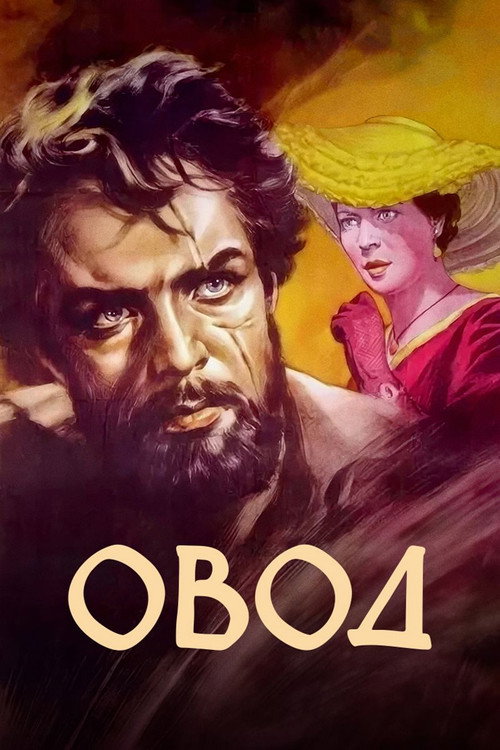
The Gadfly1955
Soviet period drama with real energy—a man working against the system, pursued, compromising, driven by conviction. Where Dead Souls is picaresque and observational, this is ideological and driven. Different temperature, same historical moment.
But The ideology is visible and matters. If you're allergic to Soviet messaging, this will feel didactic.
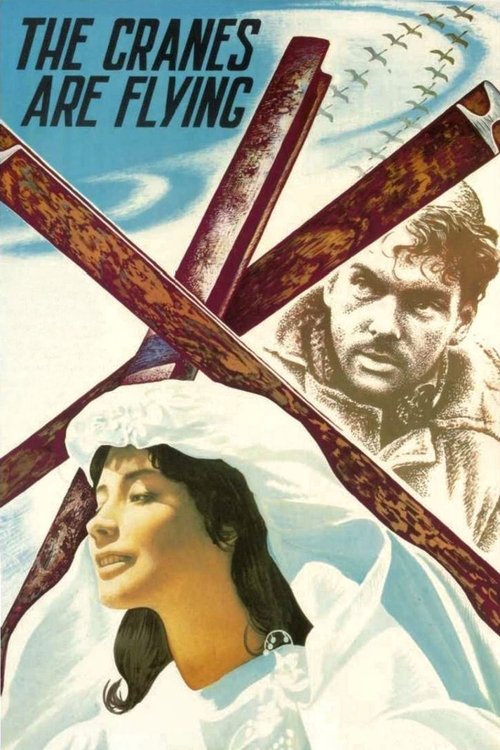
The Cranes Are Flying1957
A Soviet masterpiece about love and war, formally inventive and emotionally direct. Not Gogol-adjacent, but a reminder that Soviet cinema in this era could be visually alive and human-scaled in ways worth experiencing.
But A wartime romance, essentially. If Dead Souls' acidic view of human nature is what you came for, this optimism might feel naive.
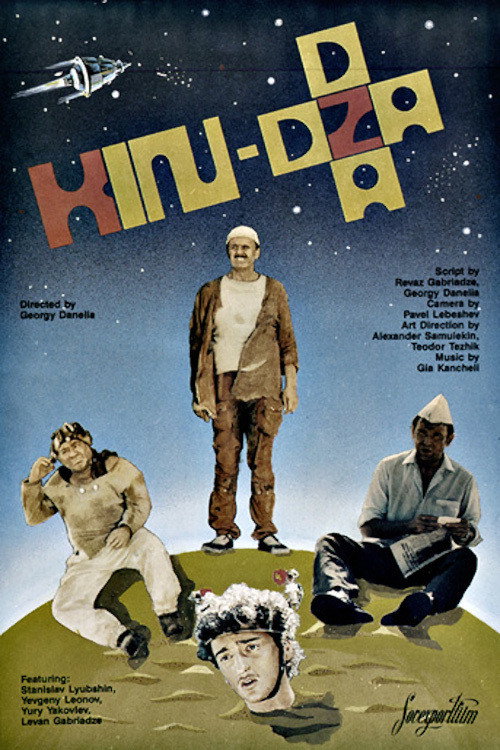
Kin-dza-dza!1986
The same picaresque anatomy of a broken society, but filtered through science fiction and absurdism. Takes Gogol's method—observe the system, let its ridiculousness speak for itself—and weaponizes it. Both are journeys that map moral deformity onto social structure.
Soviet science-fiction black comedy, made just as the USSR was collapsing. Two men accidentally transported to an alien planet of rigidly hierarchical bureaucrats and beggars. The most Gogolian work ever made by someone who wasn't Gogol: absurdist, vicious, hilarious, about systems eating human dignity.
But Genuinely strange. Alien language you won't understand, logic that doesn't follow Earth rules. Visually cheap in ways that feel intentional and off-putting. Not trying to be likeable.