
Film
The Gadfly
A Soviet adaptation of Turgenev's novel set in 19th-century Italy under Austrian occupation. Arthur Burton, a young revolutionary, betrays his comrades out of jealousy and must reckon with the consequences across decades of exile and return. Visually sumptuous and morally unsparing, it's a film about the cost of idealism and the poison of personal ambition.
Should you watch it?
Watch it if you like revolutionary stories built on a divided heart, where a private grudge and jealousy shadow a public cause and the romance carries real emotional weight.
Skip it if you want brisk action, since this 1955 film moves deliberately and its war and adventure beats come in short bursts between long stretches of talk.
What it asks of you: A running time of 102 minutes, a serious and heavy tone throughout, and conversations that take their time before anything lands.
Not sure? Find tonight's pick in a minute.
If you liked this
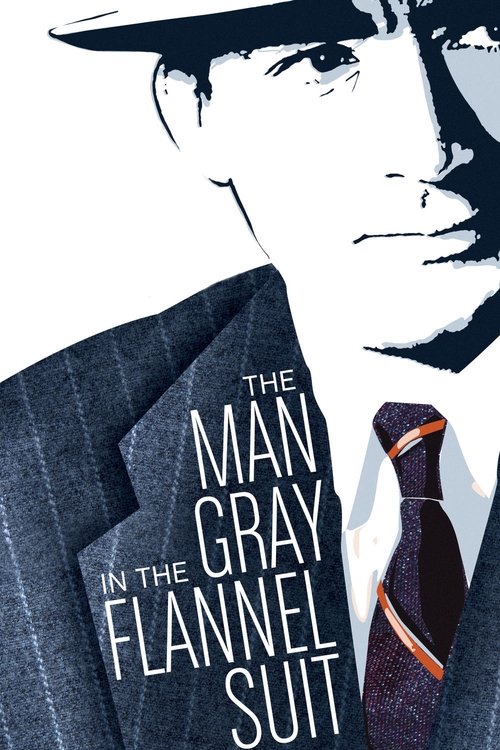
The Man in the Gray Flannel Suit1956
Another mid-50s exploration of moral compromise in professional life. A man rises through corporate ranks, slowly realizing the cost to his integrity. Shares The Gadfly's sober tone about ambition's corruptions.
But Slower paced than modern thrillers, with less action. The character's compromises accumulate quietly rather than explosively, which some find tedious.
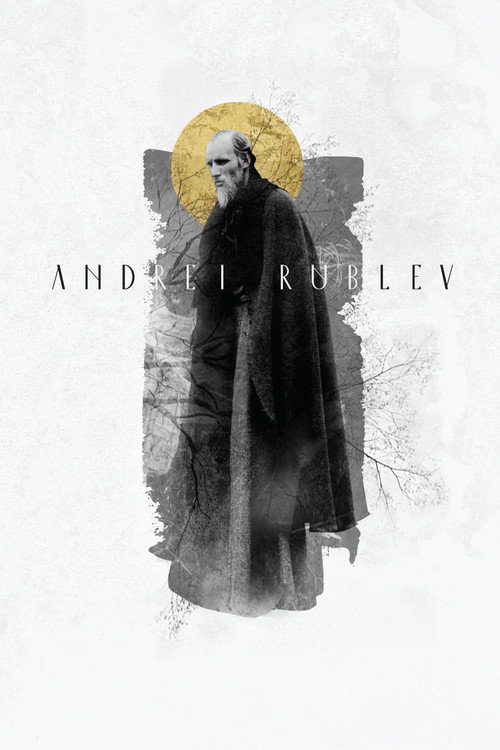
Andrei Rublev1966
Tarkovsky's epic about a Russian icon painter wrestling with faith, art, and violence. Like The Gadfly, it's a Soviet film that treats historical idealism with tragic depth and visual grandeur.
But Over three hours long, deliberately paced, and philosophically dense. Requires patience and rewards it unevenly depending on your tolerance for meditative cinema.
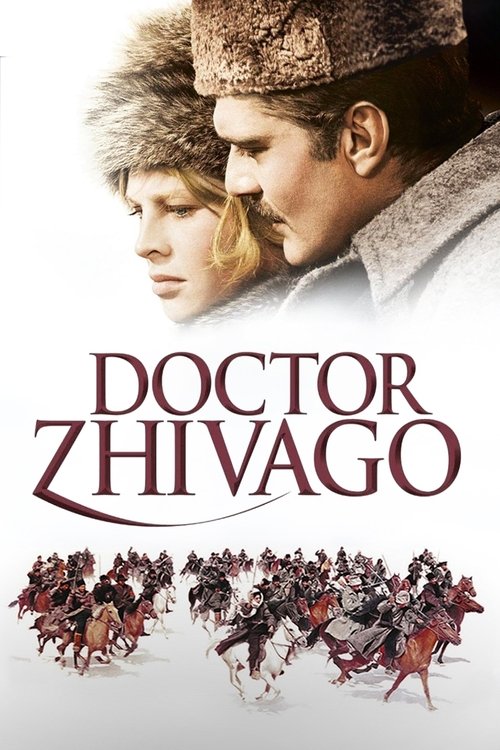
Doctor Zhivago1965
Another sweeping period drama about idealism crushed by historical forces. An intellectual caught between revolution and personal desire, forced to witness the destruction of everything he believed in.
But Nearly four hours. The romance can feel melodramatic to modern viewers, and the political critique is occasionally buried under gorgeous cinematography.
Not sure tonight? Get a pick in a minute, starting from The Gadfly
The wildcard
Something you would not have found on your own.
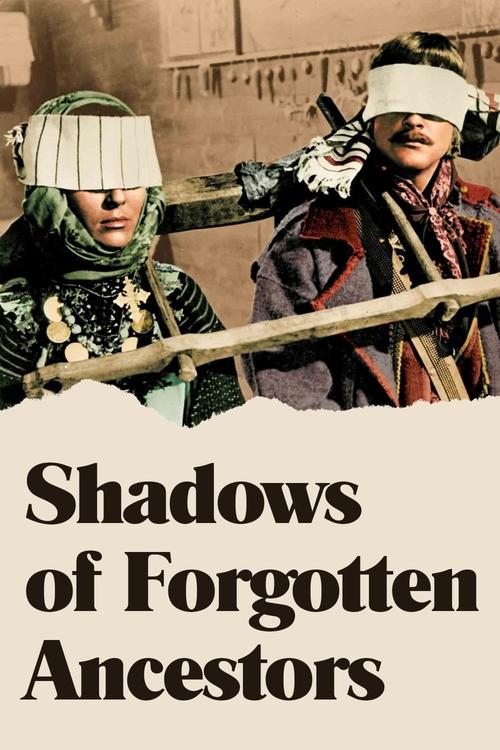
Shadows of Forgotten Ancestors1965
Both are mid-century Soviet films that treat historical and personal tragedy with operatic seriousness, but Paradjanov rejects the moral clarity The Gadfly seeks—here, ideals dissolve into beauty and ritual.
Paradjanov's dazzling Ukrainian film about doomed love and village ritual, set in a pre-modern world where ideology gives way to folk tradition and sensuality. Both are Soviet epics about idealism, but this one is anarchic, sensory, and visually baroque where The Gadfly is restrained.
But Experimental form and abstract narrative logic. If you need plot clarity and linear storytelling, you'll find it impenetrable and possibly pretentious.
More like this (8)
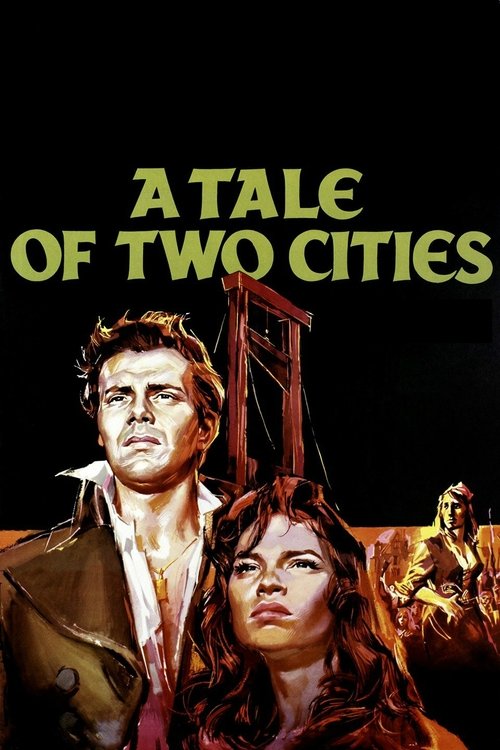
A Tale of Two Cities1958
Dickens's story of sacrifice and redemption during revolution, with a betrayal at its heart. Explores whether one act of redemption can erase a lifetime of self-serving choices.
But The 1950s adaptation is faithful to a fault—sometimes to its detriment. Pacing drags in the middle section, and the ending feels more theatrical than earned.
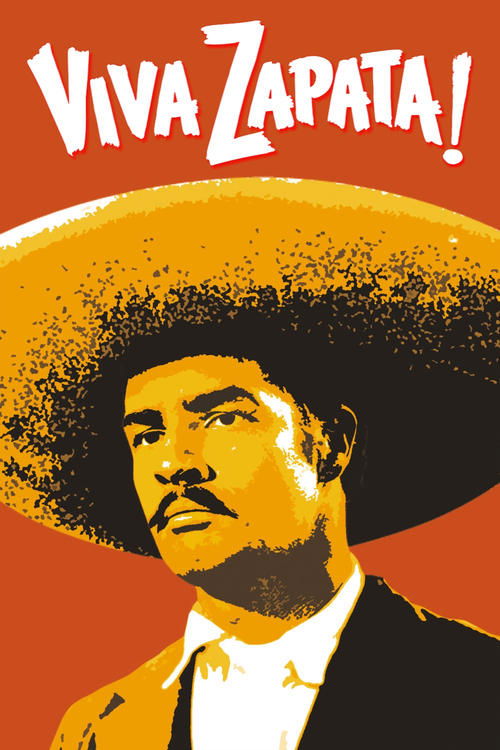
Viva Zapata!1952
Kazan's film about a revolutionary leader seduced by power. Marlon Brando plays a man who starts pure and is corrupted by the very cause he fought for. Structurally similar moral arc to The Gadfly.
But The political messaging can feel heavy-handed, and the film's view of Latin American revolution reflects Cold War anxieties rather than historical nuance.
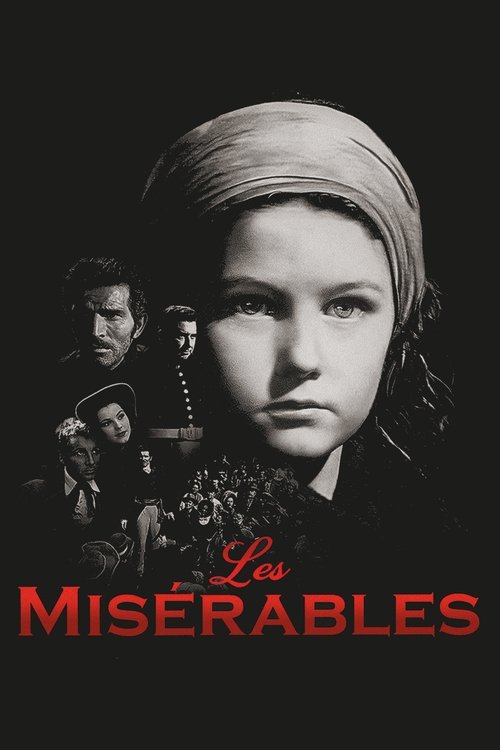
Les Miserables1952
Another 1950s epic about revolution, redemption, and the pursuit of fugitives across decades. Jean Valjean's arc parallels Arthur's in exploring whether transformation is ever truly possible.
But At 164 minutes, it's exhausting. The restoration prints are rare, so many copies are worn and grainy, making visual beauty harder to appreciate.
The Seventh Seal1957
Bergman's meditation on faith and mortality during plague. Not a revolution film, but shares The Gadfly's seriousness about ideological conviction and the possibility of redemption.
But Famously slow and metaphysical. If you're looking for plot momentum or emotional catharsis, this will frustrate you thoroughly.

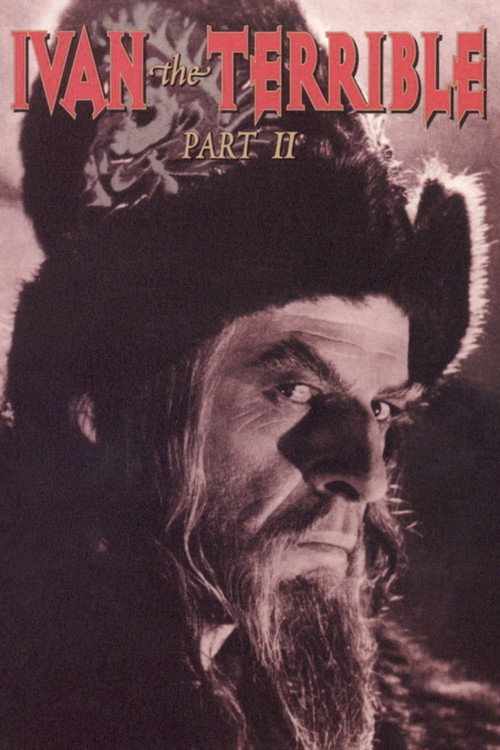
Ivan the Terrible, Part II: The Boyars' Plot1958
Eisenstein's final film, another Soviet epic about power and paranoia. A leader surrounded by betrayal, unable to trust even those closest to him. Visual invention matches The Gadfly's ambition.
But Fragmented and unfinished—the director died before completion. The narrative can feel scattered, and Eisenstein's later style is even more demanding than his silent work.
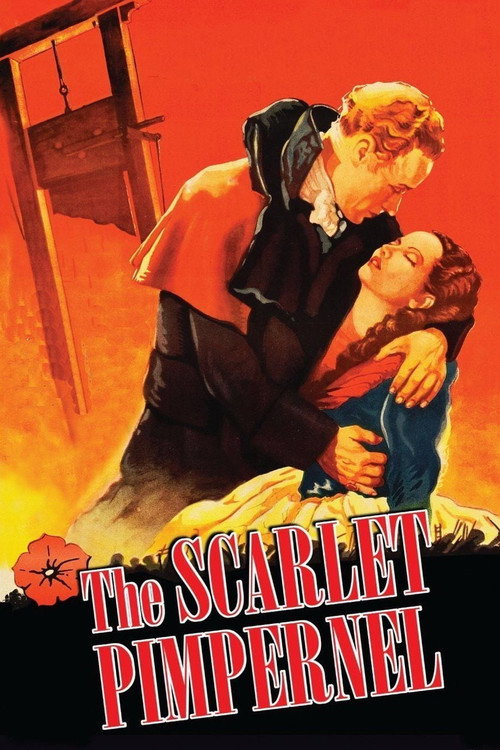
The Scarlet Pimpernel1934
A lighter predecessor about double identity and ideological commitment during the French Revolution. If you loved the tension between Arthur's public and private selves in The Gadfly, this explores it with more wit.
But The 1934 print quality is poor, and the theatrical acting style feels dated. Swashbuckling adventure isn't everyone's thing, especially if you prefer psychological depth.
The Leopard1963
Both trace the human cost of Italian unification, but whereas The Gadfly asks what betrayal costs the betrayer, The Leopard asks what compromise costs the compromiser. Same era, opposite moral questions.
Visconti's Italian epic about a nobleman watching his world disappear during the Risorgimento. Unlike The Gadfly's guilt-ridden protagonist, this follows a man who accepts change with weary grace. Same historical moment, opposite philosophy.
But Very long, very slow, very much about atmosphere over plot. Requires surrendering to rhythm rather than driving narrative—many viewers find it boring rather than meditative.

Come and See1985
Both are Soviet films about idealism destroyed, but The Gadfly treats it as a personal tragedy of conscience while Come and See presents it as collective historical horror. One asks 'how could you betray?'; the other asks 'how could we survive?'
A Soviet film about a boy conscripted into war, watching idealism obliterated by violence. Shares The Gadfly's seriousness about the gap between noble intention and brutal reality, but achieves it through horror rather than moral philosophy.
But Traumatizing. Genuinely difficult to watch—not slow-cinema difficult, but emotionally punishing. Not cathartic; it leaves you raw.

People
Cast
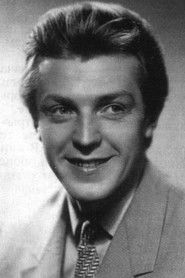 Oleg StrizhenovArthur Burton / Felice Rivarez
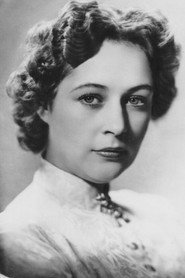 Marianna StrizhenovaGemma
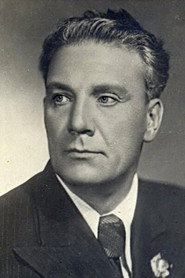 Nikolai SimonovCardinal Montanelli
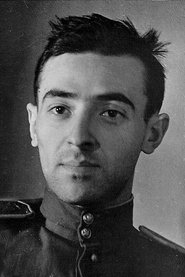 Vladimir EtushCesare Martini
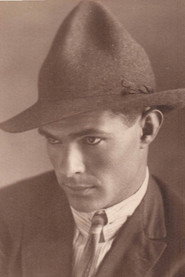 Semyon SvashenkoMarcone
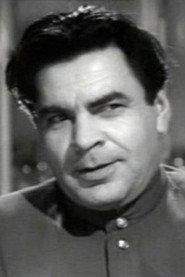 Pavel UsovnichenkoGiuseppe
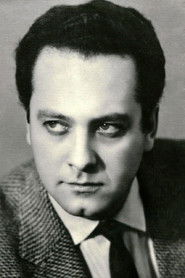 Vadim MedvedevGiovanni Bolla
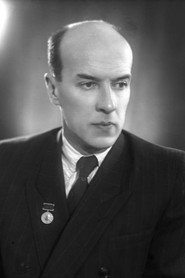 Vladimir ChestnokovDomenichino
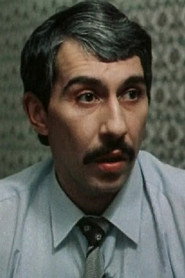 Ruben SimonovFather Cardi
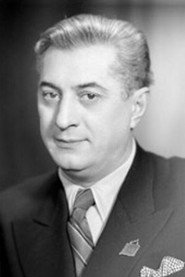 Antoni KhodurskyGrassini
 Anna LisyanskayaGrassini's Wife
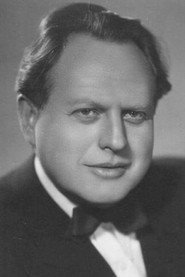 Grigoriy ShpigelJames Burton
Directing
- Iosif ShapiroAssistant Director
- Alexandr FaintsimmerDirector
- A. AbramovFirst Assistant Director
- Ye. VishneskayaFirst Assistant Director
- Anna TubenshlyakSecond Assistant Director
Writing
- Ethel LIlian VoynichNovel
- Yevgeni GabrilovichWriter
Production
- Mikhail GendenshteynExecutive Producer