
Film
The Man in the Gray Flannel Suit
A 1956 drama about postwar American ambition and moral compromise. Gregory Peck plays a suburban father caught between his war-scarred past and a corporate present demanding his soul. It's contemplative, handsomely mounted, and genuinely interested in the quiet desperation of conformity—for viewers who prize character study over plot.
Should you watch it?
Watch it if you like postwar corporate dramas that look closely at the quiet compromises of ordinary family life, with a measured, handsomely shot style and a hero who thinks before he acts.
Skip it if you want brisk plotting or a sharp, quick pace, since this is long and talky, with business meetings and long stretches of domestic worry that take their time.
What it asks of you: Almost three hours pass at an unhurried walk, mostly in quiet rooms and tense conversations, with a protagonist whose weariness weighs more than his anger.
Not sure? Find tonight's pick in a minute.
If you liked this
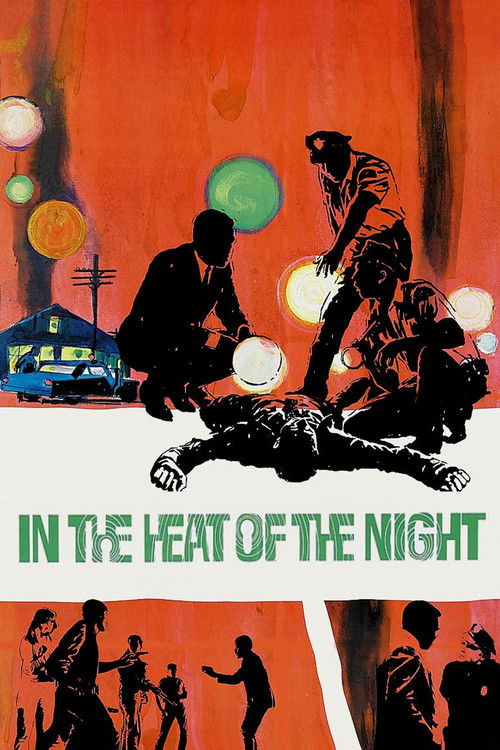
In the Heat of the Night1967
Sidney Poitier and Rod Steiger navigate racial tension and procedural detail with equal intelligence. A mystery that earns its moral weight through character, not sermon. Sharp, taut, and endlessly rewatchable.
But The social commentary can feel didactic by modern standards. Some find the pacing leisurely for a detective story.
American Beauty1999
Sam Mendes dissects suburban facade and male dissatisfaction with the same precision and visual style. It asks what happens when conformity cracks, and nobody's hands stay clean. Darkly funny and genuinely unsettling.
But It's been revisited as a portrait of its own era's anxieties, not universal truth. The resolution can feel overwrought.

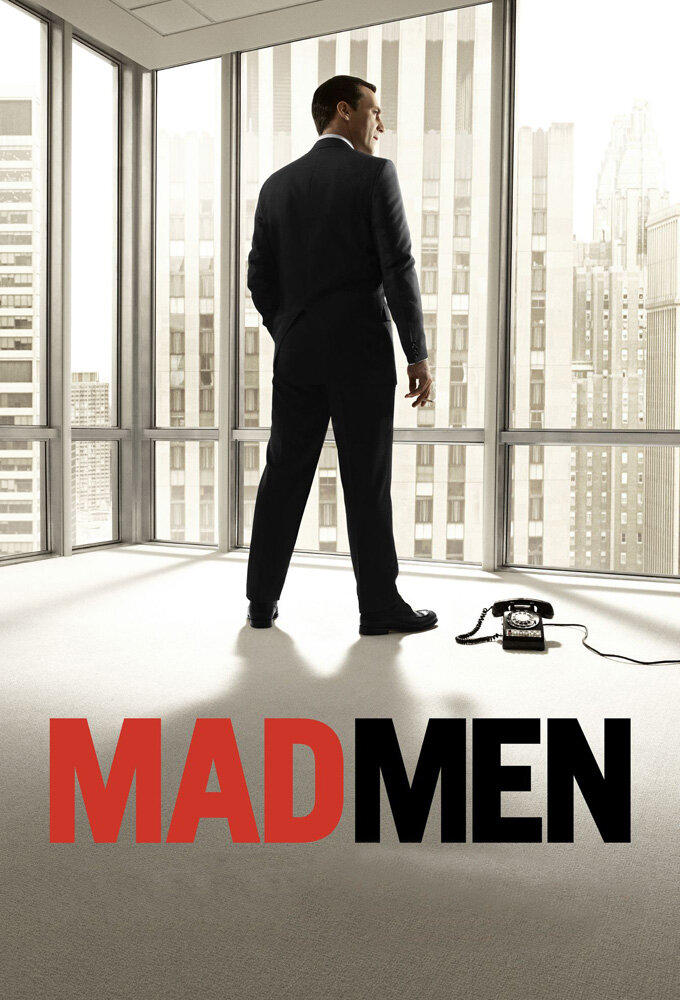
Mad Men2007
Matthew Weiner's masterpiece is essentially a 92-hour expansion of this film's DNA. Don Draper is Tom Rath's spiritual descendant—the same cost-benefit analysis of ambition, identity, and the past. Essential viewing if you loved the moral complexity here.
But Seven seasons demand serious commitment. The show moves deliberately; some find early episodes slow.
Not sure tonight? Get a pick in a minute, starting from The Man in the Gray Flannel Suit
The wildcard
Something you would not have found on your own.
The Third Man1949
Both examine how intelligent, decent men rationalize complicity. Both feature crucial wartime secrets. Both are obsessed with what we owe the past.
Carol Reed's Vienna-set noir operates in an entirely different register—morally baroque, visually dazzling, pulpy—but shares the core preoccupation: good men in corrupt systems, the past catching up, moral compromise as survival. Orson Welles steals the picture.
But It's a thriller first, philosophy second. The zither score is aggressively charming in a way some find precious. The pacing is deliberate.

More like this (7)
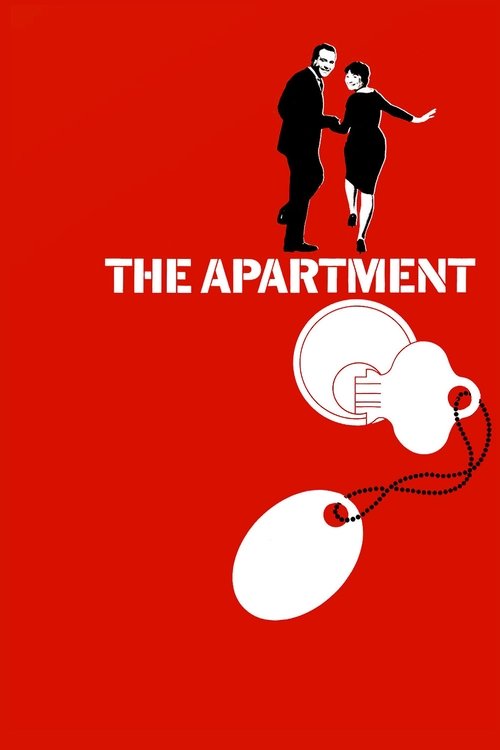
The Apartment1960
Billy Wilder's darker take on corporate life and moral compromise. Jack Lemmon's everyman navigates office cruelty and romantic entanglement with heartbreak underneath the comedy. Simultaneously funny and devastating.
But The sexual politics are of their time. Pacing occasionally meanders in the middle act.
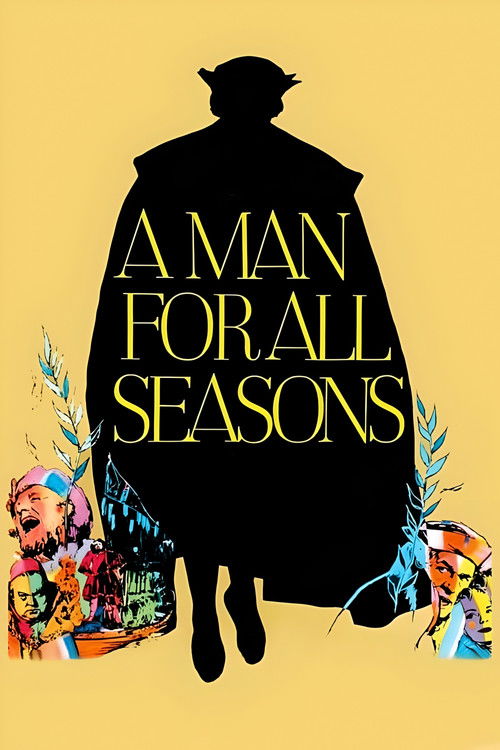
A Man for All Seasons1966
Fred Zinnemann's measured meditation on conscience versus career survival. Paul Scofield faces institutional pressure with quiet dignity. If you responded to the moral weight here, this offers a similar gravitas.
But It's literary and rather formal. Some viewers find the theatrical adaptation dated.
The Best Years of Our Lives1946
William Wyler's sweeping look at postwar readjustment across three returning soldiers. It shares this film's concern with what comes after war—the harder battle of civilian life. Deeply felt and occasionally gorgeous.
But At nearly four hours, it's a commitment. The episodic structure can feel uneven.

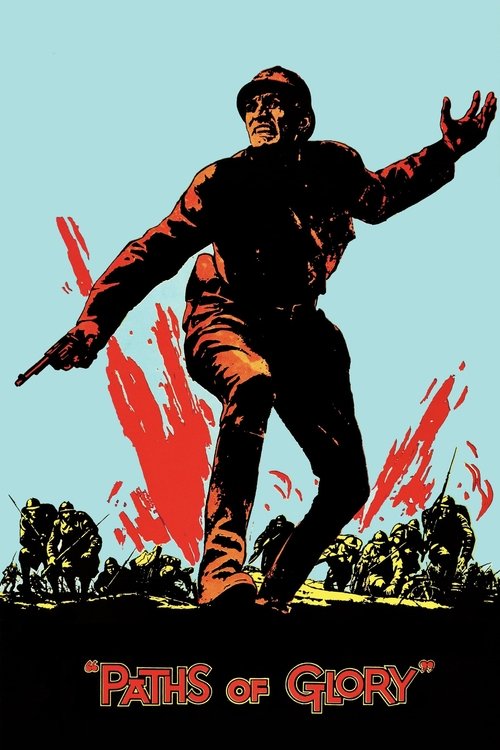
Paths of Glory1957
Kirk Douglas in Kubrick's unsentimental look at military ambition and institutional cruelty. Like Rath's corporate nightmare, it's about individuals crushed by systems indifferent to their worth. Brutal and necessary.
But The war sequences are graphically violent for 1957. The bluntness can feel schematic.
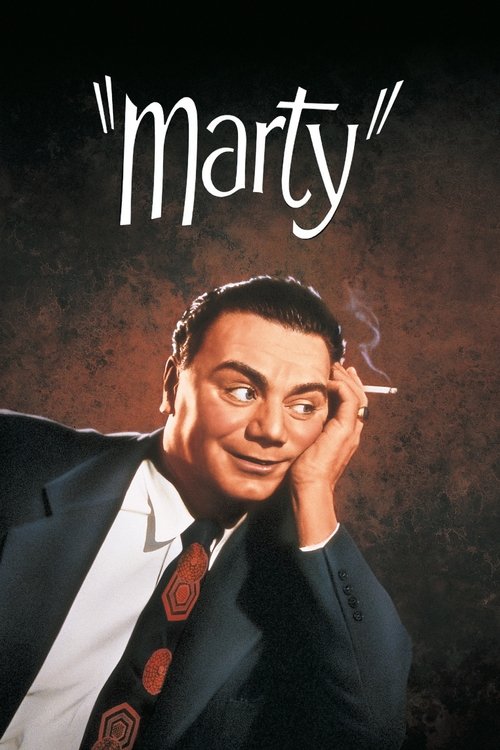
Marty1955
Delbert Mann's intimate portrait of a working-class man navigating love, family pressure, and self-doubt. Ernest Borgnine's tenderness here shares Peck's quiet dignity. Proof that small, character-driven stories resonate.
But The stakes feel modest compared to grander dramas. Some find it sentimental.
Tokyo Story1953
Both mourn the distance between who we become and who we were. Both treat suburban domesticity as a profound subject. Both believe in silence as eloquence.
Ozu's serene masterpiece concerns aging parents visiting their son's home and confronting how he's changed—and what was lost. No plot in the American sense, just the quiet catastrophe of living. A spiritual cousin to Rath's domestic unhappiness.
But It's glacially paced and plotless. The deliberate restraint baffles viewers expecting traditional drama. Subtitled.

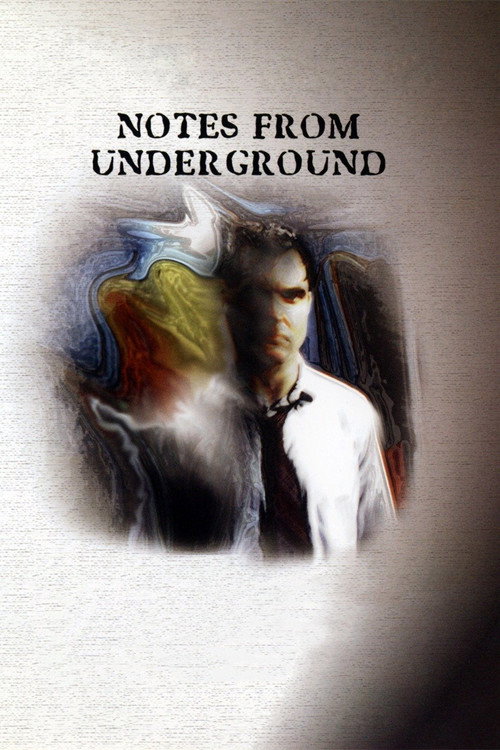
Notes from Underground1995
Both are about intelligent men hollowed out by systems (corporate versus philosophical). Both suggest that conformity and rebellion are equally hollow. Both end in resignation.
Andrzej Żuławski's brutal, obscure Polish adaptation of Dostoevsky transposes existential alienation into something visceral and expressionistic. If you responded to Rath's interior torment, this dives into that abyss with uncompromising intensity.
But It's bewilderingly experimental, deliberately ugly, and punishing to watch. Dialogue is philosophical and often cryptic. Very much a cult object, not mainstream.
People
Cast
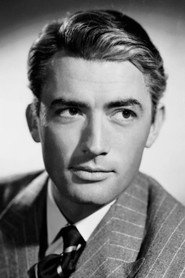 Gregory PeckTom Rath
 Jennifer JonesBetsy Rath
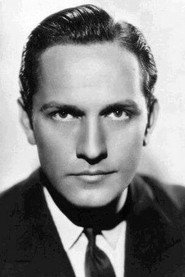 Fredric MarchRalph Hopkins
 Marisa PavanMaria Montagne
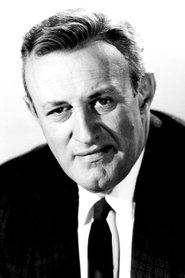 Lee J. CobbJudge Bernstein
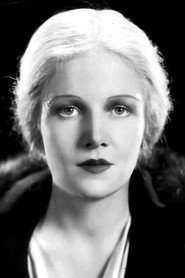 Ann HardingHelen Hopkins
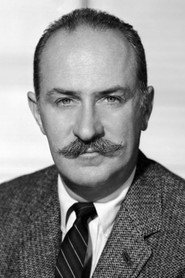 Keenan WynnSgt. Caesar Gardella
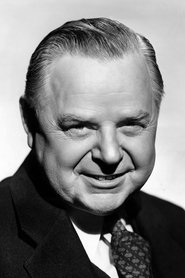 Gene LockhartBill Hawthorne
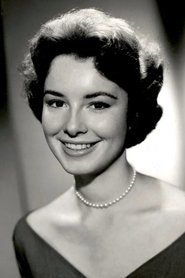 Gigi PerreauSusan Hopkins
- Portland MasonJaney Rath
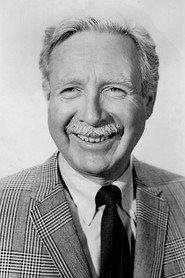 Arthur O'ConnellGordon Walker
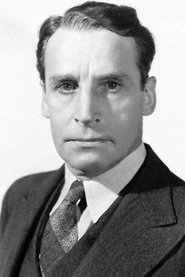 Henry DaniellBill Ogden
Directing
- Hal HermanAssistant Director
- Nunnally JohnsonDirector
- Patricia LambScript Supervisor
Writing
- Sloan WilsonNovel
- Nunnally JohnsonScreenplay
Production
- Owen McLeanCasting Director
- Darryl F. ZanuckProducer
- Gaston GlassProduction Manager
- Saul WurtzelUnit Manager
Recommended by
Death Sentence, The Swimmer, Patterns, Eames: The Architect and the Painter, The Gadfly, Desperate, Reach for the Sky, The Court-Martial of Billy Mitchell, Sincerely Yours, The Code, Masked and Anonymous, Laughter in Paradise, Martin Margiela: In His Own Words, The Skin Game, Slave Girl