
Film
Marty
Marty is the world's gentlest gut-punch: a homely Bronx butcher and a plain schoolteacher meet at a dance nobody expects to go anywhere, and Paddy Chayefsky's script refuses every cliché on offer. It's small, black-and-white, and unshowy — the real drama is a mother's guilt trip, a friend's contempt. Watch it when you want to feel less alone, not more entertained.
If you liked this
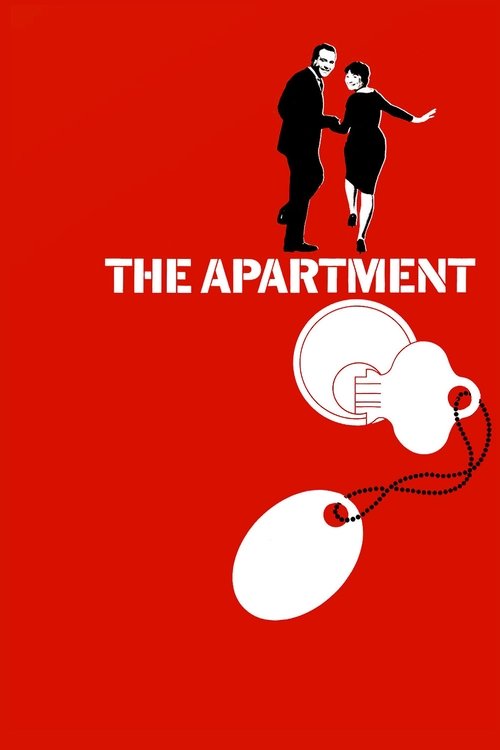
The Apartment1960
Billy Wilder's tender, funny, quietly devastating comedy about two lonely office workers who don't fit anywhere else. It's got Marty's same faith that ordinary people deserve real love stories, just funnier and sadder in equal measure.
But It's more polished and cynical about office life than Marty's warmth — the wit can feel like armor rather than plainness.
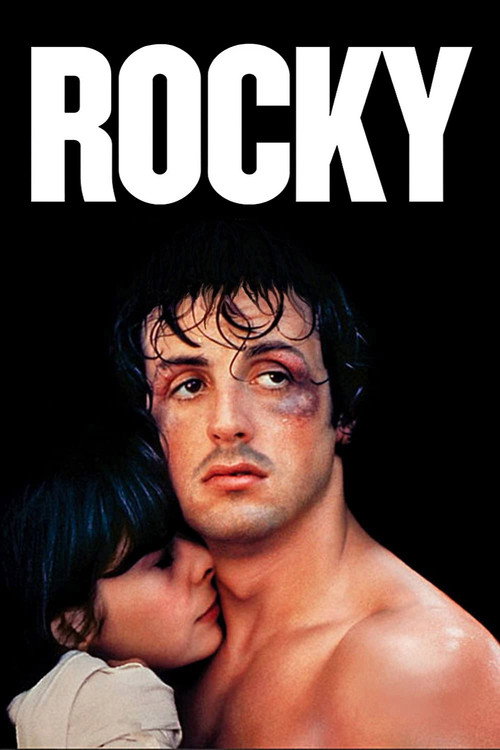
Rocky1976
Same shy, stammering courtship at its core — a Philadelphia palooka and a mousy pet-shop clerk finding each other at an empty ice rink. Underneath the training montages is Marty's tenderness for people nobody bets on.
But The boxing plot and eventual triumphalism pull it toward spectacle Marty never wanted, and the sequels flattened its original softness.
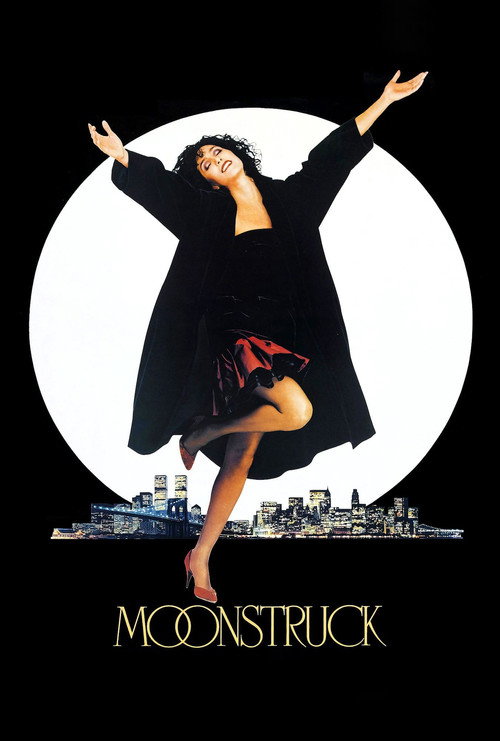
Moonstruck1987
Cher's Italian-American Brooklyn family is loud where Marty's Bronx one is quiet, but the meddling aunts, the guilt, the fear of ending up alone — it's the same dinner table, dialed up into opera.
But It's a comedy first, and the romance is swoonier and more magical than Marty's shuffling, unglamorous courtship.
The wildcard
Something you would not have found on your own.
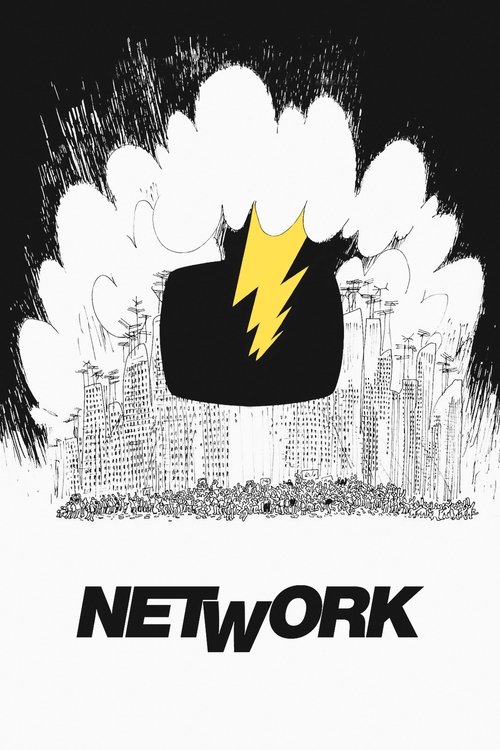
Network1976
Same screenwriter, Paddy Chayefsky, twenty years later — the tenderness he had for Marty's loneliness curdles here into fury at a whole culture that's forgotten how to feel anything real.
Watching the man who wrote Marty's gentle romance turn around and write the most savage satire ever made about television is one of the great pivots in American screenwriting — same moral seriousness, aimed entirely differently.
But It's loud, cynical, and shouty where Marty is hushed and kind — if you came for warmth, this will feel like a betrayal of it.
More like this (8)
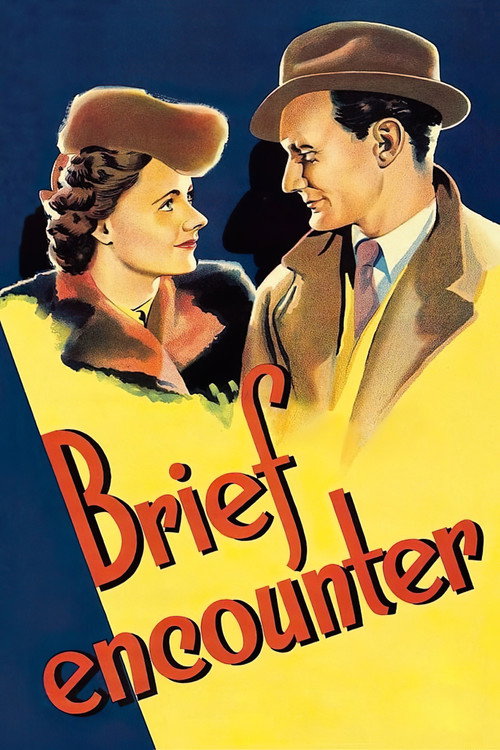
Brief Encounter1945
Two ordinary people, already committed elsewhere, fall for each other in a train station café, and nobody ever raises their voice. It's the British, repressed cousin of Marty's plainspoken ache.
But It's stiffer and more genteel — all clipped vowels and unspoken longing, without Marty's rough, talkative warmth.
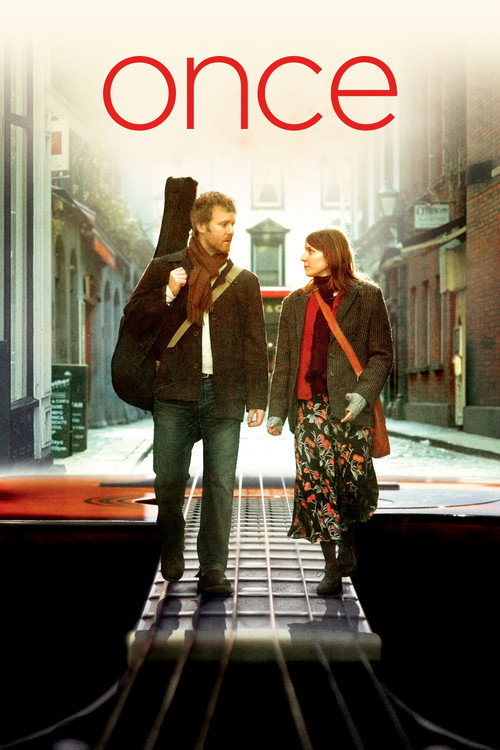
Once2007
A busker and a flower-seller in Dublin, shot on the cheap, falling into something that might be love and might just be a good week. Same unglamorous streets, same refusal to promise a happy ending.
But It's a musical at heart, so if you wanted dialogue-driven realism rather than songs carrying the feeling, it may land differently.
Punch-Drunk Love2002
Adam Sandler, cast wildly against type, plays a lonely, twitchy man cornered by his own family the way Marty is — until an unlikely woman refuses to see him as broken.
But Paul Thomas Anderson's style is jagged and surreal where Marty is plain-spoken; the anxiety here has sharp edges, not gentle ones.

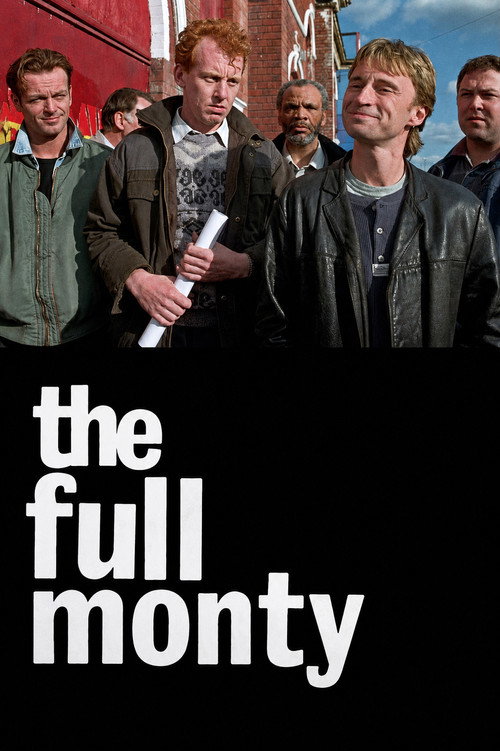
The Full Monty1997
Unemployed Sheffield steelworkers rebuilding their dignity has nothing to do with romance directly, but it shares Marty's exact interest in ordinary men who feel like failures finding a reason to hold their heads up.
But It leans into broad comedy and a big feel-good finale that Marty, with its smaller ambitions, would never risk.
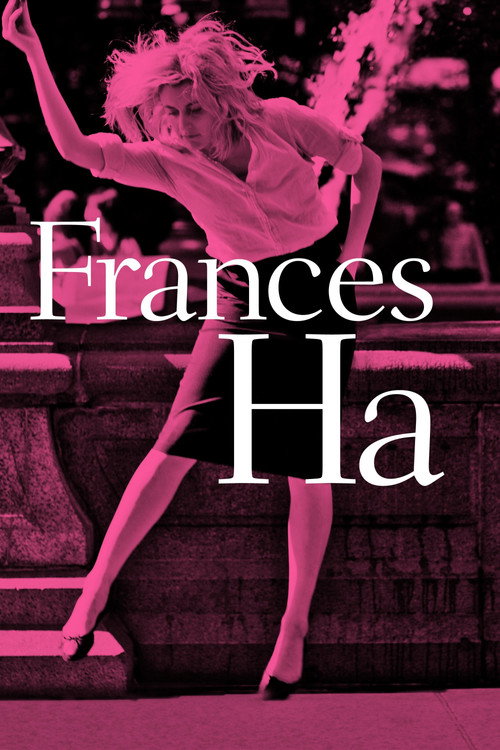
Frances Ha2013
A different kind of loneliness — a woman in her late twenties adrift in New York, funny and sad in the same breath, shot in black and white as if paying homage to exactly this era.
But It's mumblecore-adjacent and rambling by design; if you want tight plotting and a clear arc, this drifts instead.
Nebraska2013
Alexander Payne's black-and-white road movie about an old man, his estranged son, and the town that shaped them both carries Marty's patience with ordinary disappointment and its small, real tenderness.
But It's about a father and son rather than romance, and its humor is drier, more deadpan than Marty's warmth.

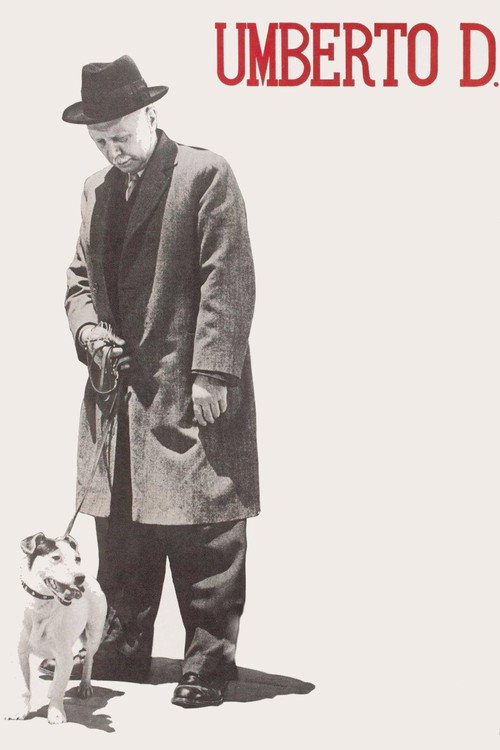
Umberto D.1952
Vittorio De Sica's Italian neorealism is the direct ancestor of Marty's kitchen-sink humanism — ordinary, unglamorous lives filmed with total seriousness, years before Hollywood dared to try.
An old man and his dog, alone in postwar Rome, treated with the same unflinching dignity Marty gives its butcher — but pushed further into loneliness than Marty ever dares to go.
But It offers none of Marty's hope or humor — this is neorealism at its starkest, and it can be genuinely hard to sit through.
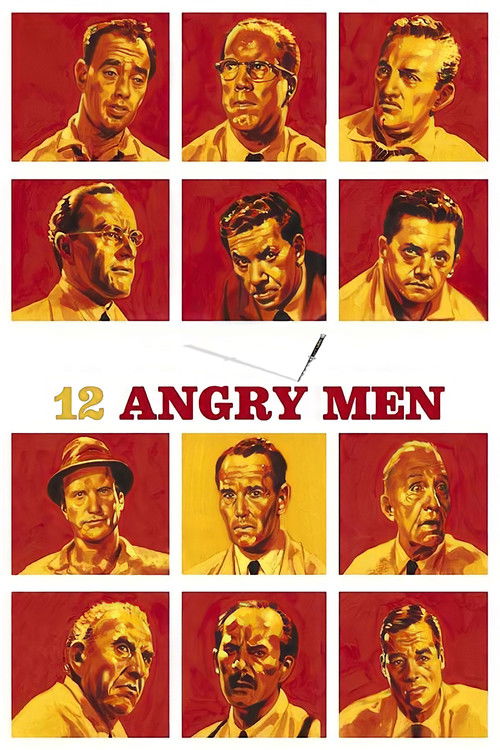
12 Angry Men1957
Both began as scripts for live 1950s television anthology dramas before becoming films — the same Golden Age instinct that ordinary rooms and ordinary voices could hold real drama, no spectacle required.
Swap the dance hall for a jury room and the shy butcher for twelve strangers, and you get the same faith that plain, talky, black-and-white realism can carry real moral weight.
But It's tense and argumentative where Marty is tender and slow — a courtroom thriller in all but setting, not a romance at all.
People
Cast
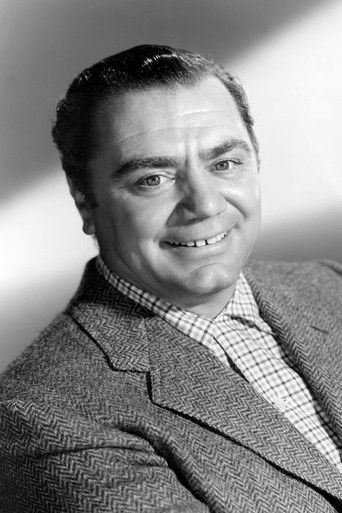 Ernest BorgnineMarty
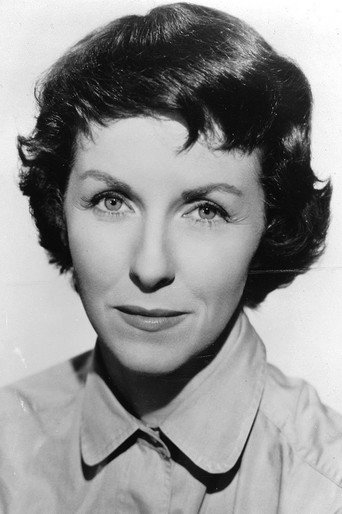 Betsy BlairClara
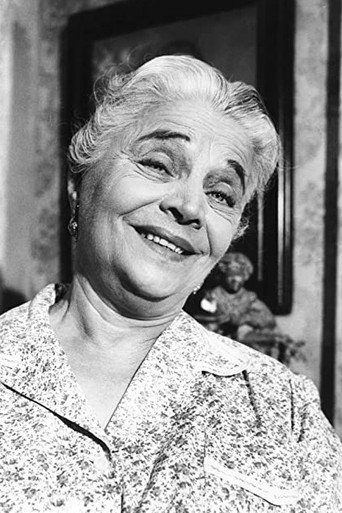 Esther MinciottiMrs. Piletti
 Augusta CiolliAunt Catherine
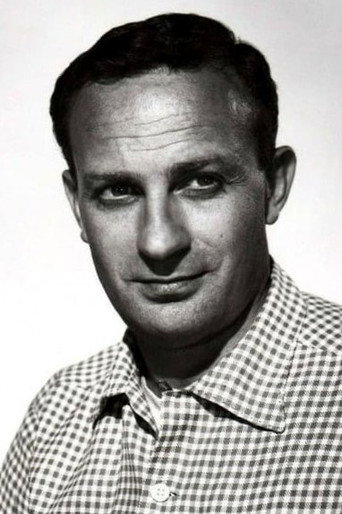 Joe MantellAngie
 Karen SteeleVirginia
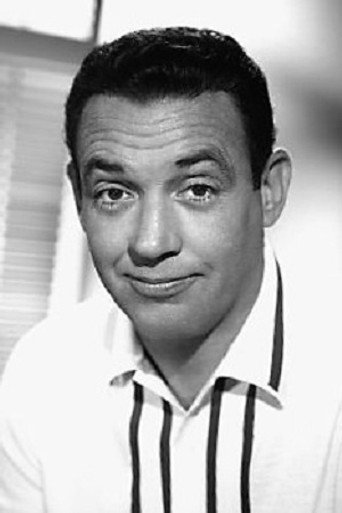 Jerry ParisTommy
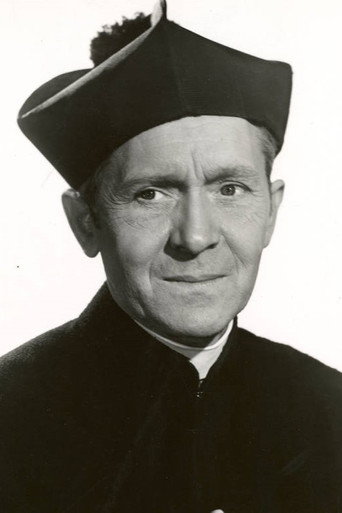 James BellMr. Snyder (uncredited)
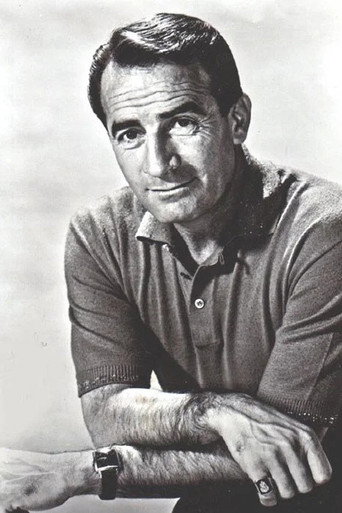 John BeradinoMan in Bar (uncredited)
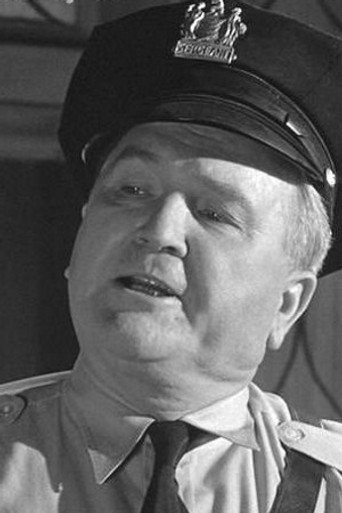 Charles CaneLou (uncredited)
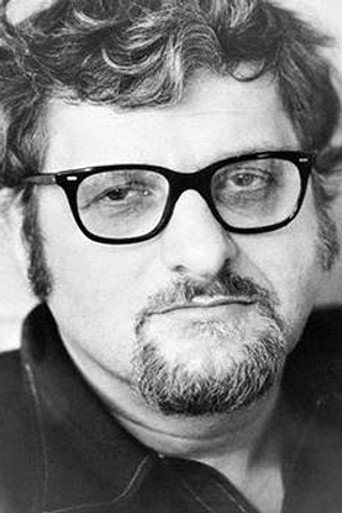 Paddy ChayefskyLeo (uncredited)
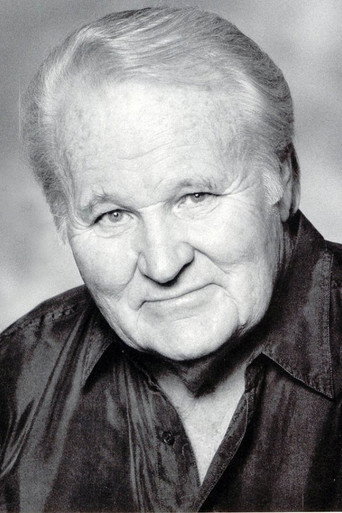 John DennisAndy (uncredited)
Directing
- Paul HelmickAssistant Director
- Delbert MannDirector
Writing
- Paddy ChayefskyScreenplay
- Paddy ChayefskyStory
Production
- Paddy ChayefskyAssociate Producer
- Betty PagelCasting Associate
- Burt LancasterProducer
- Harold HechtProducer
Recommended by
Good Will Hunting, Rocky, The Apartment, Diner, Goodyear Television Playhouse, Mike & Molly, Komi Can't Communicate, Pretty in Pink, Moonstruck, Punch-Drunk Love, Muriel's Wedding, Saturday Night Fever, The Station Agent, Some Kind of Wonderful