
Television series
Goodyear Television Playhouse
Goodyear Television Playhouse was live, unrepeatable, and utterly ordinary—by design. Six years of NBC's Sunday-night hour dramas about waitresses, salesmen, boxers, brothers arguing over money, broadcast once and gone. It's the show that gave Paddy Chayefsky room to write Marty and The Catered Affair before Hollywood noticed. Watching it now, in whatever fragments survive, is like eavesdropping on television inventing itself.
If you liked this
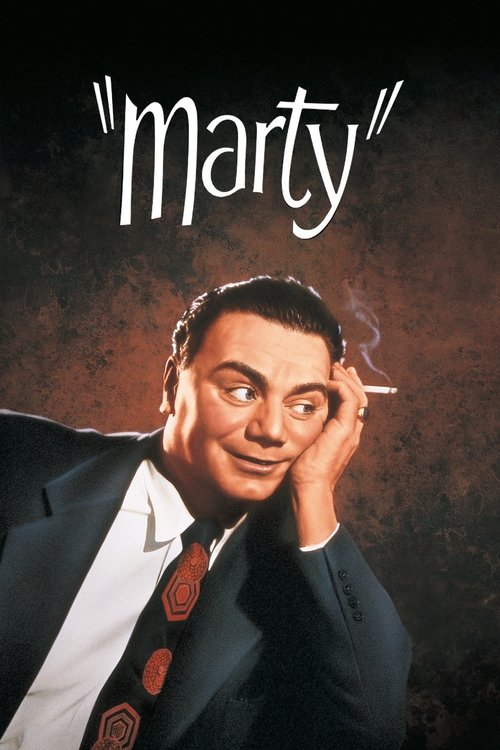
Marty1955
Chayefsky's own teleplay for this series, expanded into an Oscar-winning film about a lonely butcher who doesn't expect love. It's the clearest proof of what this kind of television could become.
But Deliberately small and quiet—no plot twists, no rescue, just two unglamorous people talking. Some viewers find it slight rather than moving.
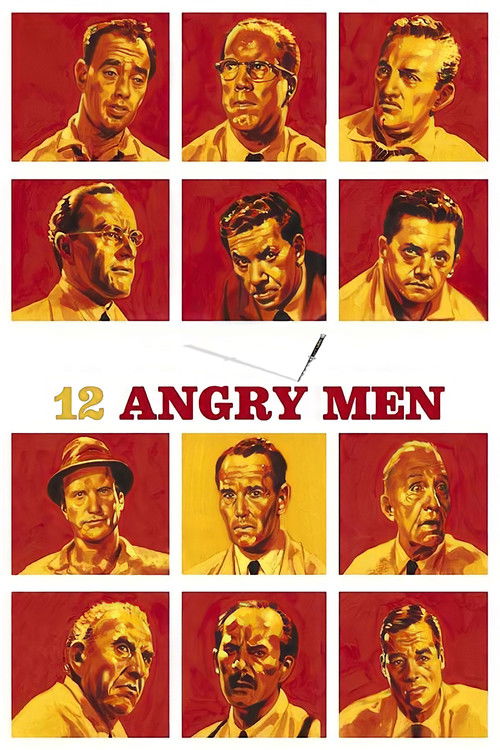
12 Angry Men1957
Reginald Rose wrote it first for live television's Studio One, then Sidney Lumet expanded it into this claustrophobic jury-room drama. Same DNA: real time, real argument, no music telling you what to feel.
But One room, twelve men, ninety minutes of talking. If courtroom procedure or moral debate doesn't grip you, this will feel like a filibuster.
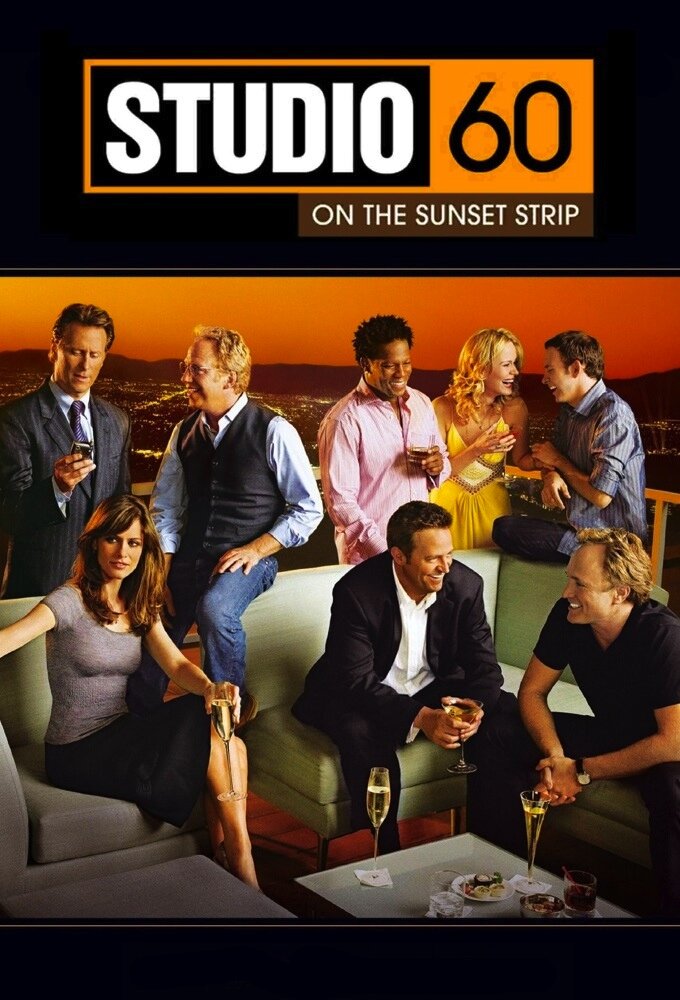
Studio 60 on the Sunset Strip2006
The rival anthology series running the same years on CBS, with its own roster of writers wrestling live drama into shape week after week. A parallel window into the same experiment.
But Survives even more patchily than Goodyear's output—many episodes are simply lost, so you're often watching kinescopes of kinescopes.
The wildcard
Something you would not have found on your own.
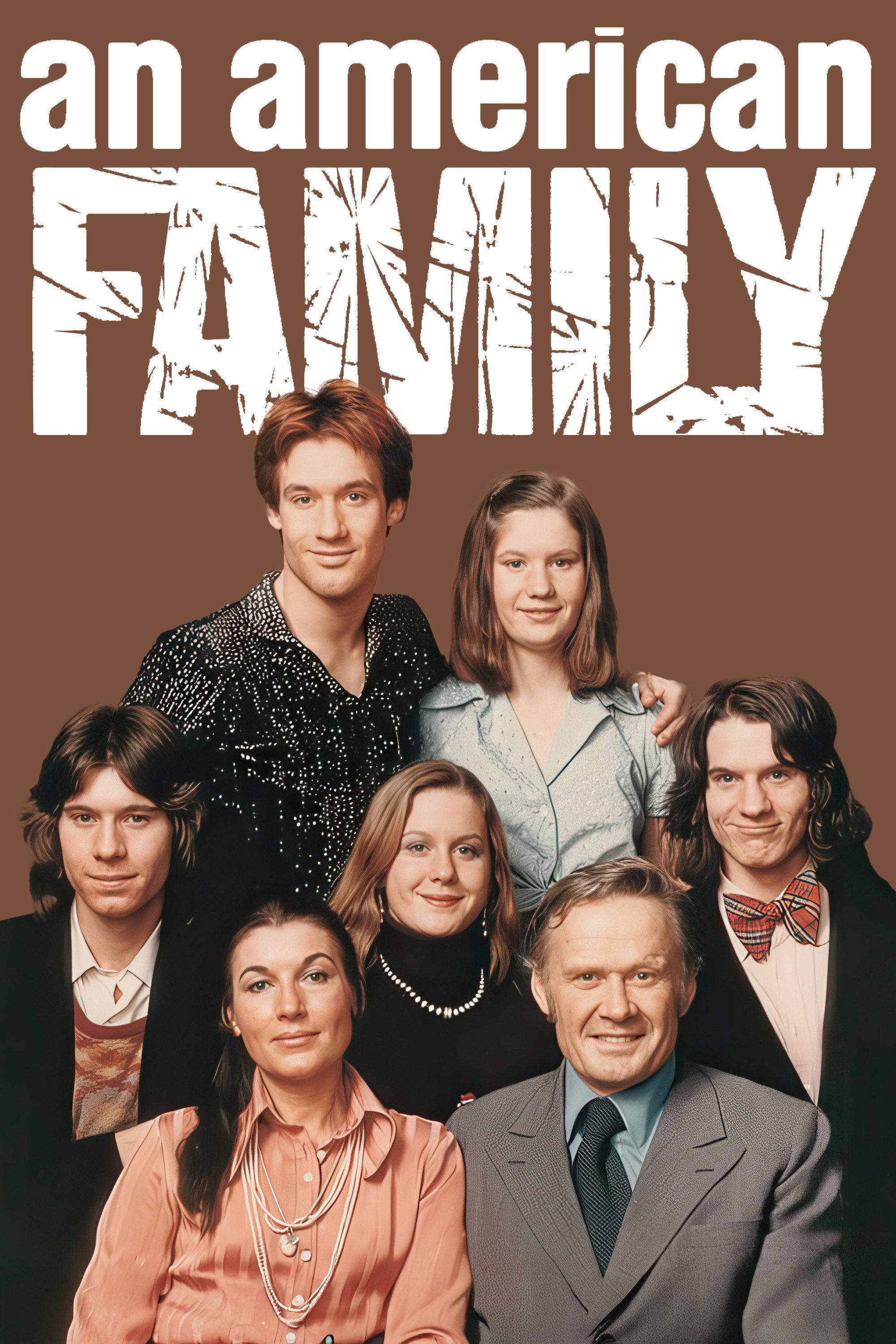
An American Family1973
This series pioneered the idea that ordinary, unremarkable domestic life deserved an hour of prime-time attention. An American Family took that same impulse and pointed a camera at a real family instead of actors, inventing reality television in the process.
Twelve hours of unscripted footage of the Loud family, filmed over seven months, capturing a marriage quietly falling apart on camera. Blunt, voyeuristic, and genuinely startling for 1973.
But Slow, unstructured, and often uncomfortable to watch—there's no writer shaping the drama, just a family living through something painful in real time.
More like this (6)
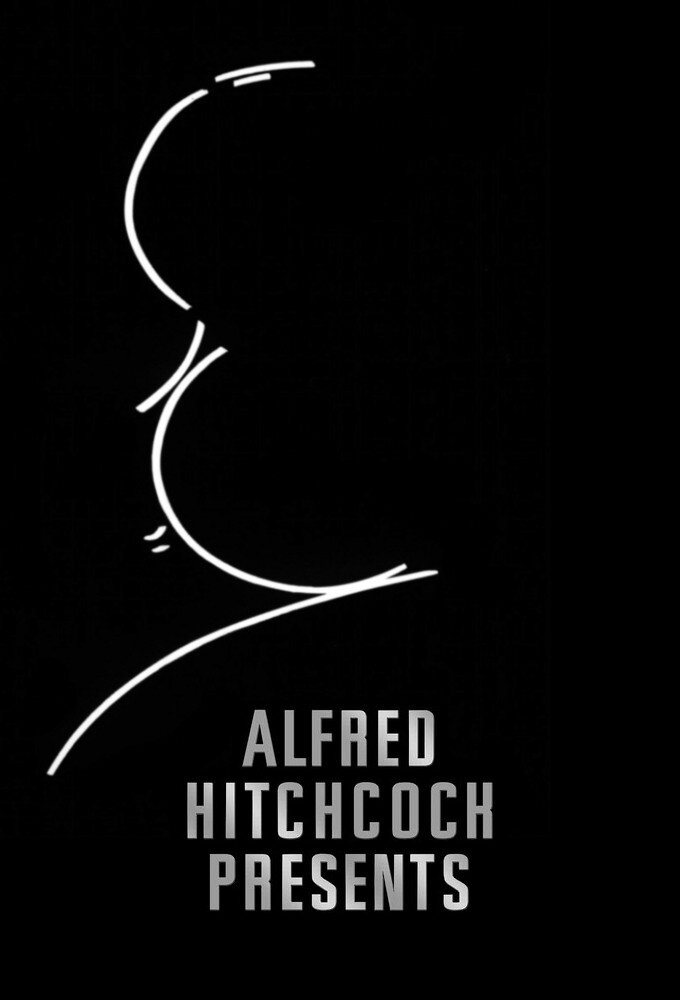
Alfred Hitchcock Presents1955
Same anthology bones, entirely different mood—suspense and dark comedy instead of kitchen-table realism, with Hitchcock's own droll introductions bookending each half-hour twist.
But Genre pulp rather than social realism; if you came for aching ordinary lives, this is a swerve into murder plots and irony.
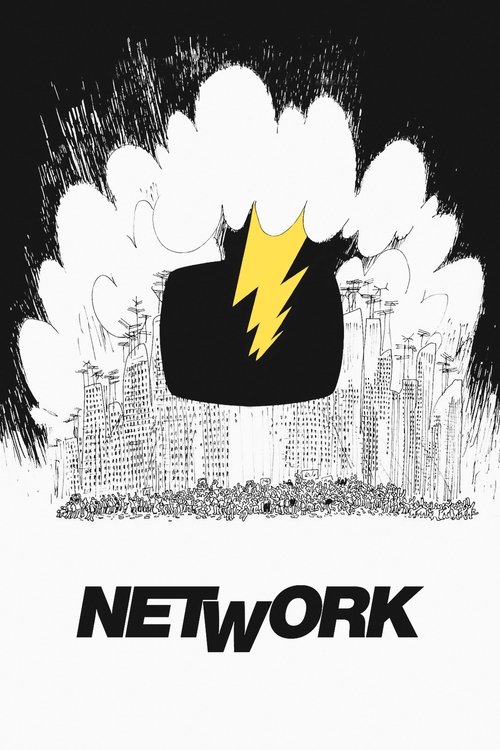
Network1976
Chayefsky again, decades later, turning his gift for plain-spoken dialogue on television itself—furious, prophetic, and about the very industry that gave him his start.
But A satire, loud and operatic where his 1950s work was hushed; if you loved his quiet realism, this is the opposite register.
The Catered Affair1956no page yet
Another teleplay-turned-film from this exact series, about a Bronx family arguing over how much to spend on a wedding. Bette Davis plays entirely against type as a weary, unglamorous mother.
But Modest stakes by design—nobody dies, nothing explodes, the whole conflict is a guest list. Not for anyone wanting a plot.
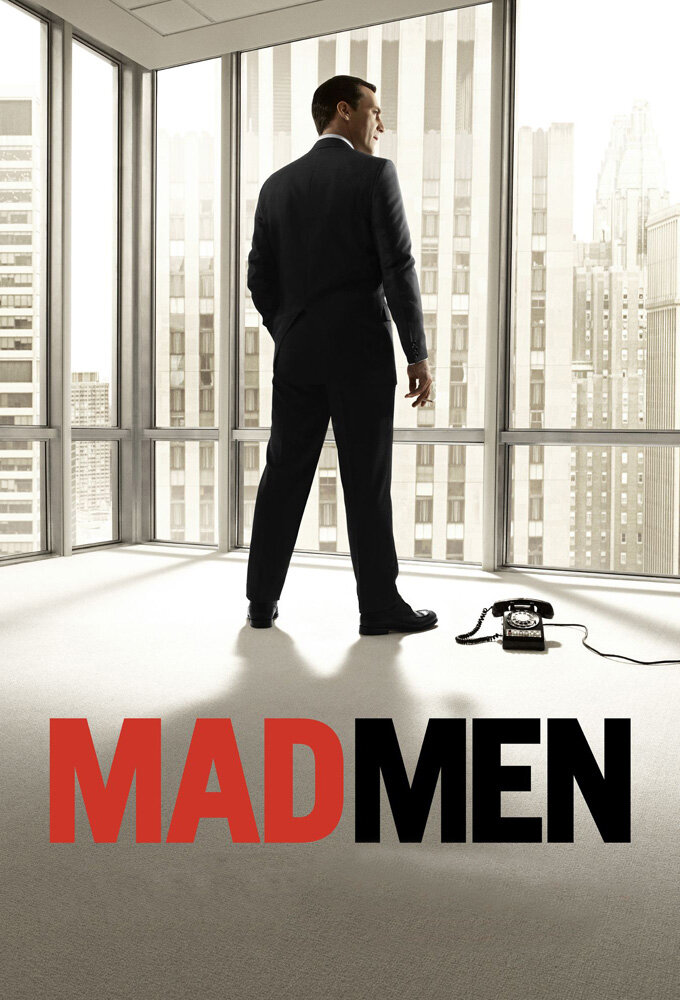
Mad Men2007
Not live, not anthology, but soaked in the same era and the same New York advertising world that watched shows like this get made. A retrospective mirror held up to the period.
But Seven seasons long and glossy where the original was raw; nostalgia and craft replace the live-wire urgency of the real thing.
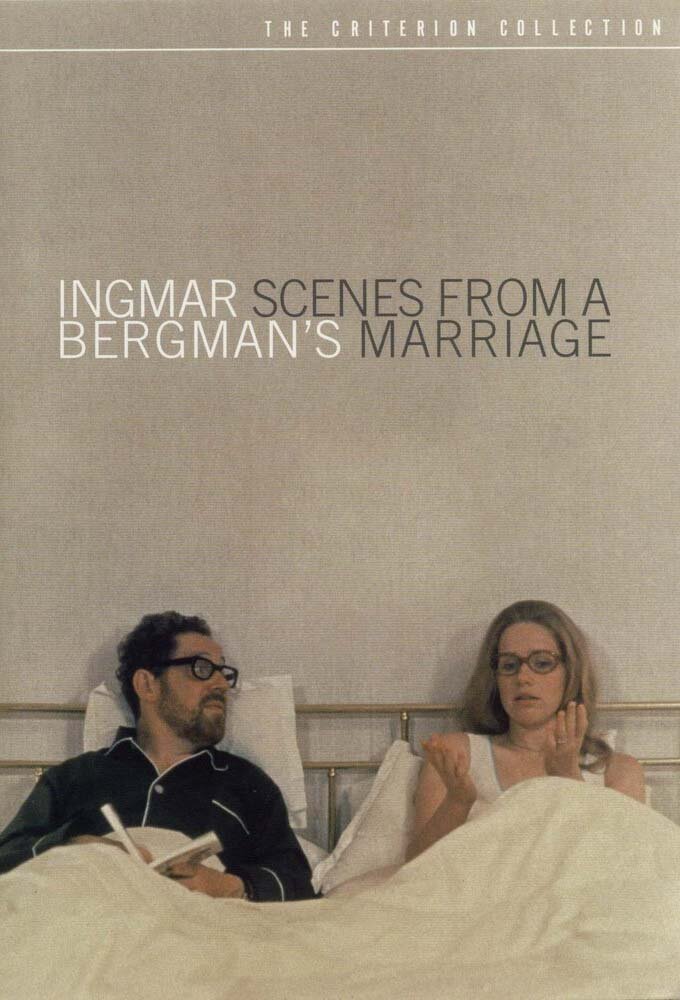
Scener ur ett äktenskap1973
Same commitment to small rooms, long conversations, and actors carrying the entire weight of a scene with no plot to hide behind—Bergman doing, in six chamber-drama episodes, what this series did in single hours.
Bergman's dissection of a disintegrating marriage, almost entirely two people talking in close-up. Devastating, precise, and one of the most influential pieces of intimate television ever made.
But In Swedish, unhurried, and emotionally punishing—six episodes of a marriage failing in real detail, with no relief and no villain.
Death of a Salesman1951no page yet
Made the same year this series began, adapting Arthur Miller's play about a man whose ordinary failures are treated as tragedy—exactly the moral seriousness this series brought to television for the first time.
Fredric March plays Willy Loman with the same aching dignity this series gave to waitresses and butchers—proof the era's stage and screen shared one urgent question: does an unremarkable life matter?
But Theatrical and heavy, adapted closely from the stage play; the grief builds slowly and offers no comic relief along the way.