
Film
Death of a Salesman
Other titles called Death of a Salesman: the 1985 film.
- Drama
- Very dark
Fredric March's Willy Loman is a man collapsing under the weight of delusion. This 1951 adaptation of Arthur Miller's masterpiece is cinema that breathes like theatre—intimate, suffocating, magnificent. It's for anyone who's felt the gap between who they wanted to be and who they are. Devastating and essential.
Should you watch it?
Watch it if you love stage-bound American drama where a family's quiet unraveling plays out in cramped rooms and every line of dialogue carries weight, especially when the words themselves are the point.
Skip it if you want a lively, cinematic picture; this is a filmed stage play with long speeches, memory drifting between past and present, and little air in its tone.
What it asks of you: Expect talky, circling scenes at a steady, heavy pace for just under two hours, with little relief from its gloom and your full attention throughout.
Not sure? Find tonight's pick in a minute.
If you liked this
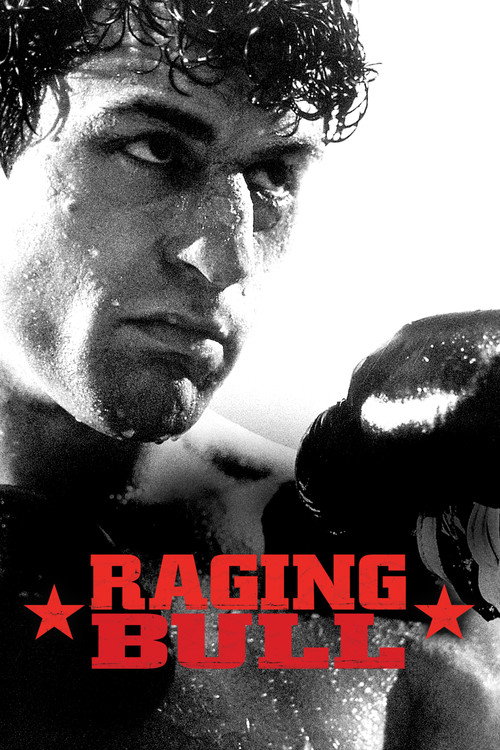
Raging Bull1980
Scorsese's portrait of Jake LaMotta—a man destroying everything because he cannot accept himself. Like Willy, he's trapped in a story he tells about himself, and that story is killing him. Brutal, hypnotic cinema.
But The violence is graphic and the mood is relentlessly bleak. It's also in black-and-white and nearly two hours long, which tests patience before it rewards it.
The Wrestler2008
Randy the Ram is Willy Loman in a singlet. A man clinging to a version of himself the world has moved past, playing out the same desperate performance night after night. Darren Aronofsky gets the sadness right.
But It's repetitive by design—the same cycle, the same humiliations. That's the point, but it can feel punishing to watch, especially toward the end.

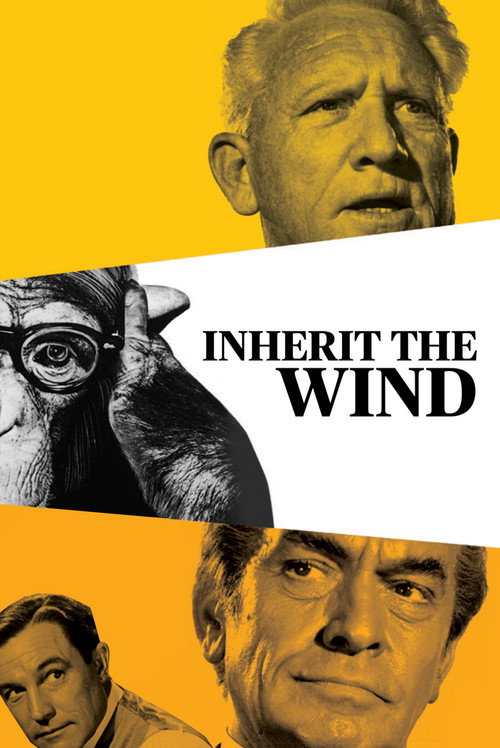
Inherit the Wind1960
Spencer Tracy and Fredric March face off over faith, progress, and what it means to be right. Like Salesman, it's about men defending worldviews they can no longer afford to question. A courtroom drama that's really about pride.
But It's stagebound and deliberate. The pacing is measured, even slow. You're watching men talk, brilliantly, but it requires attention and patience.
Not sure tonight? Get a pick in a minute, starting from Death of a Salesman
The wildcard
Something you would not have found on your own.
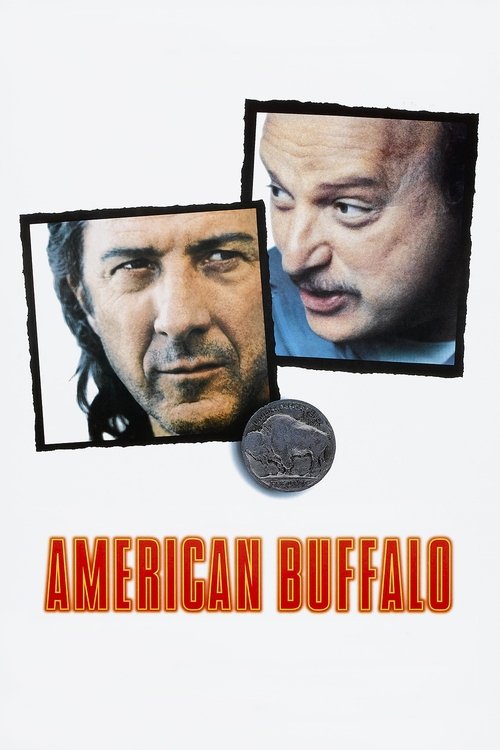
American Buffalo1996
Both are American drama obsessed with the stories men tell themselves—theatre translated into cinema, about self-deception as survival.
Mamet's three-hander about petty criminals planning a heist—but it's really about men justifying themselves through performance and bluster. Like Willy, they're selling a story about who they are. Shot almost as theatre; hypnotic.
But It's almost aggressively talky and the dialogue is profane and repetitive. The 'plot' is negligible. If you need action or conventional narrative momentum, you'll hate this.
More like this (7)
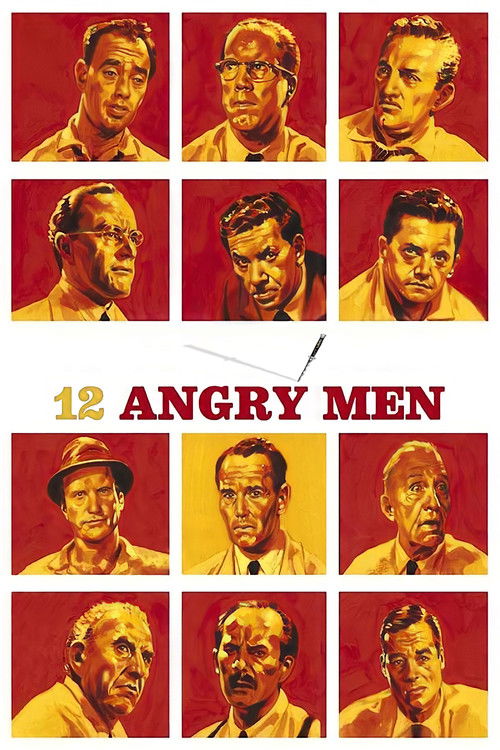
12 Angry Men1957
A room full of men wrestling with self-image, status, and what they're willing to believe. Lumet's direction is precise and the writing is sharp—it asks hard questions about who we are when nobody's looking.
But It's entirely men in one room for ninety minutes. If dialogue-driven chamber pieces feel claustrophobic, this will feel suffocating.
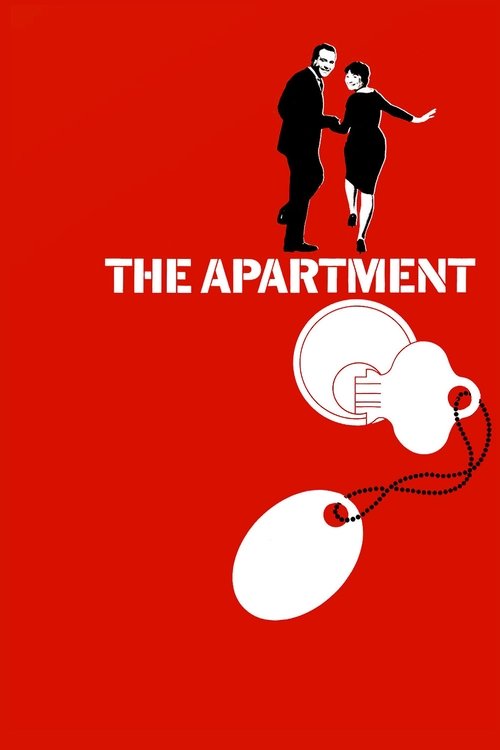
The Apartment1960
Billy Wilder's C.C. Baxter is chasing his own version of success—willing to compromise everything for advancement. The film is funny and sad in equal measure, about the small betrayals we commit to get ahead.
But It's romantic in the end, and if you can't forgive the softening of its own critique, you might resent where it lands.
American Beauty1999
Lester Burnham is another salesman—of himself, his family, his life. He's collapsing under the pressure of performance and illusion. It's angry in ways Salesman is too dignified to be, but the skeleton is the same.
But It's interested in its own cleverness about American emptiness. That self-awareness can feel hollow, and the ending divides people sharply.

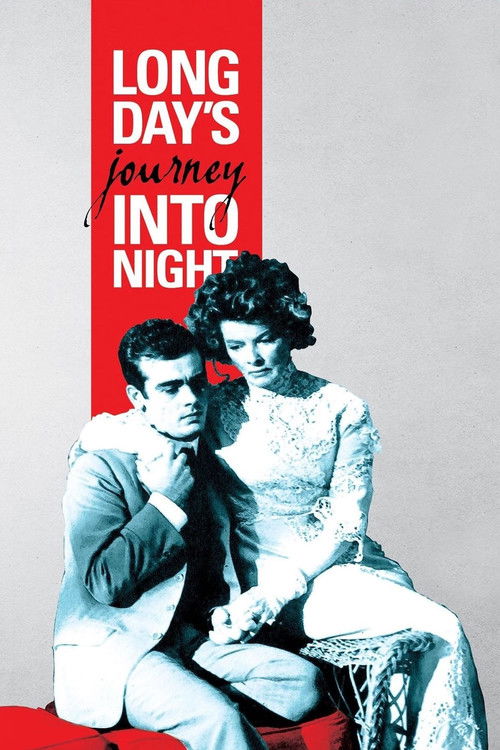
Long Day's Journey Into Night1962
O'Neill's play, beautifully filmed by Sidney Lumet. A family unraveling across one day, each member trapped in regret and the things they never said. It's Salesman's spiritual cousin—devastating and profound.
But At nearly three and a half hours, it requires genuine endurance. It's also relentlessly bleak with no relief. Some find it unbearably heavy.
The Best Years of Our Lives1946
Three men returning from war trying to reassemble lives that don't fit anymore. Like Willy, they're haunted by who they expected to be. Wyler's direction is generous and the humanism runs deep.
But It's long, episodic, and the sentiment can feel dated. The pacing is deliberate to the point of testing modern viewers' tolerance.

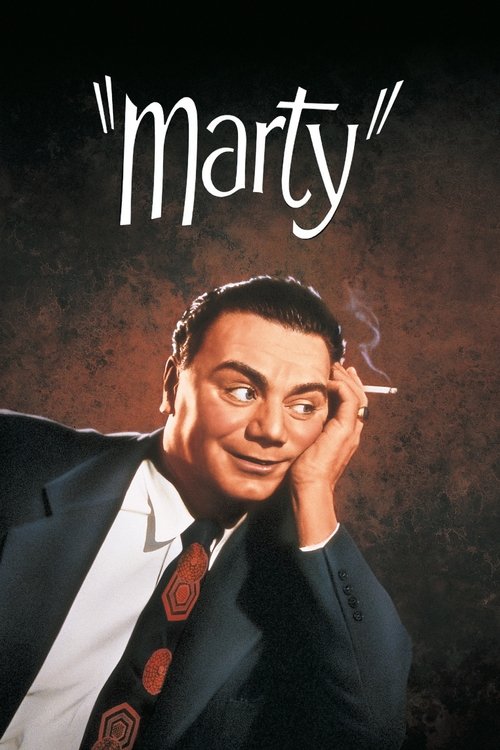
Marty1955
Paddy Chayefsky's portrait of a lonely, ordinary man trying to connect. It's smaller in scale than Salesman but shares its ache—the quiet desperation of someone convinced they don't deserve better.
But It's extremely modest in scope and ambition. Nothing explosive happens. If you need a film to *do* something, this gentle thing might pass you by.
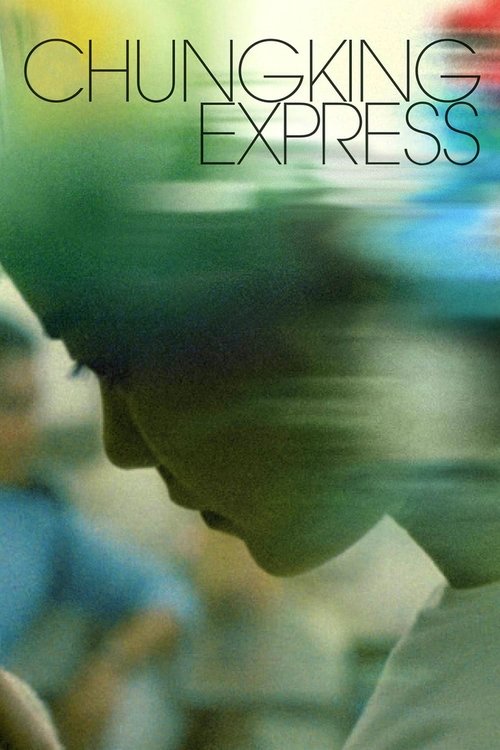
Chungking Express1994
Both explore the solitude of urban modern life and the aching need to be seen—Willy in the boardroom, these characters in the city streets.
Wong Kar-wai's kaleidoscopic romance seems miles from Miller's canvas, but it's built on the same engine: loneliness, the desperate hunger to matter to someone, the gap between who we are and who we want to be. Visually ravishing, melancholic, electric.
But It's fractured, poetic, elliptical. If you need plot clarity and emotional straightforwardness, this dreamy, impressionistic film will frustrate you.
People
Cast
 Fredric MarchWilly Loman
 Mildred DunnockLinda Loman
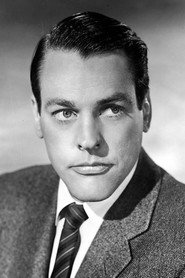 Kevin McCarthyBiff Loman
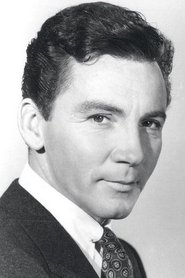 Cameron MitchellHappy Loman
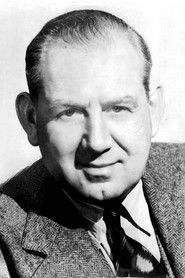 Howard SmithCharley
- Royal BealBen
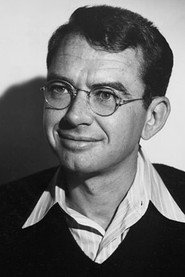 Don KeeferBernard
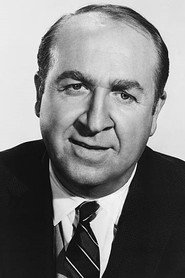 Jesse WhiteStanley
 Claire CarletonMiss Francis
- David AlpertHoward Wagner
- Beverly AadlandGirl (uncredited)
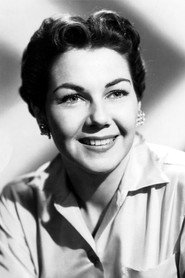 Jeanne BatesMother (uncredited)
Directing
- Frederick BriskinAssistant Director
- László BenedekDirector
- Abby SingerSecond Assistant Director
Writing
- Stanley RobertsScreenplay
- Arthur MillerTheatre Play
Production
- George GlassAssociate Producer
- Stanley KramerProducer
- Clem BeauchampProduction Manager
Recommended by
Goodyear Television Playhouse, I Never Sang for My Father, The Stoning of Soraya M.