
Film
I Never Sang for My Father
A devastating portrait of family obligation and the paralysis it can create. Gene Hackman plays a middle-aged man trapped between duty to his difficult father and the chance at his own life. Tender and angry by turns, it's a chamber piece about how love and resentment occupy the same room, and what we owe the people who raised us.
Should you watch it?
Watch it if you love quiet, talky family dramas where the real conflict lives in what people almost say to each other, and a strong cast does most of the work in a single room.
Skip it if you want plot momentum or a lot of happening on screen; this is mostly weary conversation between a few people, and the stakes stay emotional rather than dramatic.
What it asks of you: Ninety-two minutes of patient dialogue and close, uncomfortable silences, with little movement and a tone that stays heavy and reflective rather than lifting into anything bright.
Not sure? Find tonight's pick in a minute.
If you liked this
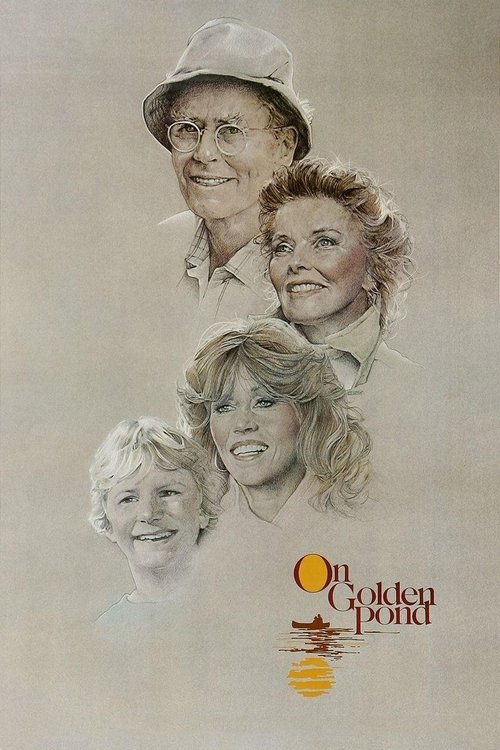
On Golden Pond1981
Henry Fonda and Katherine Hepburn play an aging couple; the film explores adult children grappling with aging parents, mortality, and unresolved family wounds with both humour and heartbreak.
But The sentimental reputation can oversell the treacle. It's gentler and less abrasive than what you're after.
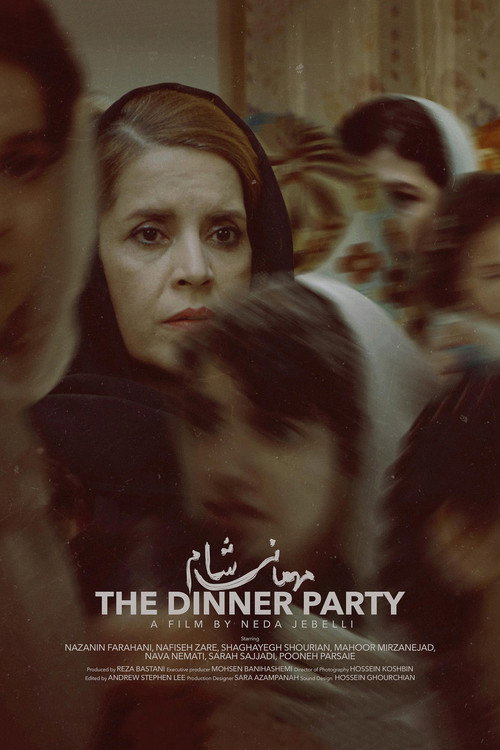
The Dinner Party2023
A compact, brilliant examination of family resentment and expectation. Adult siblings and their spouses collide over one meal, revealing how old grievances calcify into permanent shapes.
But It's deliberately theatrical and airless. If you want the cinema to breathe, look elsewhere.
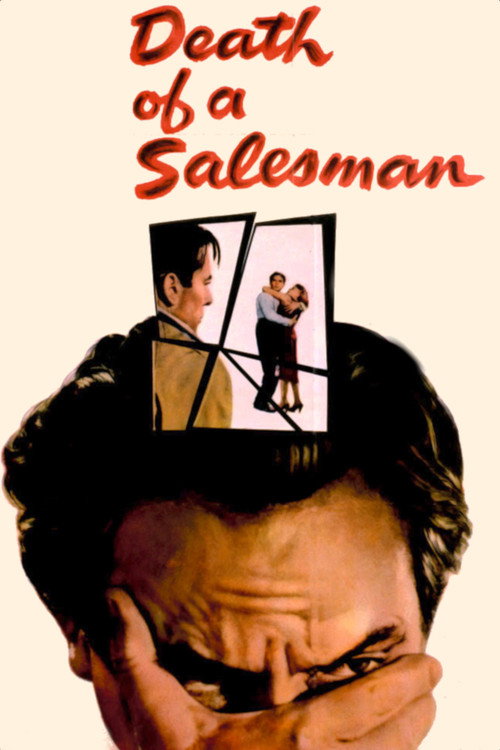
Death of a Salesman1951
Fredric March as a man whose entire identity is tied to external validation. Like Hackman's character, he's trapped by his own mythology and can't stop performing for people who'll never be satisfied.
But It's a filmed play, and it shows. The theatrical rhythm takes adjustment if you're used to cinema language.
Not sure tonight? Get a pick in a minute, starting from I Never Sang for My Father
The wildcard
Something you would not have found on your own.
Requiem for a Dream2000
Both capture the specific pain of watching a parent self-destruct while you stand powerless. Hackman's quiet suffocation becomes Aronofsky's loud psychic devastation.
Darren Aronofsky's four parallel descent stories include an aging mother trapped by diet pills and television, with her son unable to stop her spiral. It's about the helplessness of loving someone drowning in their own choices.
But It's relentlessly bleak and formally punishing. The visual and sonic assault is intentional, not accidental. You will feel flayed.

More like this (7)
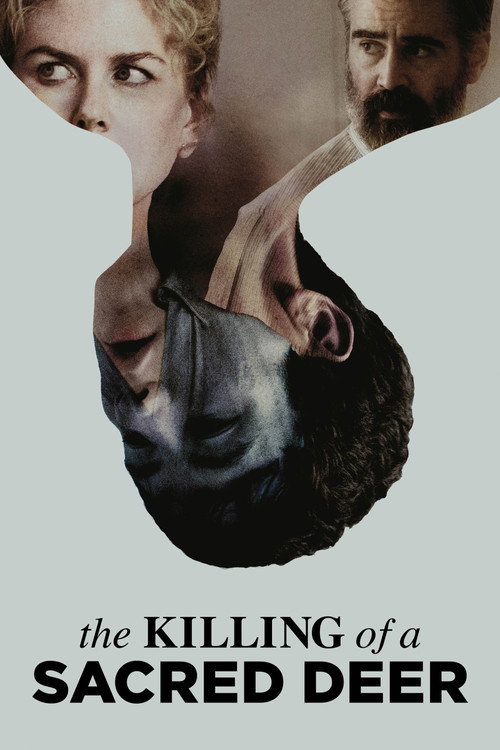
The Killing of a Sacred Deer2017
A family's obligation to repay a debt, told with Yorgos Lanthimos's cruel precision. The question of what we owe and what destroys us runs through every frame.
But It's deliberately alienating and cold. There's no warmth offered, and the pacing is almost punitive.
Krisha2016
Akhtar Qawwali's semi-autobiographical story of addiction, redemption, and a son trying to live up to his family's expectations. Achingly human and made with raw intensity.
But Shot in a documentary style that can feel unpolished. It's exhausting in the best and worst ways.

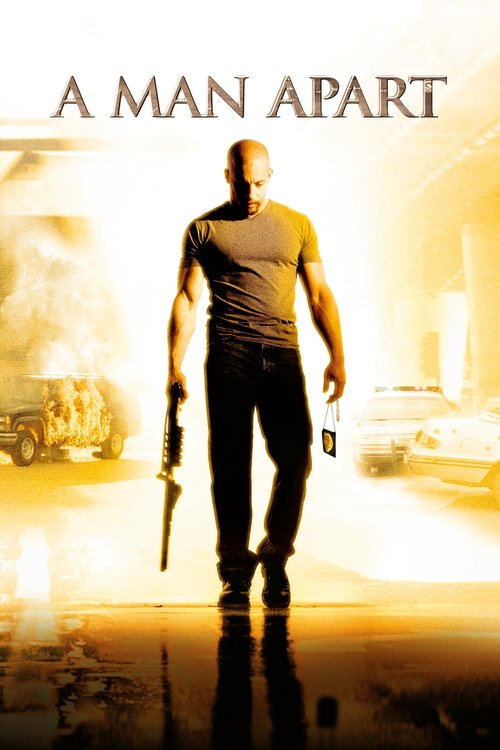
A Man Apart2003
Don't dismiss this—Vin Diesel plays a DEA agent whose marriage crumbles under the weight of his obsession. It's unexpectedly moving about how work and duty can hollow out the people we love.
But It's positioned as an action film. The emotional core gets buried under generic thriller machinery.
Tokyo Story1953
Ozu's masterpiece about aging parents visiting their son in Tokyo. It's quiet and precise about the distance between generations and what we fail to say to each other.
But If you want drama to announce itself, this will feel glacially slow. The emotional weight is in the spaces between dialogue.

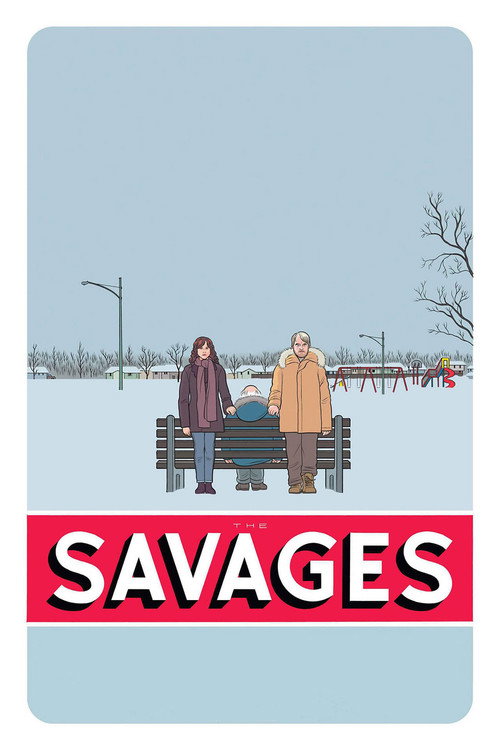
The Savages2007
Laura Linney and Philip Seymour Hoffman play siblings forced to confront their estranged father's decline. It's smart and funny and devastating about obligation, guilt, and what we can and cannot fix.
But The humour is dark and acidic. If you need permission to laugh at sad things, it won't give it to you.
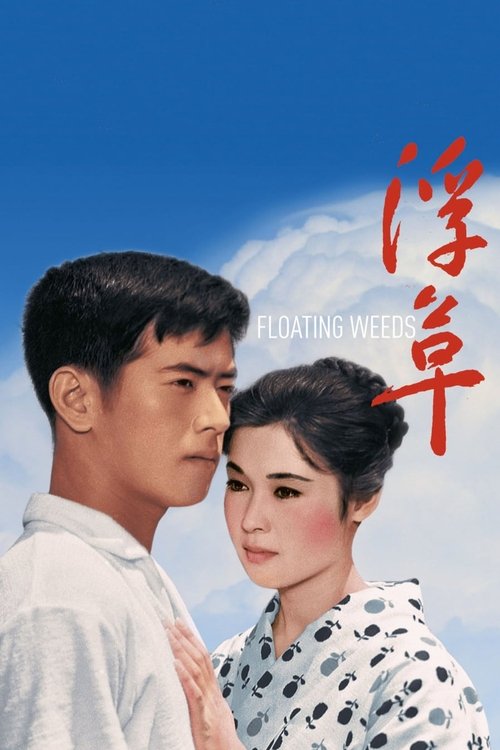
Floating Weeds1959
Another Ozu film—an aging actor returns to his hometown and his son, carrying years of absence and lies. It's about the performance of family and the cost of not being present.
But Like all Ozu, it requires patience with stillness. Modern viewers often find it challenging to stay engaged.
Ikiru1952
Where your film is about a son trapped by his father, Ikiru is the father's internal scream about being trapped by mortality and his son's indifference. Same house, opposite windows.
Kurosawa's man dying of cancer searches for meaning in his relationships and his work. It reframes the entire parent-child dynamic by making you watch it from the parent's side—the desperate need to matter to your child before you vanish.
But It's not a comfortable watch. The grief is genuine, and there's no redemption offered—just the question of whether meaning can be found in the act of asking for it.

People
Cast
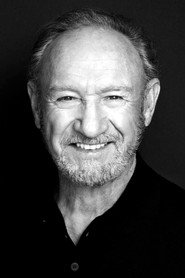 Gene HackmanGene Garrison
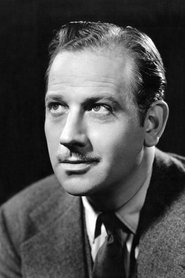 Melvyn DouglasTom Garrison
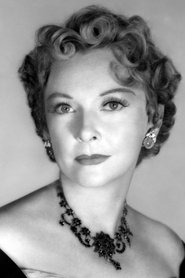 Dorothy StickneyMargaret Garrison
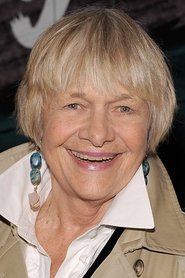 Estelle ParsonsAlice
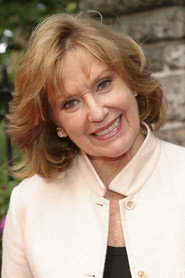 Elizabeth HubbardDr. Margaret 'Peggy' Thayer
- Lovelady PowellNorma
- Daniel KeyesDr. Mayberry
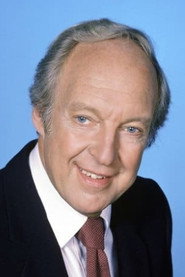 Conrad BainRev. Sam Pell
- Jon RichardsMarvin Scott
- Nikki CounselmanWaitress
- Carol Peterson1st Nurse
 Sloane Shelton2nd Nurse
Directing
- Stanley PanesoffAssistant Director
- Gilbert CatesDirector
- Renata StoiaScript Supervisor
- Allan WertheimSecond Assistant Director
Writing
- Robert AndersonScreenplay
- Robert AndersonTheatre Play
Production
- Gilbert CatesProducer
- George GoodmanProduction Manager
- Phillip M. GoldfarbUnit Manager