
Television series
Alfred Hitchcock Presents
Hitchcock's half-hour anthology turns crime and unease into a nightly parlour trick: a self-contained trap sprung on an ordinary person, wrapped in his own dry, faintly sadistic introductions and sign-offs. It's economical, ironic, and often nastier than 1950s television was supposed to be. Best taken one story at a time, like a good short-story collection, for anyone who enjoys a tidy plot with a sting in its tail.
If you liked this
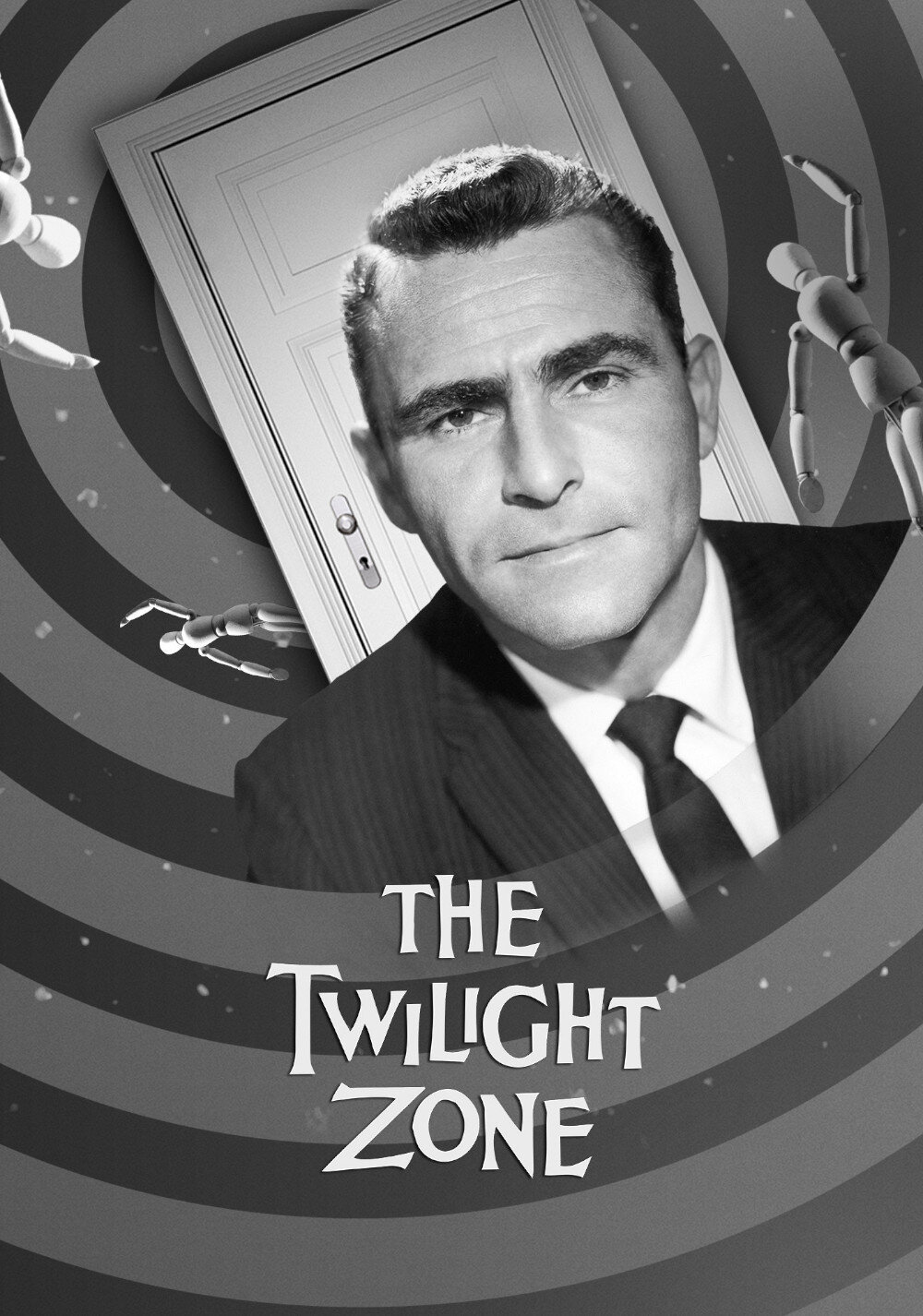
The Twilight Zone1959
Rod Serling's black-and-white anthology takes the same half-hour twist-ending formula and pushes it into science fiction and moral parable, with an unmistakable house style and some of television's most quoted closing lines.
But Serling's narration can tip into heavy-handed sermonising, and not every episode lands the twist as cleanly as the classics do.
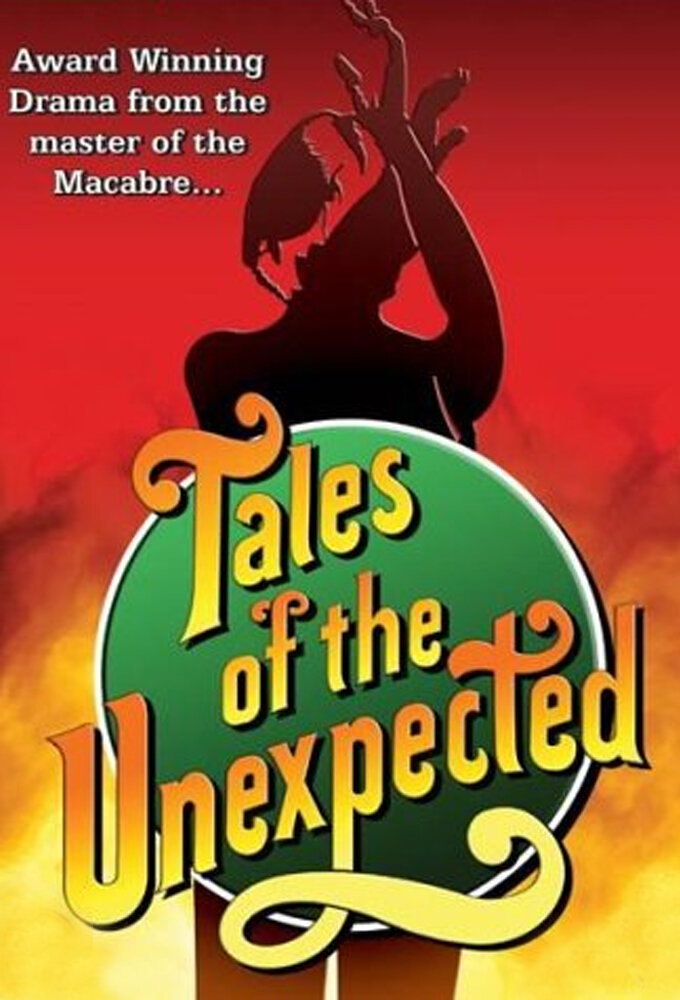
Tales of the Unexpected1979
Roald Dahl himself introduces these gleefully nasty half-hours, adapted from his own short stories and others', with the same cruel irony and comeuppance endings Hitchcock loved.
But Later seasons drop Dahl's involvement and get patchier, and some episodes show their age in pacing and production values.
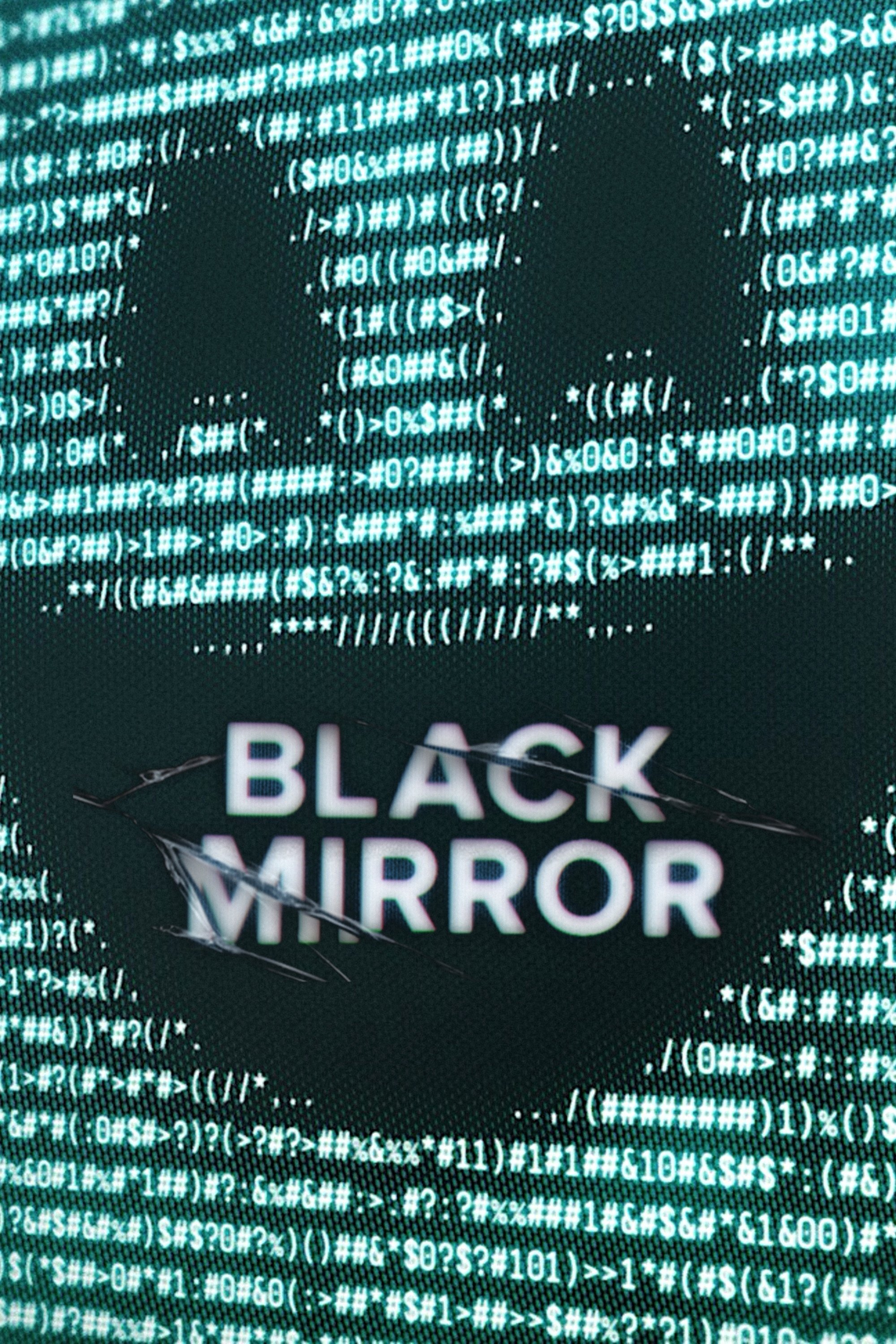
Black Mirror2011
Same anthology bones, same appetite for turning the screw on ordinary people, just aimed at smartphones and social media instead of blackmail and burglary.
But Episodes run much longer than Hitchcock's tight twenty-five minutes, and the tone is bleaker with far less of his wink to camera.
The wildcard
Something you would not have found on your own.
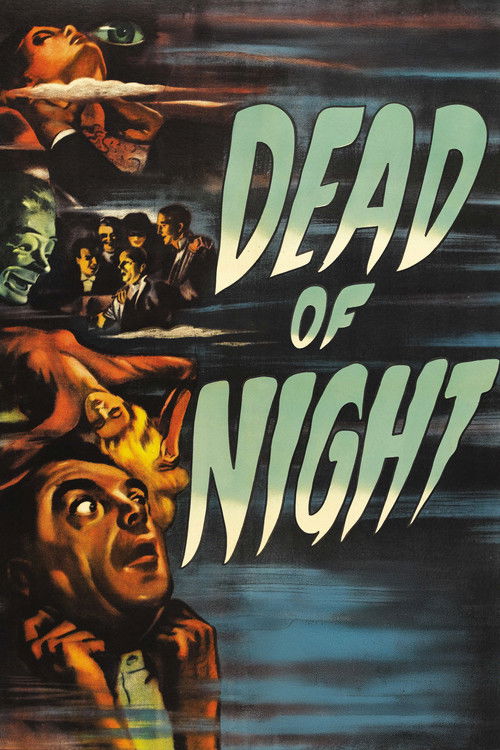
Dead of Night1945
This British portmanteau horror film is the direct ancestor of Hitchcock's anthology format, nested stories inside a framing device ending on one of cinema's most famous twist loops, made a full decade before Hitchcock brought the same structure to television.
Five ghost stories wrapped inside one architect's uncanny dinner party, building to a closing sequence so unsettling it's been imitated, and stolen, ever since.
But The pace is stately 1940s British cinema, and a couple of the five stories are noticeably weaker than the others, especially the comic one.
More like this (8)
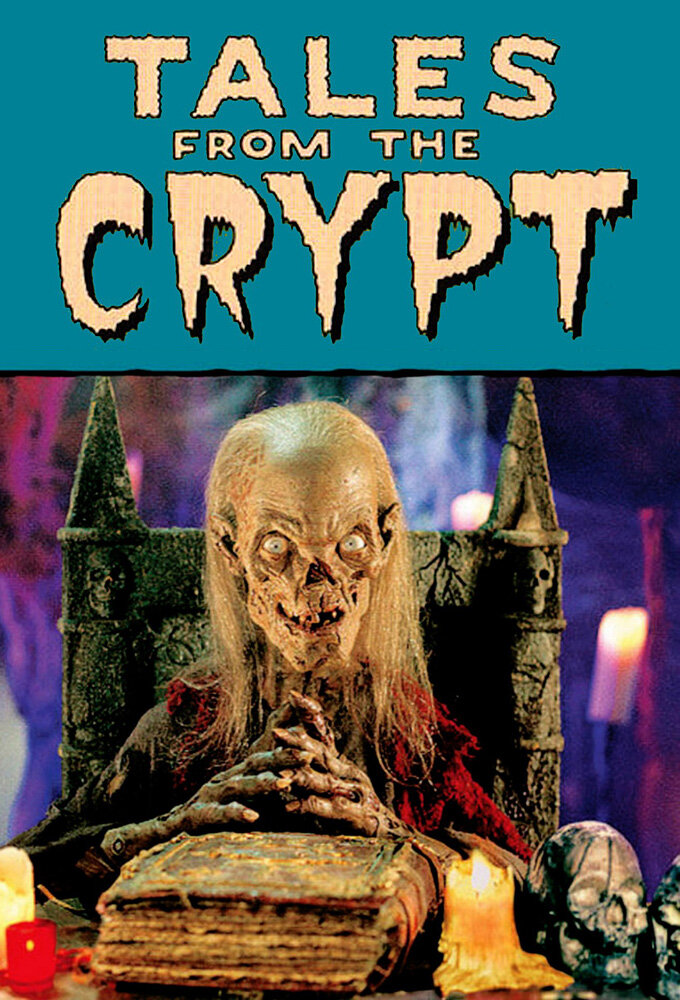
Tales from the Crypt1989
HBO's horror anthology keeps Hitchcock's fondness for moral comeuppance and a puckish on-screen host, just trades his dry wit for a cackling puppet and buckets of gore.
But The horror-comedy tone is broader and gorier than anything Hitchcock ever aired, closer to a splatter comic than a suspense thriller.
Night Gallery1969no page yet
Rod Serling's follow-up anthology leans further into horror and the supernatural, with the same painterly framing device and love of a story that ends badly for the wrong person.
But Quality swings wildly episode to episode, and it never quite matches Twilight Zone's consistency or Hitchcock's polish.
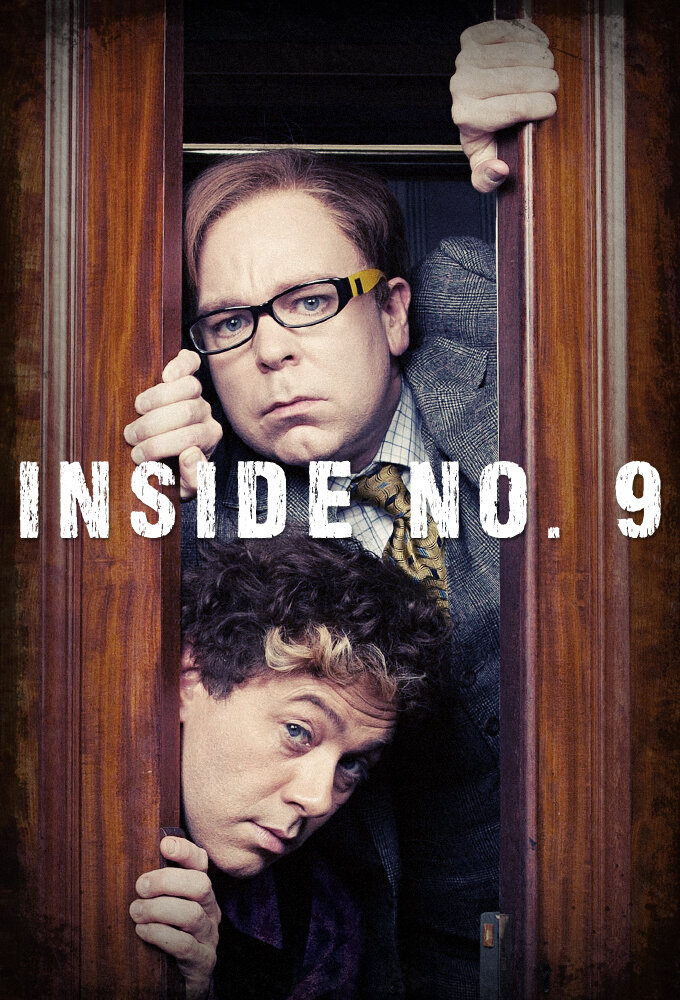
Inside No. 92014
British writers Steve Pemberton and Reece Shearsmith build a new self-contained nightmare every episode, with the same appetite for a rug-pull ending packed into a tight half hour.
But The humour is drier and stranger, and some episodes prize cleverness over the straightforward suspense Hitchcock specialised in.
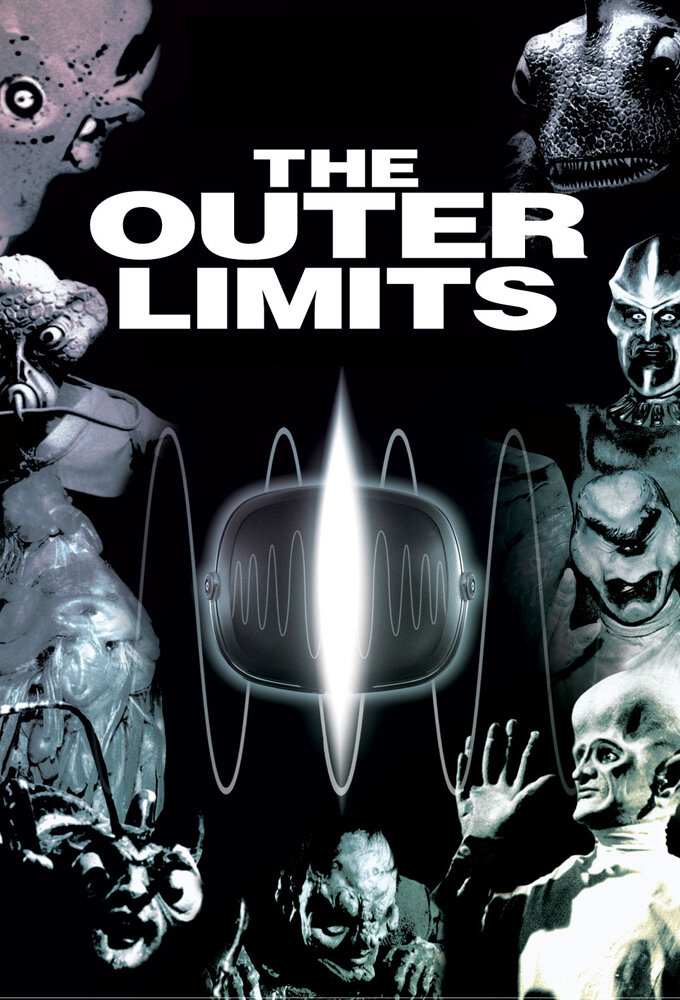
The Outer Limits1963
A darker, more paranoid sci-fi cousin to Twilight Zone, with the same anthology rhythm and a fondness for endings that reveal exactly how much trouble everyone's really in.
But The tone is more sombre and less playful than Hitchcock's show, without much of his dry humour to lighten things.
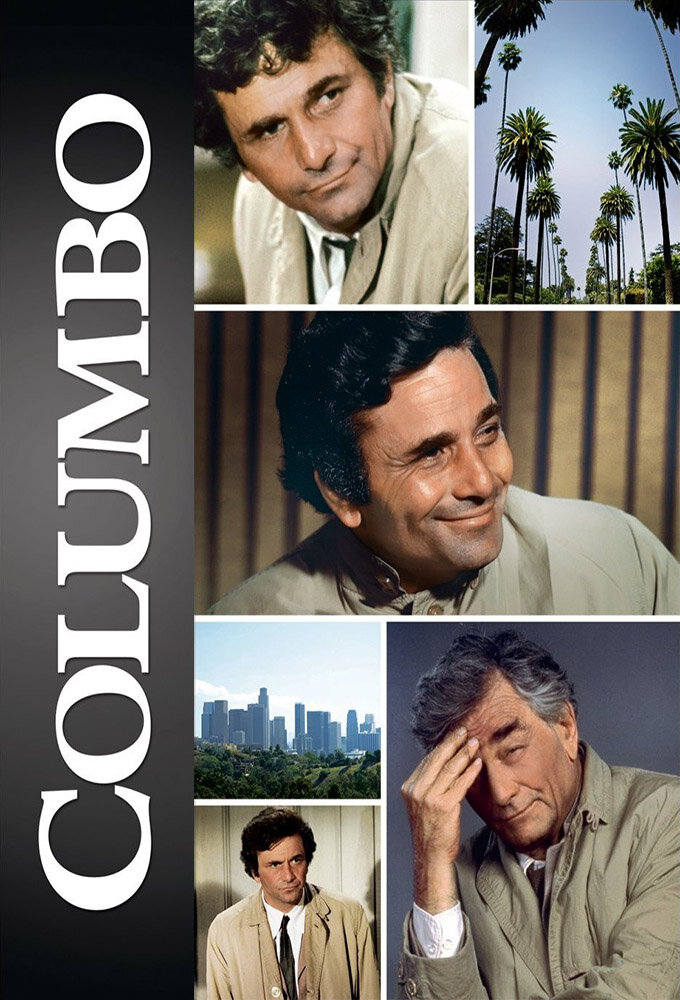
Columbo1968
Trades anthology twists for the inverted mystery, showing you the killer up front so the pleasure becomes watching a rumpled detective slowly close the trap, sharing Hitchcock's love of a clever mechanism.
But Episodes run seventy to ninety minutes, a different rhythm entirely from Hitchcock's tight half hours, and there's no anthology variety, it's the same detective every week.
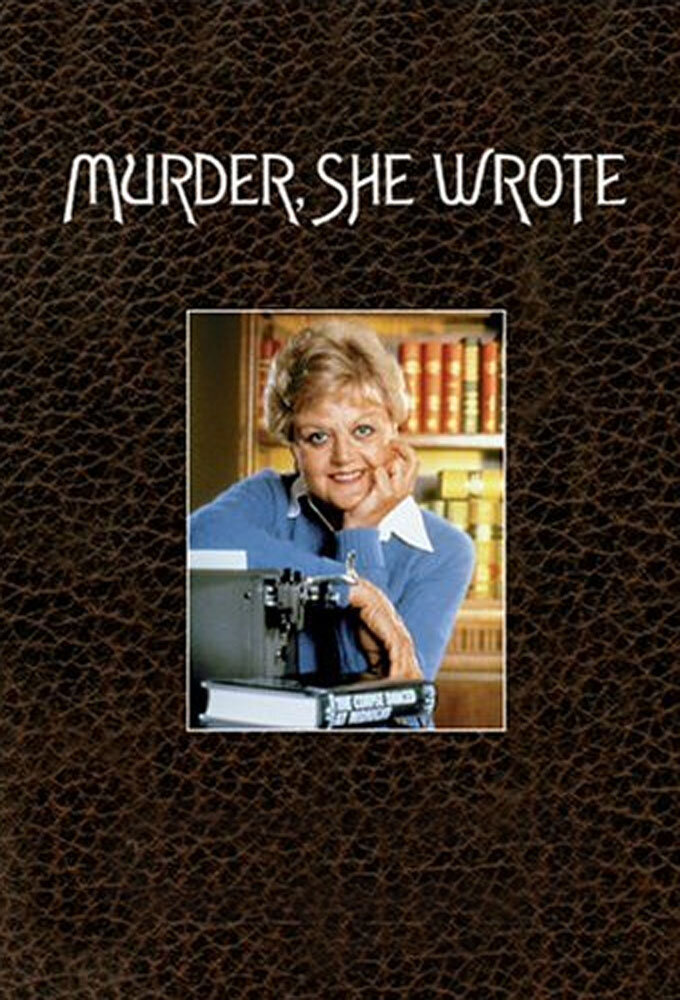
Murder, She Wrote1984
A cosier, gentler descendant, weekly whodunits with a sharp amateur sleuth solving murders in a town with an improbable body count, comfort viewing built on the same crime-puzzle bones.
But It's far softer and less sinister than Hitchcock ever was, more armchair puzzle than suspense thriller.
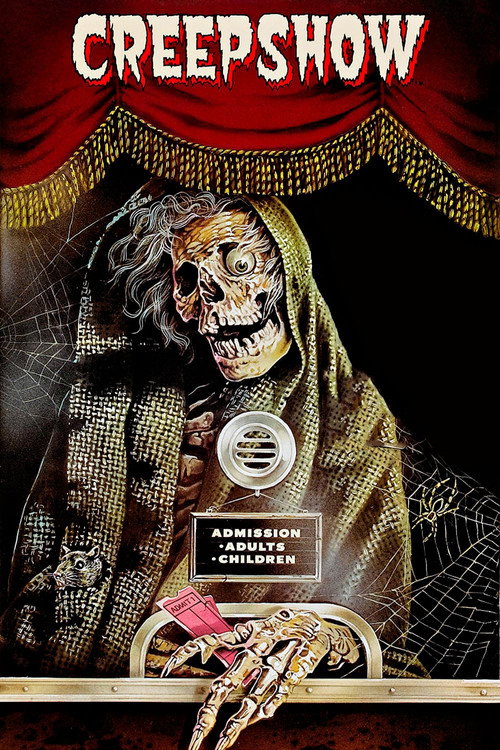
Creepshow1982
Same comeuppance-story DNA and love of a host figure setting up the joke, but shot through with the EC Comics gore and cartoon glee that Hitchcock's show always kept at arm's length, it's what happens when the same formula stops being polite.
George Romero and Stephen King turn the comeuppance-anthology formula into full comic-book garishness, with a game cast having a ball and E.G. Marshall's cockroach nightmare alone worth the price of admission.
But It's gleefully gory and campy where Hitchcock was restrained and suggestive, so anyone hoping for elegance will find this a lot cruder.
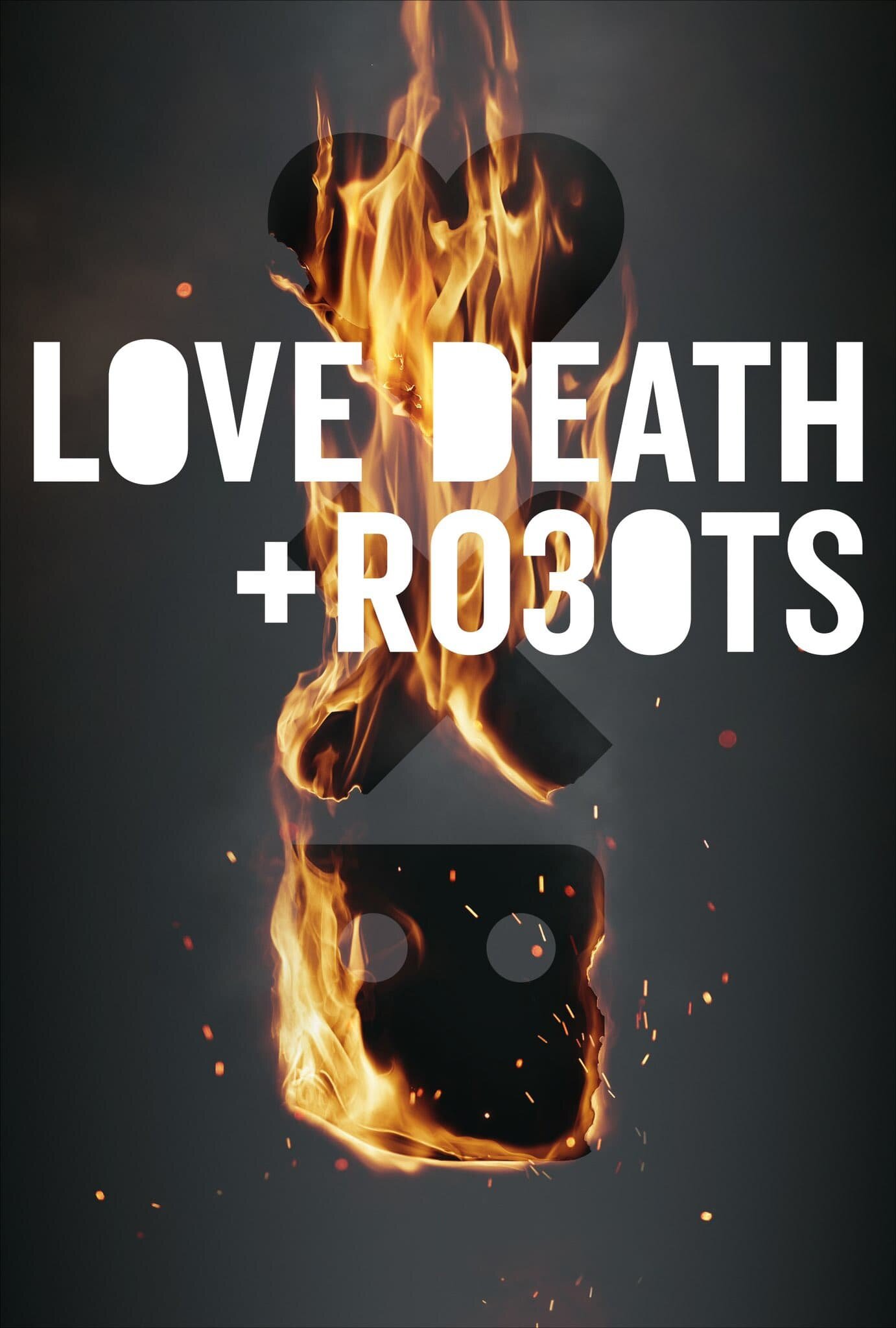
Love, Death & Robots2019
Same anthology promise, no continuing characters, no continuing rules, just a fresh gut-punch every episode, reinvented for streaming as adult animation, swapping Hitchcock's dry monologues for wildly different art styles and a sci-fi horror bent.
Each episode is a different animation studio doing whatever it wants in under twenty minutes, ranging from grim sci-fi parables to jet-black jokes, with genuinely startling variety from one story to the next.
But No host, no unifying voice, and the tone lurches wildly between shorts, with gratuitous violence and nudity in several episodes that some will find crude rather than clever.
People
Cast
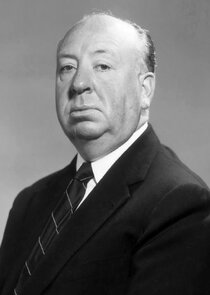 Alfred HitchcockHost
Directing
- Ben BishopAssistant Director
- Hilton A. GreenAssistant Director
- Jack CorrickAssistant Director
- James HoganAssistant Director
- Richard BirnieAssistant Director
Writing
- Alfred HitchcockCreator
Production
- Joan HarrisonAssociate Producer
- Norman LloydAssociate Producer
- Alfred HitchcockExecutive Producer
- Joan HarrisonProducer
Recommended by
Black Mirror, Tales of the Unexpected, Goodyear Television Playhouse, Producers' Showcase, Robert Montgomery Presents