Television series
Fireside Theatre
- Drama
- Dip in and out
Fireside Theatre was television's first successful filmed anthology series, airing live dramas on NBC from 1949. Each half-hour episode told a self-contained story, from domestic comedies to minor mysteries. It's the show that proved you could produce drama cheaply on film rather than live, changing how TV was made forever. Essential viewing for anyone curious about where modern television actually began.
Should you watch it?
Watch it if you enjoy old-fashioned anthology drama where each half hour is a self-contained story, and you're curious how early television found its footing before it had any rules to follow.
Skip it if you want sustained story arcs or modern polish, because these are brief, self-contained half-hours with the static, stagey look of early studio filmmaking.
What it asks of you: Half an hour per episode with little carry-over, so you can dip in and out, though expect an unhurried rhythm and a picture plainly of its era.
Not sure? Find tonight's pick in a minute.
If you liked this
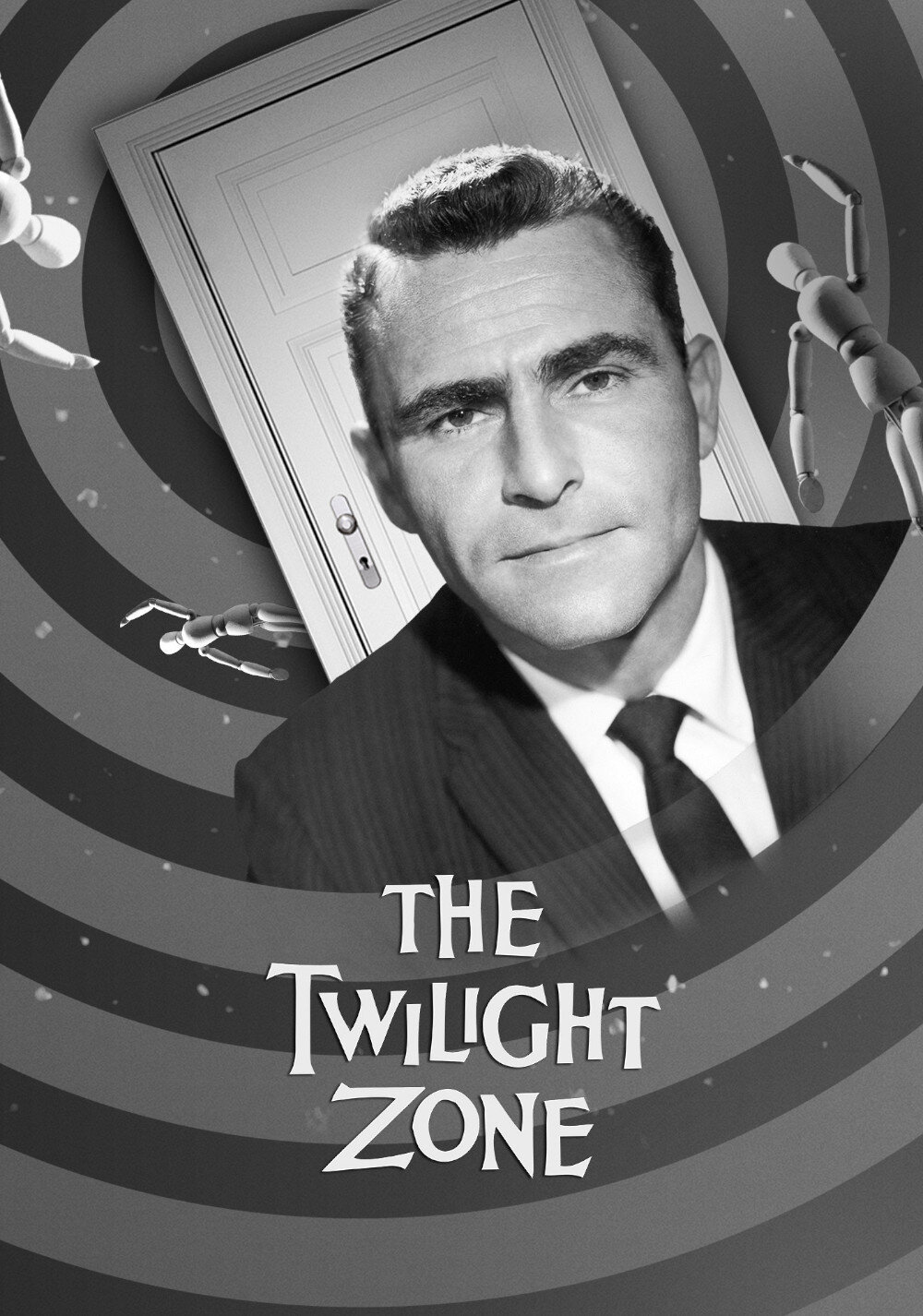
The Twilight Zone1959
Rod Serling's masterpiece perfected the anthology format Fireside Theatre pioneered, delivering perfect three-act stories with philosophical weight and genuine surprises. The writing is sharper and the production values immeasurably higher.
But The show's fame means you've likely seen half of it already. Some episodes haven't aged as gracefully as others, and the moralizing can feel dated.
Alfred Hitchcock Presents1955
Taut, clever half-hour thrillers hosted by Hitchcock himself. This is what the anthology format looks like when you have a singular vision and a master craftsman running the show. Compulsively watchable.
But The stories are often slight—this is Hitchcock showing off technique rather than exploring character. Some feel like sketches stretched to fill time.
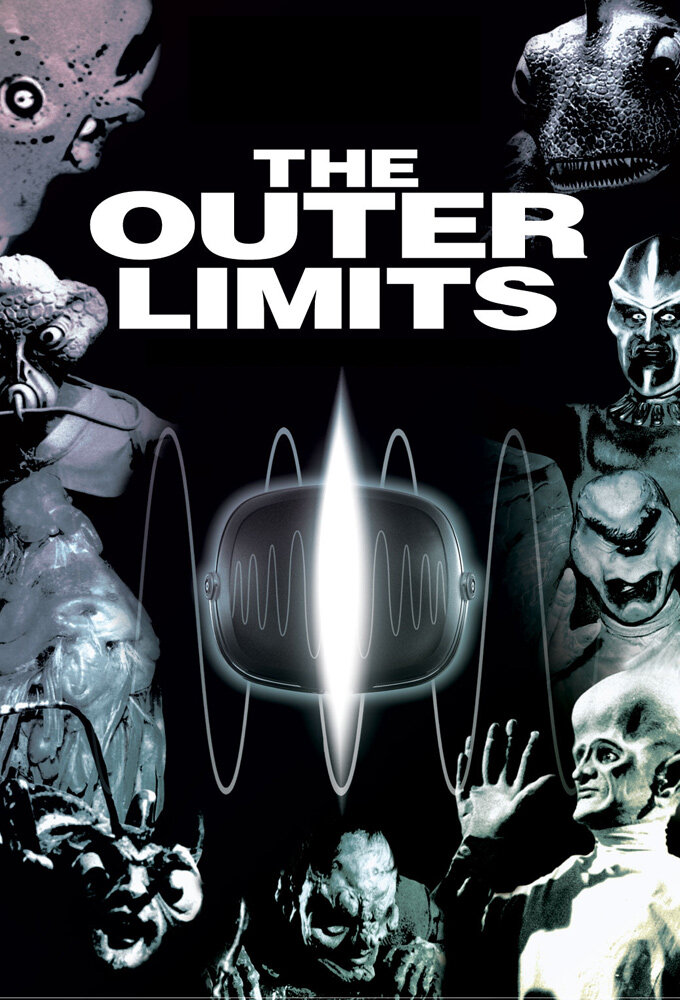
The Outer Limits1963
Science fiction anthology with a harder edge than Twilight Zone, featuring imaginative creature design and stories that prioritize atmosphere over moralizing. Those alien sets are genuinely unsettling.
But The budget constraints show badly in some episodes. Stories can be thin, and the acting is occasionally amateurish. Not every episode justifies its runtime.
Not sure tonight? Get a pick in a minute, starting from Fireside Theatre
The wildcard
Something you would not have found on your own.
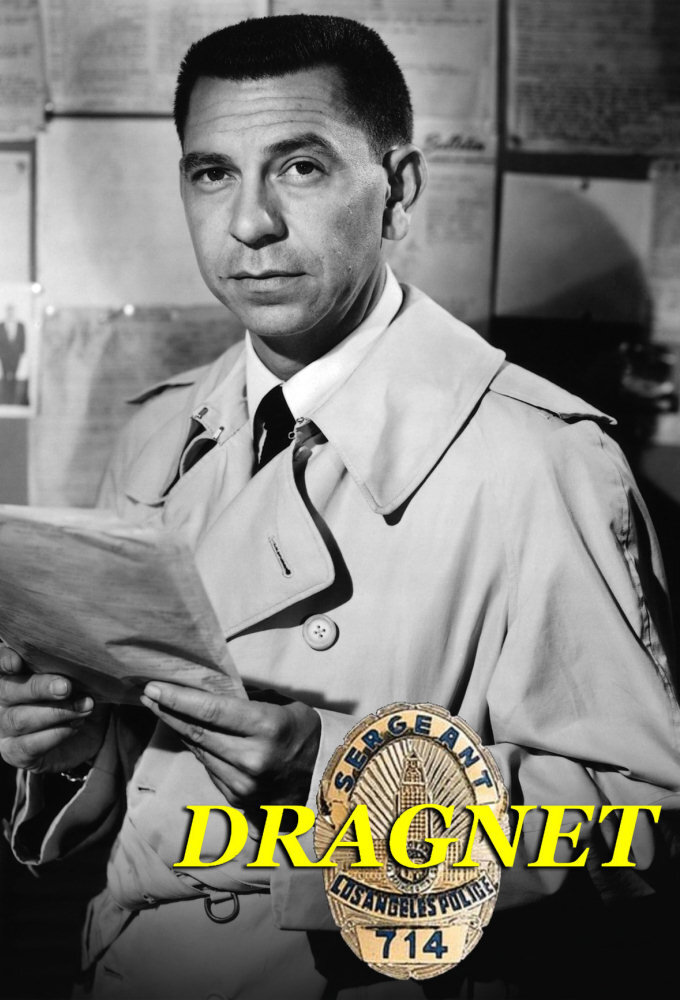
Dragnet1951
Both trust the anthology form to sustain repetition. Dragnet proved you could tell dozens of stories in one voice and structure without fatigue; Fireside Theatre was discovering the form could work at all.
Jack Webb's procedural anthology: every episode the same structure, same tone, same obsession with accuracy and documentation. It's repetitive by design, and that repetition becomes hypnotic. The flatness is the point.
But Nothing changes. Ever. The monotone narration and rigid format feel more like watching a system than watching drama. There's almost no character work. Some find it actively boring.
More like this (5)
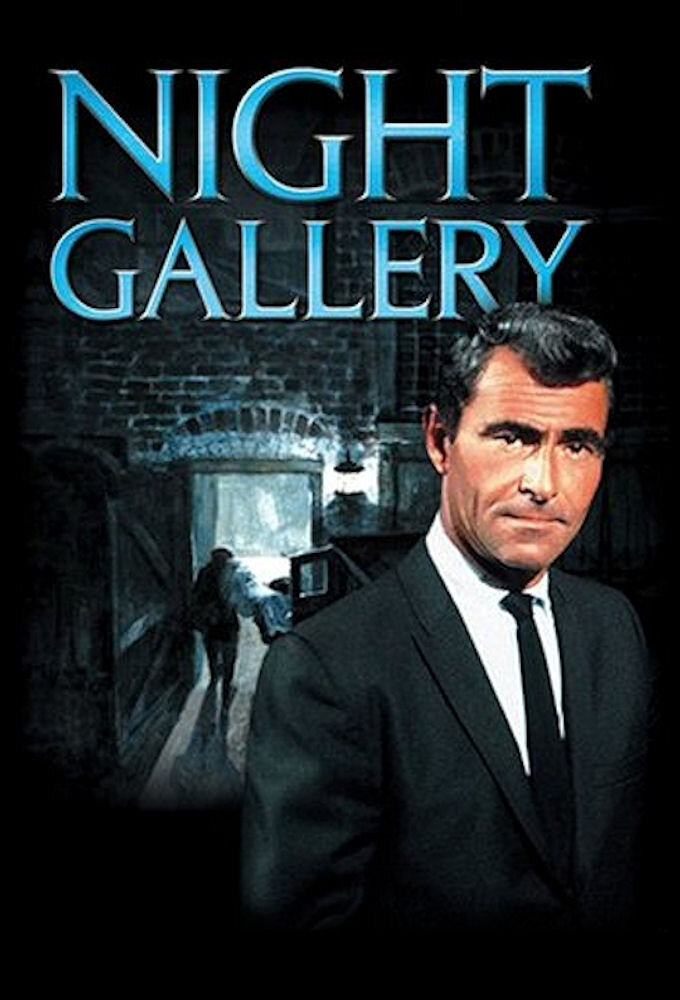
Night Gallery1969
Rod Serling's follow-up to Twilight Zone, darker and weirder, mixing horror with art-world pretension. It's visually ambitious in ways anthology TV rarely attempted, almost painterly.
But Unevenness is the enemy here—some episodes are genuinely disturbing, others are risible. The framing device wears thin fast, and some stories feel padded.
The Incredible Hulk1977
Each episode follows the same template but mines it for genuine drama: Bill Bixby as a haunted man, the Hulk as unstoppable consequence. It's anthology storytelling dressed as serialized drama, and it works.
But The format becomes repetitive by design. Action sequences are cheap and unconvincing. You're watching the same episode nine times, just with different guest actors.
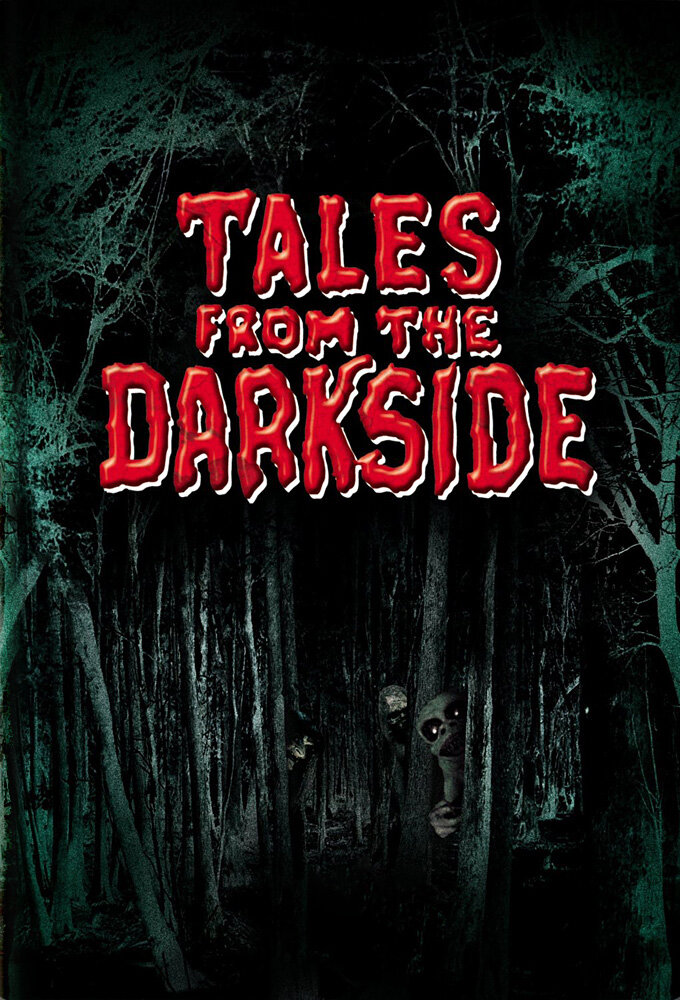
Tales from the Darkside1984
Scrappy, darkly funny horror anthology that understands the form's real strength: the twist ending. Low-budget but imaginative, and genuinely creepy in short bursts.
But The budget is visible in every frame. Writing quality varies enormously—some stories are clever, others are derivative or silly. Acting is often very bad.
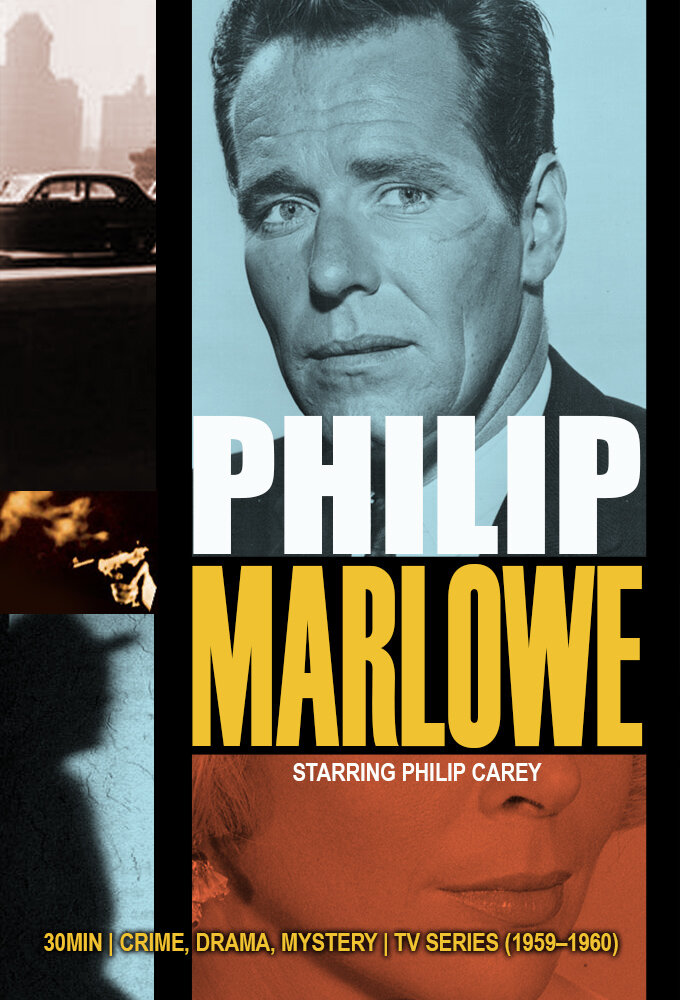
Philip Marlowe1959
A half-hour mystery anthology with genuine noir atmosphere and tight scripts. It shows the format working at a professional level with genre clarity and style to spare.
But It's largely forgotten for good reason—formulaic and occasionally tedious. The cases resolve too neatly. Watching many episodes in a row reveals how thin the plots actually are.
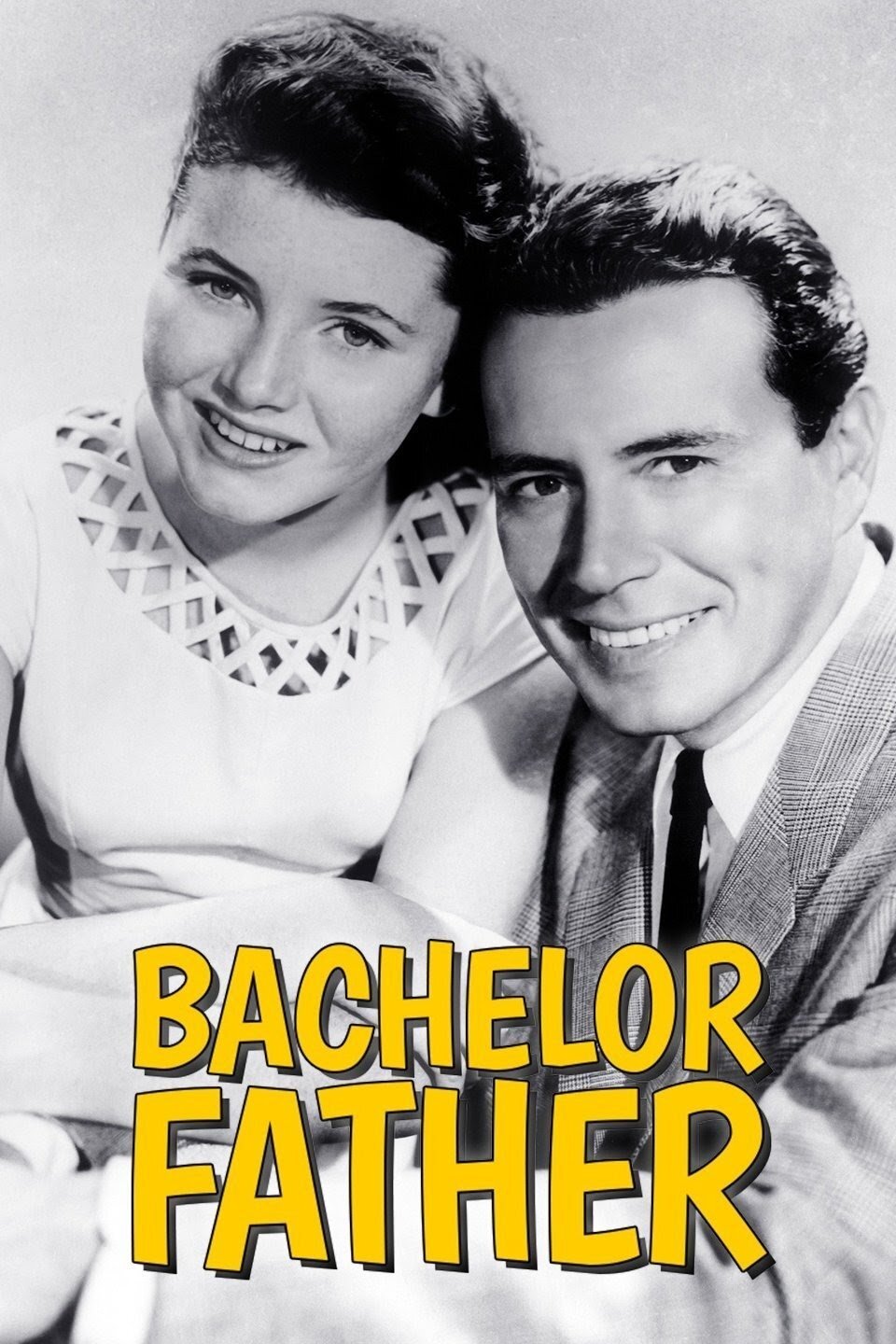
Bachelor Father1957
Same form, different genre. Where Fireside Theatre used anthology for drama, this used it for sitcom. Both show the format is neutral—the story lives in what you put inside it.
A sitcom that actually functions as an anthology: every episode a self-contained domestic comedy about a guardian and his ward. It's lightweight and warm, proving that comedy could inherit the form Fireside Theatre pioneered.
But It's pure comfort-food television with almost no edge. The humor is gentle to the point of blandness. Modern viewers often find it saccharine and assume it's worse than it is.