
Television series
Philip Marlowe
- Film noir
- Detective mystery
- Dip in and out
A crisp half-hour adaptation of Raymond Chandler's most famous detective, with Philip Carey as Marlowe navigating 1950s Los Angeles corruption. Each episode is a self-contained case—tight, cynical, built for weekly television but faithful to Chandler's moral world. For fans of classical noir who want their mysteries quick and their dialogue sharp.
Should you watch it?
Watch it if you like detective stories built on sardonic narration and smoky, morally tired atmosphere, the kind of noir where the dialogue does more work than the plot twists.
Skip it if you need fast pacing or modern visual energy; this 1959 black-and-white-era half-hour moves at a talky, unhurried clip and leans on a single lead's voice.
What it asks of you: Thirty minutes per episode, twenty-six of them in one season, so it is brief per sitting, but you will need to sit with slow scenes and listen closely rather than skim.
Not sure? Find tonight's pick in a minute.
If you liked this
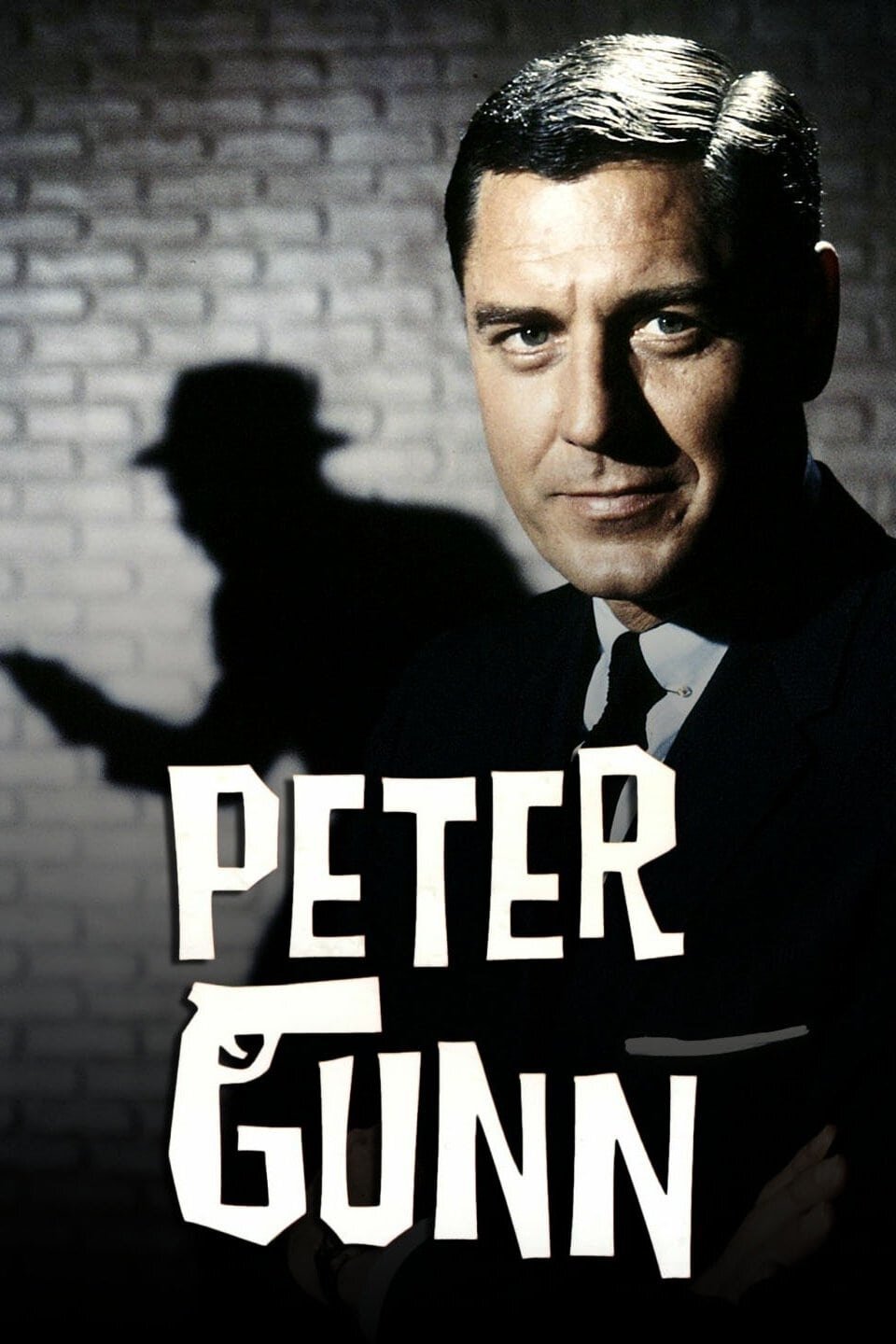
Peter Gunn1958
Henry Mancini's jazz-scored detective series has the same cool detachment and moral clarity. Each case is a tight puzzle, but the real draw is the atmosphere—this is what the fifties thought sophisticated looked like.
But Thirty minutes per episode can feel claustrophobic if you're used to modern procedurals with room to breathe. The formula repeats.
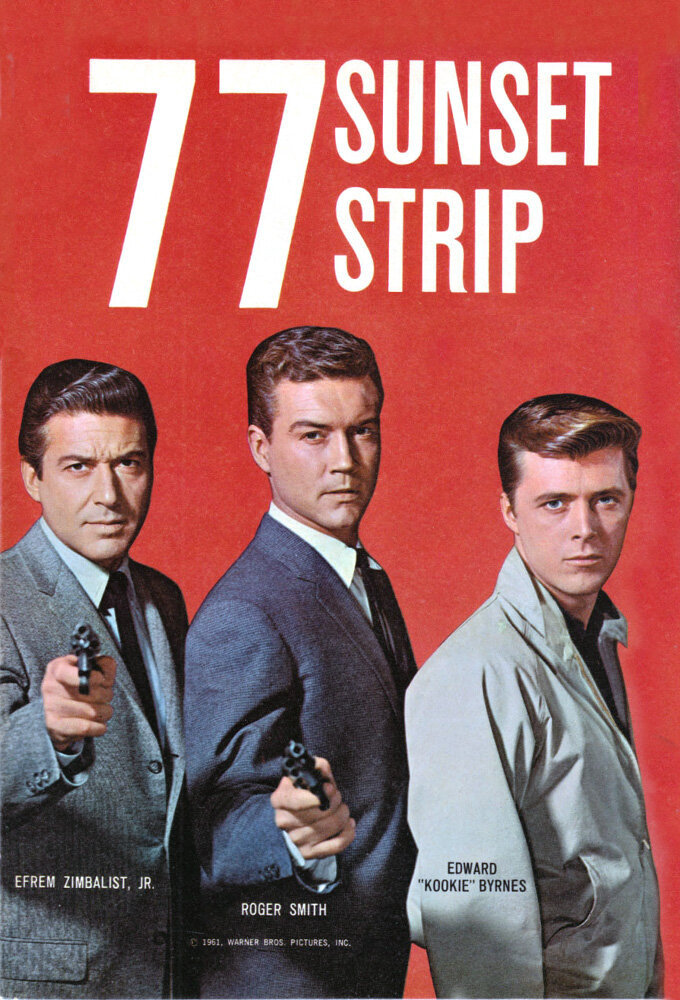
77 Sunset Strip1958
Efren Zimbalist Jr. as a private investigator in Hollywood, with the same Gen-X weariness about American corruption dressed in fifties clothes. Stylish, cynical, and structured like Marlowe's cases—one mystery per half-hour.
But It's airier and less hard-boiled than Marlowe; the tone drifts toward adventure series rather than true noir. Some find that softness unbearable.
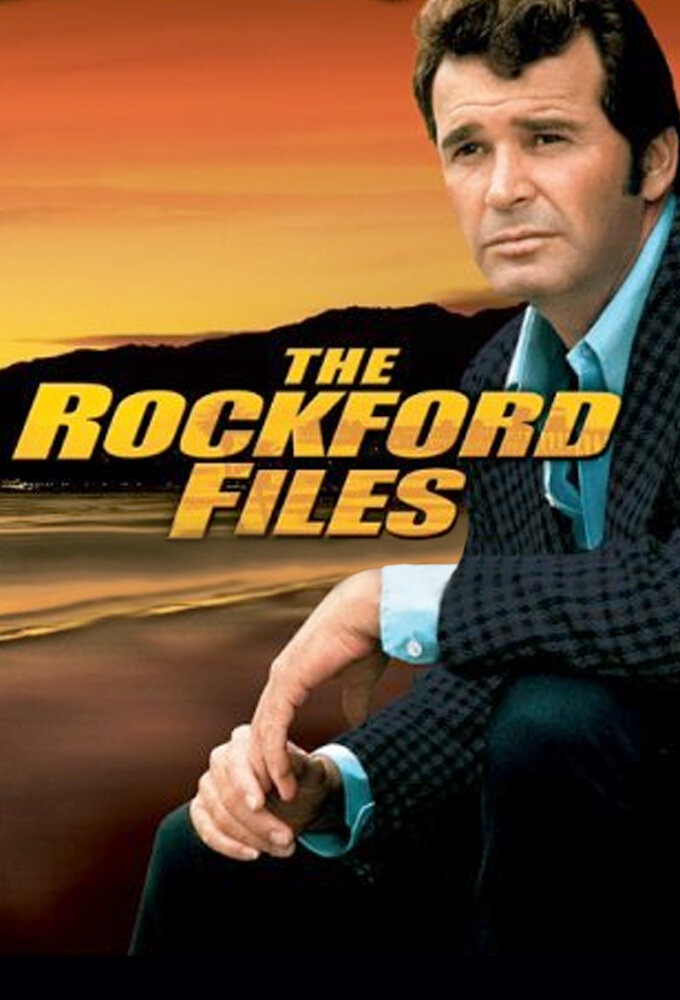
The Rockford Files1974
James Garner as a modern private detective cut from the same cloth as Marlowe—broke, principled, and perpetually entangled with the wrong people. Smarter and funnier than Marlowe, but operating in the exact same moral landscape.
But Fifteen years separate them; Rockford is glossier and less interested in pure corruption. If you want authentic fifties noir, this feels contemporary in a way that softens the edge.
Not sure tonight? Get a pick in a minute, starting from Philip Marlowe
The wildcard
Something you would not have found on your own.
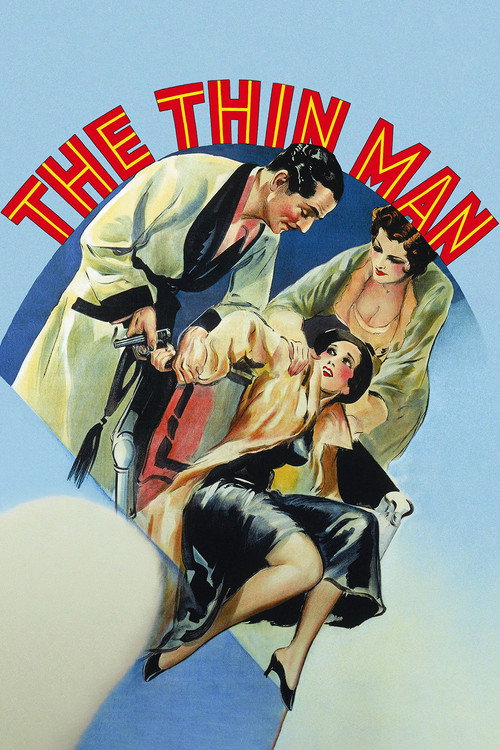
The Thin Man1934
Both are about detectives using their wits to navigate moral ambiguity, but Thin Man finds connection and meaning in the process; Marlowe suspects that's a luxury he won't get.
Powell and Loy as a married detective couple solving cases with wit, booze, and affection. It's mystery solved by intelligence and chemistry, not cynicism. The dialogue is sharp as Chandler's, but the moral universe is warmer—and that makes it surprising.
But It's fundamentally optimistic about human nature and marriage in ways that feel almost alien next to Marlowe's worldview. The tone is too light for noir purists.
More like this (8)
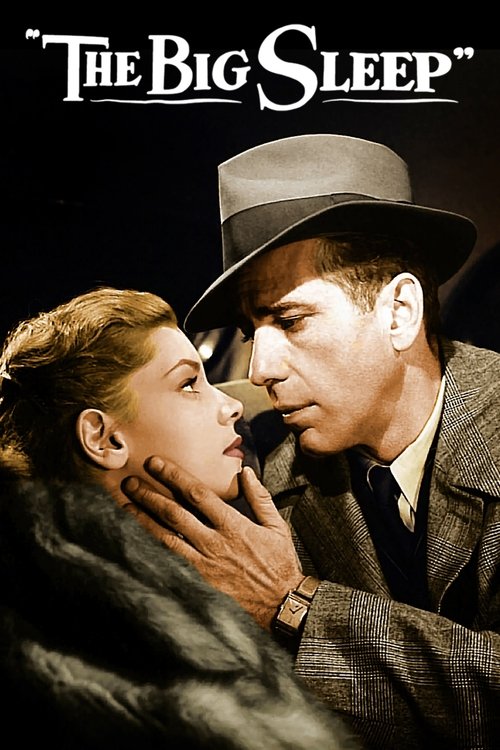
The Big Sleep1946
Chandler's source material brought to screen by Hawks with Bogart and Bacall. This is what Marlowe lives inside—the prose style and moral universe made visible. Essential context for understanding what the TV series inherits.
But The plot is notoriously difficult to follow. Chandler himself couldn't explain it coherently. Some viewers find that labyrinthine quality exhausting rather than atmospheric.
The Asphalt Jungle1950
Huston's heist film is proto-noir, with the same fatalistic view of a city where corruption is structural, not exceptional. Every character is complicit. The DNA of Marlowe's world is visible here.
But It's slower-paced than a TV episode and deeply pessimistic in ways that can feel relentless. There's no real victory, only varying degrees of loss.

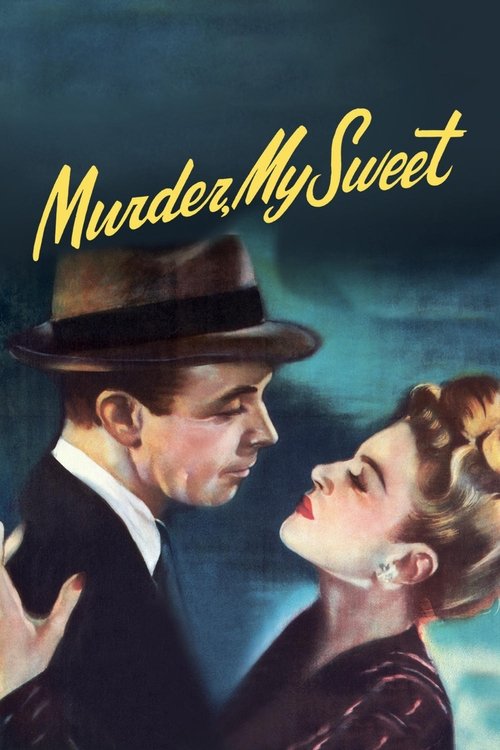
Murder, My Sweet1944
Powell as a private detective in Chandler's universe—cynical, capable, and constantly surprised by how low humanity will sink. The visual style and moral tone are Marlowe's direct ancestors.
But It's long and dense for viewers expecting the tighter structure of TV. The plot takes time to unfold, and if you're impatient with setup, it will try you.
The Killers1946
Siodmak's economical masterpiece about a contract killer. Like Marlowe, it's interested in the moral geometry of a corrupt city—how people fall into the machinery. The atmosphere is pure noir despair.
But It's bleak without relief. There's no humor here, no warmth. If you need a character to root for, this will disappoint you.

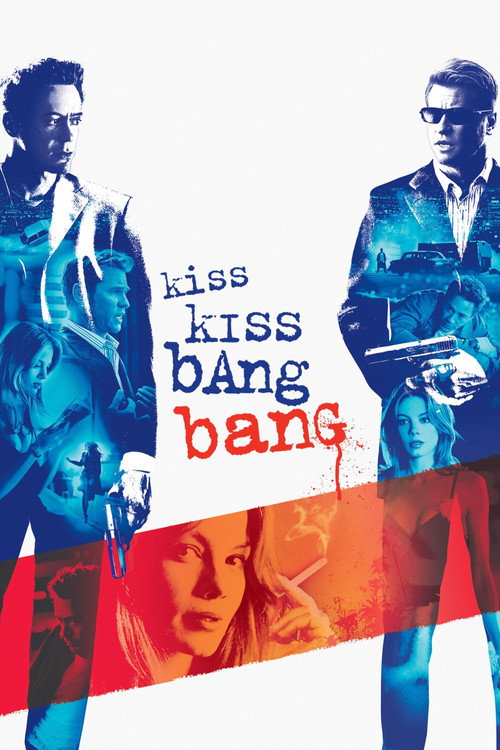
Kiss Kiss Bang Bang2005
Shane Black's love letter to Raymond Chandler and fifties Los Angeles. It's brash and modern, but structurally and morally it's operating in Marlowe's world—corruption, bad luck, and characters who are smarter than the system.
But It's loud and self-conscious in a way that Marlowe would never be. The postmodern winking can feel exhausting if you prefer subtlety.
In a Lonely Place1950
Bogart as a screenwriter suspected of murder—not quite a detective story, but it shares Marlowe's fascination with suspicion, isolation, and the fragility of innocence in a corrupt world. Ray's direction is superb.
But It's psychologically dark and romantic in ways that can feel at odds with each other. The ending is ambiguous in a way some find unsatisfying.

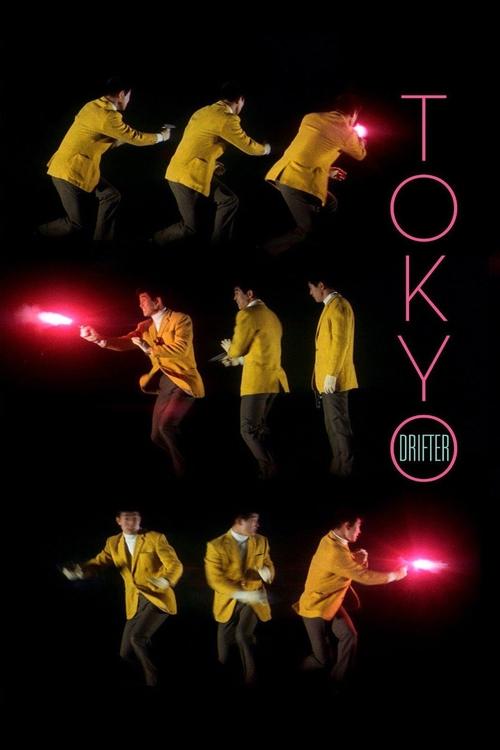
Tokyo Drifter1966
Both privilege the detective's code and isolation as they navigate hierarchical criminal systems, but Marlowe operates in a world of moral ambiguity while Drifter exists almost entirely in visual abstraction.
Seijun Suzuki's yakuza noir in Day-Glo and pastels—structurally identical to Marlowe (a man moving through a criminal underworld, solving a case), but filtered through Japanese aesthetics and a visual style that treats the genre as pure style, pure surface.
But It's mannered in a way that works against emotional engagement. The artifice is the point, which means you have to surrender to pure form rather than character.
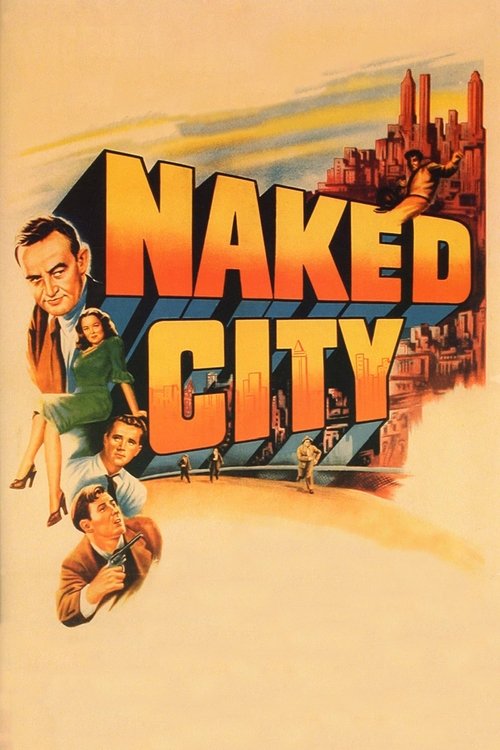
The Naked City1948
Both Marlowe and this film understand that a detective story is ultimately about a city—how corruption works, who pays for it, who survives—but Marlowe uses it to explore moral clarity while Naked City uses it to show how structure itself is the crime.
Jules Dassin's procedural about a detective solving a murder in New York. Filmed on location with documentary realism, it has the same case-solving structure as Marlowe but grounds it in specific geography and working-class detail. A city as corrupted character, not backdrop.
But The realism is unglamorous and the pacing is deliberate. If you want noir as style and atmosphere, this trades that for authenticity and weight.
People
Cast
Writing
- Raymond ChandlerCreator