
Television series
Peter Gunn
- Film noir
- Detective mystery
- Dip in and out
Peter Gunn is a sleek private-eye series from 1958 where style matters as much as substance. Craig Stevens plays a detective who navigates noir crime with unflappable cool, backed by Henry Mancini's jazzy, iconic score. It's snappy, atmospheric, and endlessly rewatchable—a show that defined what cool looked like on television and influenced everything that came after.
Should you watch it?
Watch it if you love crisp, stylish detective TV where the jazz score, the snappy patter and a hero who never breaks a sweat matter as much as the case itself.
Skip it if you need serialized plotting or a gritty, morally tangled hero, since each half-hour case is self-contained and Gunn stays coolly unflappable throughout.
What it asks of you: Each episode runs about thirty minutes, so it rewards short sittings, and its pace is brisk and talky rather than slow-burning, with the mood carried by style more than by suspense.
Not sure? Find tonight's pick in a minute.
If you liked this
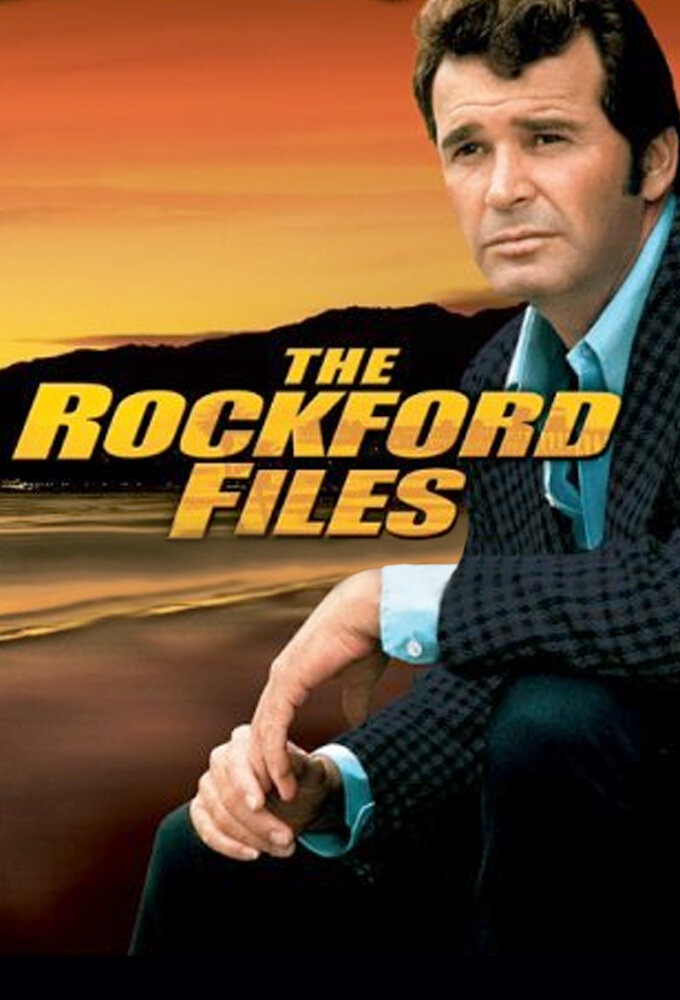
The Rockford Files1974
James Garner's Jim Rockford carries the torch: a shrewd private detective with charm, humor, and genuine warmth beneath the tough exterior. Modern, grittier, but spiritually descended from Gunn's template.
But Later seasons lose focus, and the tone can shift unevenly between comedy and genuine danger. Some episodes feel padded for the hour-long format.
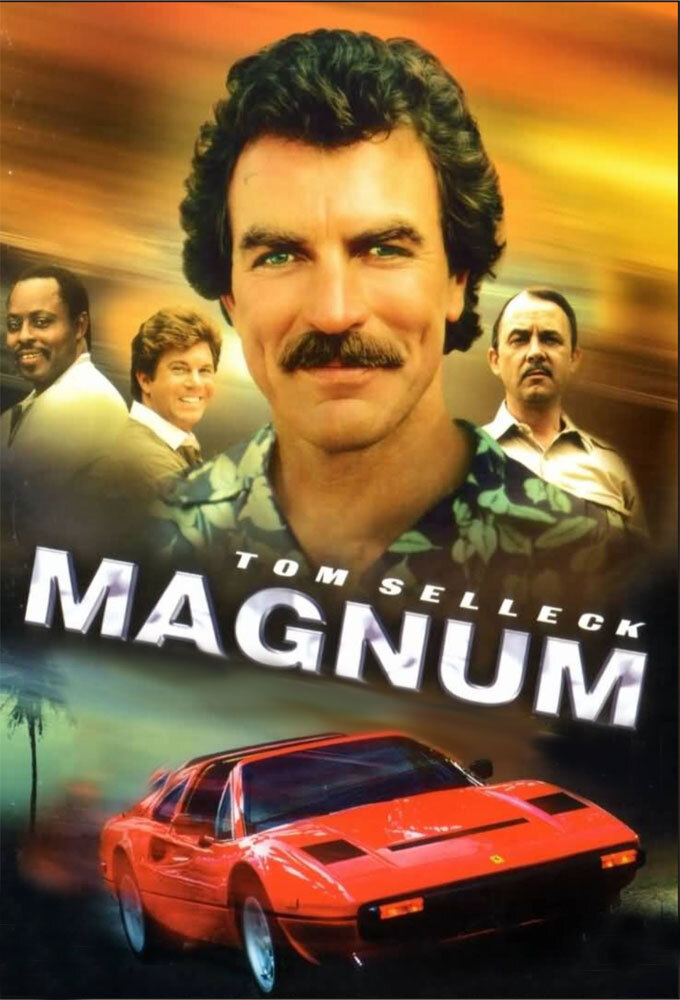
Magnum, P.I.1980
Tom Selleck as Thomas Magnum: style, humor, and competence in perfect balance. The show understands that a detective series works best when the lead is someone you'd want to spend time with, which Gunn perfected.
But Eighties production values and some dated attitudes can pull you out. It's lighter and more comedic than Gunn, which some find dilutes the tension.
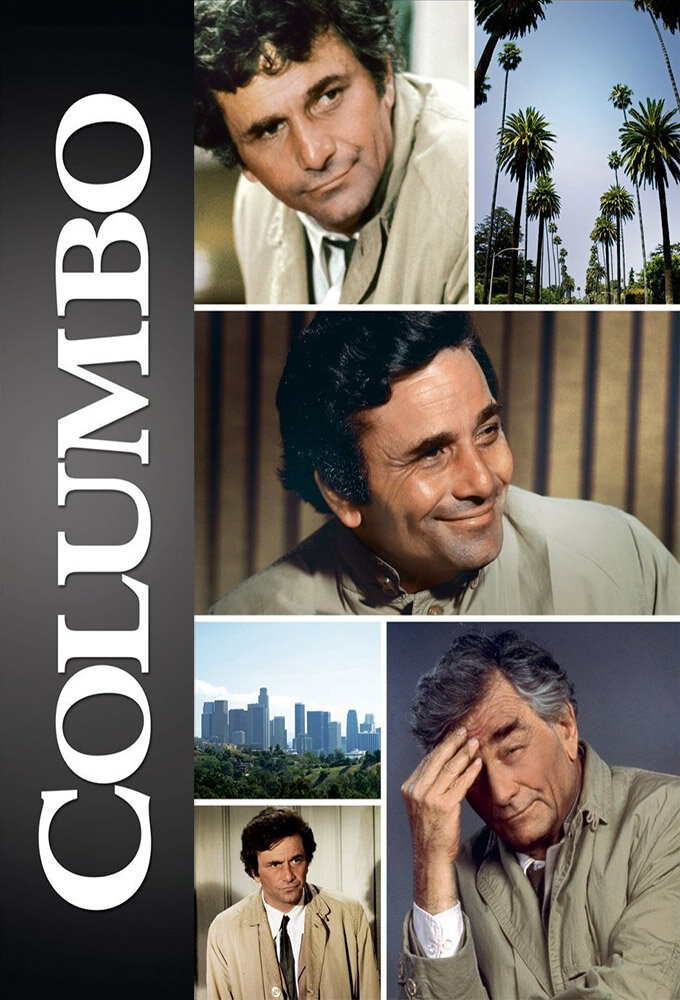
Columbo1968
Peter Falk's rumpled detective is the anti-Gunn—shabby, uncertain, appearing foolish—yet he shares the same DNA: a character whose intelligence and intuition matter more than flash. Brilliantly written mysteries.
But The premise is inverted (you know the killer from the start), which removes the detective-story suspense some viewers crave. Pacing can be glacial.
Not sure tonight? Get a pick in a minute, starting from Peter Gunn
The wildcard
Something you would not have found on your own.
In a Lonely Place1950
Both center on detectives whose authority and competence are their professional armor, but In a Lonely Place asks: what if that armor is all there is? It's Gunn's shadow self.
Humphrey Bogart plays a volatile detective investigating a woman's murder while being investigated himself. A dark, psychologically astute noir that shares Gunn's detective setting but inverts its cool—showing what happens when a man's charm masks something rotten underneath.
But This is real noir darkness: paranoia, misogyny, the corrosiveness of suspicion. It's a beautiful, devastating film, not entertainment in the way Gunn is. The violence is emotional rather than physical, which some find less gripping.

More like this (8)
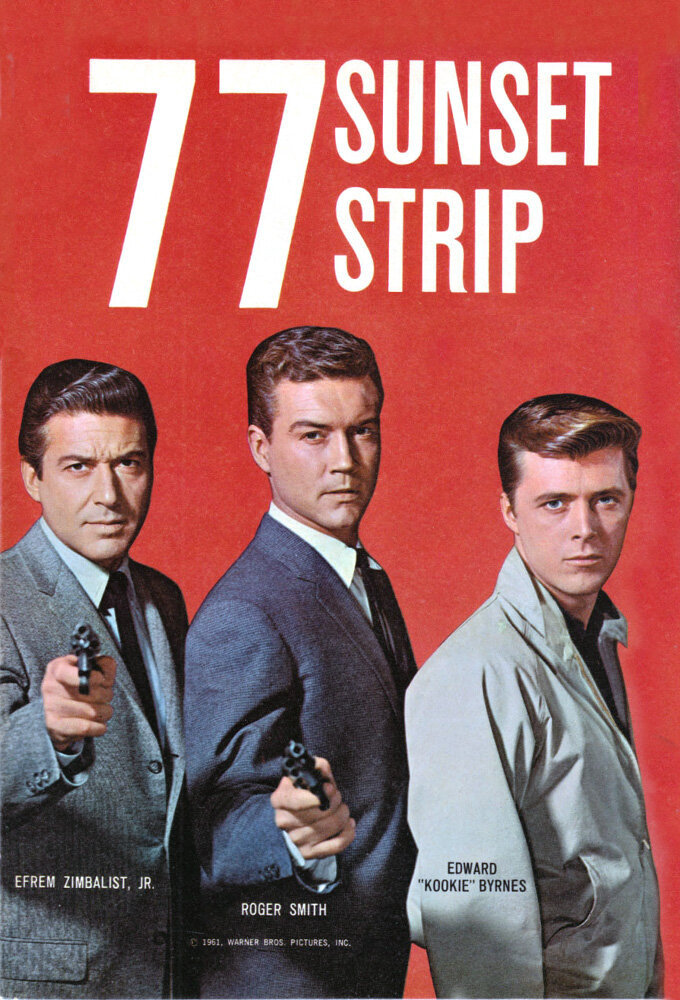
77 Sunset Strip1958
Gunn's exact contemporary, equally stylish and jazzy. Two detectives operating out of a Hollywood office, navigating crime with wit and flair. A fascinating mirror to see what worked about the formula.
But Episodic to a fault; stories don't build or surprise. Some episodes are forgettable, and the show hasn't aged as well as Gunn's tighter storytelling.
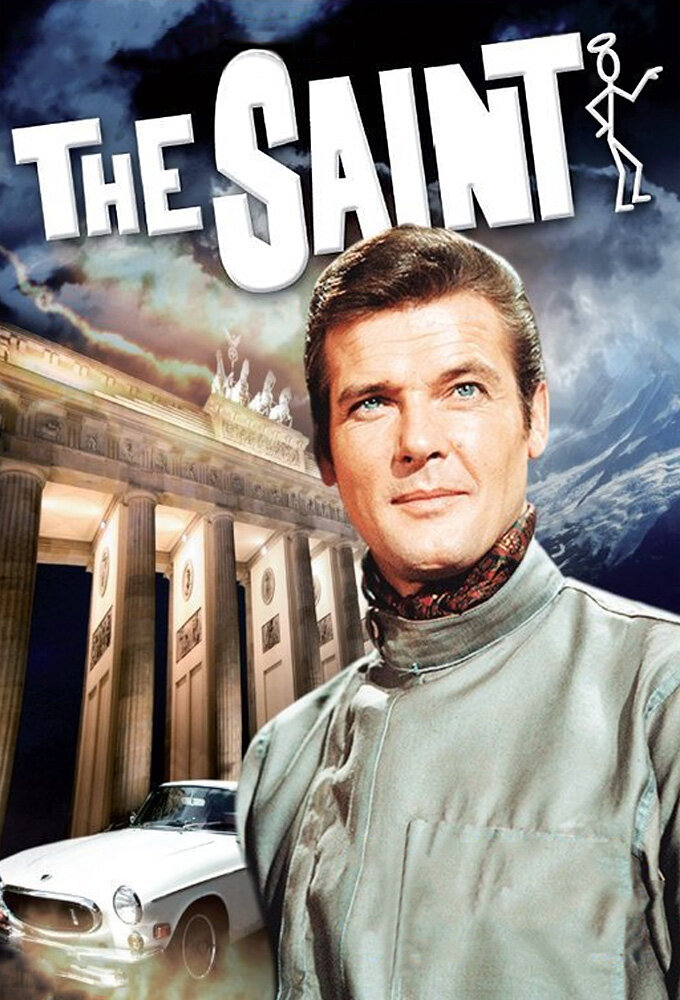
The Saint1962
Roger Moore as Simon Templar, a charming rogue solving crimes with style and panache. Same DNA as Gunn—cool, immaculately dressed, unflappable—but with more humor and a lighter touch.
But The show prioritizes charm over substance; mysteries are often predictable. Moore's charisma carries it more than the actual plots do.
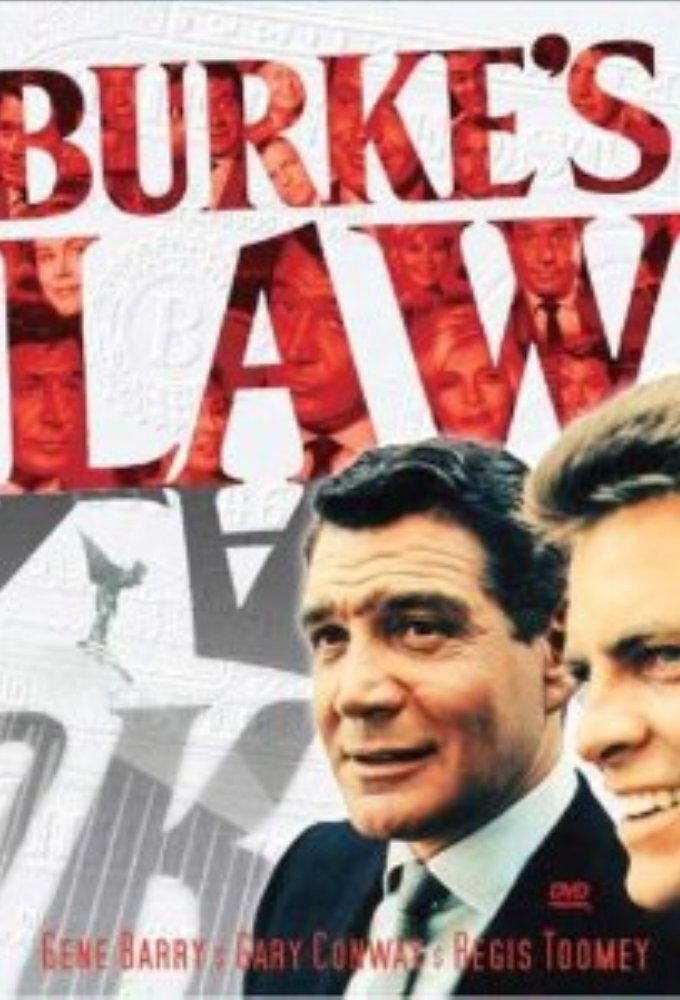
Burke's Law1963
Gene Barry as a wealthy, impeccably dressed homicide captain who solves murders with elegance and sophistication. Stylish and smart, with genuine affection for its central character and his world.
But Extremely dated in its worldview and sensibilities. The mysteries themselves are often underwhelming compared to the atmosphere.
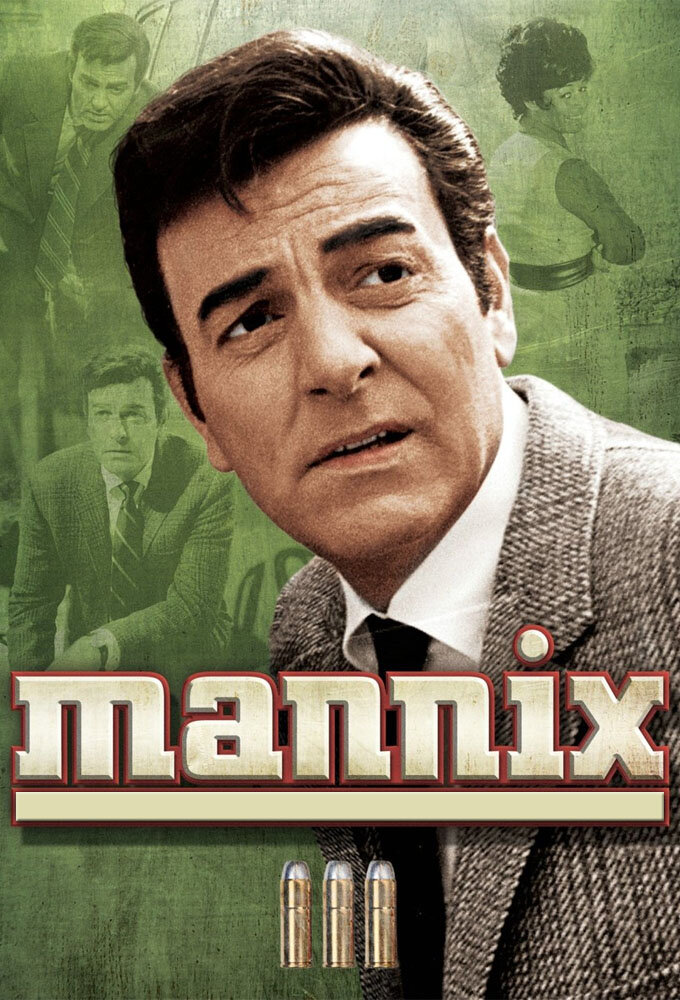
Mannix1967
Mike Connors as Joe Mannix—tougher and more action-oriented than Gunn, but with the same cool competence and willingness to take a punch. Great if you want the detective show with more physicality.
But Relies heavily on fists and car chases rather than wit. Later seasons become increasingly formulaic and less inventive.
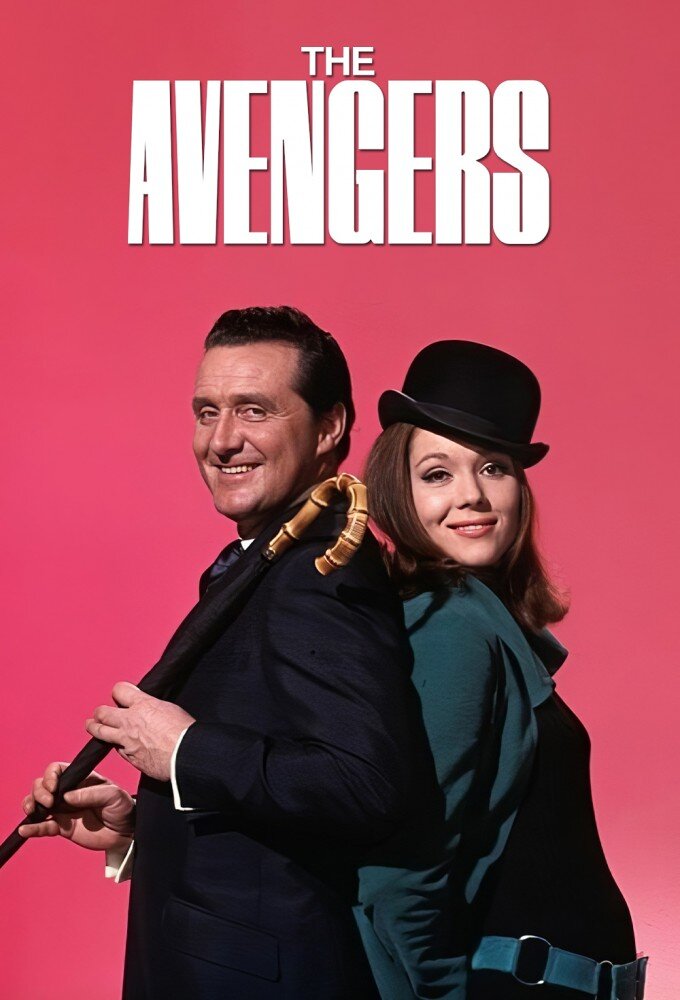
The Avengers1961
British spy series with that same effortless cool and style. John Steed and his partners navigate danger with humor and flair. The tone is lighter but the DNA is recognizably similar.
But Extremely campy in later seasons, which delights some and alienates others. Early episodes are drab and low-budget before the show found its voice.
The Twilight Zone1959
Serling's anthology gives you short, perfectly crafted stories with twist endings. Different form than Gunn, but the same era's belief that television could be both smart and entertaining.
But As an anthology, there's no continuing character to anchor you. Some episodes are clumsy with their messages; dated attitudes slip through.

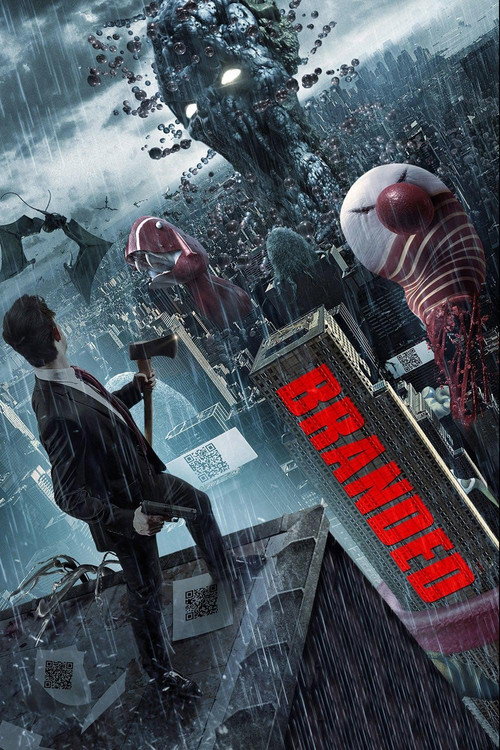
Branded2012
Both are 30-minute shows centered on competent men navigating corrupt worlds with style, but Branded removes the safety net. Gunn has Mother's club and Lt. Jacoby; Branded's hero has nothing but his wits and his code.
Chuck Connors as a man stripped of his identity, drifting the West to clear his name. A 30-minute Western that shares Gunn's sleek storytelling and cool protagonist, but trades the jazz-club world for a moral wilderness. Each episode is a tight, intelligent story.
But The repetitive structure—he arrives in a town, uncovers the truth, moves on—can feel limiting. It's philosophical rather than action-packed, which some find preachy.
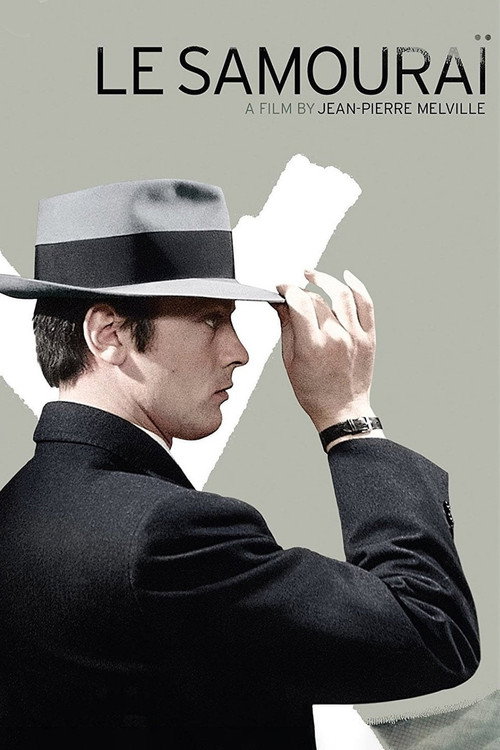
Le Samouraï1967
Both are obsessed with style as a form of power—the way a man moves through the world, his clothes, his silence. But Gunn uses style in service of solving crimes; Le Samouraï suggests style might be all that matters, all that endures.
Alain Delon as a hired killer—the ultimate cool, moving through Paris like a ghost. Godard's influence runs through its visual style and moral ambiguity. If you loved the aesthetic of Peter Gunn, this is what happens when that aesthetic takes over everything: style becomes substance.
But Almost plotless; the story is negligible. It's a mood piece masquerading as a thriller. If you need narrative momentum, you'll be bored. French New Wave patience required.
People
Cast

Writing
- Blake EdwardsCreator
Recommended by
Banacek, Man with a Camera, Philip Marlowe, Johnny Staccato, Thriller, Whirlybirds