Television series
Man with a Camera
- Crime
- Dip in and out
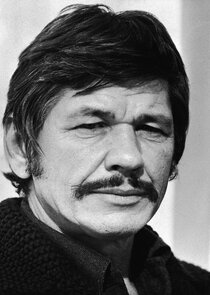
A 1958 procedural following Mike Kovac, a Korean War photographer turned freelance cameraman navigating 1950s New York's underworld. Each episode is a self-contained crime puzzle where his camera becomes both tool and weapon. It's taut, efficient storytelling with Charles Bronson doing what he did best: playing taciturn men in tight spots. For fans of noir sensibility who appreciate economy of storytelling.
If you liked this
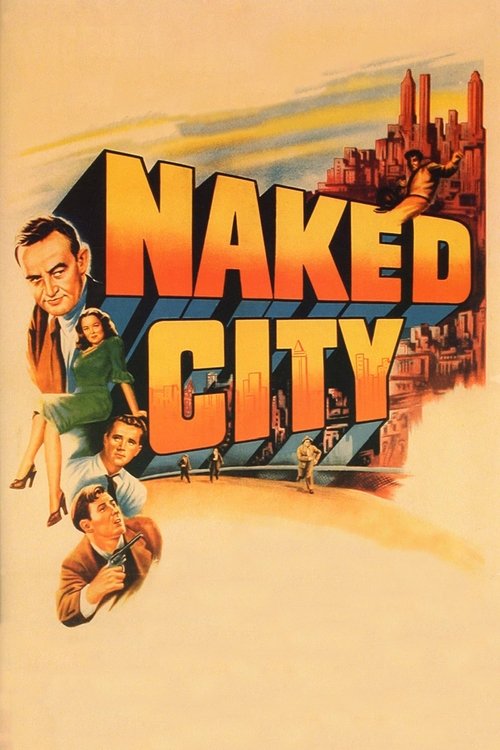
The Naked City1948
A similar New York-set police procedural with the same lean, documentary energy. It treats the city itself as a character and finds drama in procedural detail rather than melodrama.
But The cases can feel repetitive across episodes, and the pacing assumes patience with setup over payoff. Not every episode lands equally.
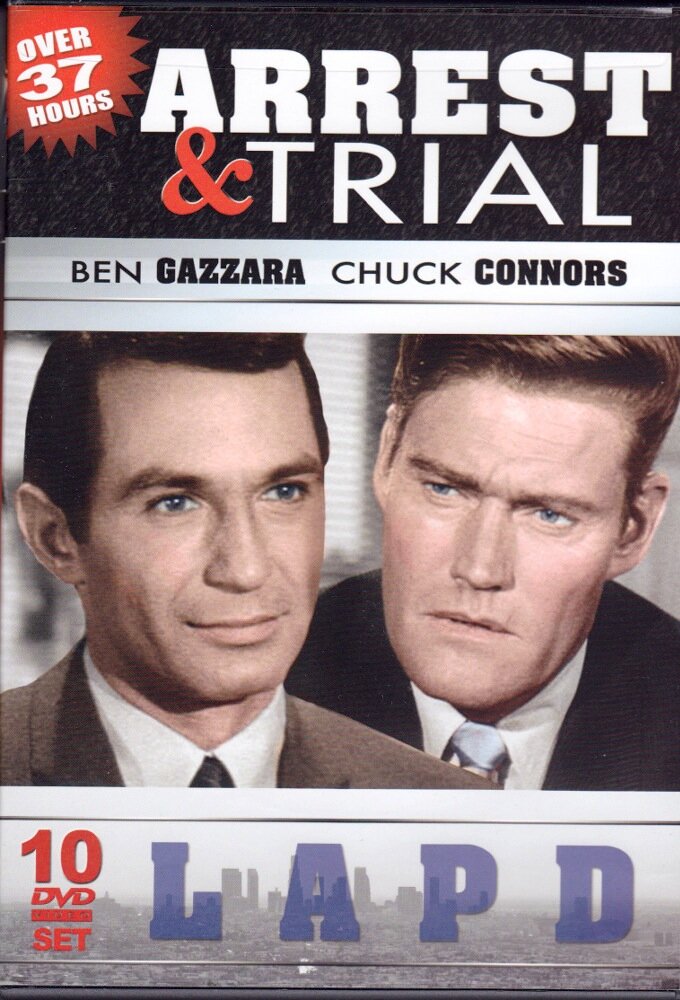
Arrest and Trial1963
Another understated 1960s drama about crime and the people who investigate it. Sharp writing, strong character work, and a refusal to simplify moral questions. Shares Kovac's pragmatic worldview.
But Longer episodes and slower pacing than Man with a Camera. Some feel padded, and the courtroom portions won't appeal to action-focused viewers.
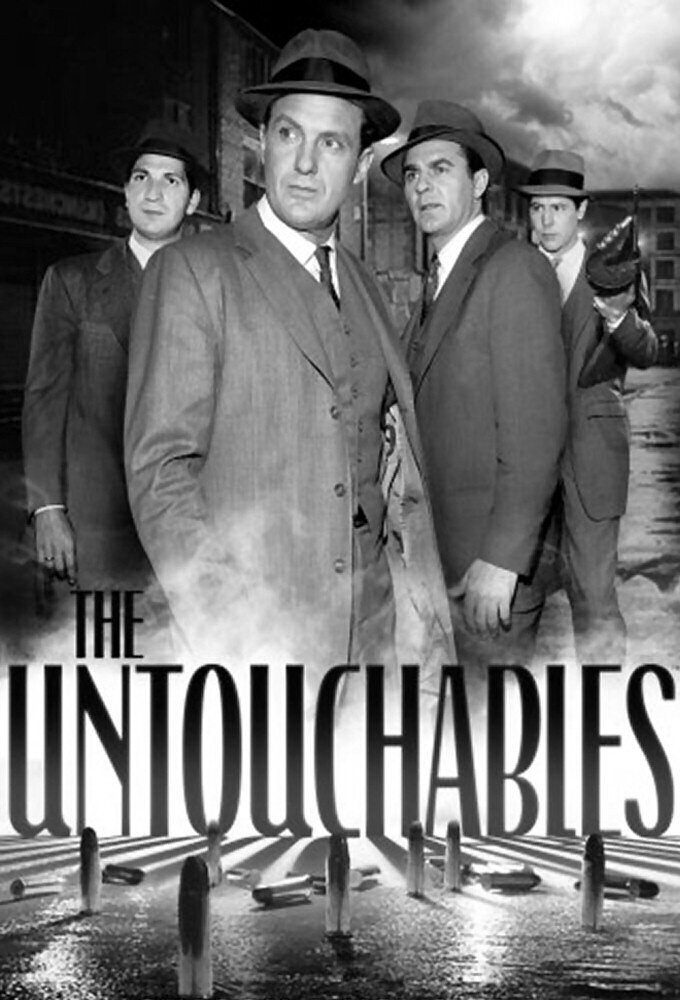
The Untouchables1959
Prohibition-era crime drama with comparable toughness and period detail. Tight episodes built on solid plotting, with Eliot Ness as another character defined by his work rather than his backstory.
But The action can feel staged compared to the documentary realism you want. Some episodes lean heavily on moralizing about law and order.
Not sure tonight? Get a pick in a minute, starting from Man with a Camera
The wildcard
Something you would not have found on your own.
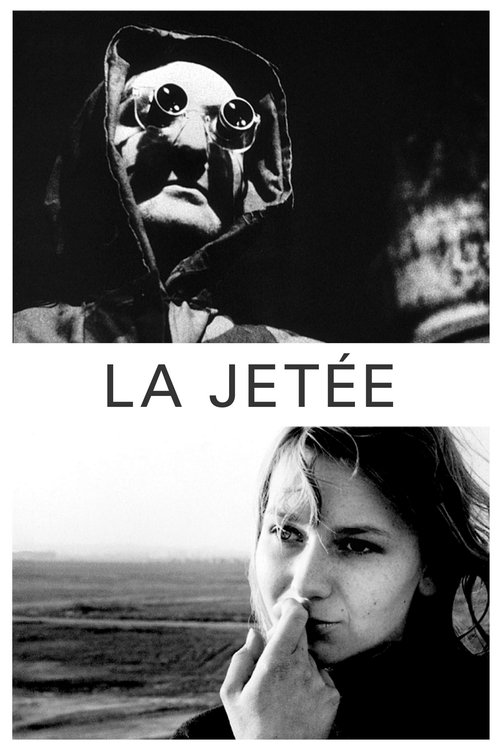
La Jetée1962
Both argue that a photograph—the right photograph—can tell a complete story. Both trust the image over explanation.
A science-fiction narrative told almost entirely through still photographs with narration—a 28-minute film that is essentially one long photograph essay about time and memory. It shares Man with a Camera's deep faith in the power of the still image to tell a story. Hypnotic and unlike anything else.
But It's experimental and abstract. No plot in any conventional sense, no dialogue, no action. Some find it pretentious; others find it haunting. Definitely an acquired taste.
More like this (8)
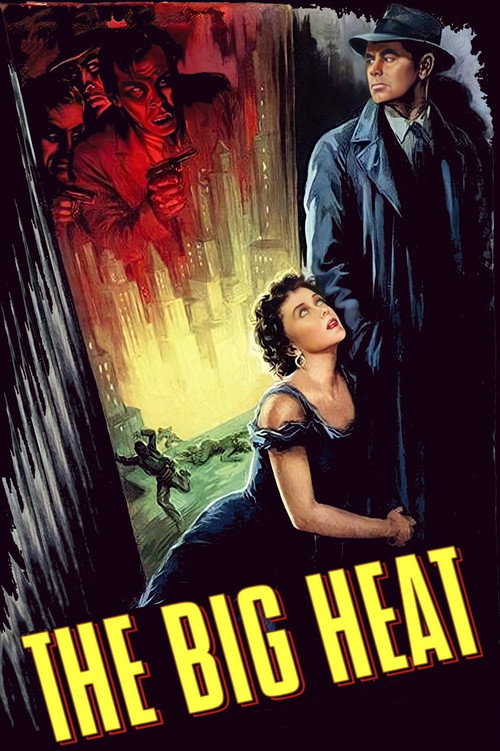
The Big Heat1953
Fritz Lang film with Charles Bronson's exact mode: a man drawn into criminal violence by circumstance and righteousness. Noir visual language, genuine moral ambiguity, and nothing wasted.
But It's darker and more brutal than the TV show—this is about vengeance, not puzzles. The pacing is deliberate, almost languid. Black and white and quite dated.
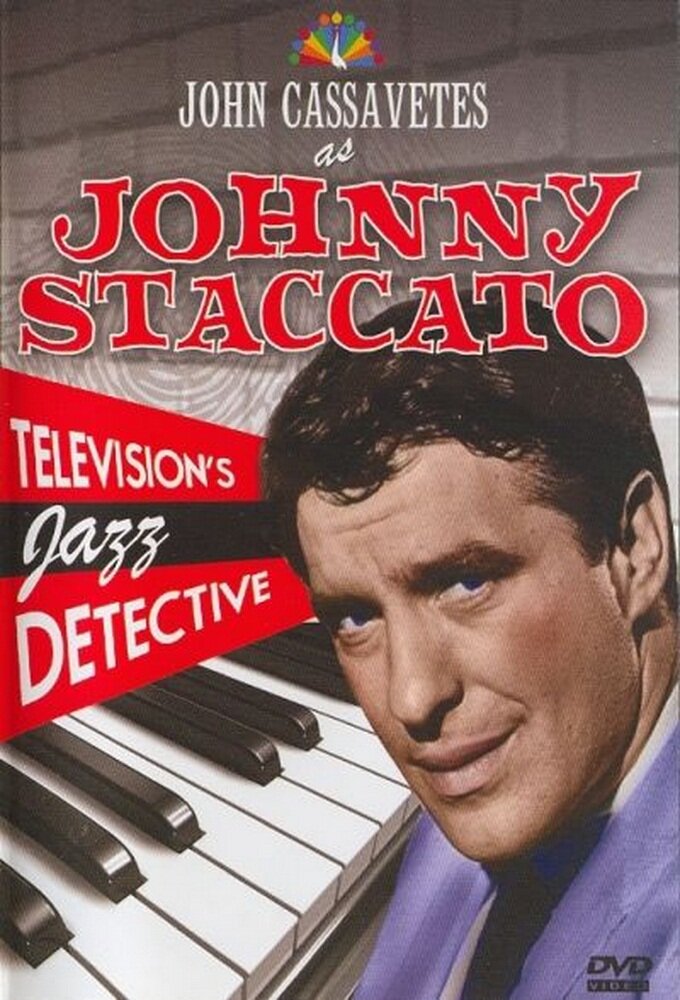
Johnny Staccato1959
A freelance jazz musician solving crimes in New York. Same era, same tone of a resourceful outsider using his particular skill. Jazzy, cool, and surprisingly stylish for network television.
But The jazz angle can feel forced, and the show's coolness sometimes substitutes for character. Less grounded than Man with a Camera.
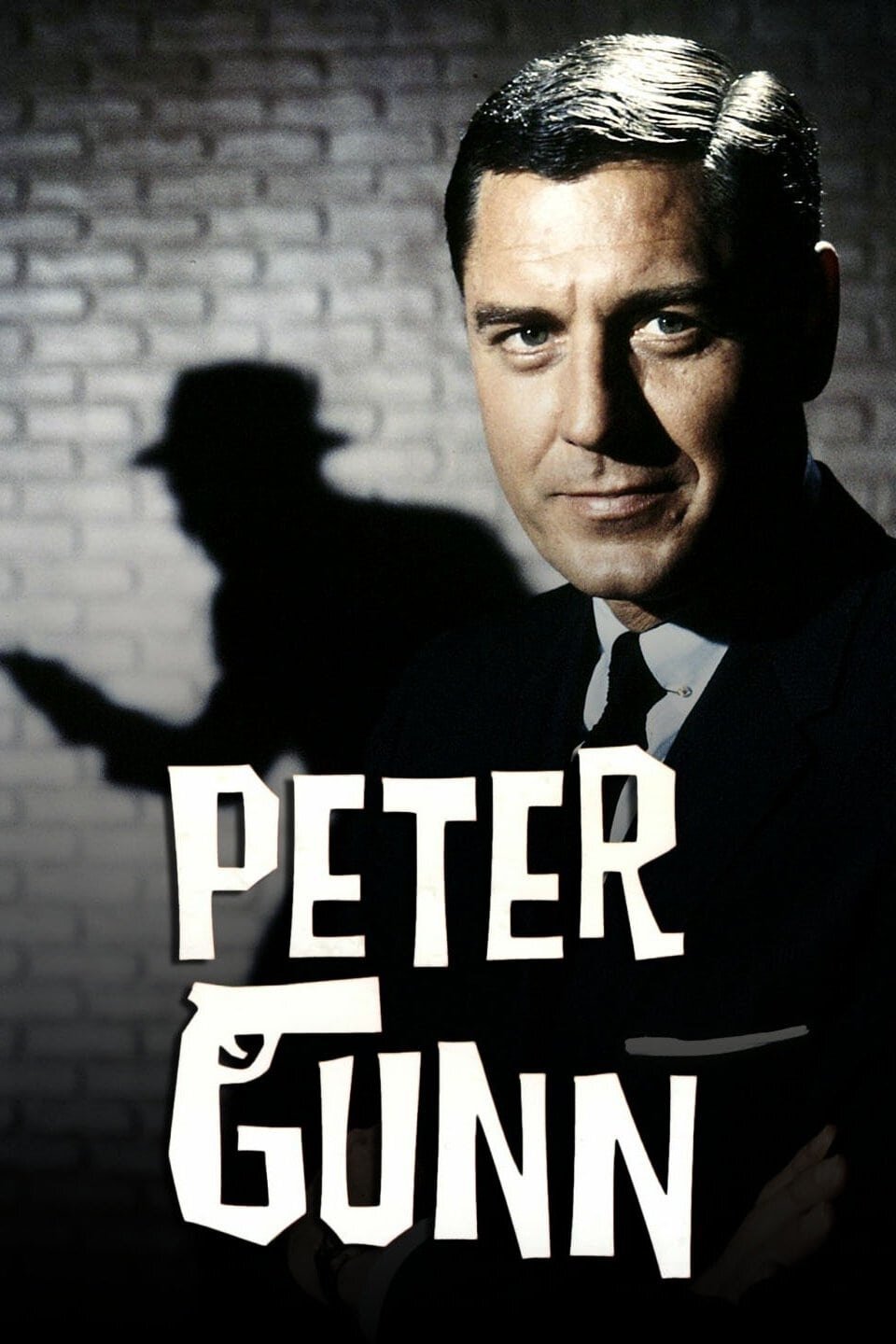
Peter Gunn1958
Debuted the same year. A private detective in a stylish, jazz-inflused Los Angeles. If you love the tightness of Man with a Camera's stories but want more atmosphere and visual flair.
But It's more style than substance at times. The cases exist partly to justify the mood rather than the other way around. Some find it dated in affect.
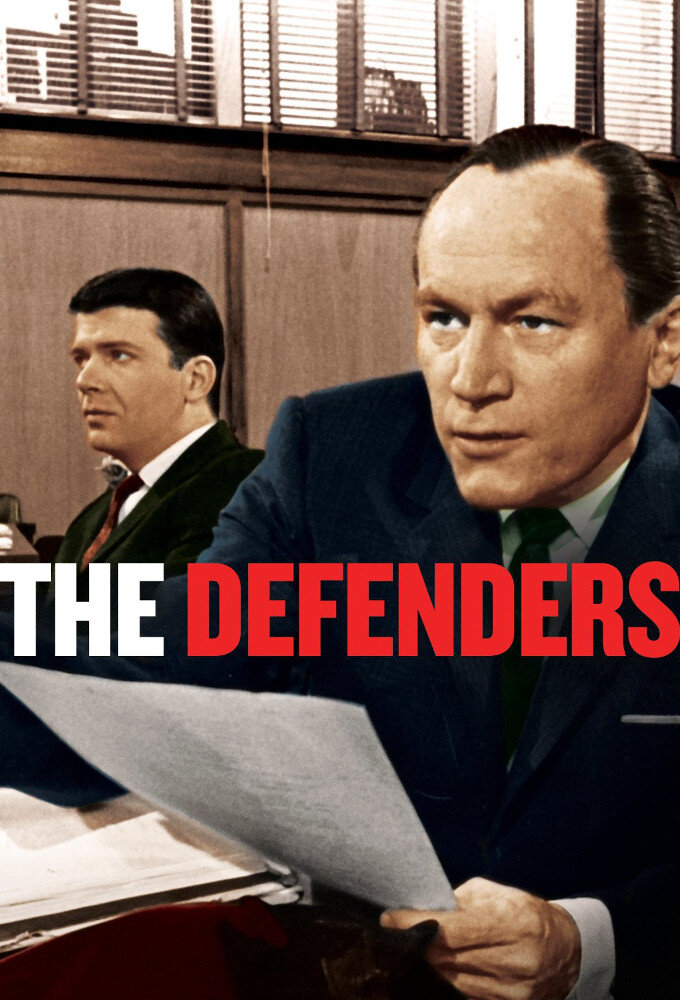
The Defenders1961
A legal drama with the same respect for craft and procedure. Focuses on two lawyers navigating case work with intelligence and conscience. Excellent writing and acting across its run.
But It's about courtroom defense, not street-level crime. Much longer episodes and slower pacing. If you want action and immediacy, this replaces both with argument.
The Asphalt Jungle1950
A heist film that essentially invented the genre. Methodical, unsentimental, focused on procedure and planning. The criminal world as a job like any other. Hugely influential on everything that followed.
But It's in black and white from 1950, and the pacing is slow by modern standards. Not exciting in a visceral sense; more interested in logistics than action.

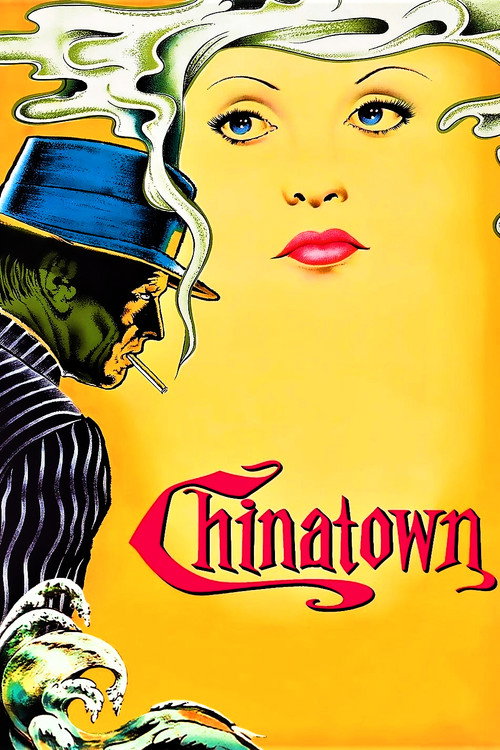
Chinatown1974
A private detective unraveling Los Angeles corruption through photography and legwork. Noir sensibility filtered through 1970s cynicism. Perfect if you want the intellectual puzzle with psychological depth.
But Nearly three hours and genuinely bleak. Beautifully made but suffocating. The protagonist fails to change anything. Not cathartic or entertaining in the way Man with a Camera is.
The Third Man1949
Both feature a protagonist whose profession—photography, journalism—makes him dangerous to powerful people. Both are about seeing the truth in a corrupt place.
A man searching for truth through a corrupt postwar city, using his wits and camera work to navigate danger. The visual language is expressionist rather than documentary, but the core is identical: a resourceful observer in a criminal world, trusting his eye.
But It's longer, more romantic, and more visually mannered than Man with a Camera. Some see it as dated 1940s melodrama. The cinematography can feel like it's trying too hard.

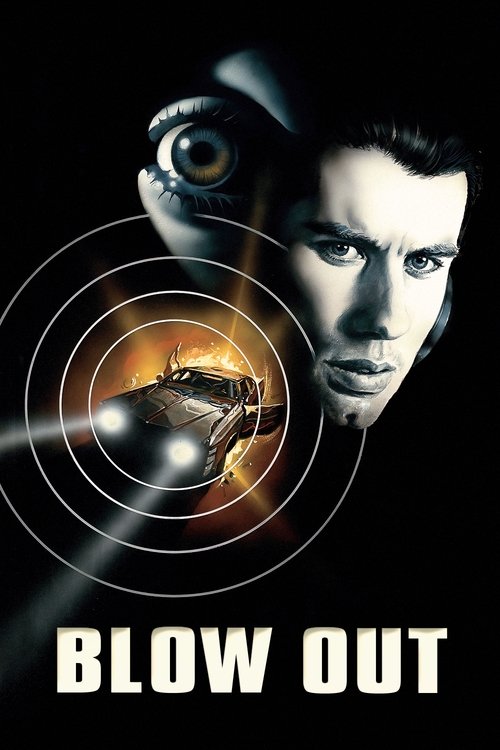
Blow Out1981
Both stories turn on the idea that your specialized tool for documenting reality can make you a liability. Both are about what happens when you capture something you shouldn't.
A sound engineer becomes inadvertently entangled in political assassination through his recording equipment. Brian De Palma's thriller where the protagonist's tool—sound recording—becomes the hinge of the plot, exactly as Kovac's camera does in Man with a Camera. Tense, paranoid, technically intricate.
But It's violent and sexually brutal in ways the TV show isn't. Long and digressive. The technical obsession can feel cold. Some find De Palma's direction affected or glacial.