
Television series
Arrest and Trial
A split-focus crime drama where the first half follows detectives making the arrest, the second half follows defense lawyers in court. It's a procedural with structure and purpose: you see both sides of justice. The show trusts its audience to care about the accused even when they're guilty, and lawyers who win through argument rather than sentiment. Exactly what network TV should be.
Should you watch it?
Watch it if you like a procedural that splits each case in two, watching detectives hunt a suspect and then the courtroom fight over the same evidence, with a weekly rhythm that rewards patience.
Skip it if you want fast, twisty modern television, since this is a measured, talky show whose courtroom half moves at the pace of legal argument.
What it asks of you: Each case runs two forty-five-minute halves, so expect a long stretch of talk and paperwork, with the patience of a weekly courtroom drama rather than quick cuts.
Not sure? Find tonight's pick in a minute.
If you liked this
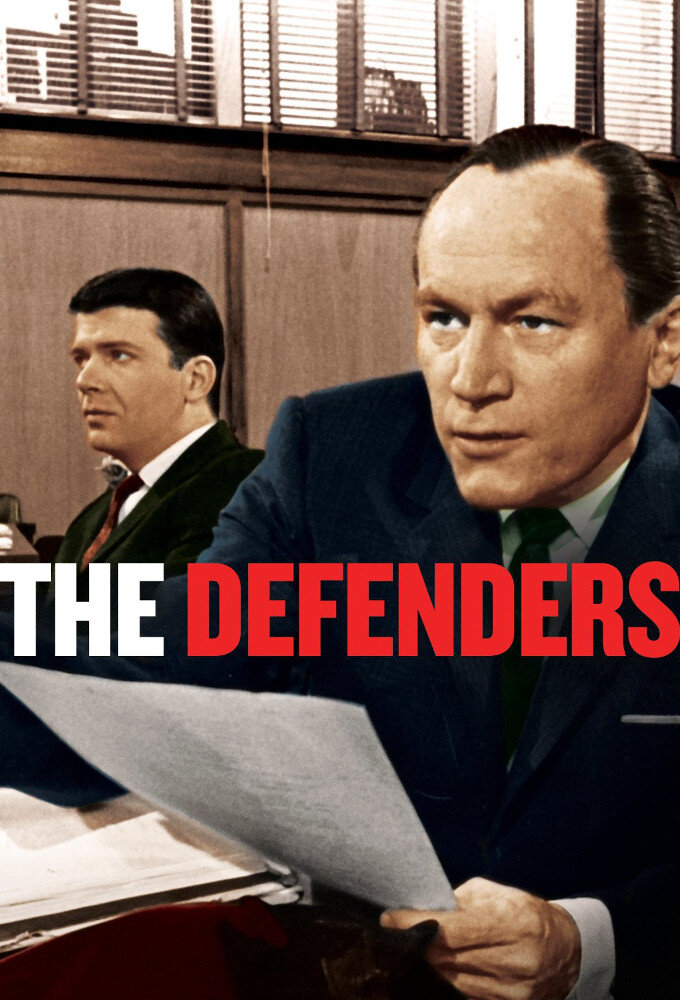
The Defenders1961
A legal drama where two father-and-son attorneys take cases nobody wants. It has moral weight and genuine argument. The writing is sharp enough that you believe the law matters.
But It's slower than modern TV, and some cases feel dated. The morality can be earnest in ways that feel quaint now.
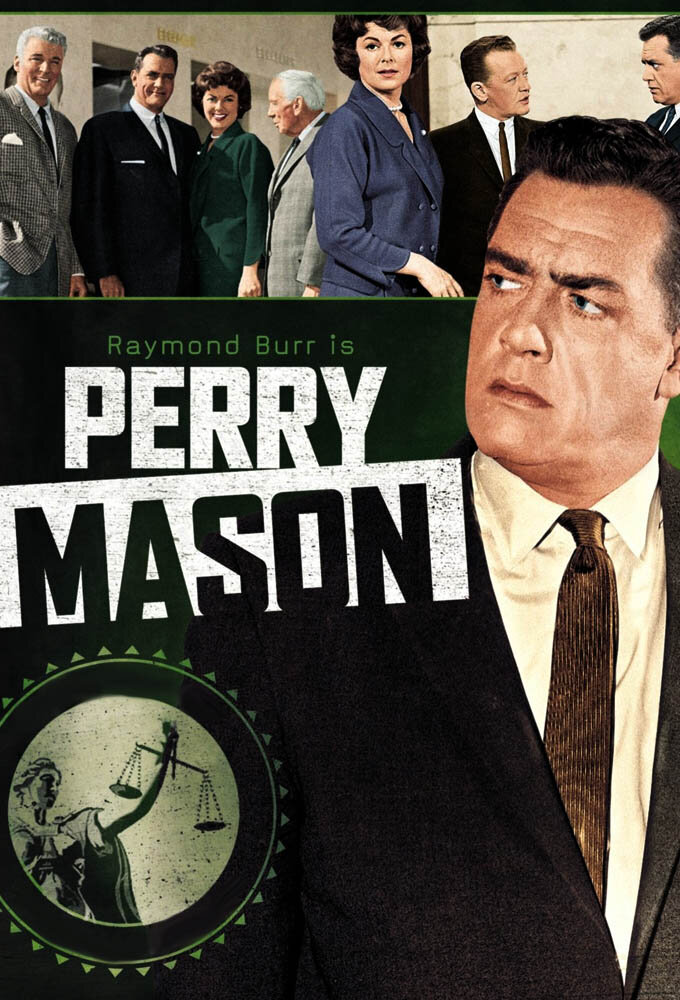
Perry Mason1957
Ninety-minute episodes where the twist arrives late and lands hard. Raymond Burr's confidence is hypnotic. Each case is a puzzle that actually holds together.
But Perry almost never loses, which removes some tension. The formula can feel mechanical if you watch too many back-to-back.
The Asphalt Jungle1950
The heist film that taught everyone how to structure a crime story. You follow the criminals, see how they get caught, and understand why the system catches them. Genius.
But It's in black and white and moves at a 1950s pace. There's no protagonist to root for until you're already invested.

Not sure tonight? Get a pick in a minute, starting from Arrest and Trial
The wildcard
Something you would not have found on your own.
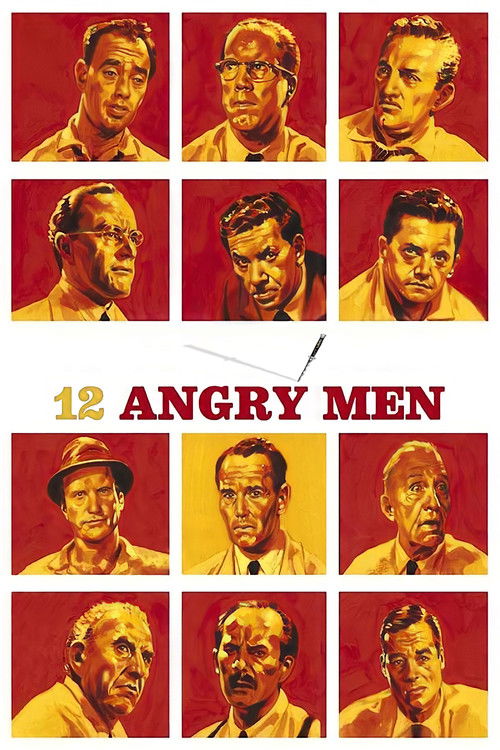
12 Angry Men1957
Both shows split the criminal justice system into parts and ask you to believe each part matters equally. Arrest and Trial shows arrest and trial; this shows the jury thinking through what 'reasonable doubt' actually means.
The trial half without the arrest. Twelve people debate guilt in a jury room for ninety minutes. It's about how reasonable people disagree, and whether the system works when it listens. Structurally perfect.
But It's one room, eleven hours before the film starts, and argument instead of action. If you need motion, you'll find it static and talk-heavy.
More like this (7)
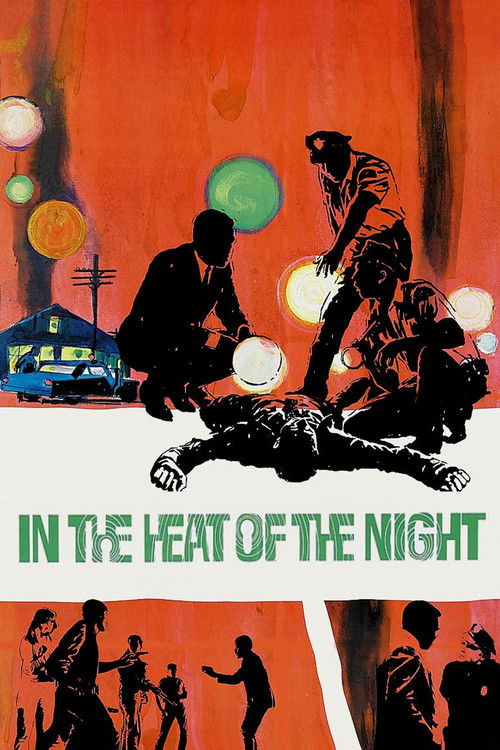
In the Heat of the Night1967
A detective story where the investigation drives character. Poitier and Steiger don't explain themselves; they clash and reveal themselves through work. It's about something real underneath the plot.
But It can feel like it's working too hard to make a point. Some moments are theatrical rather than lived.
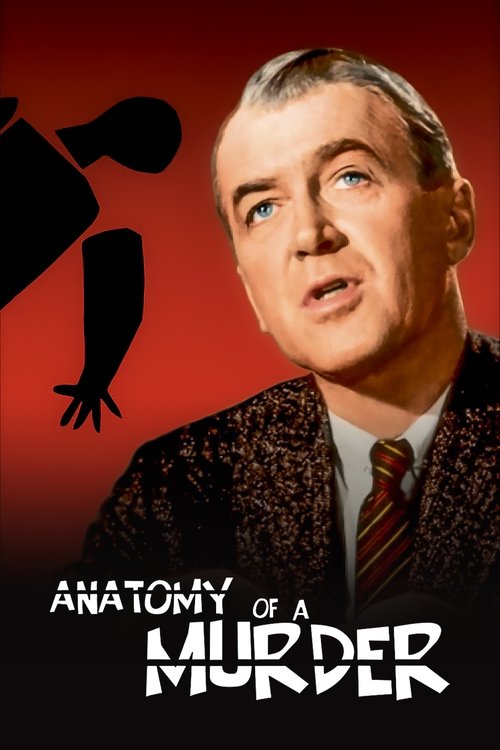
Anatomy of a Murder1959
A trial film where the courtroom argument is genuinely complex. Nobody is pure. The law is the subject, not the backdrop. Otto Preminger trusts silence and lets scenes breathe.
But It's two hours and forty minutes of legal procedure with minimal music. If you need plot momentum, you'll lose patience.
The Killers1946
A detective follows a cold case backward. The structure mirrors Arrest and Trial: first the crime, then the investigation that explains it. Siodmak's direction is assured and dark.
But The plot is noir-complicated in ways that can feel like busy work. It asks you to follow threads that don't quite cohere.

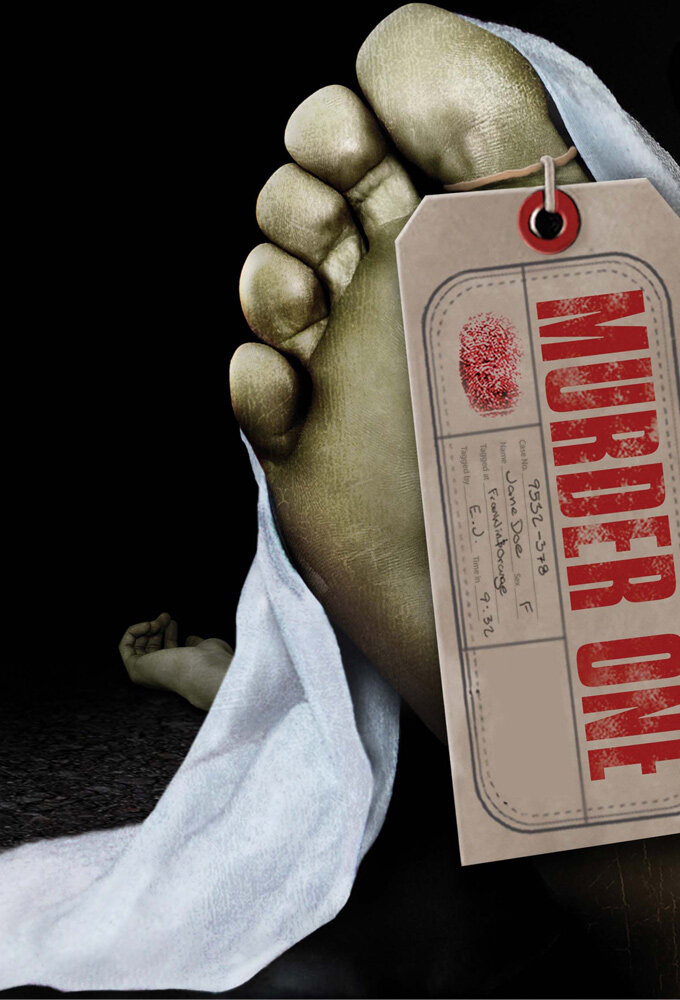
Murder One1995
A serialized legal drama where one case unfolds over a whole season. It's complex, dark, and genuinely unsure whether justice will arrive. Kazenoff's writing is intricate and human.
But It's 1990s TV, which means it indulges in melodrama. Some subplots feel disconnected from the main case, and the show tries to be trendier than it needs to be.
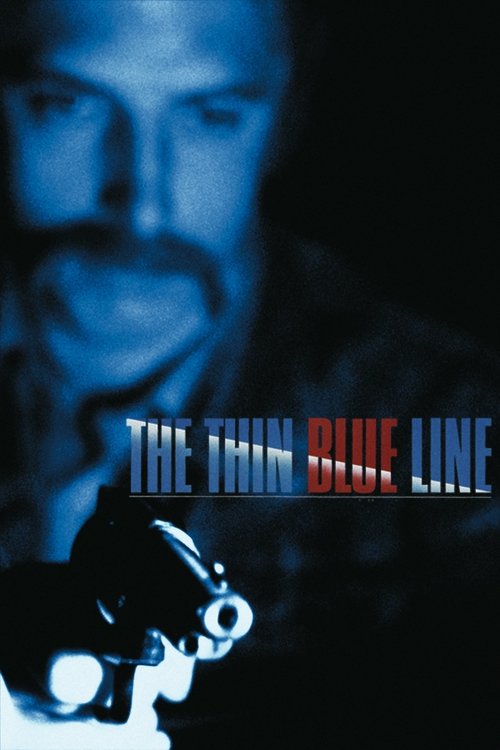
The Thin Blue Line1988
Errol Morris investigates a real murder conviction. It's a trial from the evidence up: you see the argument before you know the outcome. Documentary structure with the tension of a thriller.
But Some viewers find the repeated reenactments cold and alienating. The animation style, while bold, ages oddly and can feel mannered.
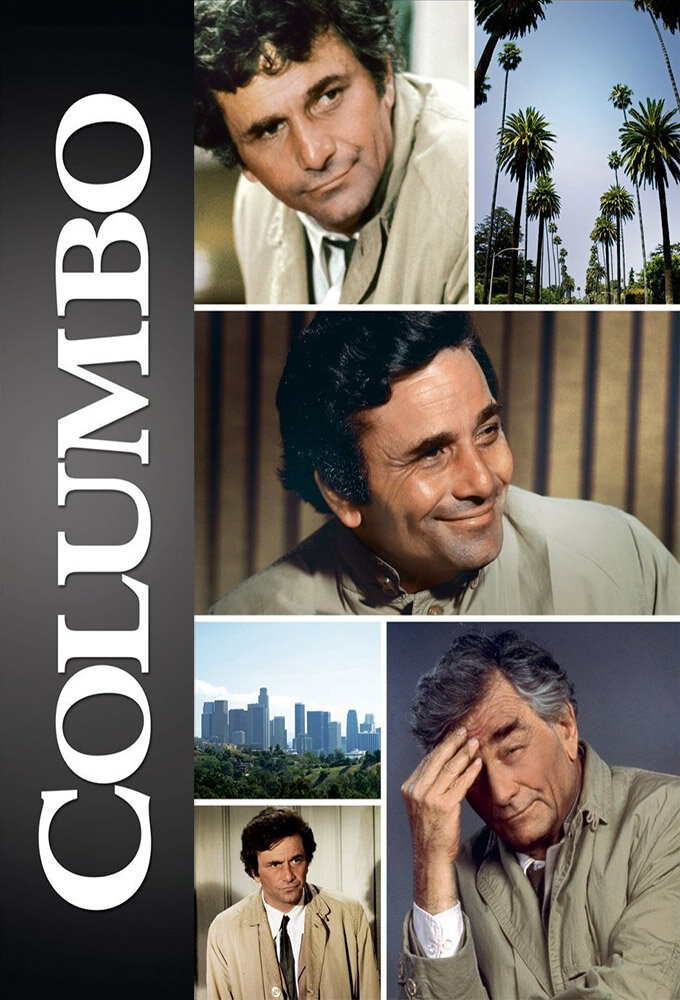
Columbo1968
Where Arrest and Trial moves through the system forward, Columbo moves backward. Both treat the work of investigation and proof as the actual story, not a device to reach some other point.
A detective who already knows who did it, then spends an hour proving it. The structure is inverted: you see the crime, you see the criminal, then you watch Columbo demonstrate why the evidence cannot lie. It's about certainty through process.
But Peter Falk's mannered bumbling can feel precious. Once you know the formula, some episodes telegraph where they're going.
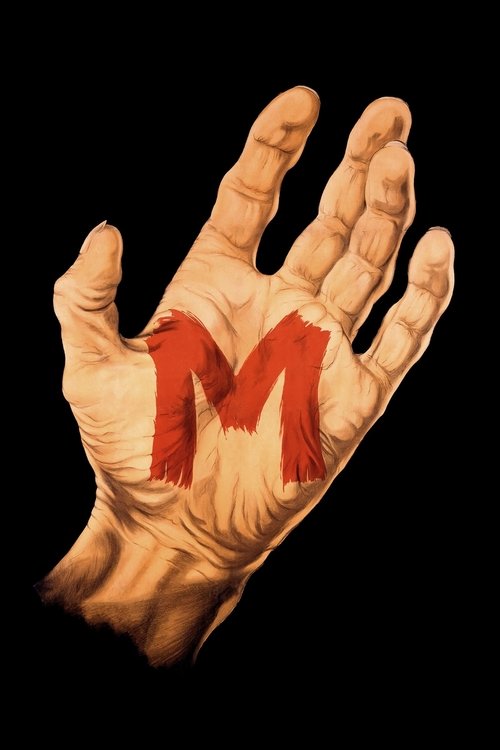
M1931
The film's trial is conducted outside law, by people who doubt the system works. It asks the same question Arrest and Trial does: what happens when you remove the procedure? Can justice exist without the form?
Lang's Berlin thriller where a serial killer is hunted by both police and criminals. It splits the justice system into official and unofficial halves. The trial scene at the end is a real courtroom argument conducted in an abandoned building.
But It's silent German expressionism from 1931. If you need clarity and quick cutting, the pacing will feel glacial. The print quality varies wildly depending on which restoration you find.
People
Cast
Recommended by
Shark, Ironside, Armstrong Circle Theatre, The FBI, Burke's Law, Petrocelli, The Young Lawyers, Owen Marshall, Counselor at Law, Man with a Camera, SurfSide 6, Johnny Staccato, Hawaiian Eye, The Great Adventure, T. J. Hooker, The Eleventh Hour