
Television series
Murder One
Murder One follows a prestigious LA defense attorney through a single high-profile murder trial that unfolds across an entire season. It's a procedural with soap-opera momentum—meticulous courtroom work interrupted by personal chaos, moral compromises, and the gnawing question of whether your client is guilty. For viewers who want crime drama with weight and complexity, not easy answers.
Should you watch it?
Watch it if you like legal drama built on a single case stretched across a whole season, where patience pays off in character and courtroom detail rather than tidy weekly cases.
Skip it if you want self-contained episodes that wrap up neatly, since a single case runs the whole season and the pace of the trial can feel slow and talky.
What it asks of you: Sixty-minute episodes, forty-one in total across two seasons, with dense dialogue and a slow build that rewards sustained attention rather than casual viewing.
Not sure? Find tonight's pick in a minute.
If you liked this
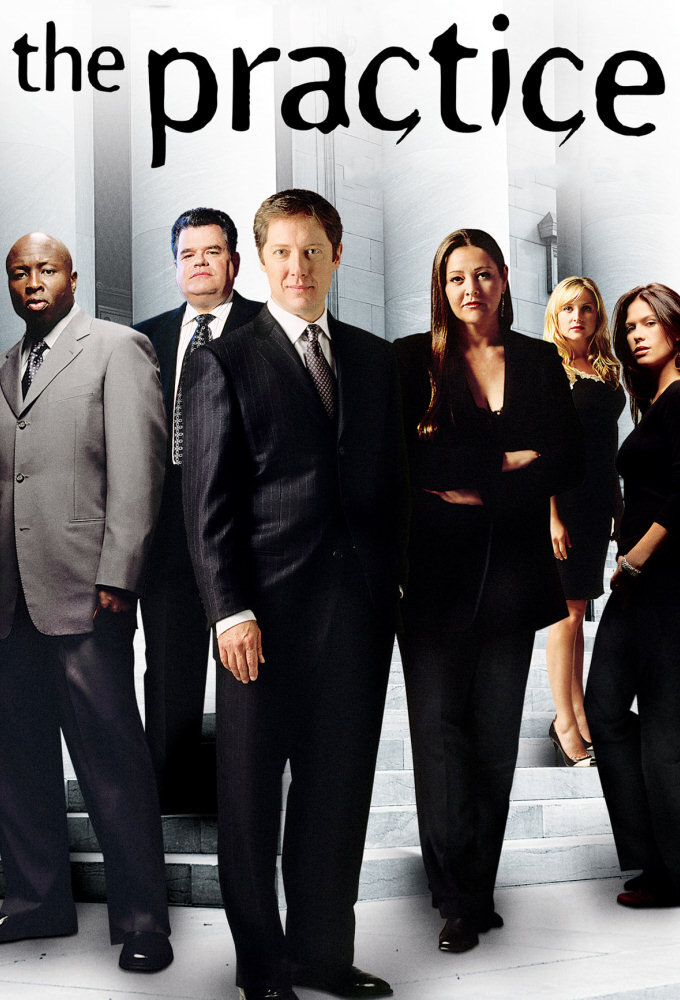
The Practice1997
Similar legal procedural with ensemble depth, following a Boston firm through cases that matter. Sharp writing about the gap between justice and law, with characters who live and breathe their contradictions.
But Runs for eight seasons, so commitment required. Some episodes feel stretched, and the tone can shift from serious to melodramatic without warning.
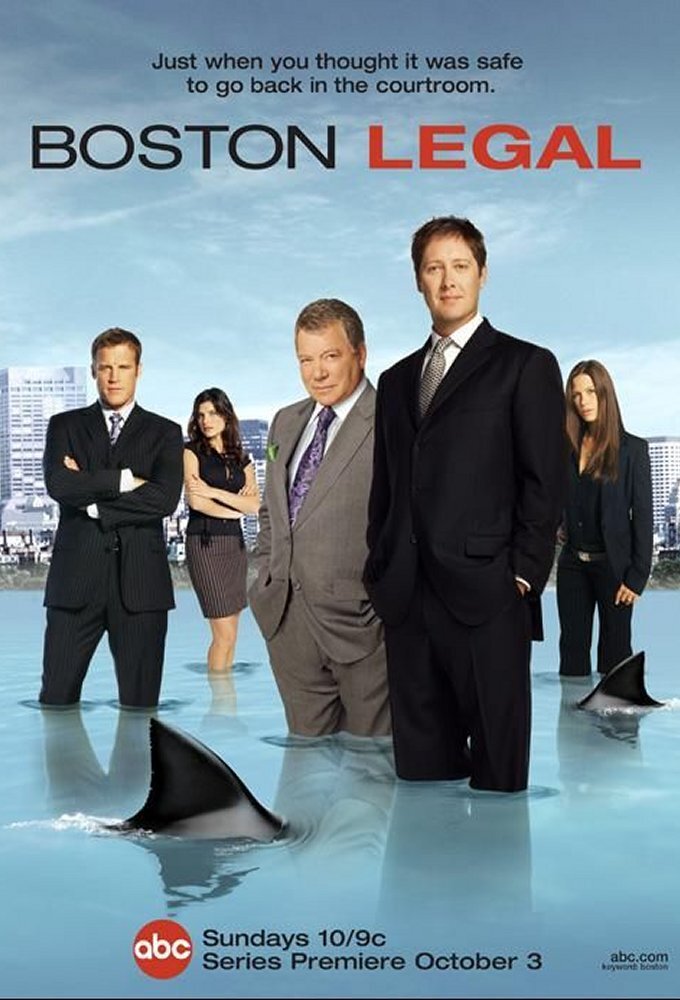
Boston Legal2004
Another David E. Kelley legal drama with the same DNA as The Practice, but funnier and messier. Character-driven, morally murky, genuinely entertaining even when it's ridiculous.
But Leans harder into comedy and absurdity than Murder One does. If you want pure procedural weight, this might feel too playful.
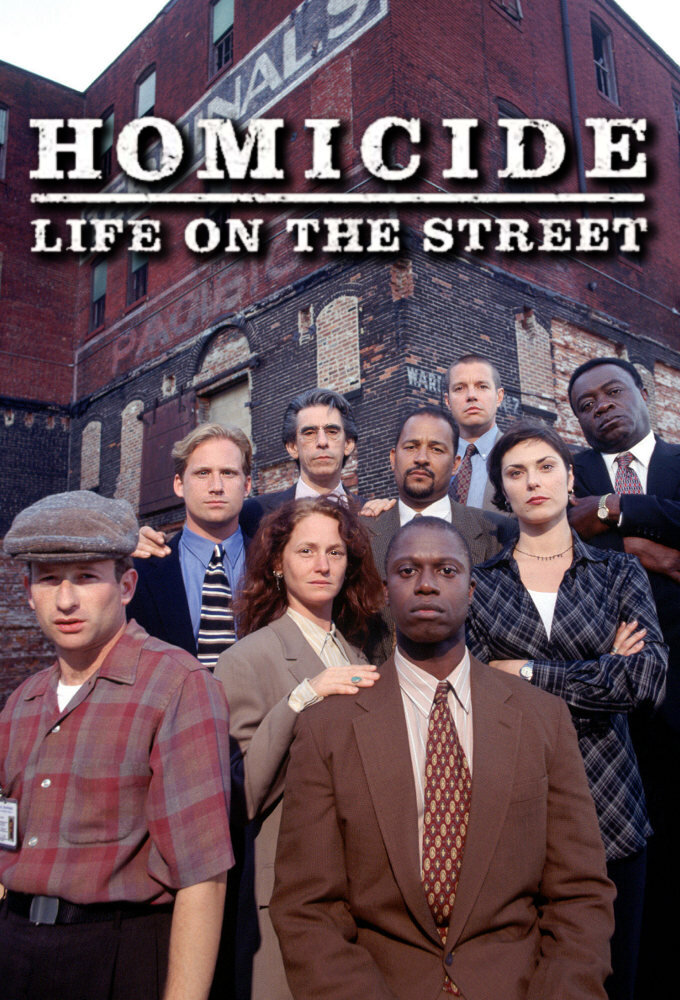
Homicide: Life on the Street1993
Same era, same commitment to following a single case closely while the personal lives of investigators unravel. Superb ensemble cast, real stakes, dialogue that sounds like actual people talking.
But Focuses on the police investigation side rather than the trial. Slower paced than you might expect from a crime show.
Not sure tonight? Get a pick in a minute, starting from Murder One
The wildcard
Something you would not have found on your own.
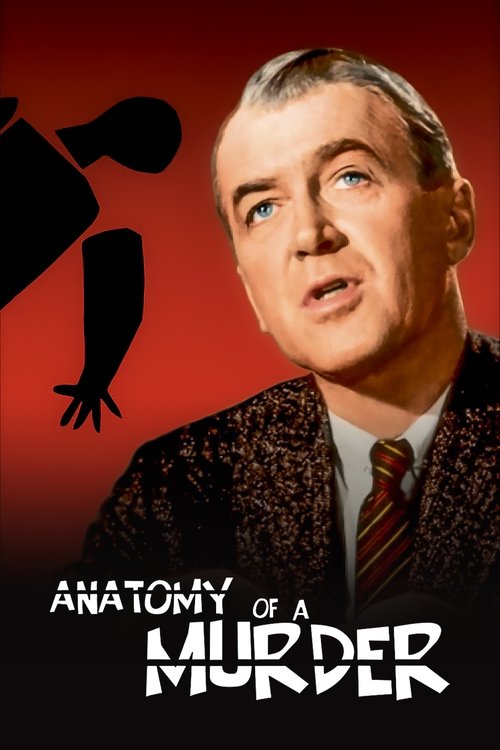
Anatomy of a Murder1959
Both spend their entire runtime on a single trial, trusting the granular details of evidence and testimony to create drama. Both believe the law is fascinating precisely because it's incomplete.
The movie that defined how American legal drama could work onscreen—meticulous trial procedure wrapped around genuine moral ambiguity about a defendant's guilt. If Murder One is what the novel of a trial looks like, this is the poem. Otto Preminger's masterpiece.
But 169 minutes and almost entirely courtroom scenes. If you need action or constant movement, it will feel static. And it's in black and white, which some viewers find alienating.
More like this (8)
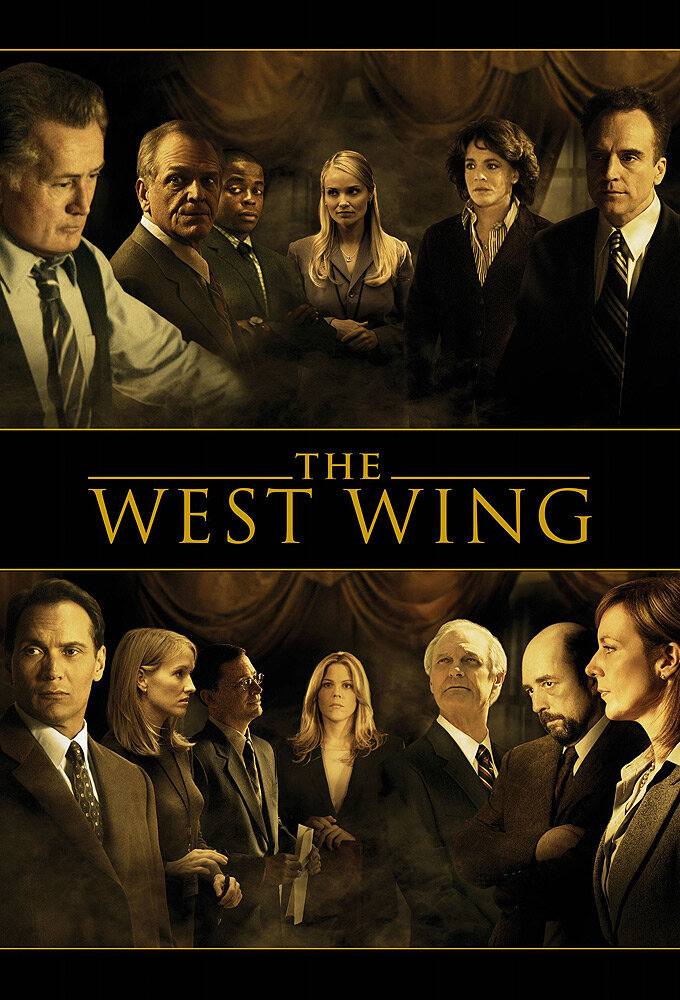
The West Wing1999
Aaron Sorkin's other masterpiece about power, procedure, and people who care deeply about doing their jobs right. Walk-and-talk dialogue, brilliant ensemble, that same sense of watching smart people navigate impossible problems.
But Political drama, not legal, so if you're after courtroom specifics you won't find them. And Sorkin's style is very particular—some find it mannered.
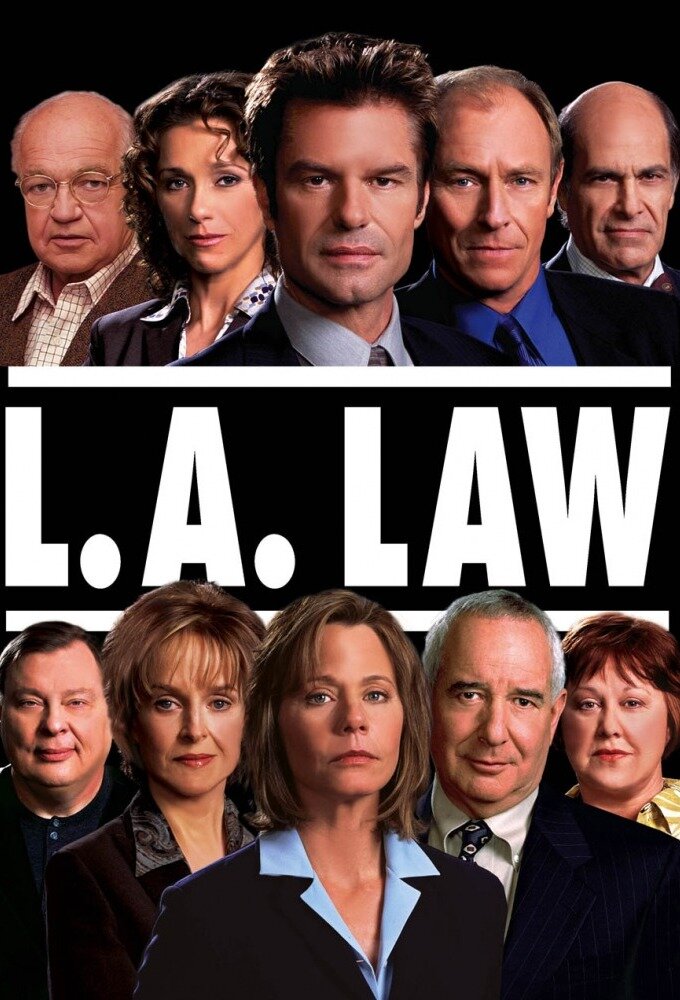
L.A. Law1986
The spiritual ancestor Murder One builds on. Pioneered the model of mixing serious legal work with personal soap opera in a prestige LA firm. Still holds up as sharp, stylish television.
But Dated in look and some cultural attitudes. Shorter seasons than Murder One, so less immersion in any single case.
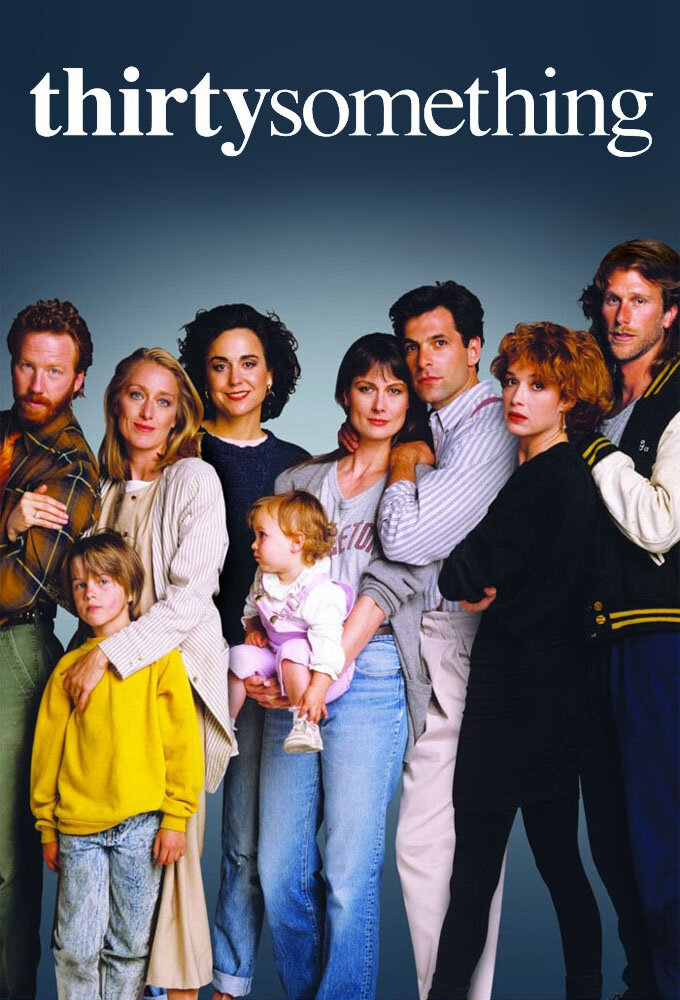
thirtysomething1987
Not a legal drama, but shares Murder One's DNA—ensemble character study, moral complexity, gorgeously shot, deeply concerned with how smart people navigate ethics and desire. Created by Marshall Herskovitz, who worked on Murder One.
But Less plot-driven than you might want. It's about feelings and relationships, not narrative propulsion. Can feel slow.
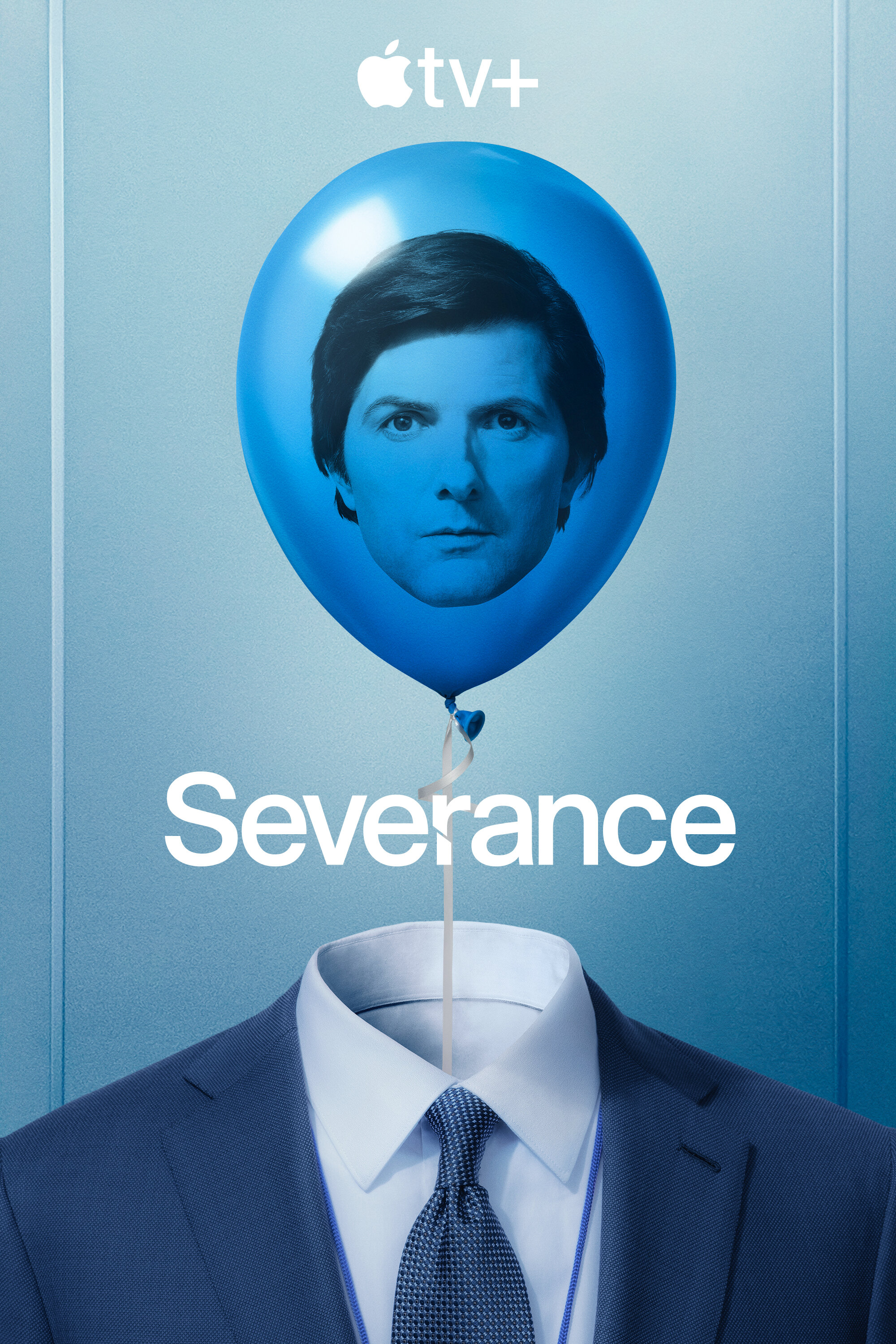
Severance2022
Totally different genre—sci-fi thriller—but identical in structure and philosophy. Takes a single central mystery and unfolds it across a season with meticulous control. Characters you care about, moral questions without easy answers.
But Much darker and more unsettling than Murder One. If you want lighter entertainment, this will feel bleak and alienating.
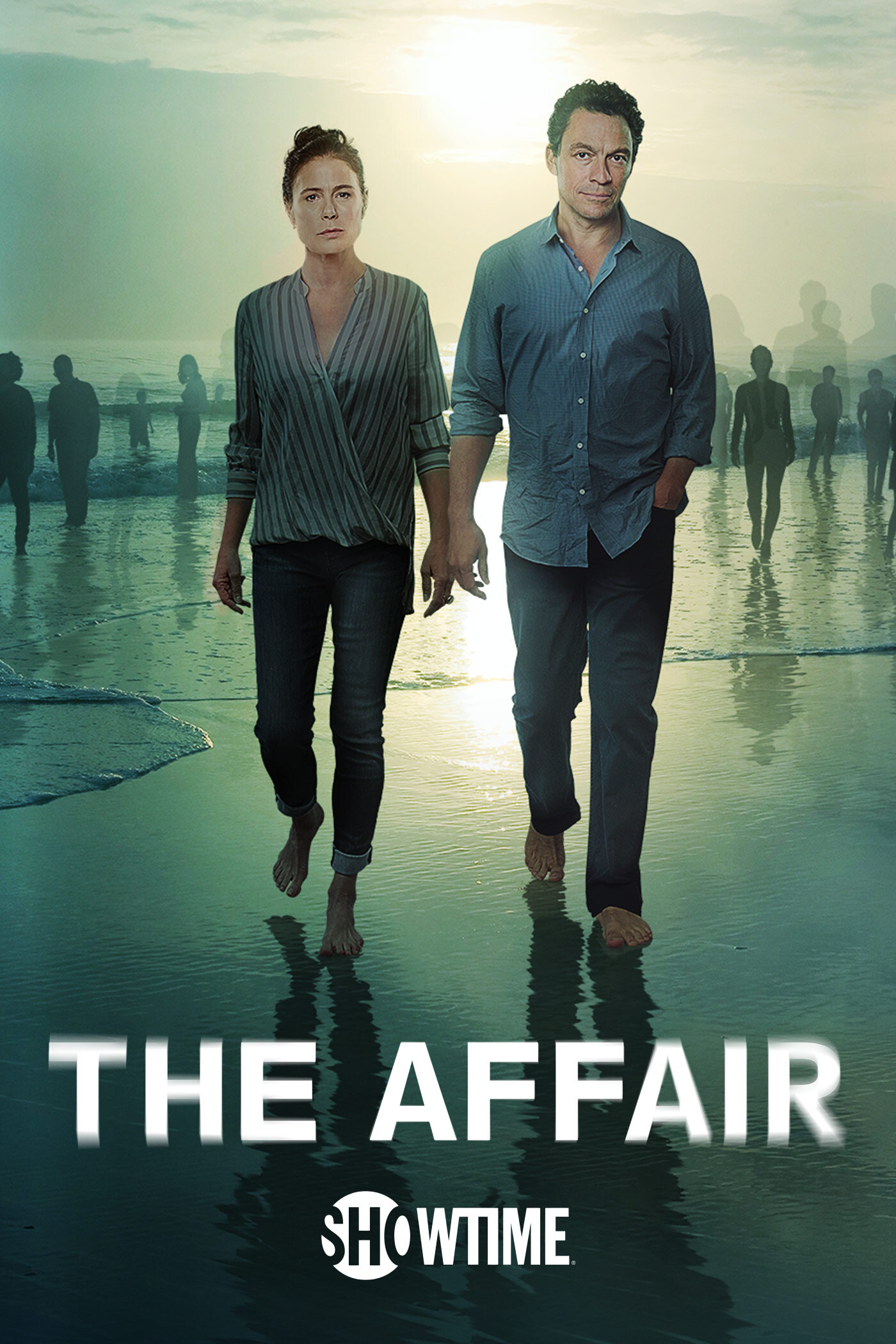
The Affair2014
Repeating narrative structure (same scenes from different perspectives) offers the same legal fascination with how truth shifts depending who's telling it. Character-driven, beautifully shot, deeply felt.
But Emotionally exhausting. Every episode feels like it's about pain and betrayal. And the show gets less coherent as it goes on.
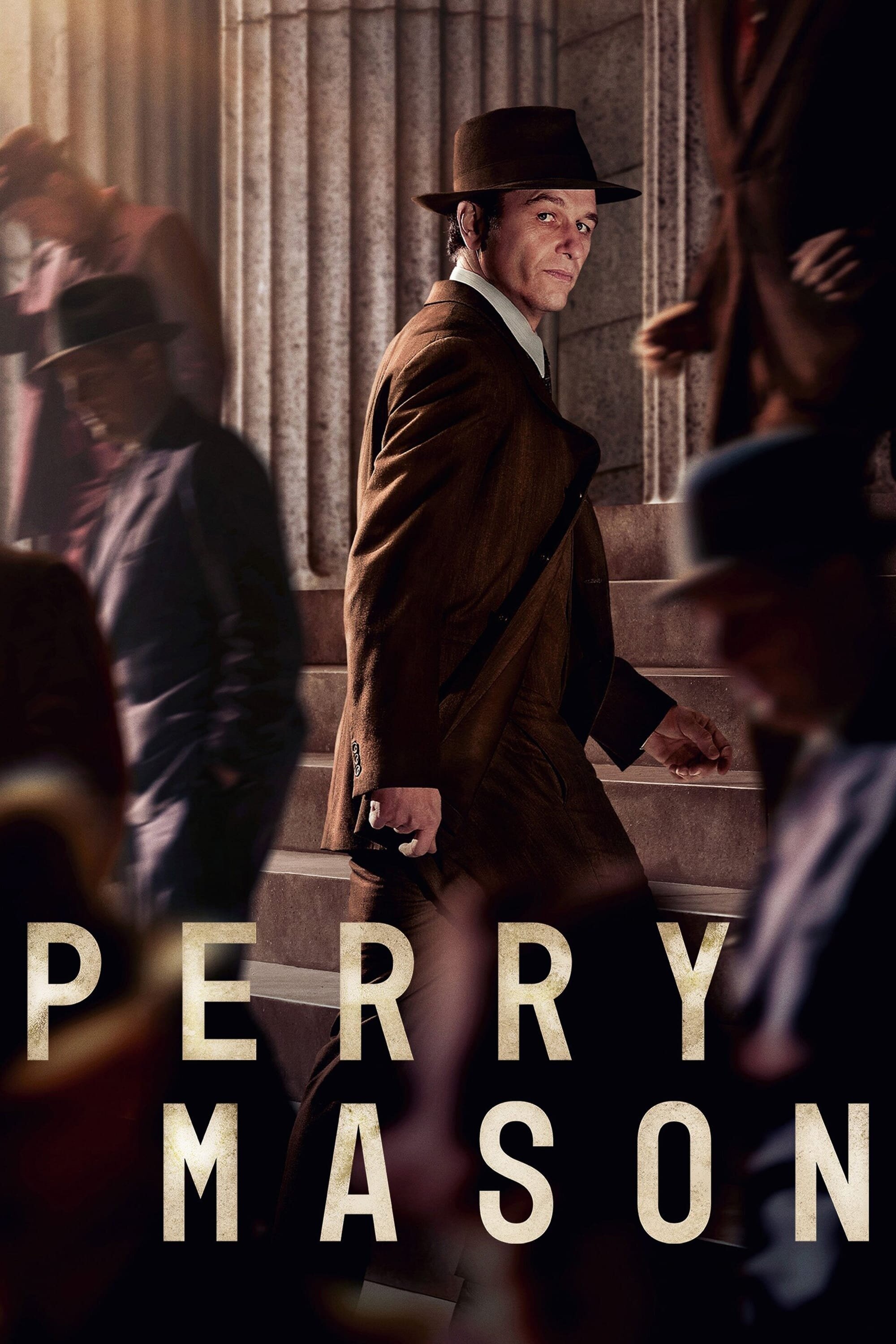
Perry Mason2020
Recent reimagining treats the courtroom like Murder One does—as a space where law and justice collide and separate. Gritty, thoughtful, with a 1930s LA setting that gives it texture and weight.
But Slower than the original Perry Mason. Takes its time with atmosphere and character at the expense of plot momentum. And it only lasted two seasons.
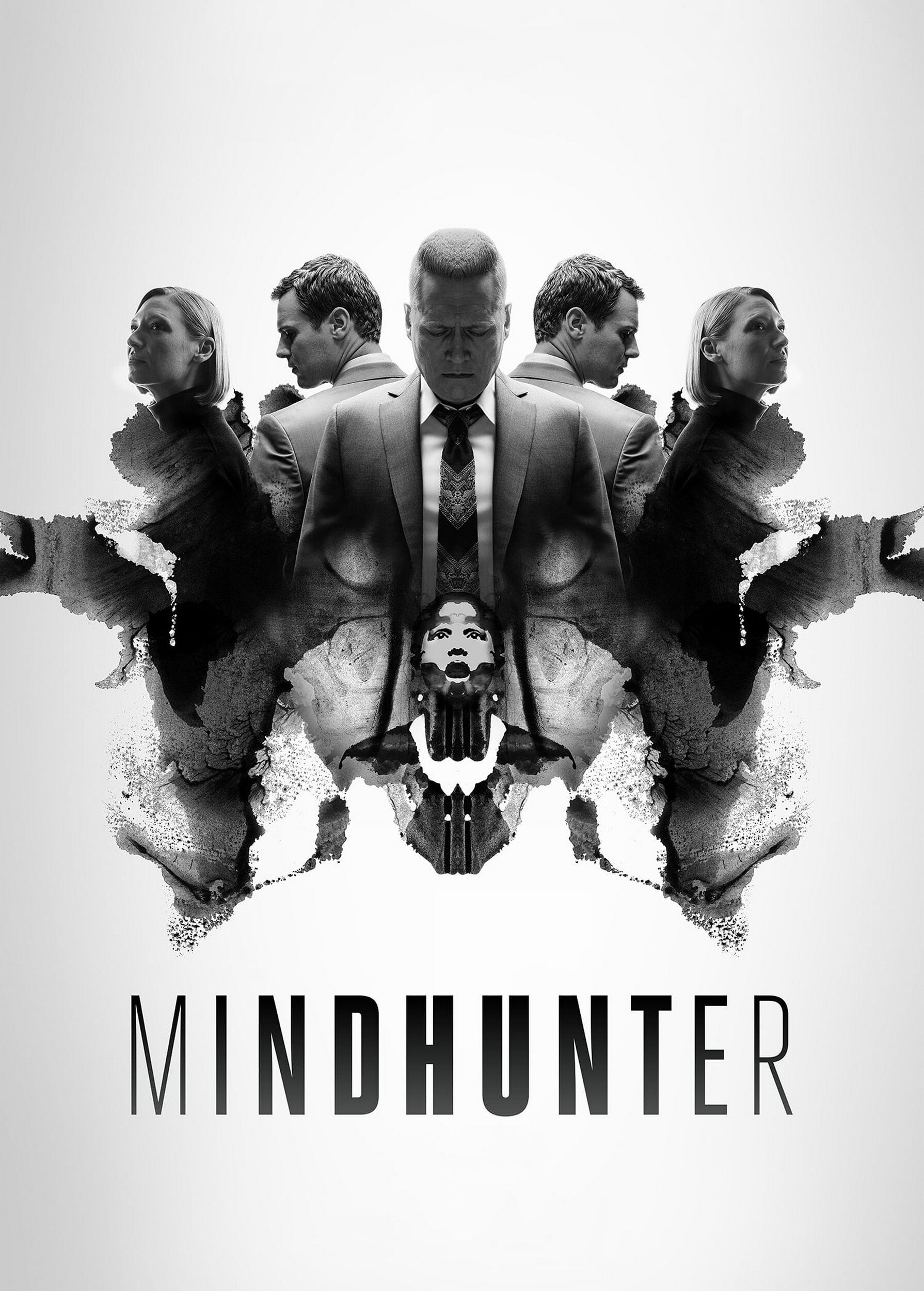
MINDHUNTER2017
Both dramatize the gap between what you can prove and what you believe. Both show brilliant people grinding through systems that resist clear answers. Same procedural precision applied to finding truth.
Procedural about early criminal profiling that captures the same obsessive attention to detail and character psychology as Murder One. Slow-burn, gorgeously shot, genuinely unnerving. David Fincher directing television at his most controlled.
But Only two seasons before cancellation, so no payoff. And it's deliberately cold—there's no warmth or humor, which makes it feel relentless in a way some viewers find exhausting.
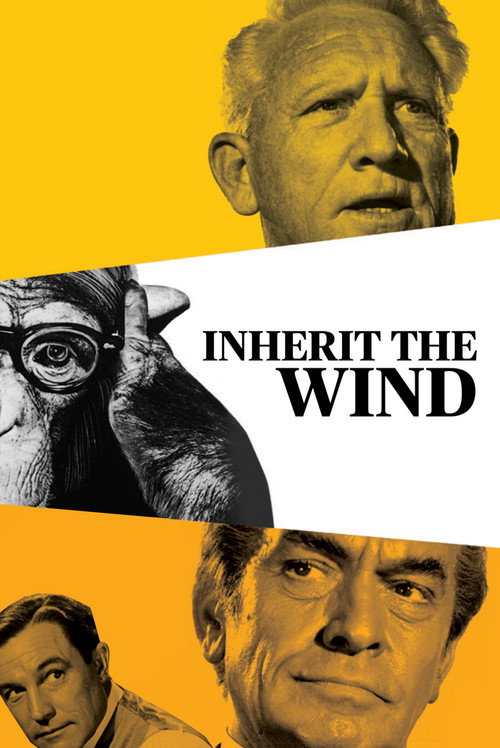
Inherit the Wind1960
Both understand that the trial isn't the climax—it's the engine. Both treat the courtroom as the place where a society's values get tested. Both care more about the argument than the outcome.
Not a murder trial but a trial nonetheless—the Scopes Monkey Trial reimagined. Spencer Tracy and Fredric March at their best, sparring over law and morality. Demonstrates that courtroom drama works because it's about ideas colliding with human stakes.
But Overtly theatrical and didactic. The film wants you to understand its message about faith and science. And it's a verdict you see coming from the first scene.
People
Cast




Writing
- Channing GibsonCreator
- Charles H. EgleeCreator
- Steven BochcoCreator
- Charles D. HollandStory Editor
- Doug PalauStory Editor
Production
- Chad SavageAssociate Producer
- Gigi Coello-BannonAssociate Producer
- Michael FrescoCo-Executive Producer
- Charles H. EgleeExecutive Producer
- Steven BochcoExecutive Producer
- Geoffrey NeigherProducer
- Marc BucklandProducer
- Ann DonahueSupervising Producer
- Joe Ann FogleSupervising Producer
Recommended by
Family Law, The Case of the Hillside Stranglers, Arrest and Trial, Cross