
Television series
T. J. Hooker
A gruff, seasoned cop returns to street patrol after tragedy, training young recruits and mentoring a hot-headed rookie. T.J. Hooker is straightforward action-drama: car chases, foot pursuits, weekly crimes solved with muscle and conviction. It's Shatner being Shatner—commanding, larger than life—paired with genuine chemistry and the kinetic energy of 1980s television when cops still got things done.
If you liked this
Hill Street Blues1981
The gold standard of cop drama: deeper, messier, more interested in the human wreckage crime creates. If you want the beating heart under the badge, this is it.
But Slower, more procedural, less interested in action heroics. It can feel like homework if you want pure entertainment.
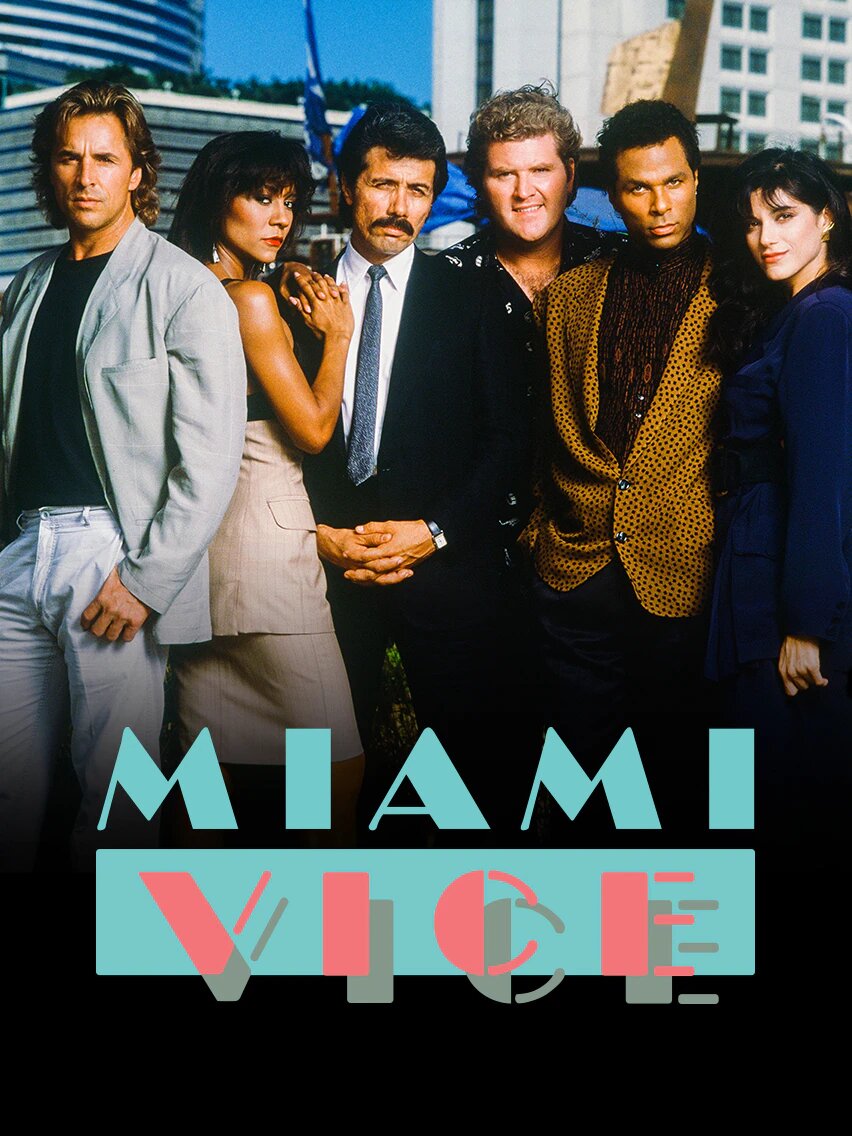
Miami Vice1984
The other side of 1980s cop TV: style and swagger, neon and cocaine, music as character. Tubbs and Crockett have that mentor dynamic but wrapped in pure visual seduction.
But Sometimes prioritizes looking cool over making sense. The music can overwhelm the story if you're not in the mood.
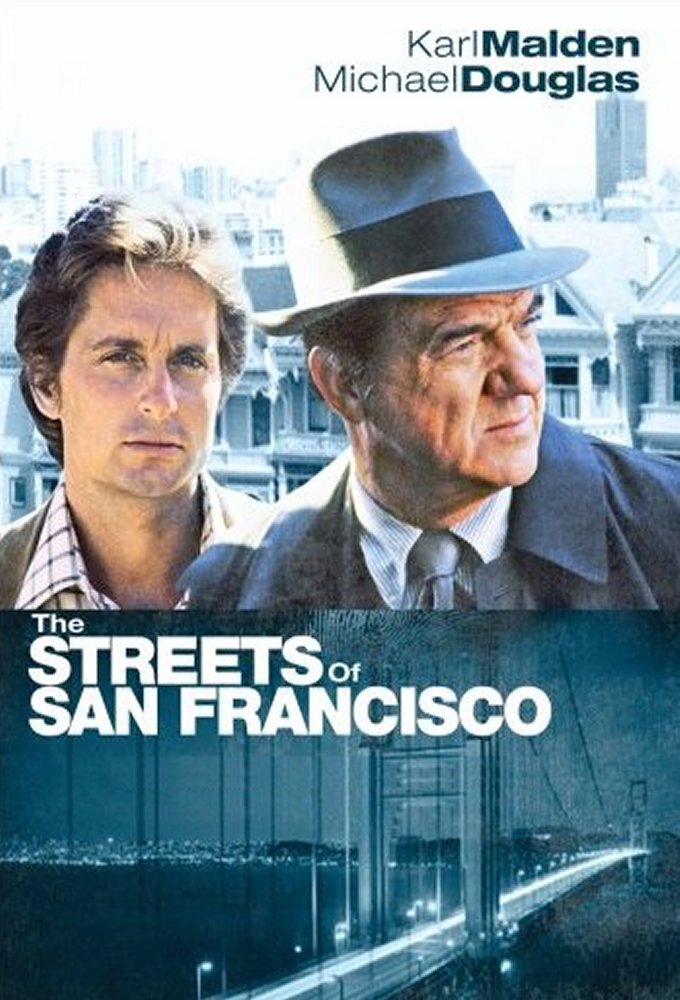
The Streets of San Francisco1972
The DNA of this show: an older detective and a younger partner, grounded in real locations, focused on the work. Karl Malden and Michael Douglas have wonderful chemistry.
But Much slower pacing than Hooker. 1970s TV moves at a different rhythm—some will find it glacial.
Not sure tonight? Get a pick in a minute, starting from T. J. Hooker
The wildcard
Something you would not have found on your own.
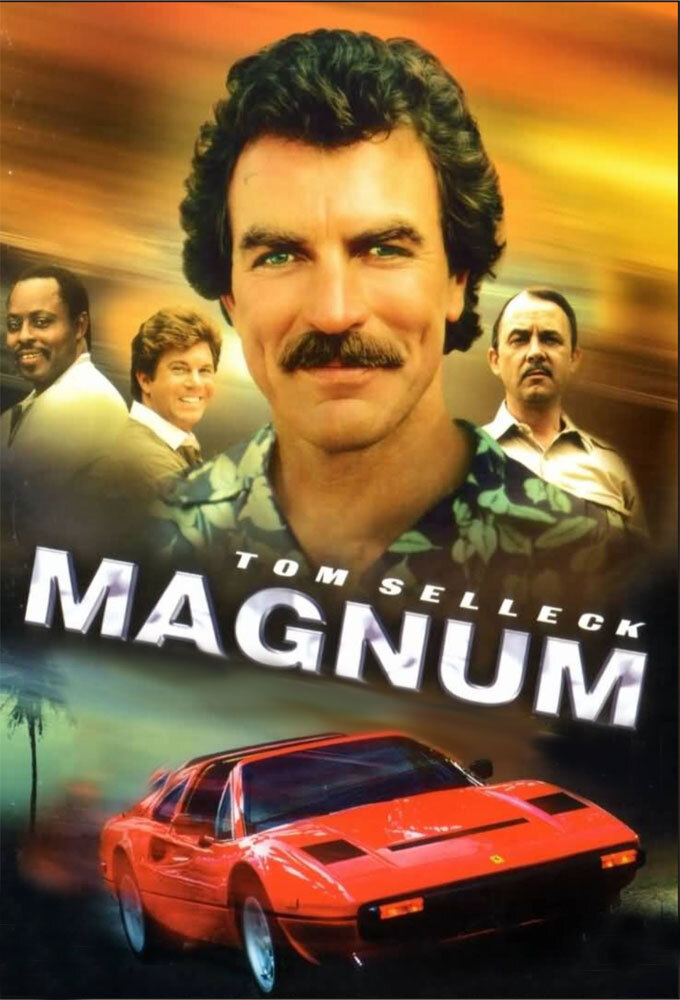
Magnum, P.I.1980
Both center a capable older lead guiding younger people through dangerous work; both balance action with genuine affection for their casts; both understand that mentorship is the real story.
Tom Selleck as a charming private investigator in Hawaii doing the exact work cops do, but in paradise. The mentor-rookie dynamic shifts: Magnum guides his friends rather than his partner, but the warmth is identical. Both shows are about competence, loyalty, and getting the job done with style.
But The show is frequently lightweight—episodes can feel like vacation tourism. If you want your crime drama serious, this undercuts it with too much charm.
More like this (8)
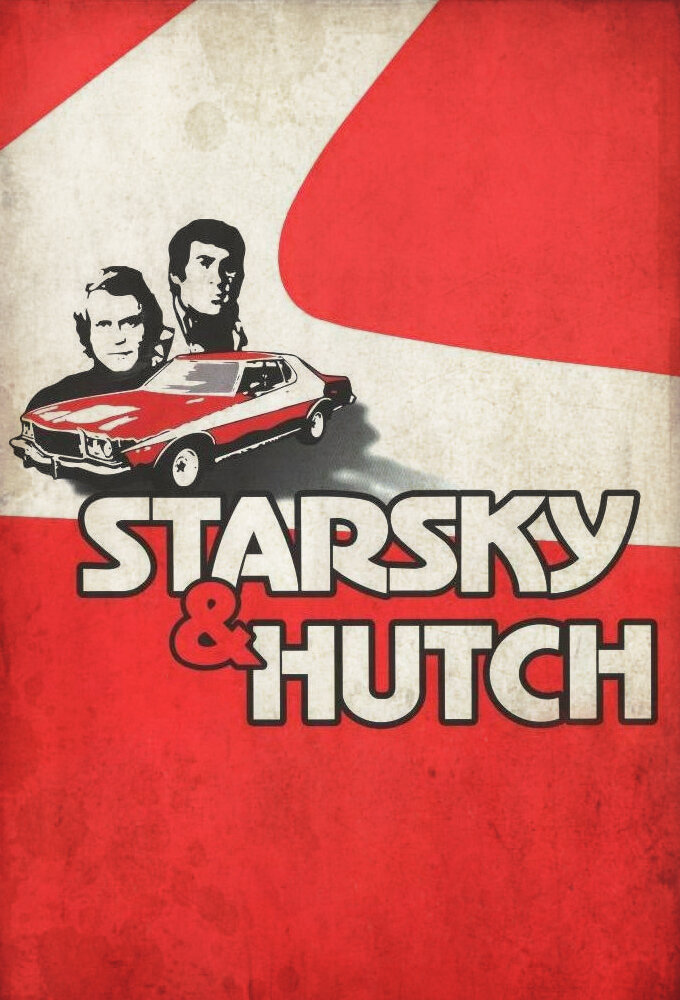
Starsky & Hutch1975
Action-forward buddy cop show that knows not to take itself too seriously. Great car chases, genuine warmth between the leads, pure Saturday-night fun.
But The camp is very present. If you want gritty realism, this swings the other direction entirely.
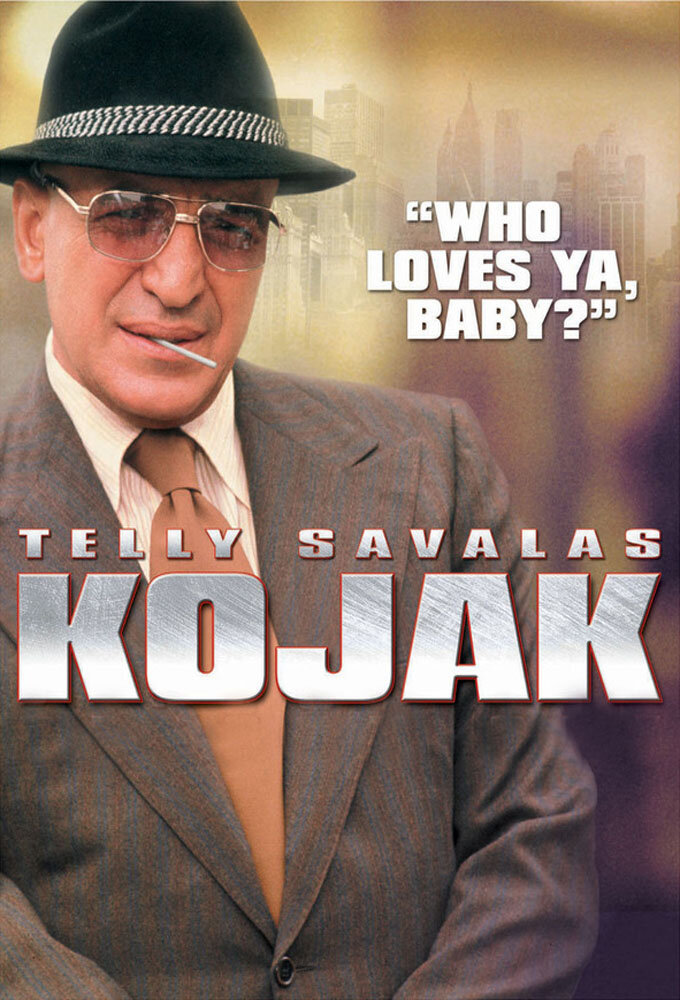
Kojak1973
Telly Savalas as a streetwise detective who bends rules to get results. Gritty 1970s crime drama with real swagger and a lead actor who commands every scene.
But Very much of its era—some storylines haven't aged well, and the pacing is deliberate rather than zippy.
Story of Kunning Palace2023
Anthology series showing different cops' stories in Los Angeles. Variety, strong writing, and it captures the unglamorous reality beneath the uniform.
But No ongoing characters means you're meeting new people every episode. That format can feel fragmented if you're seeking connection.

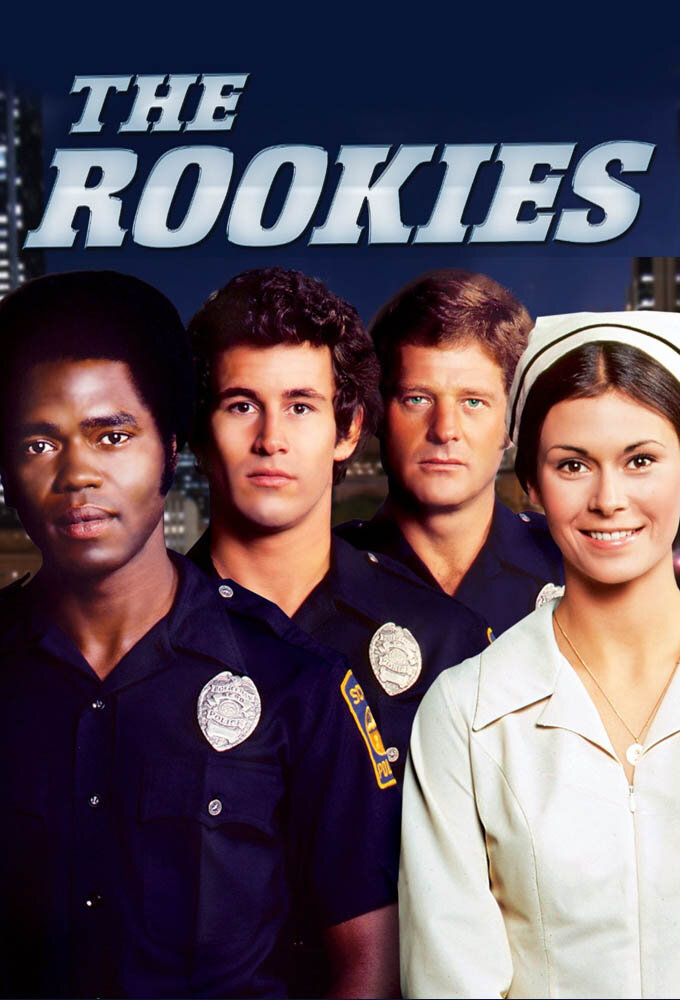
The Rookies1972
Young officers learning the job under older mentors—the exact DNA of Hooker's premise. Sincere, well-acted, captures what it actually feels like to wear the uniform.
But Earnest to the point of being slow. Not much humor, and the production values feel dated even for 1972.
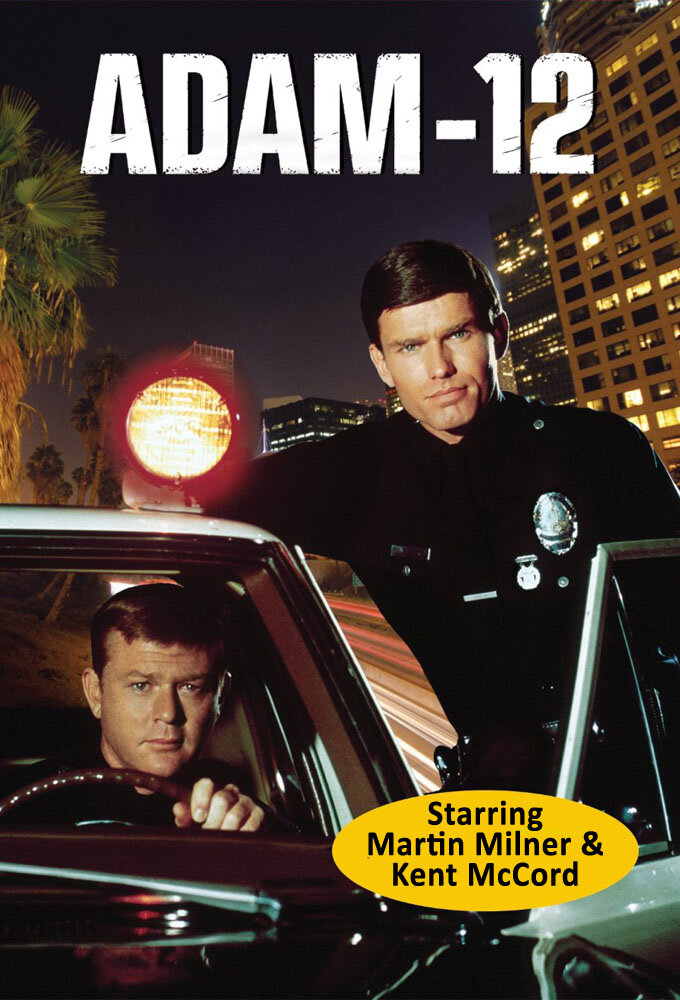
Adam-121968
The granddaddy of cop procedurals. Real LAPD consultant, authentic police work, two-man car units on the beat. Respectful of the job and the people who do it.
But Almost no plot in the modern sense. Each episode is a slice of a shift. If you need narrative momentum, it won't deliver.
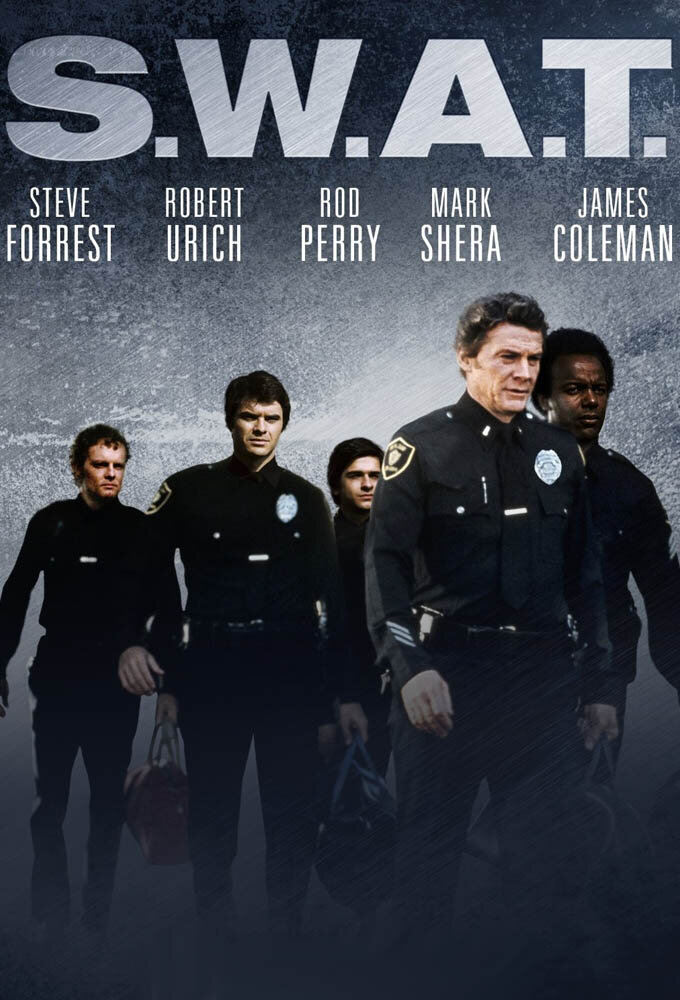
S.W.A.T.1975
High-octane action with good-natured chemistry between leads. Less interested in procedural realism than in delivering thrills and keeping things moving.
But Very much a B-side to the better cop shows. The plots are thin and the drama secondary to the action sequences.
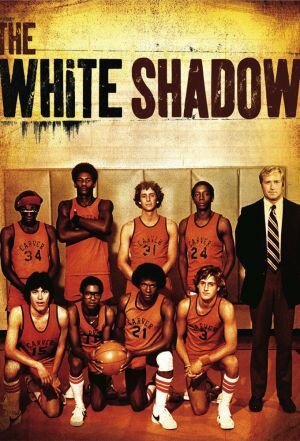
The White Shadow1978
Both are about a gruff veteran returned to training roles after a loss; both find drama in the mentoring relationship rather than just the job; both ask what it means to do the work right.
A seasoned basketball coach returns to his roots teaching inner-city high school students. It sounds like a sports show but it's actually about authority, legacy, and how experienced people shape the next generation. The structure mirrors Hooker exactly—veteran returns to teach, clashes with administration, earns respect through results.
But It's about basketball and education, not crime and action. Completely different aesthetic and pacing. You need to care about the kids, not just the action.
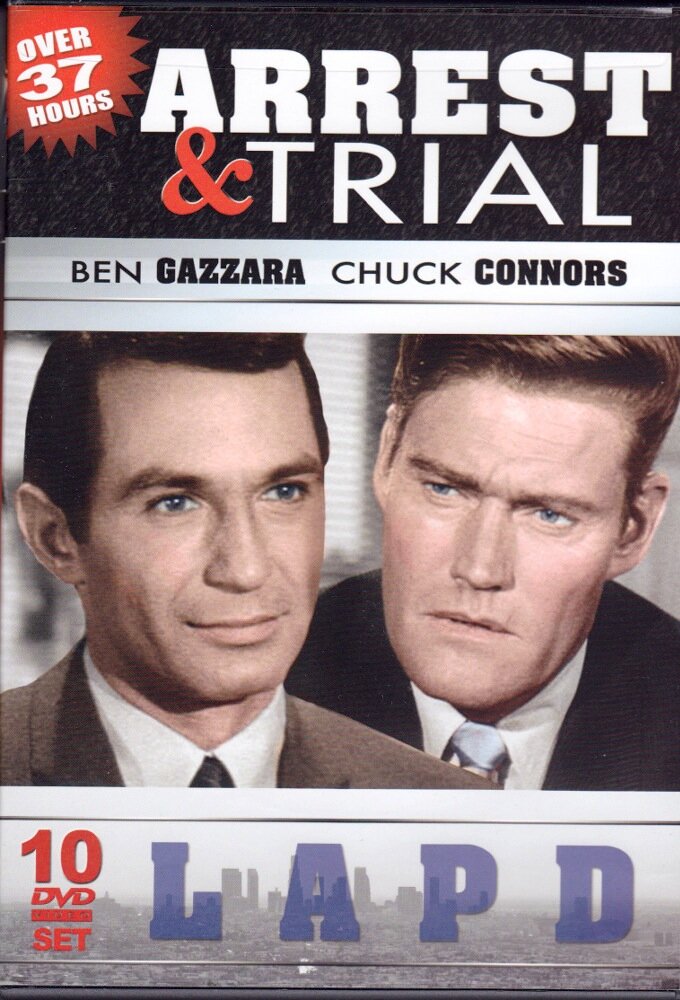
Arrest and Trial1963
Both examine crime and cops in Los Angeles; both are procedurals with series regulars; but where Hooker justifies cop authority, this questions it—same world, opposite perspective.
A defense attorney and a private investigator work cases from the other side of the badge. It's the inverse of Hooker—same city, same crime, different team, different moral center. Sharp writing, genuine legal questions, and it shows you exactly what the cops Hooker plays are doing to real people.
But Black and white, very early 1960s pacing, and you're often rooting against people like Hooker. It requires a different kind of engagement—thinking instead of just following.
People
Cast








Writing
- Rick HuskyCreator
- Dick NelsonExecutive Story Editor
- Jack V. FogartyExecutive Story Editor
- Rick KelbaughExecutive Story Editor
- Bruce ReismanStory Editor
- Joe ViolaStory Editor
- Robert BielakStory Editor
- Stan BerkowitzStory Editor
Production
- David M. SmithAssociate Producer
- James W. HayesAssociate Producer
- Janice Cooke-LeonardAssociate Producer
- Kenneth R. KochAssociate Producer
- Ed WatersCo-Producer
- Jack V. FogartyCo-Producer
- Kenneth R. KochCo-Producer
- Simon MuntnerCo-Producer
- Aaron SpellingExecutive Producer
- Leonard GoldbergExecutive Producer
- Bernie KukoffProducer
- Chuck BowmanProducer
- Don IngallsProducer
- Jeffrey M. HayesProducer
- Kenneth R. KochProducer
- Mark RodgersProducer
- Stephen DowningProducer
- Steve KlineProducer
- Rick HuskySupervising Producer