
Television series
Kojak
Kojak is the tough-love NYPD boss you'd want on your case: bald, bulldog-jawed, sucking lollipops instead of cigarettes, working Manhattan's grimiest cases with equal parts menace and tenderness. It's 1970s procedural TV at its most confident — episodic, streetwise, unhurried by modern plotting, built entirely around Telly Savalas's magnetic, quotable performance. Comfort viewing for anyone who likes their cop shows craggy, moral, and a little theatrical.
If you liked this
The Streets of San Francisco1972
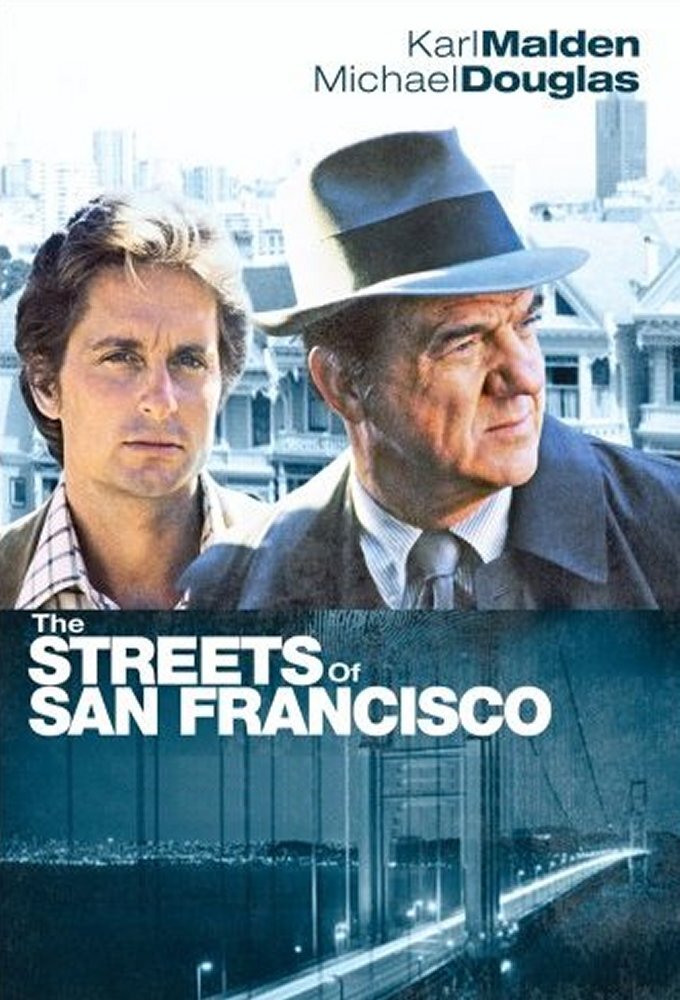
Michael Douglas's rookie paired with Karl Malden's grizzled lieutenant gives you the same mentor-and-partner chemistry Kojak has with Crocker, shot with the same location-heavy, morally weathered 70s cop-show confidence.
But Slower and more courtroom-adjacent than Kojak's street action, with some episodes leaning talky rather than tense.
Columbo1968
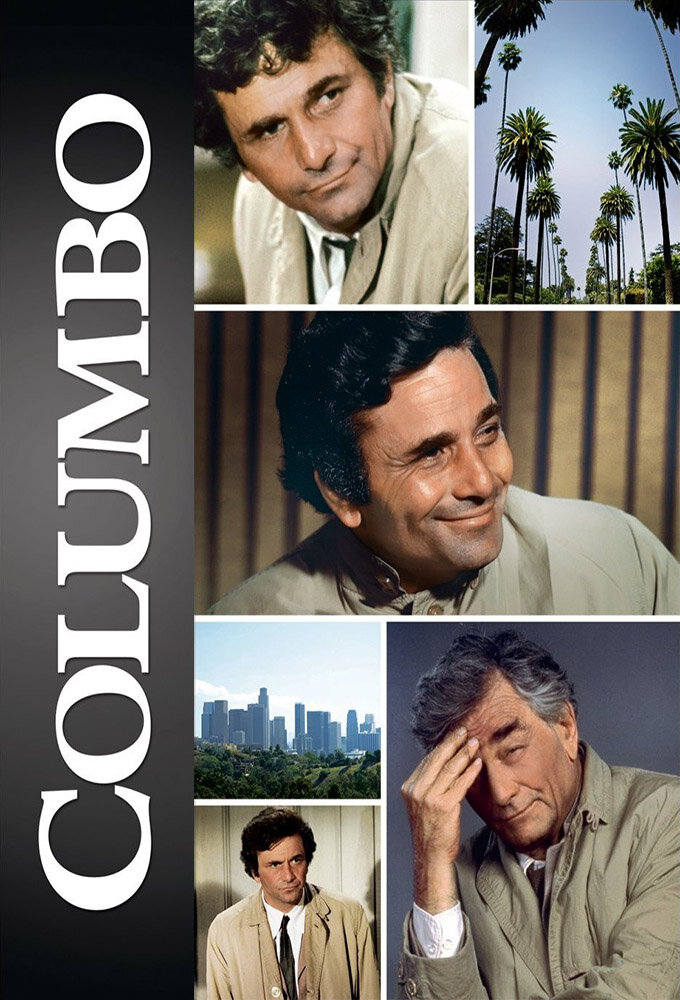
Same golden-age detective-TV era but inverted: you know the killer from minute one, and the pleasure is watching Columbo's disarming, shambling persistence unravel them — a gentler cousin to Kojak's bruiser charisma.
But No whodunit tension at all, which will frustrate anyone who likes guessing along with the case.
The Rockford Files1974
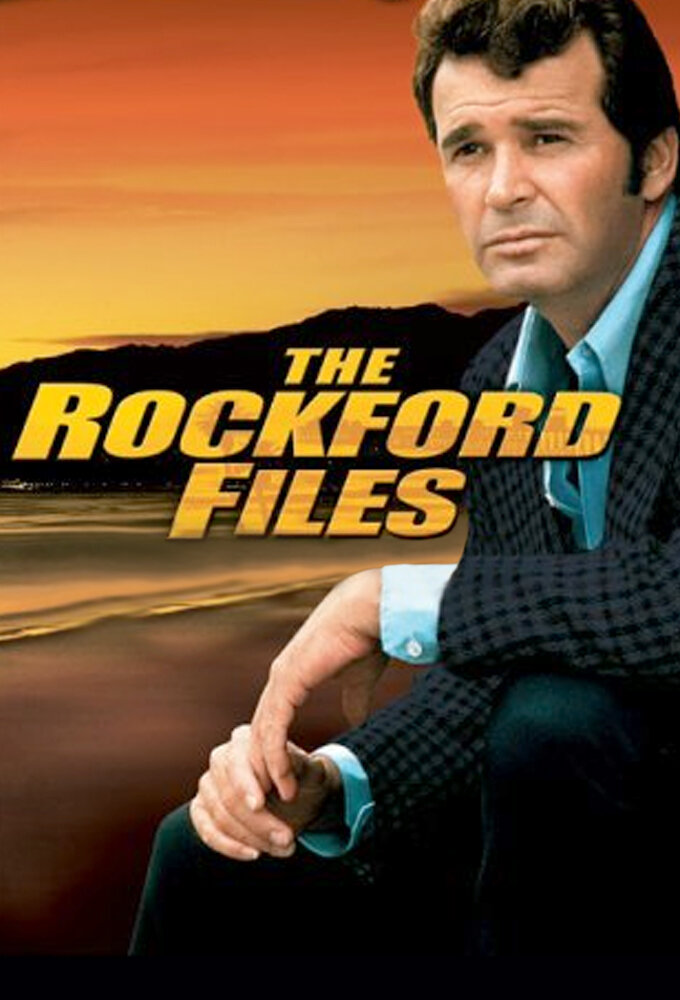
James Garner takes the era's tough-guy investigator mold and deflates it with wit and weariness — same decade, same grimy urban texture, entirely opposite temperament to Kojak's bulldog authority.
But Shaggier, lower-stakes plotting and a comedic streak that's a big step down in intensity from Kojak's crime drama.
The wildcard
Something you would not have found on your own.
The Naked City1948
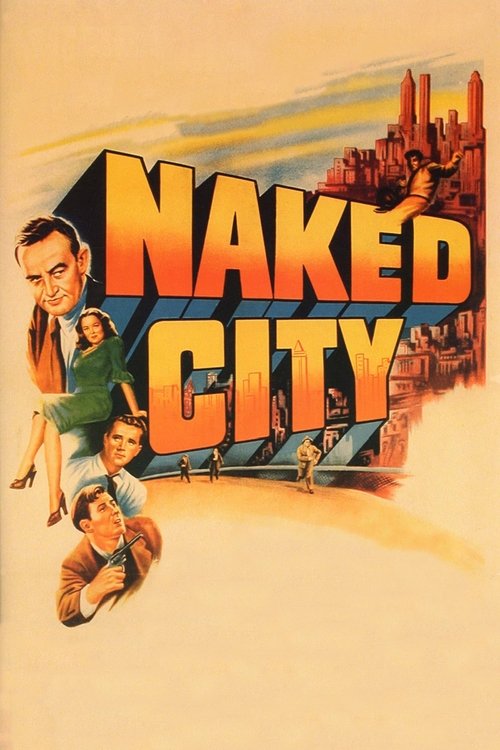
Kojak's whole aesthetic — location-shot NYC grit, the sense that the city itself has a million stories — descends directly from this film, which invented the semi-documentary cop-movie style that 70s TV inherited wholesale.
A moody, gorgeous noir shot on real Manhattan streets decades before Kojak got there, following a rumpled detective through a murder case with the same patient, streetwise logic.
But Black-and-white, slow-burn, and 1940s pacing that will feel like a different planet if you're used to episodic 70s TV rhythms.
More like this (8)
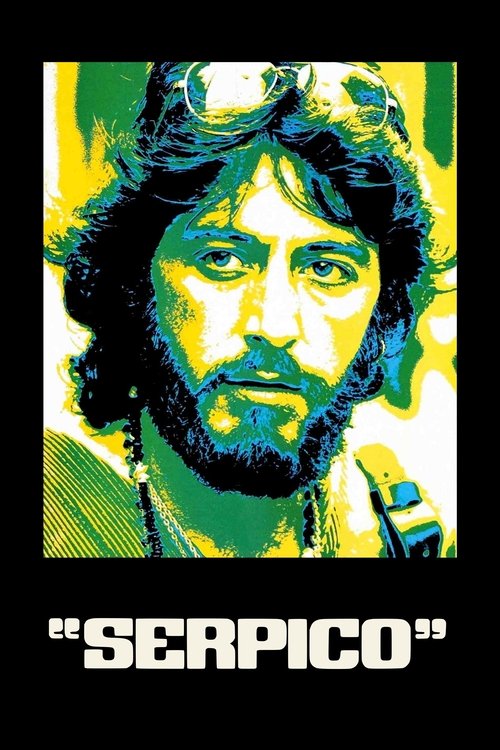
Serpico1973
Al Pacino's real-life NYPD whistleblower walks the same grimy Manhattan streets Kojak patrols, showing exactly the corrupt department Kojak insists on staying clean inside — essential companion viewing.
But Angrier, heavier, and far more political than Kojak's episodic crime-of-the-week comfort.
Hill Street Blues1981
Takes Kojak's single-lieutenant heroics and multiplies them into a sprawling precinct ensemble, effectively inventing the serialized cop-show format that would dominate television for decades afterward.
But Denser plotting, more characters to track, and a colder visual style than Kojak's clean, stand-alone episodes.
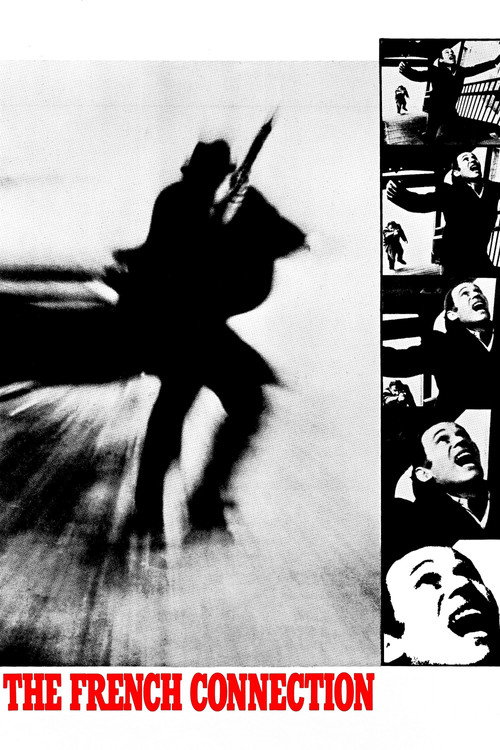
The French Connection1971
Gene Hackman's Popeye Doyle is the id Kojak keeps leashed — same NYC narcotics grime, same era, but ruthless and unglamorous where Kojak stays stubbornly humane.
But Bleaker, more amoral, and famously sparse on dialogue compared to Kojak's talkier, more theatrical style.
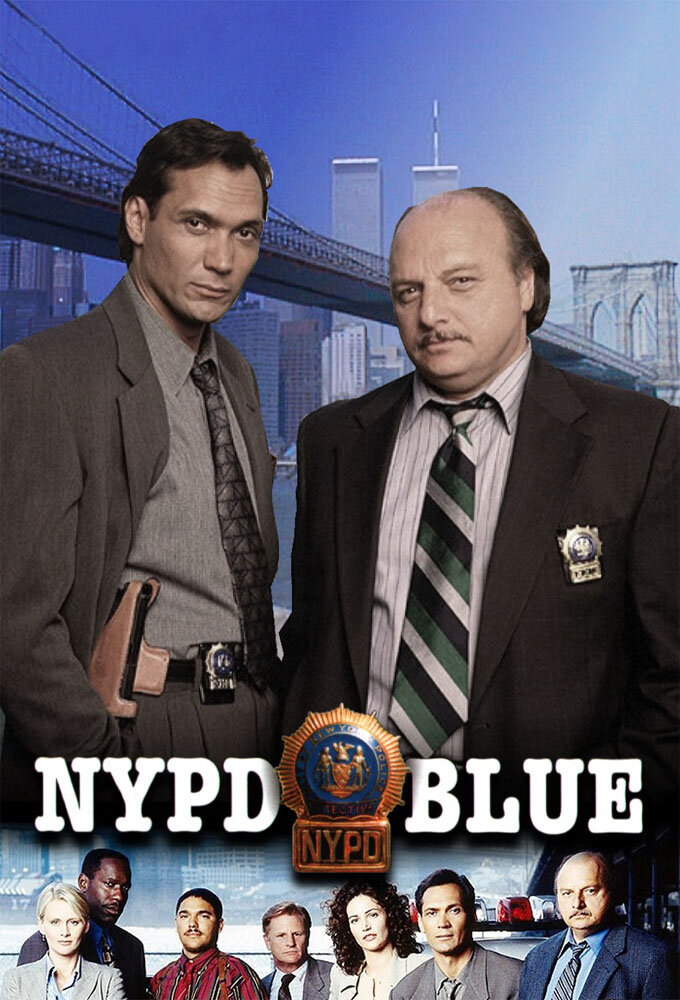
NYPD Blue1993
Picks up Kojak's tough-cop, morally-compromised DNA two decades on, adding serialized relationships and rawer language — the clearest televisual descendant of the character.
But Grittier content and ongoing arcs demand more commitment than Kojak's easy, self-contained cases.
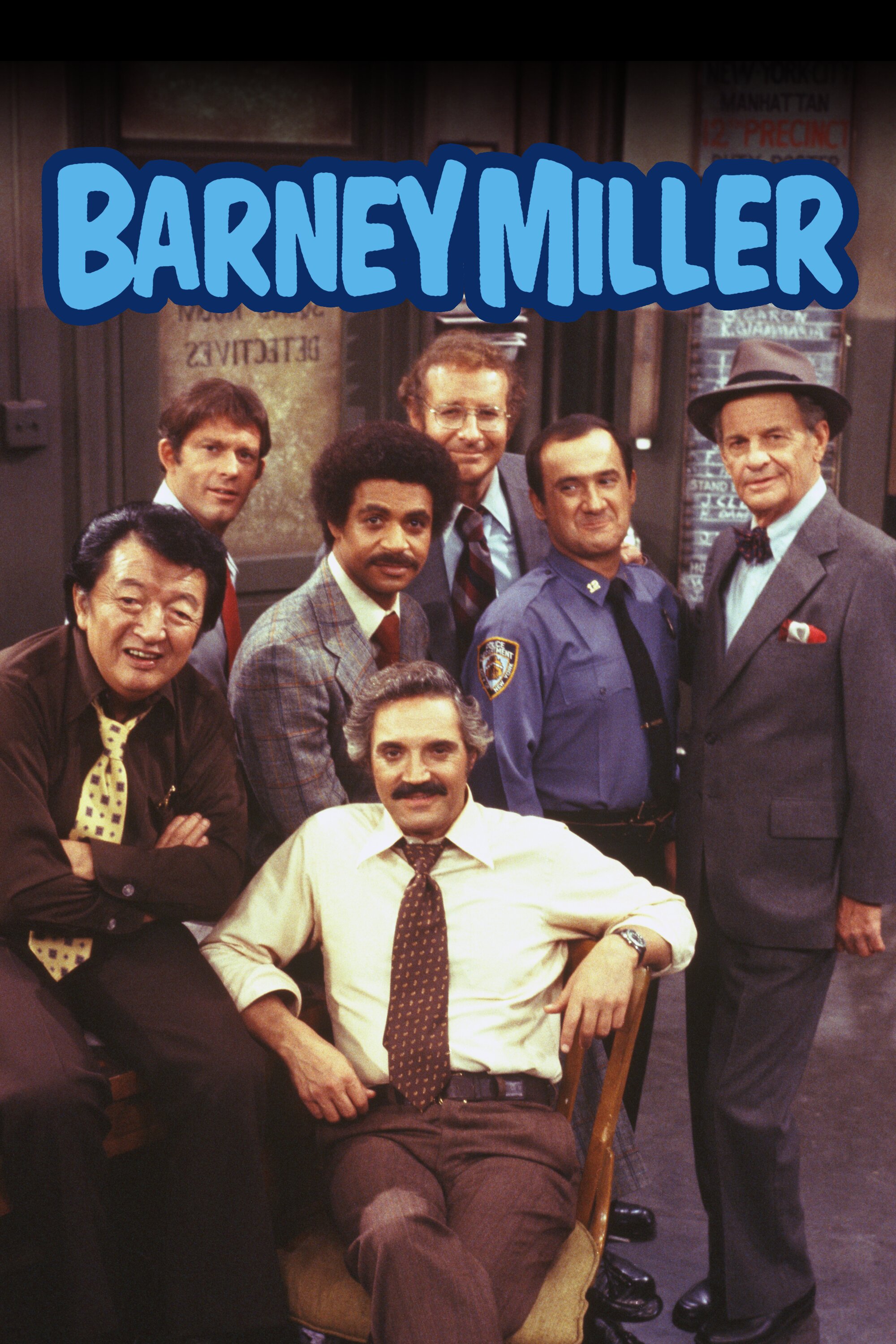
Barney Miller1975
Same NYPD precinct, same decade, but played as a deadpan sitcom — a lovely palette-cleanser after Kojak's tougher cases, with real warmth for cops and criminals alike.
But If you want crime-drama tension, a laugh-tracked sitcom about paperwork will feel like a hard left turn.
Dragnet1967no page yet
The clipped, just-the-facts ancestor of every TV cop show including Kojak — worth seeing where the genre's procedural bones actually came from.
But Stiffer, more moralistic, and its dated delivery can feel almost comically flat next to Kojak's looser style.
The Police Tapes1977no page yet
Filmed in the Bronx during the same years Kojak aired, this documentary is the unscripted version of the show's fictional grit — same city, same era, real cops, no writers' room.
Startling verité footage, shot on then-new low-light video in the real 44th Precinct, showing the chaos, boredom and danger behind the badge that Kojak dramatizes with a lollipop and a wink.
But No plot, no charismatic lead, rough handheld video image, and stretches of genuinely numbing ordinariness.
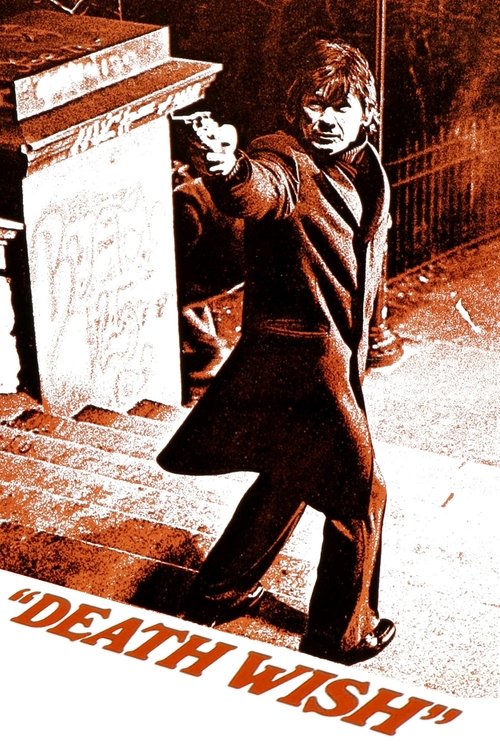
Death Wish1974
Kojak works within the system, bending rules for justice; Death Wish takes the same city and the same 70s crime anxieties and pushes them past the badge entirely into vigilante fantasy — the same fears, taken to their darkest conclusion.
Charles Bronson's grieving architect turns vigilante on Kojak's own Manhattan streets, dramatizing the same era's crime panic with none of Kojak's restraint, decency, or lollipops.
But Much nastier and more nihilistic — this is exploitation cinema, not a network procedural, and shares none of Kojak's warmth.
People
Cast
Writing
- Abby MannCreator
Production
- Arthur E. McLairdAssociate Producer
- Michael ScheffAssociate Producer
- Abby MannExecutive Producer
- James Duff McAdamsExecutive Producer
- Matthew RapfExecutive Producer
- Jack LairdSupervising Producer
- Matthew RapfSupervising Producer