
Film
The Police Tapes
- Police procedural
- Very dark
A harrowing 1977 documentary that rides with South Bronx police officers through their daily grind in America's most dangerous precinct. Shot with unflinching intimacy over three months, it captures the grinding fatigue, moral compromise, and gallows humour of cops managing systemic collapse. Essential viewing for anyone trying to understand urban America or police culture.
Should you watch it?
Watch it if you want observational documentary that lets the street speak for itself, with no narrator steering you toward a verdict and the grit of 1970s urban life pressing close.
Skip it if you need a clear story, a central character to follow, or a film that tidies its moral questions; this is raw, unresolved, and at times repetitive in its sheer accumulation of encounters.
What it asks of you: Eighty-eight minutes of patient watching, mostly unnarrated, where you piece together the neighborhood and its police from fragments rather than being handed conclusions.
Not sure? Find tonight's pick in a minute.
If you liked this
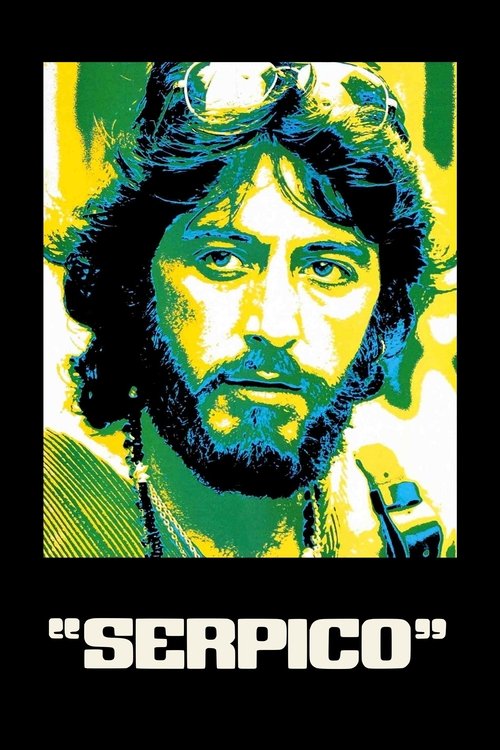
Serpico1973
Al Pacino as a cop fighting corruption from within the NYPD, with the same grimy '70s New York authenticity and moral reckoning The Police Tapes delivers without sentiment.
But It's a narrative film with a hero's arc, so it softens some edges The Police Tapes doesn't. Less raw than you might want.
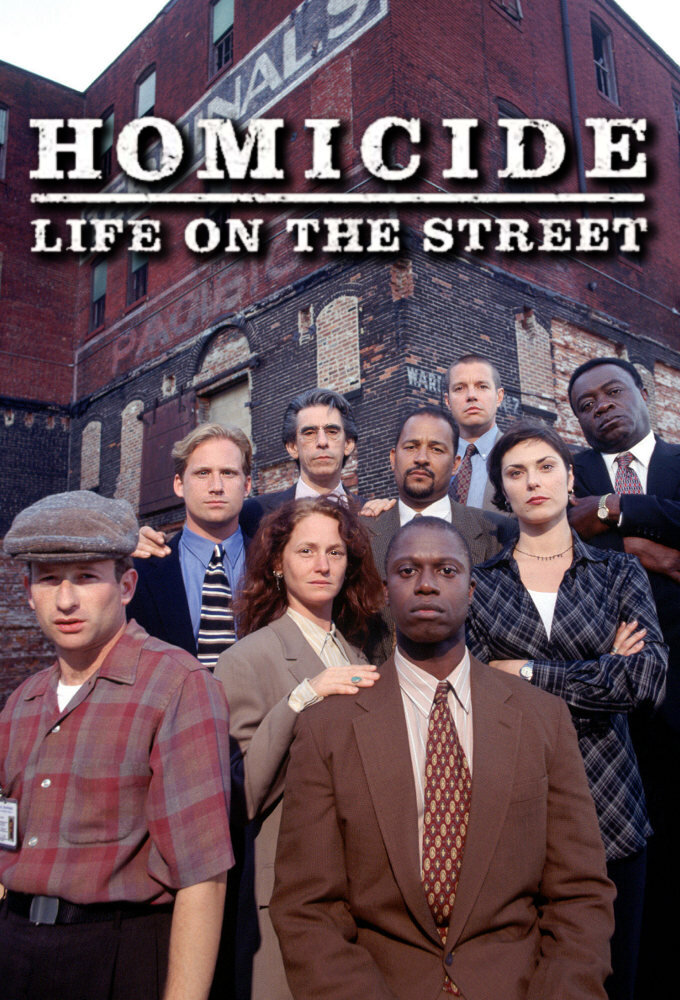
Homicide: Life on the Street1993
A police procedural that actually respects your intelligence and the complexity of its detectives. Same unflinching look at institutional failure and what it does to good people.
But It's a drama, so it manufactures tension in ways a real documentary doesn't. Takes longer to build its world.
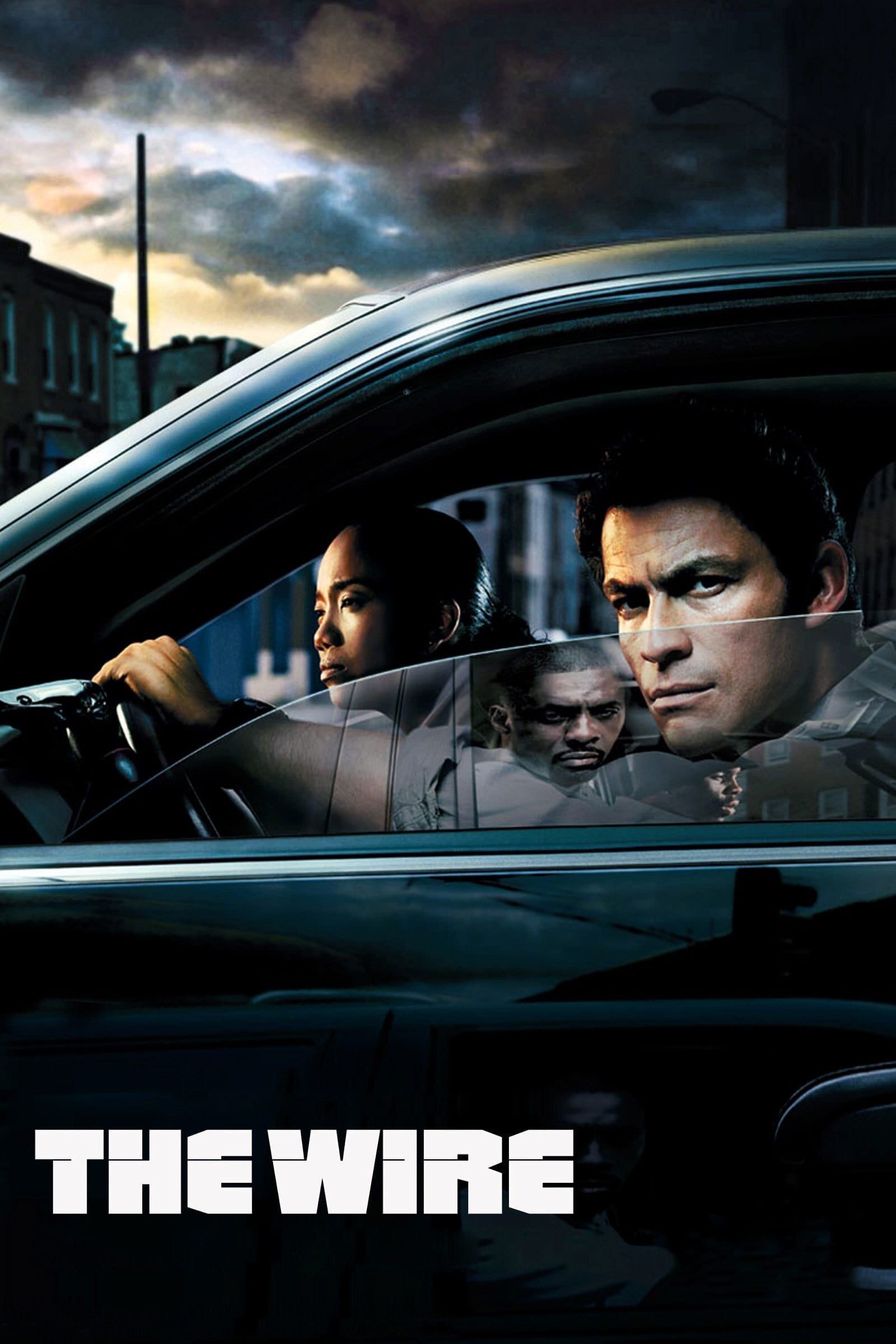
The Wire2002
The definitive portrait of systemic urban decay in Baltimore, where police are one part of a larger machinery of failure. Shot with documentary realism despite being fiction.
But Five seasons is a commitment. The first season can feel slow if you're expecting plot momentum instead of observation.
Not sure tonight? Get a pick in a minute, starting from The Police Tapes
The wildcard
Something you would not have found on your own.
Grey Gardens1976
Both are verite documentaries from the mid-1970s that redefined what intimate observation could reveal about American life, using extended access to capture people in their actual environment without intervention.
Documentarians Albert and David Maysles spent months inside a decaying mansion with eccentric subjects, letting the camera observe without judgment. Same intimate, unsettling immersion The Police Tapes pioneered, but turned inward on private obsession instead of public failure.
But It's slow, digressive, and deliberately unresolved. No narrative arc or clarity about what you've witnessed. Demands patience most people won't have.

More like this (7)
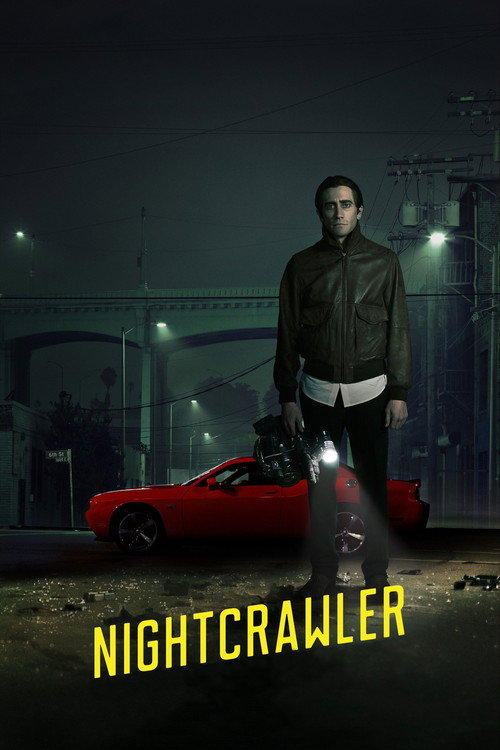
Nightcrawler2014
A savage look at how media sensationalizes crime and suffering in cities like LA. Same unflinching eye for the machinery that creates desperation.
But It's a thriller, so it builds toward confrontation. Less interested in systemic analysis than character study.
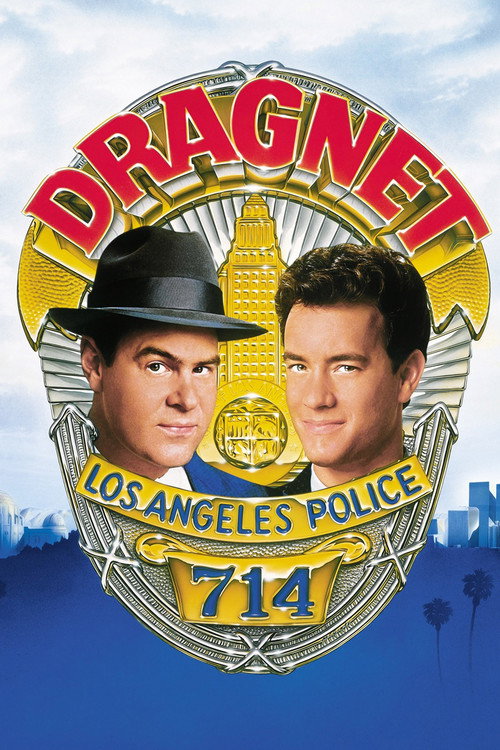
Dragnet1987
Dan Aykroyd's parody of LAPD cop culture, which actually illuminates what's absurd about police procedure and macho posturing through laughter.
But It's a comedy, so if you're seeking gravity and moral weight, this pivots to satire instead.
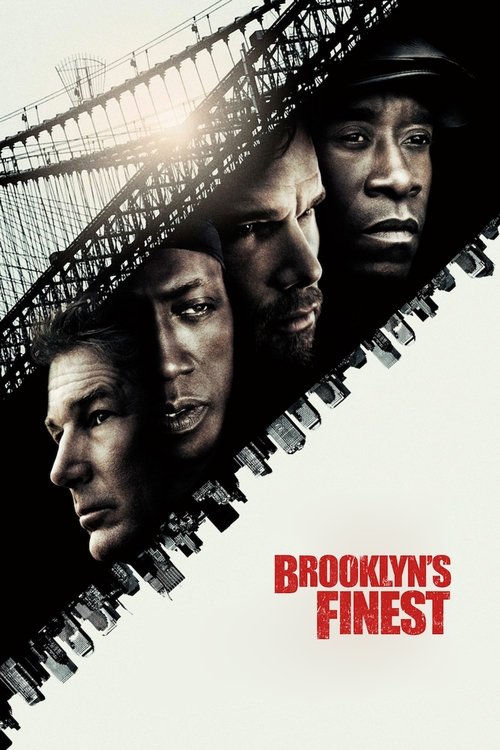
Brooklyn's Finest2010
Three cops in different moral positions navigating a corrupt system. Gritty procedural about the weight of the job and institutional failure.
But It's a narrative ensemble, so it resolves in ways documentary doesn't. Some plot threads feel manufactured.
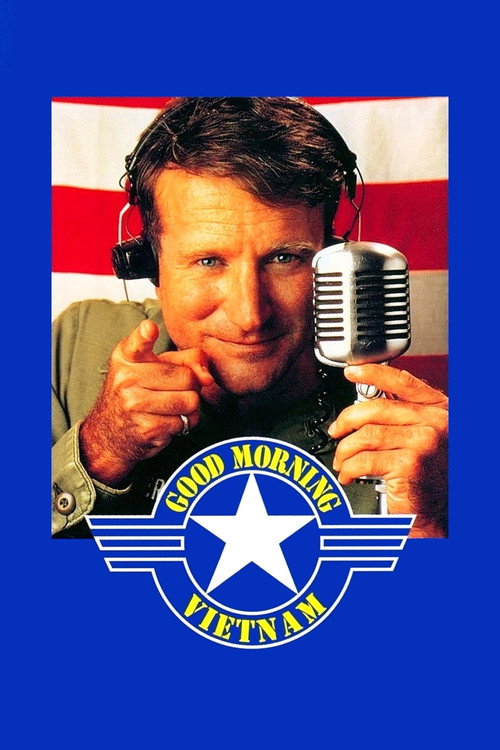
Good Morning, Vietnam1987
Robin Williams as a radio operator navigating an institution's lies and his own complicity. Same tension between individual conscience and systemic pressure.
But War comedy-drama, so the register is very different. Not about policing and requires patience for Williams's persona.
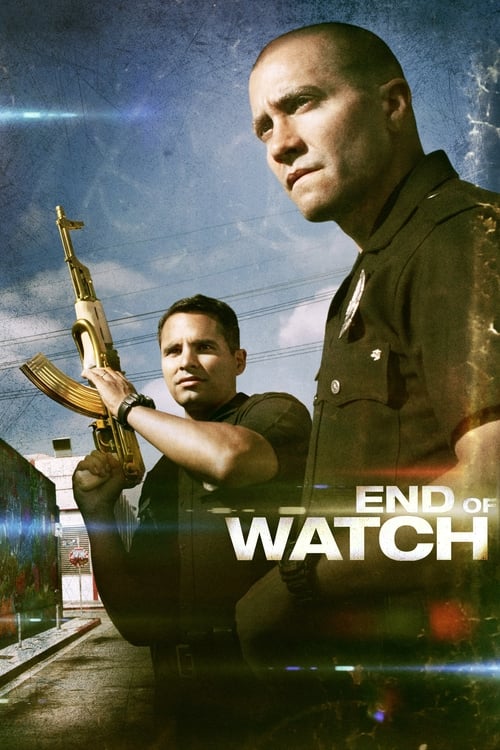
End of Watch2012
Handheld-camera police drama with real procedural detail and partnership at its core. Captures the mundane and dangerous rhythm of patrol work.
But It's actor-driven and leans toward sentiment. Less interested in systemic critique than personal stakes.
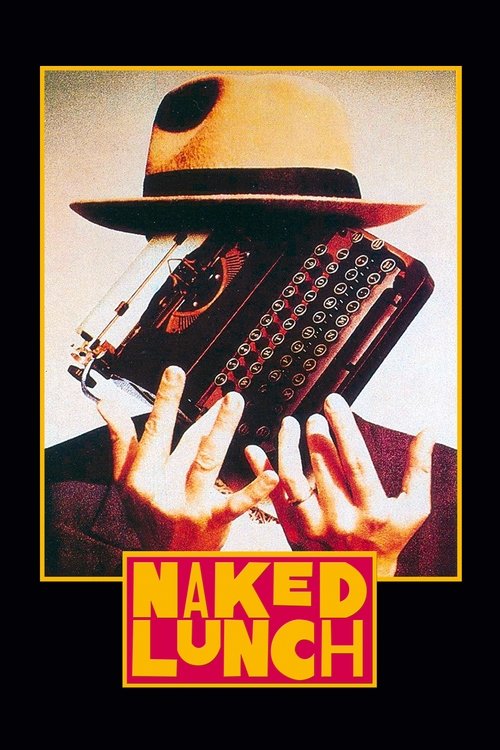
Naked Lunch1991
Both examine the mechanics of systems that break people—police and urban decay versus addiction and bureaucratic surveillance—but one is documentary truth and the other is hallucinatory metaphor for the same helplessness.
David Cronenberg's adaptation of Burroughs transforms addiction and institutional control into surrealist nightmare. Sounds opposite to The Police Tapes but explores the same terrain—systems of control and the people trapped inside them—just through the lens of chaos and body horror.
But It's deliberately obscure, nonlinear, and visually grotesque. If you want clarity and documentary realism, this is the opposite direction.
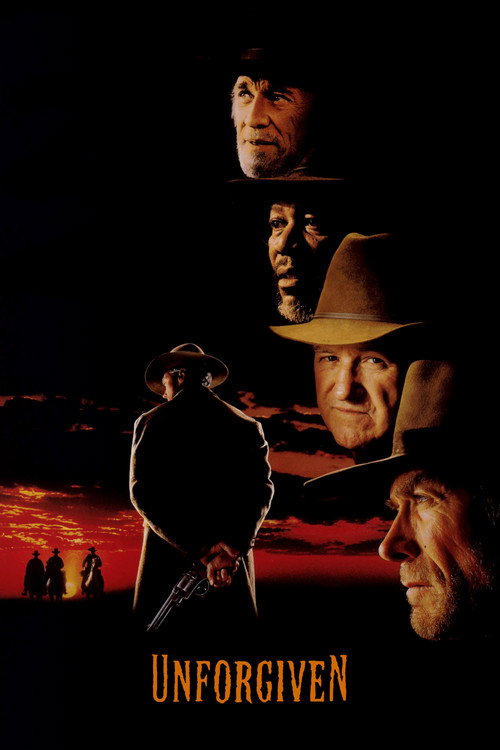
Unforgiven1992
Both interrogate what it actually costs to maintain order—The Police Tapes through direct observation, Unforgiven through the reckoning of men who've been broken by the work itself.
Clint Eastwood's revisionist western about aging lawmen and the cost of violence. Takes the mythology of policing and power that The Police Tapes documents with grim realism and deconstructs it through a different genre, questioning whether order is ever actually achieved.
But It's a western, so if you're expecting urban realism, you're entering mythology instead. Slower and more philosophically minded than punch-the-clock procedural.
People
Cast
- Charles RydellNarrator
- Anthony BouzaHimself, Bronx Borough Commander
Directing
- Alan RaymondDirector
- Susan RaymondDirector