
Television series
The Streets of San Francisco
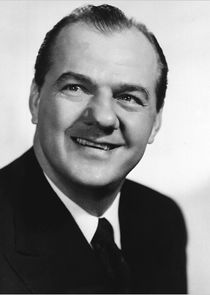
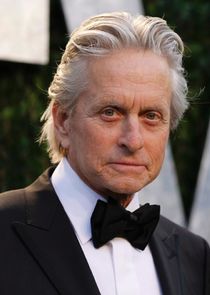
A city as gorgeous as sin, a veteran who's seen everything, and a rookie with a college degree and no calluses yet — Streets of San Francisco built the modern buddy-cop procedural before the term existed. Malden's gruff warmth and Douglas's coltish intensity carry hour-long homicide cases shot on real hills and real fog. It's comfort-food crime: methodical, humane, occasionally thrilling, never cynical.
If you liked this
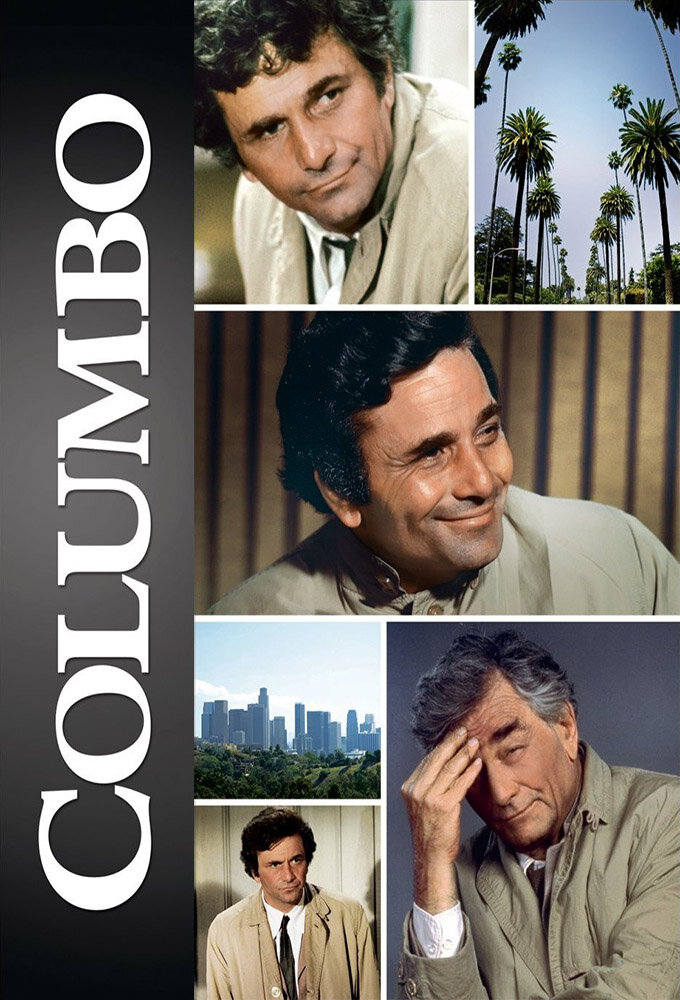
Columbo1968
Same decade, same appetite for procedure, but flips the formula entirely — you know the killer from minute one and watch a rumpled genius work backward with unhurried confidence.
But No partner dynamic at all; if the Stone-and-Keller chemistry is what hooked you, Columbo's solo act plays as a genuinely different show.
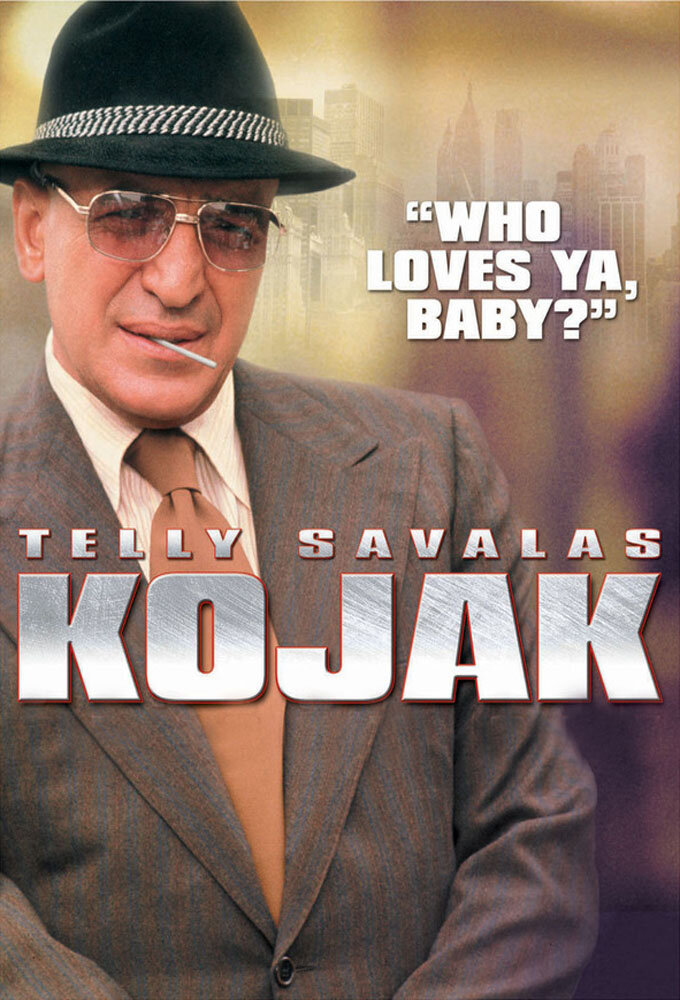
Kojak1973
Same era's specific texture of urban decay and old-school procedure, transplanted to a grittier, lollipop-sucking New York — a good next stop for that particular decade's mood.
But Kojak is flashier and more of a one-man show, with far less of the mentor-mentee warmth that made Stone and Keller work.
Hill Street Blues1981
Takes the same instinct — cops as tired, decent people doing a hard job — and detonates it into a sprawling ensemble that basically invented the modern cop drama's DNA.
But Far more characters and overlapping serialized plots; it demands a patience the weekly, self-contained Streets never asked of you.
The wildcard
Something you would not have found on your own.
Naked City1958
Streets of San Francisco's whole method — real locations doing half the storytelling, a city treated as a character — is a direct descendant of what Naked City did first, fifteen years earlier.
Black-and-white, shot entirely on New York's actual streets a decade before Streets did the same for San Francisco — the show that proved a city's real texture could be the main character.
But An anthology structure means no ongoing partnership to root for, and the 1950s style will feel genuinely old, not just retro.
More like this (8)
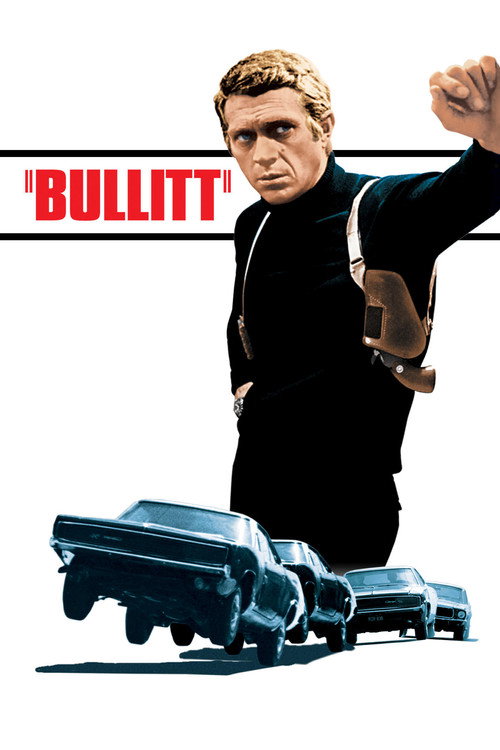
Bullitt1968
The car chase that taught every cop show how to use San Francisco's hills as a character, with Steve McQueen at his most implacably cool. Same city, same appetite for procedure under pressure.
But A lean, plot-light 90-odd minutes with zero partner banter — if you came for the mentorship, there's none here.
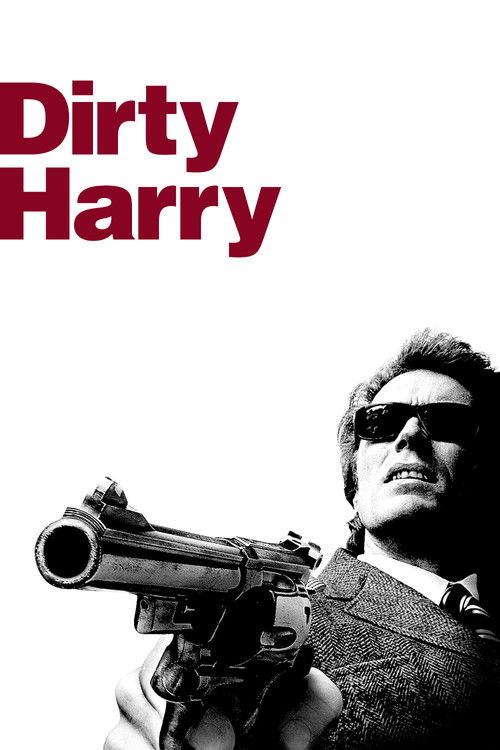
Dirty Harry1971
Made the same year the show premiered, in the same city, with a much angrier, more morally compromised version of the veteran-cop archetype Malden plays so gently.
But Genuinely nasty in places, with a vigilante streak the show never indulges — a hard swing from cosy procedural into provocation.
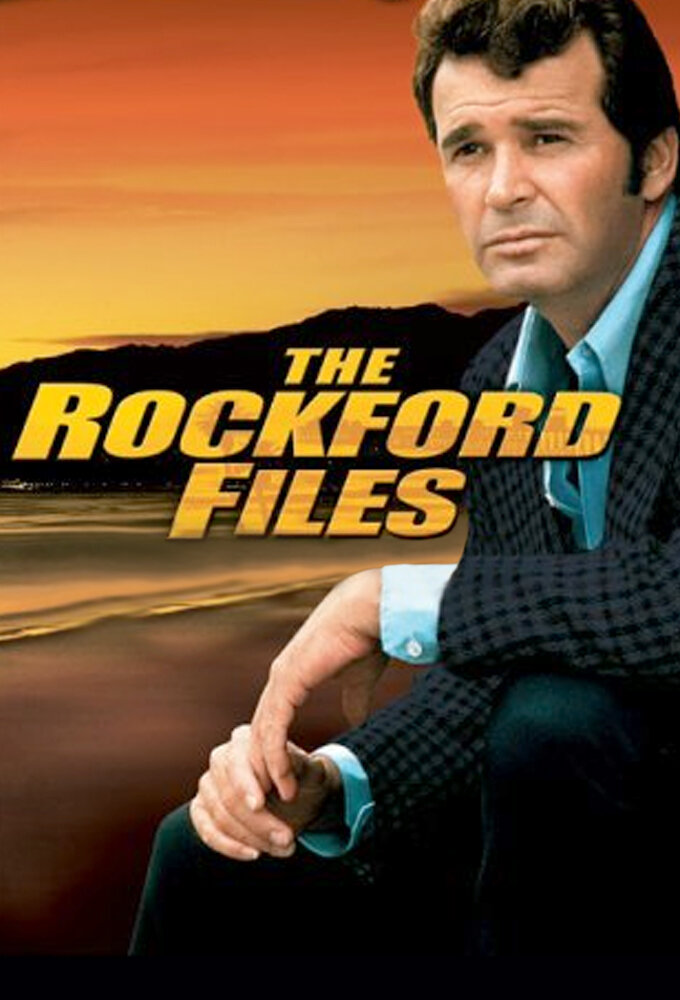
The Rockford Files1974
Trades homicide-detail solemnity for a wry, shambling private eye who'd rather talk his way out of trouble than throw a punch — same decade, same coast, a much lighter register.
But Rockford is cynical and allergic to authority; the found-family warmth between Stone and Keller isn't really the point of this one.
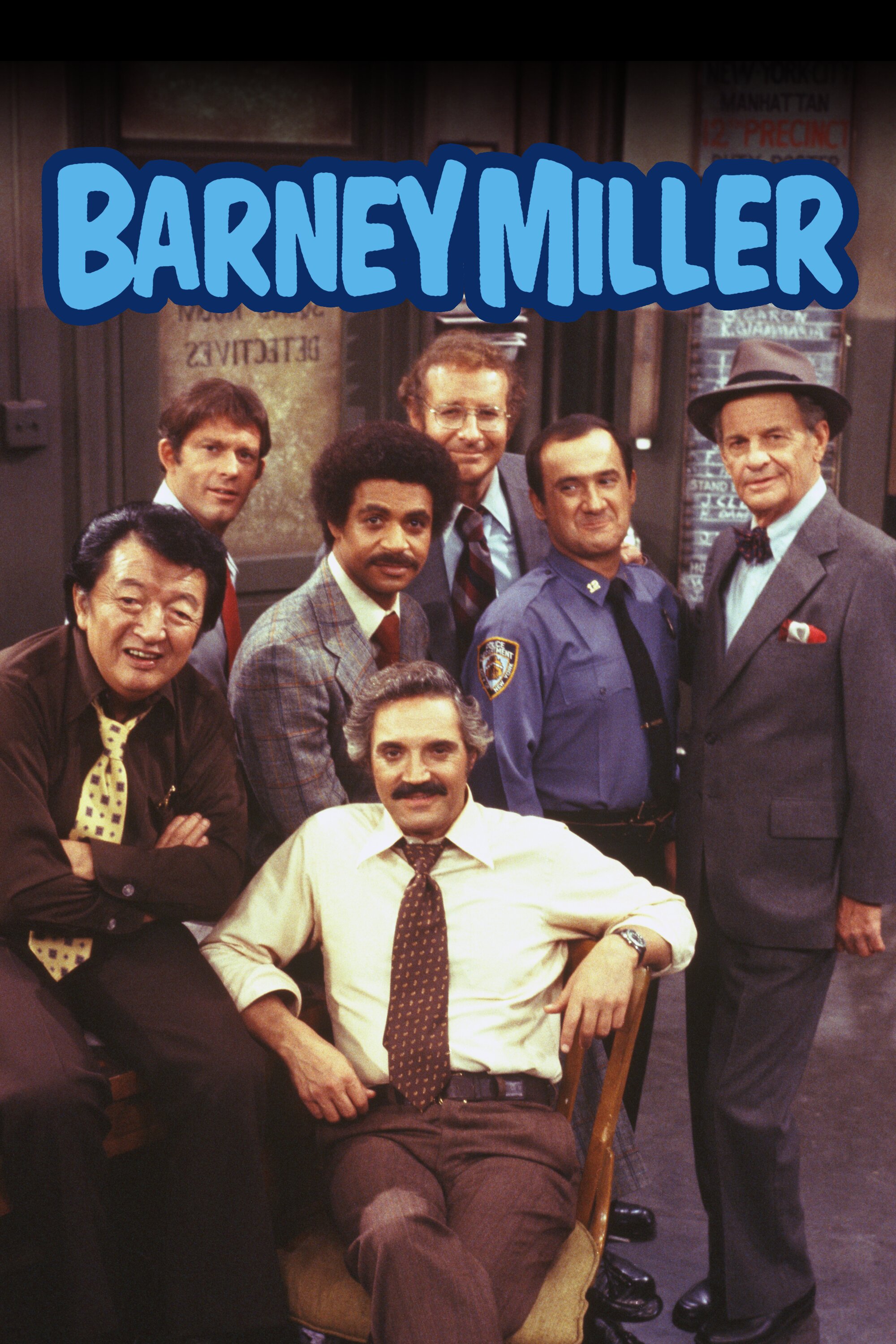
Barney Miller1975
Same decade's interest in policing as grind rather than gunfight, but played entirely as a single-room sitcom with enormous, unexpected heart.
But Comedy first, drama a distant second — no homicide cases, no chases, just paperwork, personalities, and holding cells.
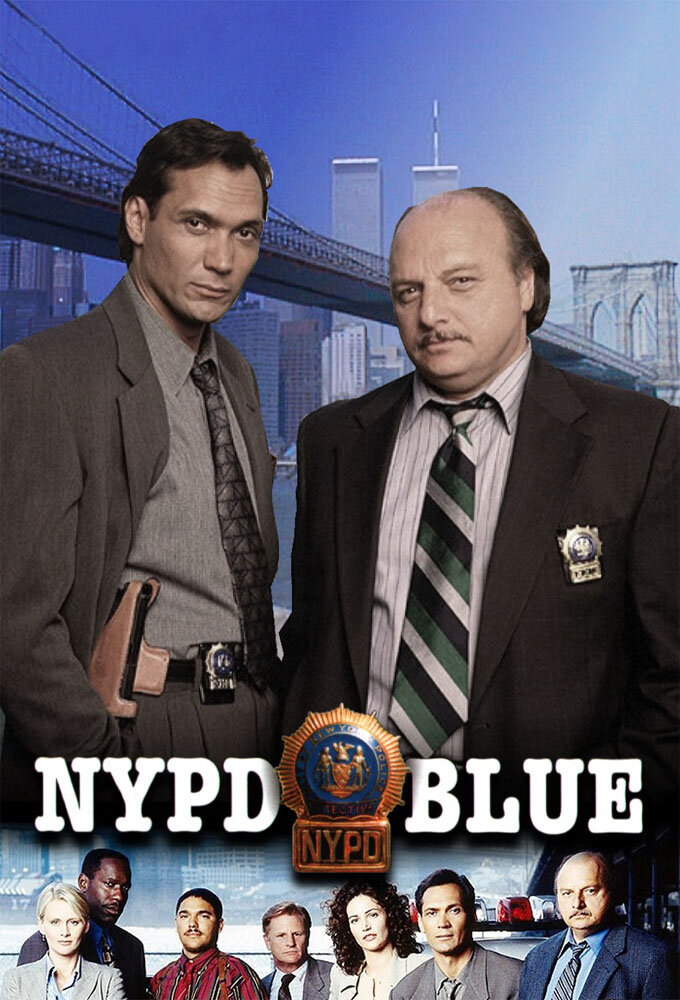
NYPD Blue1993
A rawer descendant of the mentor-and-rookie format, with the same generational-handoff structure but sharper writing and real consequences for the people involved.
But Grittier and more sexually frank, shot with a restless handheld style that's a world away from the show's steadier 1970s camera.
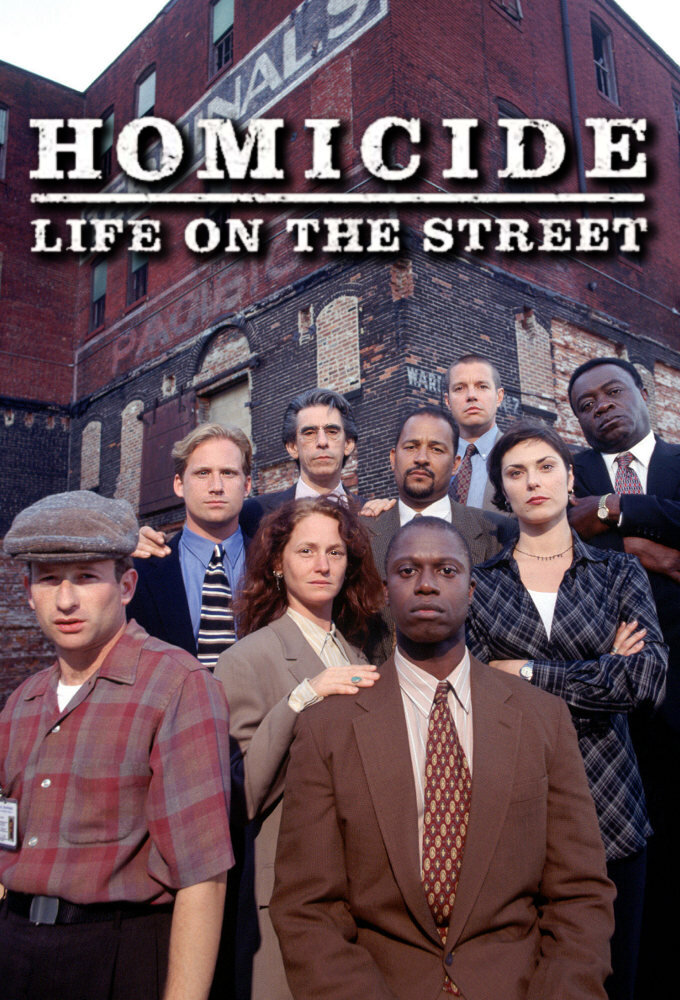
Homicide: Life on the Street1993
If the homicide-detail setting is what you loved, this is the show that pushed that same premise into genuinely great, morally complicated television.
But Baltimore's bleakness and the show's willingness to leave cases unsolved make for a much colder experience than Stone and Keller's world.
The Thin Blue Line1988
It takes the show's core faith — that careful detective work gets you to the truth — and asks, unflinchingly, what happens when that faith is wrong.
A documentary about a real Texas homicide case that unravels, piece by piece, how fragile the confident-detective story can be — told with the same patient attention to procedure Streets pays to police work.
But This is a serious, unsettling film about a wrongful conviction, with none of the comfort or tidy resolution a weekly procedural offers.
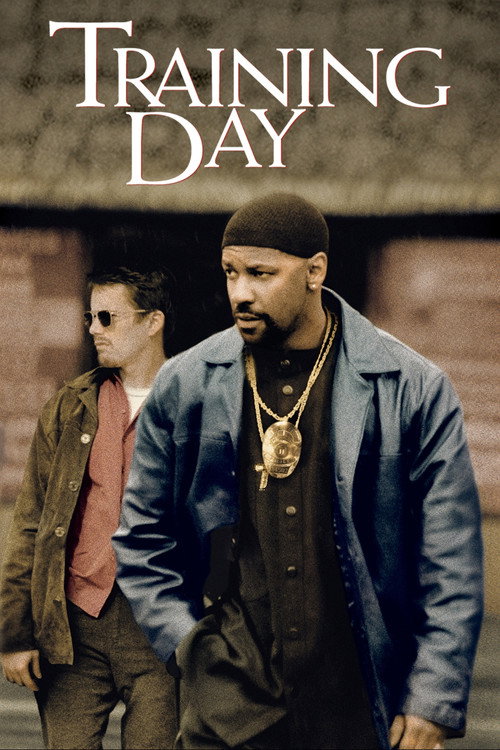
Training Day2001
It's the mentor-and-rookie structure of Stone and Keller turned inside out — what if the veteran teaching the newcomer the job was the danger, not the guide?
Same bones — veteran cop, rookie learning the ropes in one long day — but curdled into something far darker, with Denzel Washington's mentor teaching lessons that should never be taught.
But It's brutal and morally corrosive where Stone and Keller's bond is warm and paternal — a genuine gut-punch if you want more comfort viewing.
People
Cast
Production
- Howard AlstonAssociate Producer
- Quinn MartinExecutive Producer
- Adrian SamishProducer
- Arthur FellowsProducer
- Cliff GouldProducer
- Adrian SamishSupervising Producer