
Television series
Ironside
- Police procedural
- Dip in and out
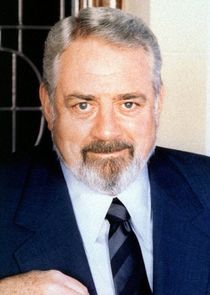
Ironside is a procedural crime drama where a brilliant police detective, paralyzed from the waist down, solves cases from his wheelchair in San Francisco. Raymond Burr commands the screen with a performance of such force that his disability becomes irrelevant to the drama—what matters is the mind. It's smart, propulsive television that treats its protagonist as fully capable without sentimentality.
Should you watch it?
Watch it if you enjoy old-fashioned police procedurals where the pleasure is a steady, unfussy case solved by a sharp mind rather than by flashy stunts or dark twists.
Skip it if you prefer serialized mysteries that build toward one big reveal, since each hour here tends to close its own case and the pacing feels unhurried by modern standards.
What it asks of you: Hour-long instalments, eight seasons deep, that you can dip into without losing the thread; the tone stays measured rather than frantic, with attention on talk and deduction.
Not sure? Find tonight's pick in a minute.
If you liked this
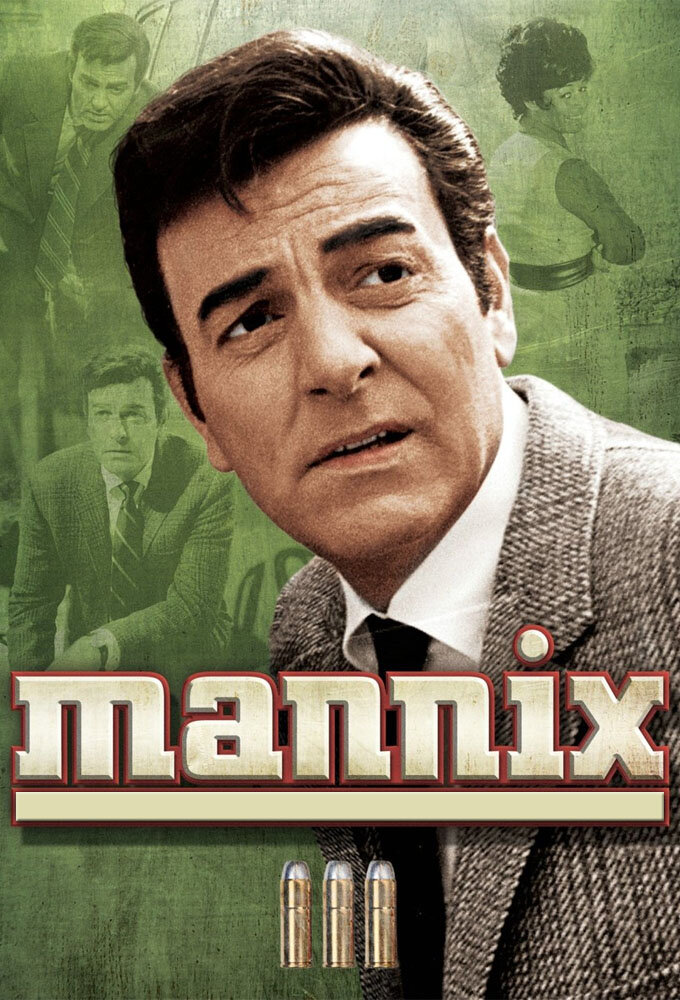
Mannix1967
A contemporary private-eye procedural with similar DNA: sharp mystery plotting, a charismatic lead, and that perfect 1960s balance of action and character work. Joe Mantell is excellent.
But Less formally inventive than Ironside, and the cases can feel procedurally familiar if you've watched much episodic TV.
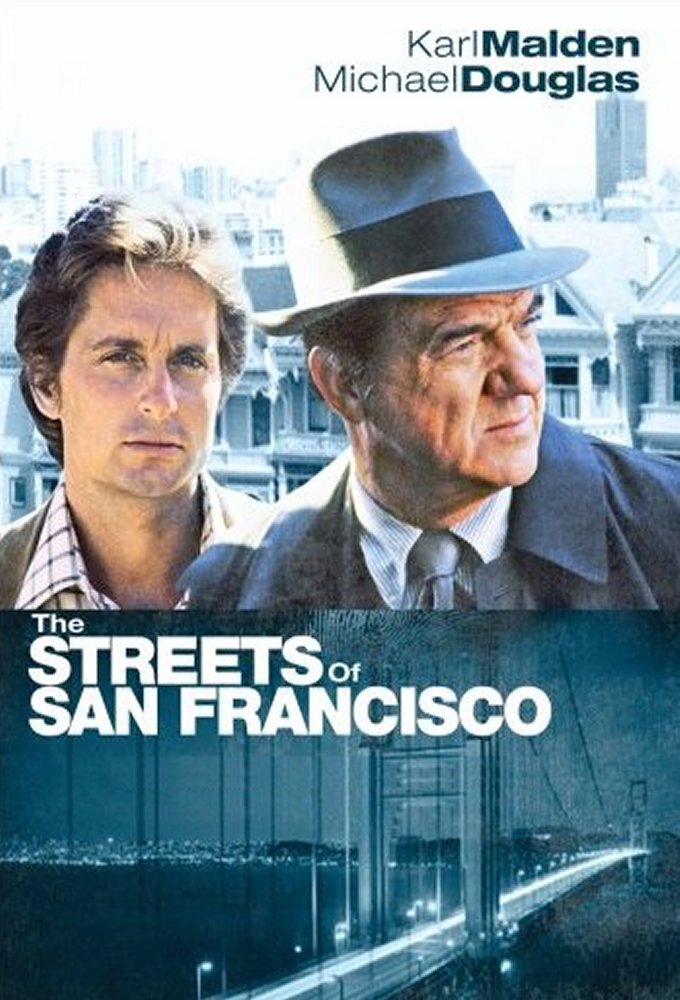
The Streets of San Francisco1972
Set in the same city, same era sensibility. Karl Malden and Michael Douglas make a formidable detective team, and the scripts are consistently intelligent about crime and motive.
But Slower-paced than Ironside, with more emphasis on character study than the puzzle-box satisfaction of solving cases.
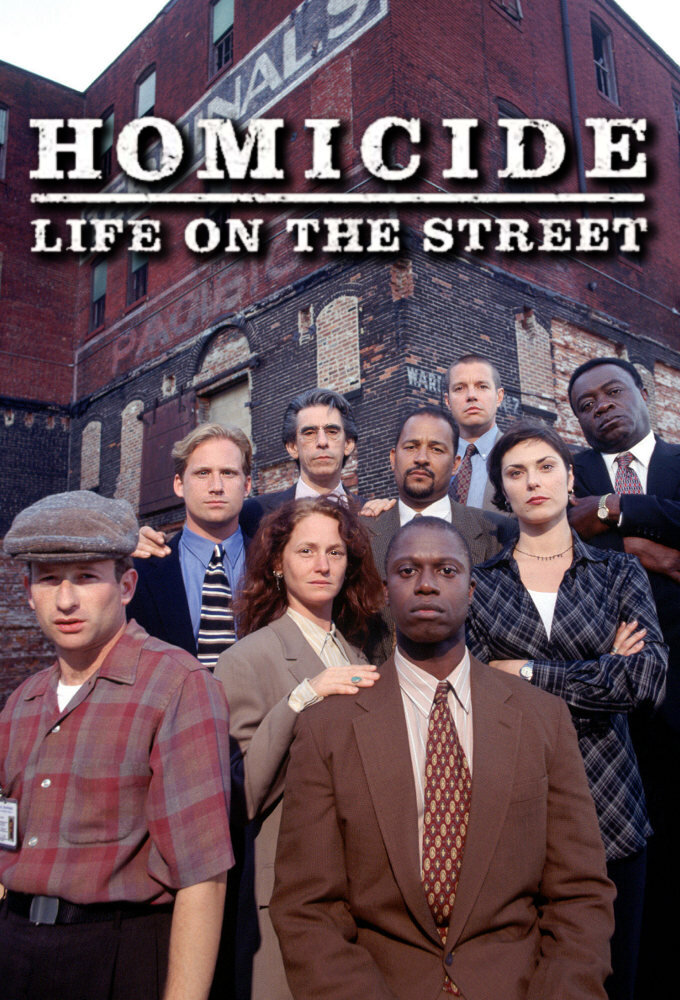
Homicide: Life on the Street1993
The spiritual heir to intelligent crime television. David Simon's Baltimore precinct show has that same sense of cops as brilliant troubleshooters, the same refusal to talk down to the audience.
But Much darker and grittier; if you want the cleaner, more optimistic tone of 1960s TV, this will feel like a different animal.
Not sure tonight? Get a pick in a minute, starting from Ironside
The wildcard
Something you would not have found on your own.
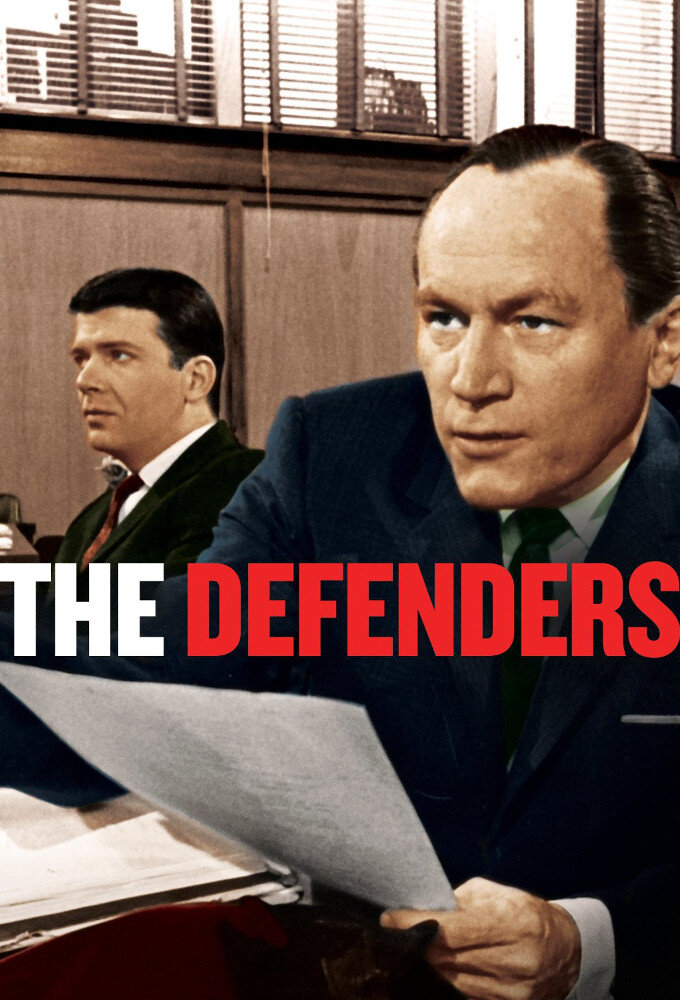
The Defenders1961
Both are 1960s dramas built on the absolute certainty that a protagonist's intellect and integrity can solve any problem. The procedural structure matters less than the character's authority and the writing's refusal to condescend.
A legal drama where the real work happens in the writing—moral ambiguity, nuanced arguments, genuine intelligence applied to difficult cases. Like Ironside, it demands respect for your audience's ability to think.
But Courtroom-based rather than investigative, and entirely black-and-white television with a deliberate pace. Feels more like a play than action drama.
More like this (8)
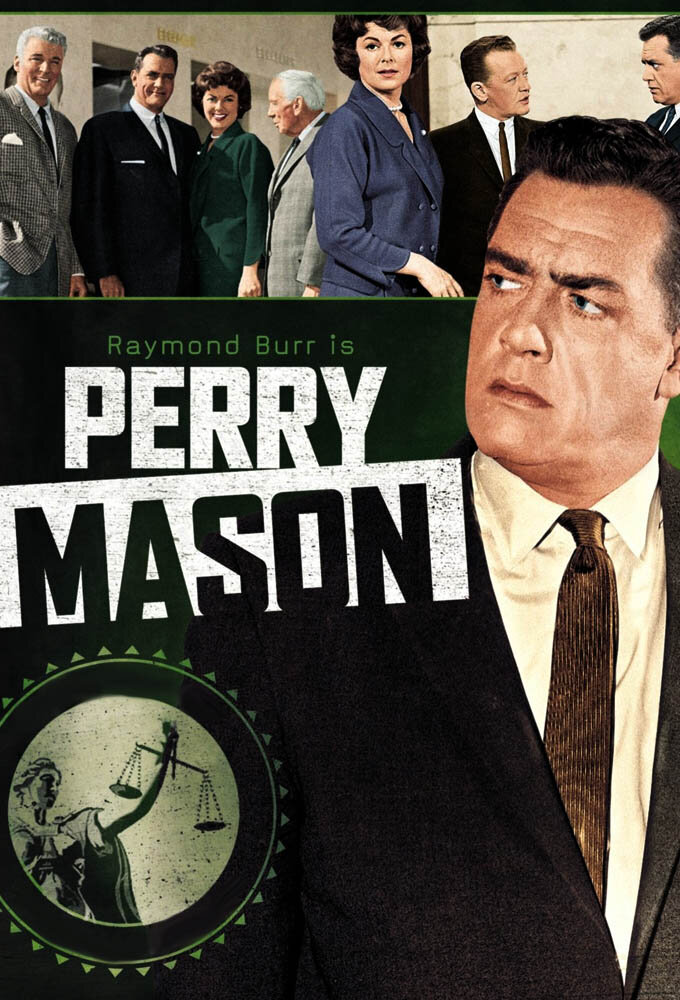
Perry Mason1957
Raymond Burr's earlier role: a defense attorney who solves cases through sheer intellectual rigor. The scripts are snappy, the mysteries are genuinely satisfying, and Burr is at his peak.
But Eight seasons and 271 episodes—a massive commitment. The courtroom focus won't appeal if you want street-level police work.
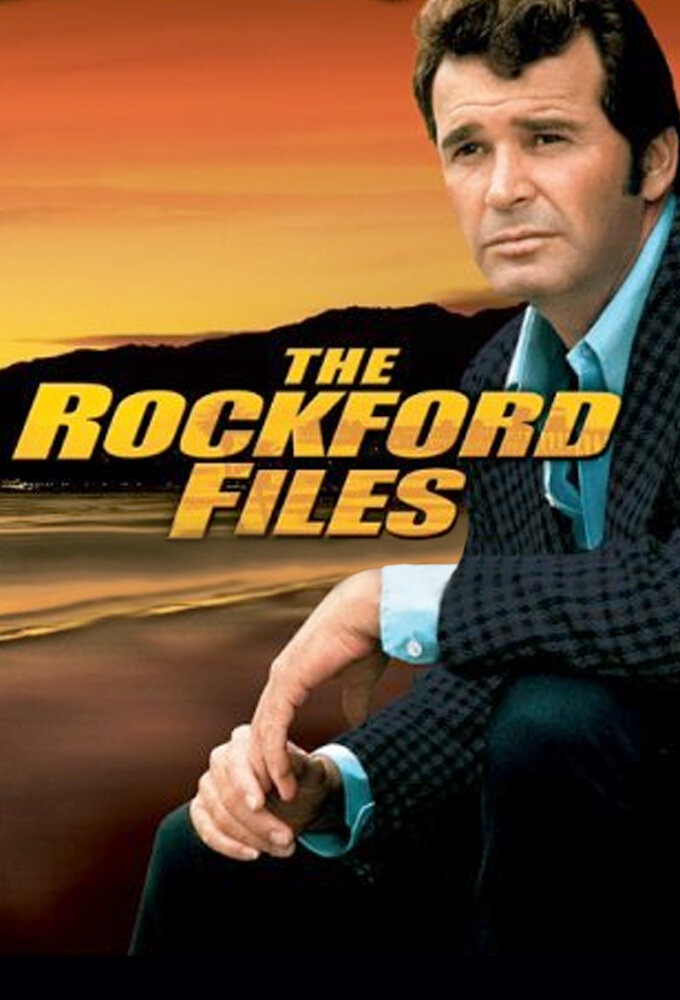
The Rockford Files1974
James Garner as a resourceful private investigator working LA, with scripts that balance humor, heart, and genuine mystery. The tone is lighter but the writing is sharp.
But More comedic than Ironside; if you want serious detective work without the wisecracks, this deflates the tension.
The Invaders1967
Roy Thinnes as a man hunted by aliens. A completely different premise, but the same era's tight plotting and the same sense of a protagonist relentlessly pursuing truth against institutional skepticism.
But Heavily serialized and conspiracy-driven; you need to watch in order, and the paranoid tone is very different from police procedure.

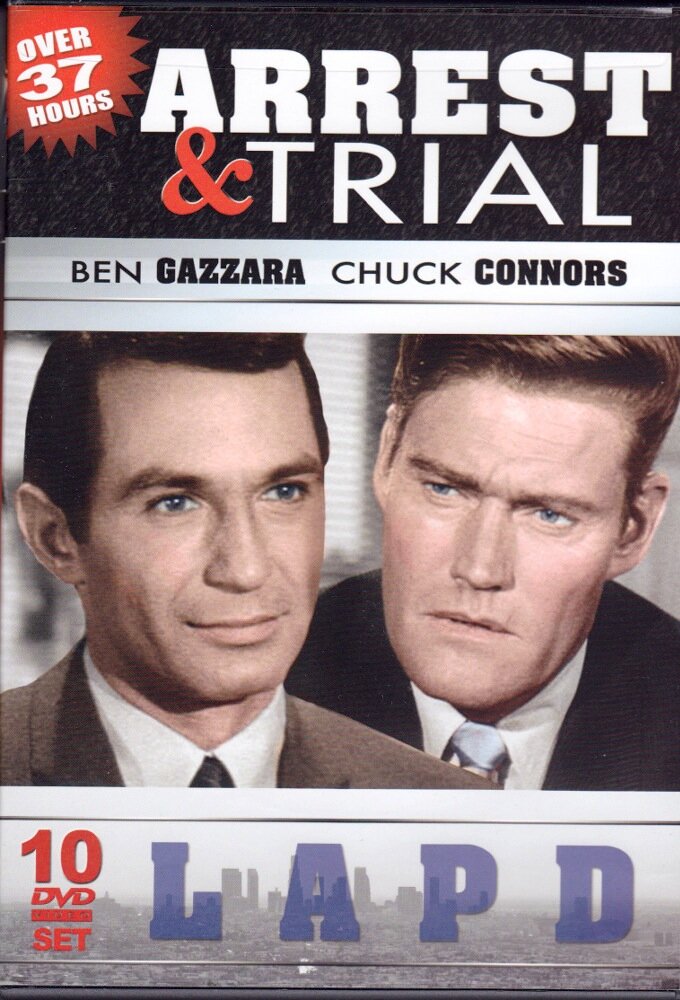
Arrest and Trial1963
Ben Gazzara in a legal procedural that does real work on the investigative side. Smart scripts and a lawyer-as-detective approach that shares Ironside's intellectual rigor.
But Ended in 1966, so only four seasons available. More courtroom-focused than street-level detective work.
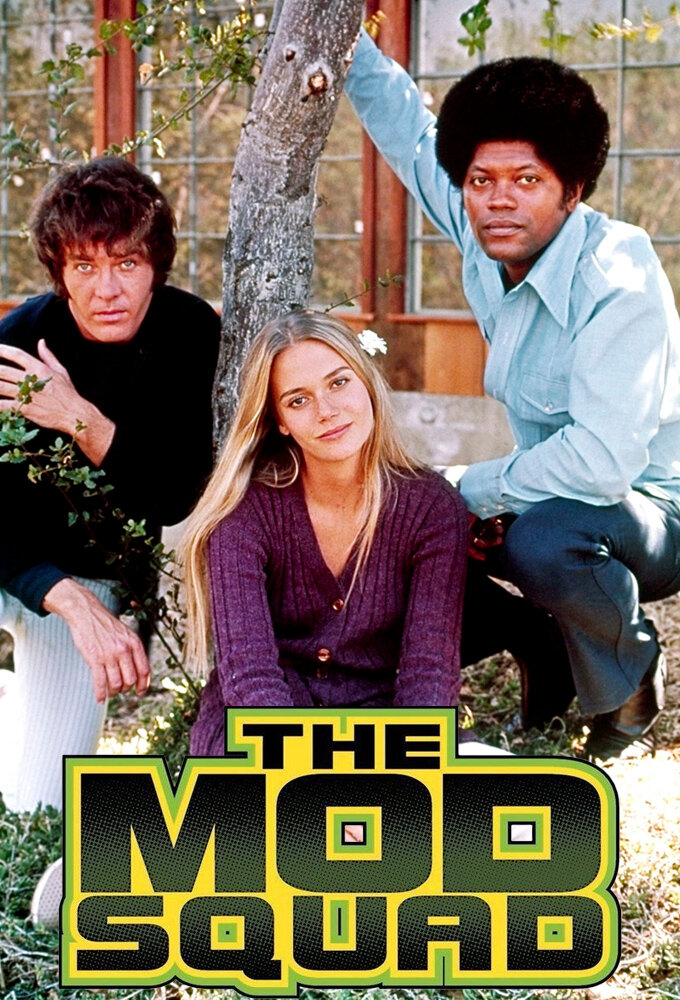
The Mod Squad1968
Three undercover cops with 1960s sensibility working Los Angeles. Different tone—lighter, hipper—but that same blend of procedural satisfaction and genuinely likeable characters.
But The hippie aesthetic dates heavily and the crime cases feel lighter weight. If you want serious detective work, this skews youth-culture melodrama.
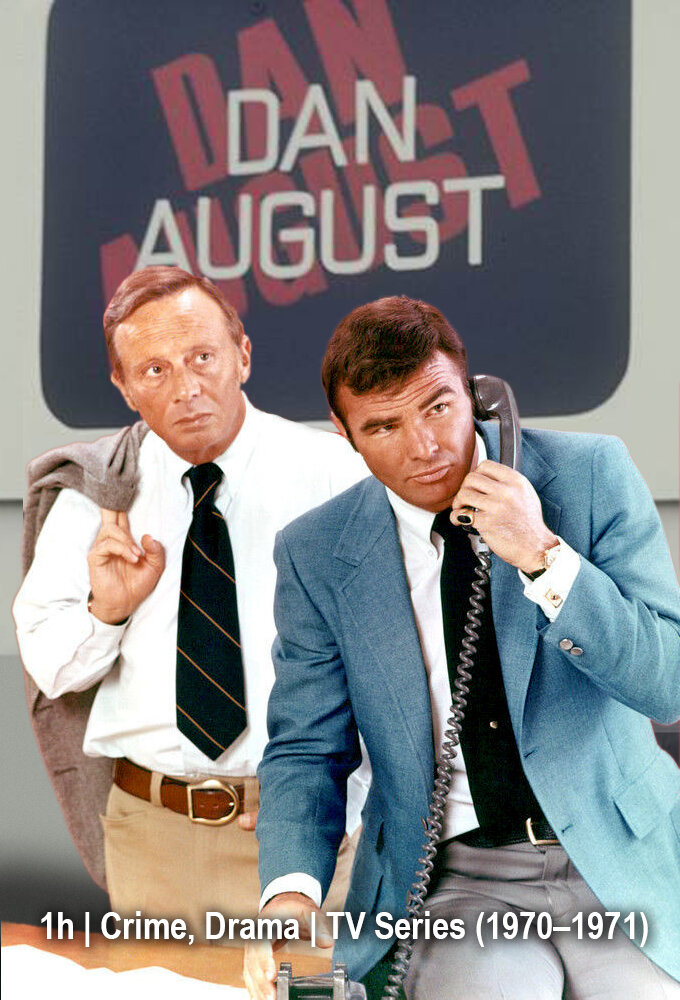
Dan August1970
Burt Reynolds as a detective in small-town Arizona. Underrated series with strong writing and Reynolds doing careful, intelligent work before he became a household name.
But Only two seasons and lesser-known, so feels more dated. The small-town setting lacks the propulsive energy of a big city procedural.
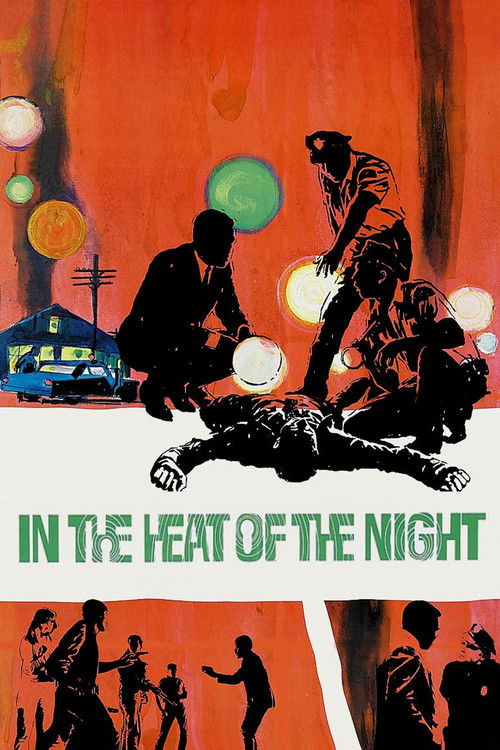
In the Heat of the Night1967
Both feature a protagonist whose authority and intelligence are their superpowers. Both insist their audience respect complexity and stay engaged through dialogue and character rather than spectacle. Both are deeply about how smart people navigate systems not built for them.
Sidney Poitier and Rod Steiger as detectives solving a murder in a small Mississippi town. Tremendous screenplay, electric tension, and a brilliant lead performance that dominates the frame through personality and intellect alone.
But A film, not a series, so different pacing. The racial politics are central in a way that changes the texture from pure procedure into social commentary.
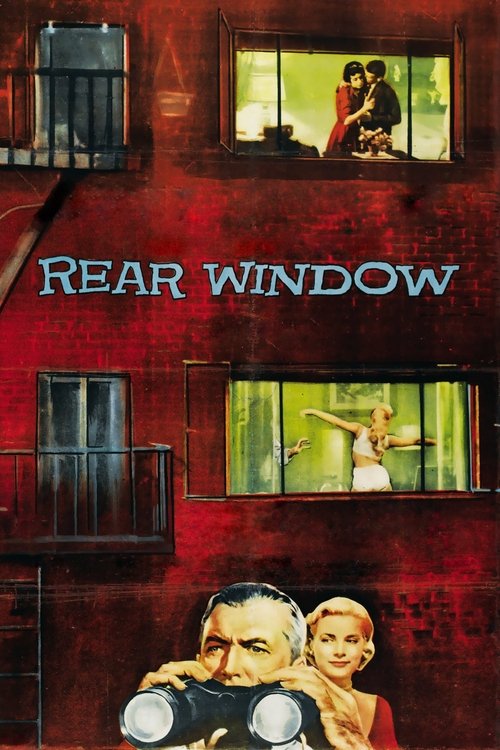
Rear Window1954
The direct structural ancestor. Ironside takes Hitchcock's premise—a disabled detective solving crimes through brain power—and turns it into a series, normalizing what was once presented as extraordinary. Both insist that a wheelchair changes the logistics but not the capability.
Hitchcock's masterpiece: a man confined to a wheelchair who solves a crime through observation and deduction. The film is suspenseful, formally audacious, and built entirely on the idea that physical limitation is irrelevant to intellectual capability.
But A thriller, not a procedural, so the emotional register is dread rather than satisfaction. In black-and-white, and the pacing is deliberately slow-building. Not comforting.
People
Cast
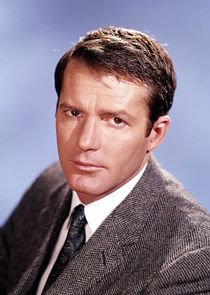
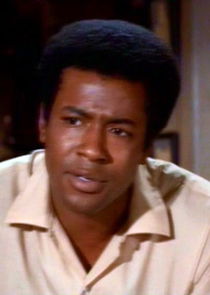
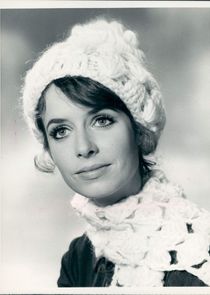
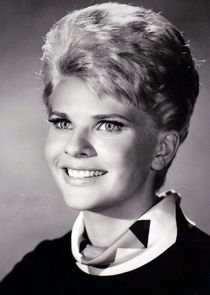
Directing
- Bill HoleAssistant Director
- Brad H. AronsonAssistant Director
- Chris ChristenberryAssistant Director
- Christian I. Nyby, IIAssistant Director
- Chuck LowryAssistant Director
- David DowellAssistant Director
- Gene N. LawAssistant Director
- James A. WestmanAssistant Director
- Kurt NeumannAssistant Director
- Thomas BlankAssistant Director
Writing
- Collier YoungCreator
- Albert AleyStory Editor
- Norman JolleyStory Editor
Production
- Byron BlochAssociate Producer
- Jay BensonAssociate Producer
- Jeannot SzwarcAssociate Producer
- Rita DillonAssociate Producer
- Collier YoungExecutive Producer
- Cy ChermakExecutive Producer
- Frank PriceExecutive Producer
- Joel RogosinExecutive Producer
- Richard CollaExecutive Producer
- Albert AleyProducer
- Cy ChermakProducer
- Douglas BentonProducer
- Joel RogosinProducer
- John ChoyProducer
- Lou MorheimProducer
- Norman JolleyProducer
- Winston MillerProducer
Recommended by
Columbo, Perry Mason, Matlock, Quincy, M.E., Banacek, CHiPs, McCloud, The Mod Squad, Dan August, Cannon, Barnaby Jones, Chopper One, The Magician, Hawaii Five-O, Rescue 8