Television series
Tenafly
Tenafly is a 1973 crime drama following Harry Tenafly, a Black private investigator in Los Angeles navigating cases with intelligence and moral complexity. It's a solidly crafted procedural that treats its protagonist with dignity and nuance—unusual for network TV of its era. For viewers who appreciate character-driven detective work and want to see seventies television being genuinely progressive.
Should you watch it?
Watch it if you enjoy 1970s private-eye stories built on patient, procedural detail, where the lead's home life sits in the picture alongside the cases.
Skip it if you need plot momentum and flashy set pieces; with only five episodes it is brief and unhurried, and may feel thin if you want a season to settle into.
What it asks of you: Five episodes, one season, and a steady, unshowy rhythm: you settle in for the long, quiet conversations between cases rather than rapid turns.
Not sure? Find tonight's pick in a minute.
If you liked this
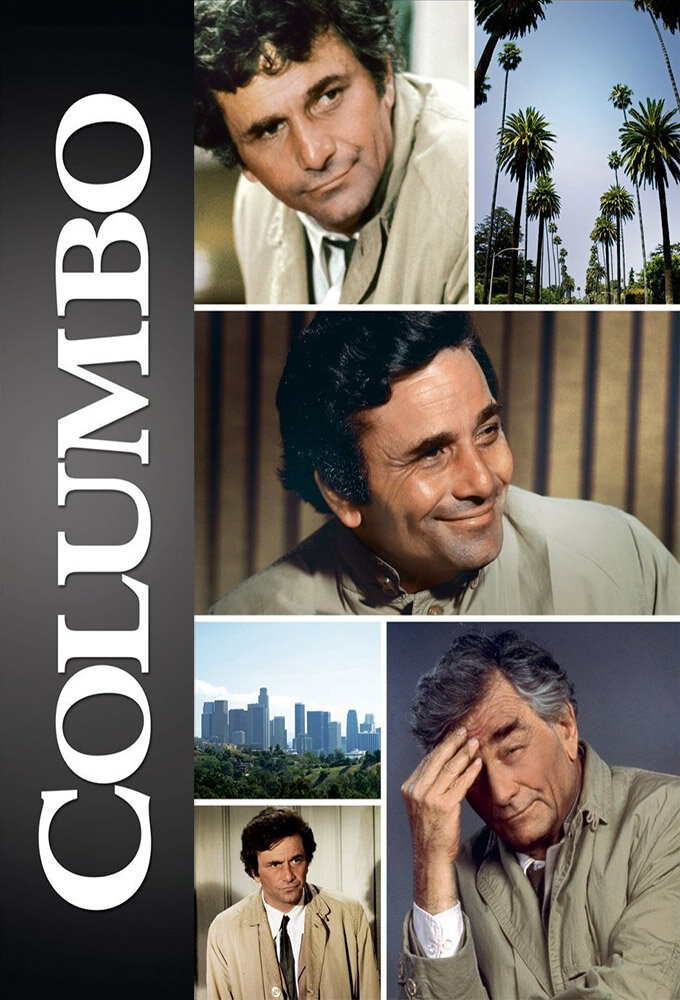
Columbo1968
A masterclass in character-driven detective work where the investigation unfolds through conversation and observation rather than action. Peter Falk's rumpled genius became the template for thinking detective shows.
But Slow-paced and deliberately unglamorous. If you need plot momentum and flashy reveals, the methodical approach will feel dated.
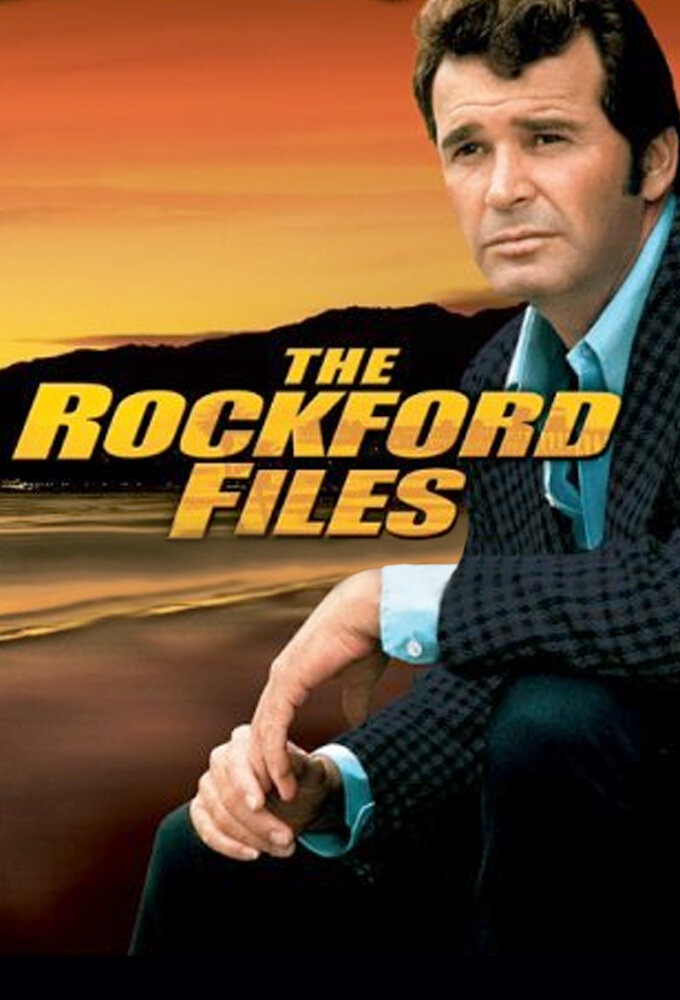
The Rockford Files1974
James Garner's charming private eye tackled cases with humor and warmth while genuinely getting hurt. It proved that seventies TV could be funny, smart, and character-focused without losing edge.
But The humor can feel broad by modern standards. Some episodes lean harder into sitcom territory than detective drama.
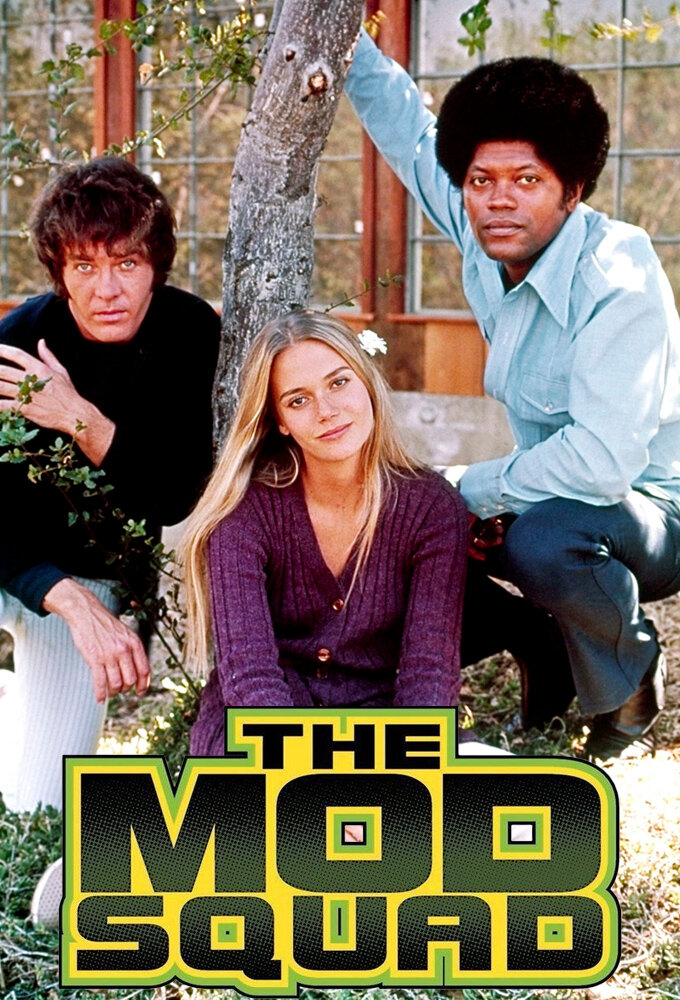
The Mod Squad1968
Three young undercover cops work LA's countercultural scene with style and social awareness. It captured seventies energy and treated its ensemble with real dimension, making it feel ahead of its time.
But The groovy dialogue and dated slang will either charm you or make you cringe. The social commentary can feel surface-level.
Not sure tonight? Get a pick in a minute, starting from Tenafly
The wildcard
Something you would not have found on your own.
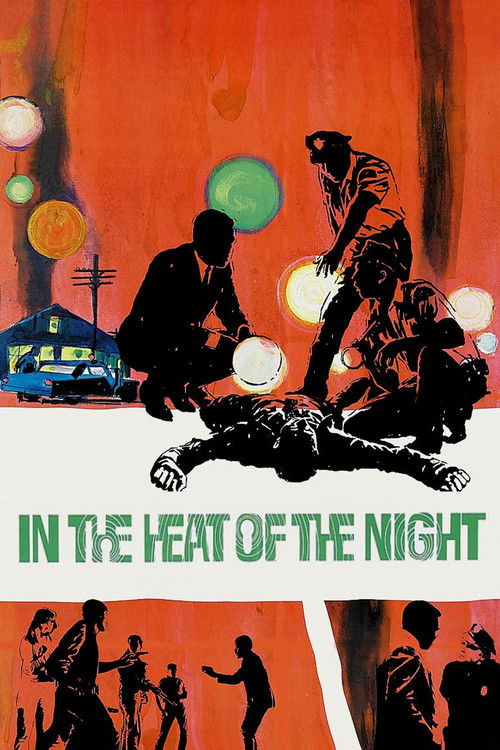
In the Heat of the Night1967
Both center Black protagonists in LA and Southern crime narratives where professionalism and character define how they survive systems designed against them. Both insist their heroes be taken seriously.
Sidney Poitier's Philadelphia detective navigates a murder investigation in the Jim Crow South with devastating intelligence and controlled fury. A masterpiece about dignity under pressure and the specificity of being a Black professional in hostile space.
But It's direct about racial violence and humiliation. The tonal shifts between thriller and drama can feel uncertain to modern viewers expecting consistency.
More like this (7)
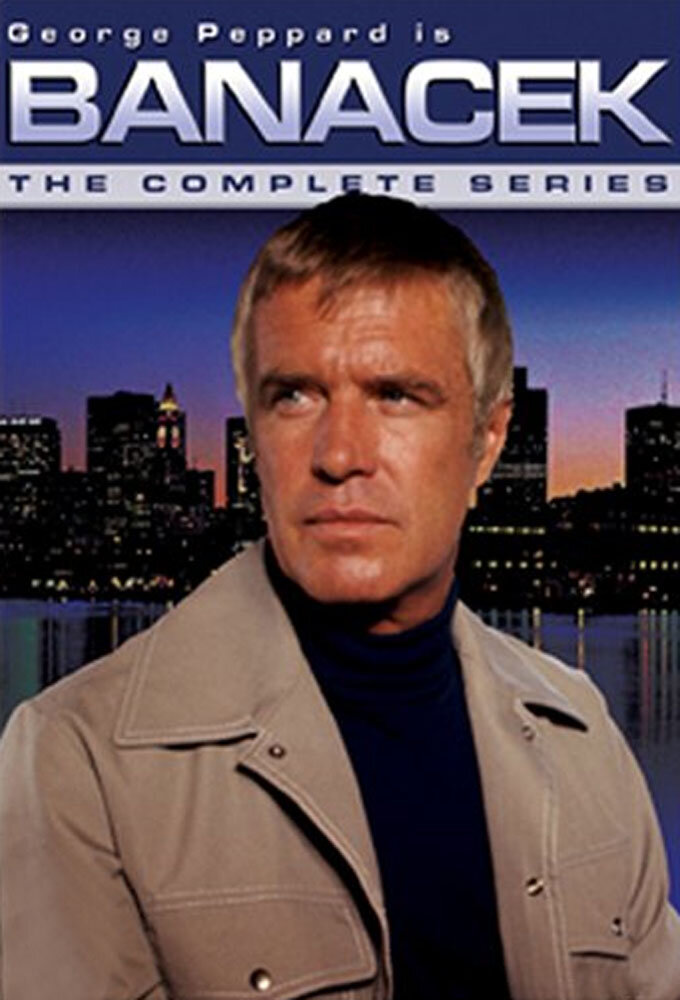
Banacek1972
George Peppard plays an insurance investigator solving impossible thefts with wit and style. Pure seventies charm—smart, glamorous, genuinely clever puzzles that hold up.
But It's lighter and less morally serious than Tenafly. If you want grit and weight, this tips toward entertainment over drama.
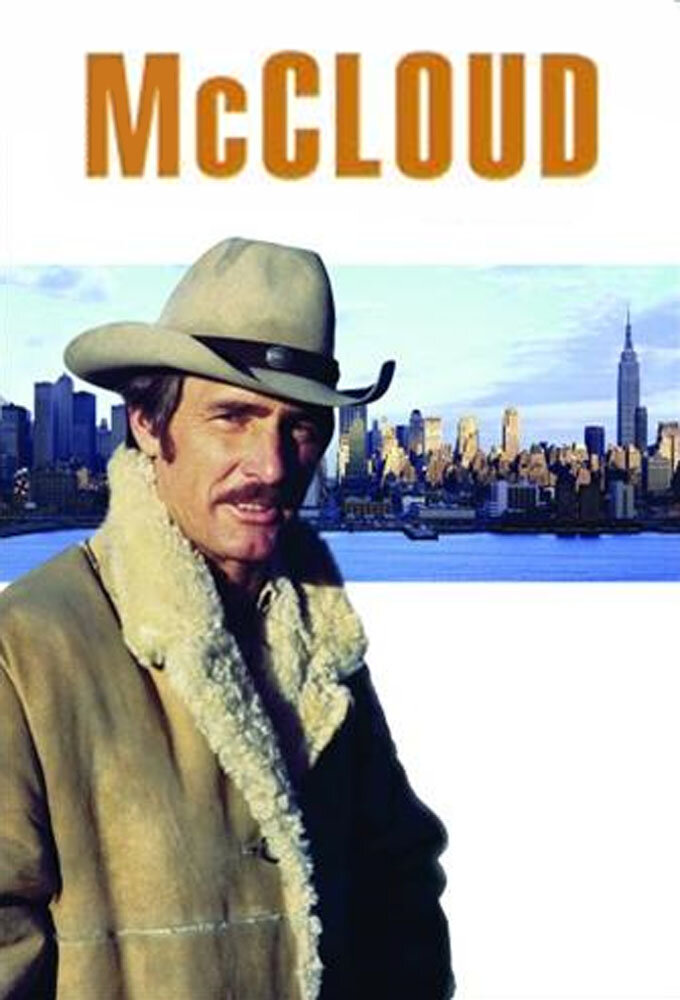
McCloud1970
Dennis Weaver's rural New Mexico cop in New York City is an underdog detective show that's warm and clever. Great for anyone who likes investigators who solve things through smarts, not violence.
But The fish-out-of-water premise is broad. By modern standards it can feel thin and old-fashioned in structure.
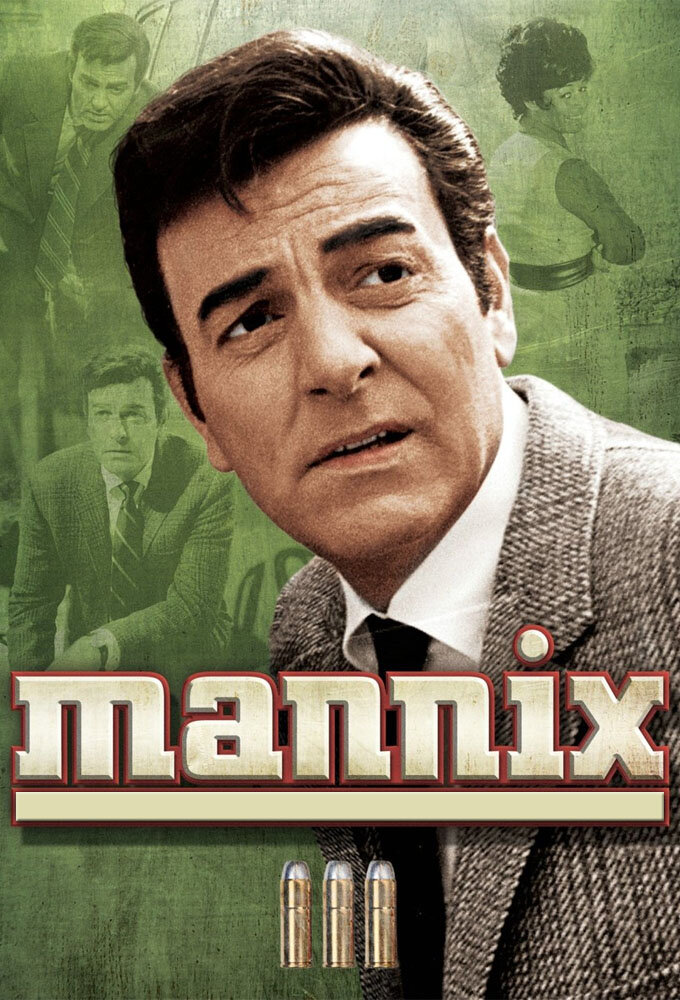
Mannix1967
Mike Connors' private eye is a solid seventies procedural with good character work and actual stakes. Reliable, well-crafted crime drama that builds real tension episode to episode.
But Stays more conventional than Tenafly—less interested in social context. If you want challenge and depth, this is straightforward entertainment.
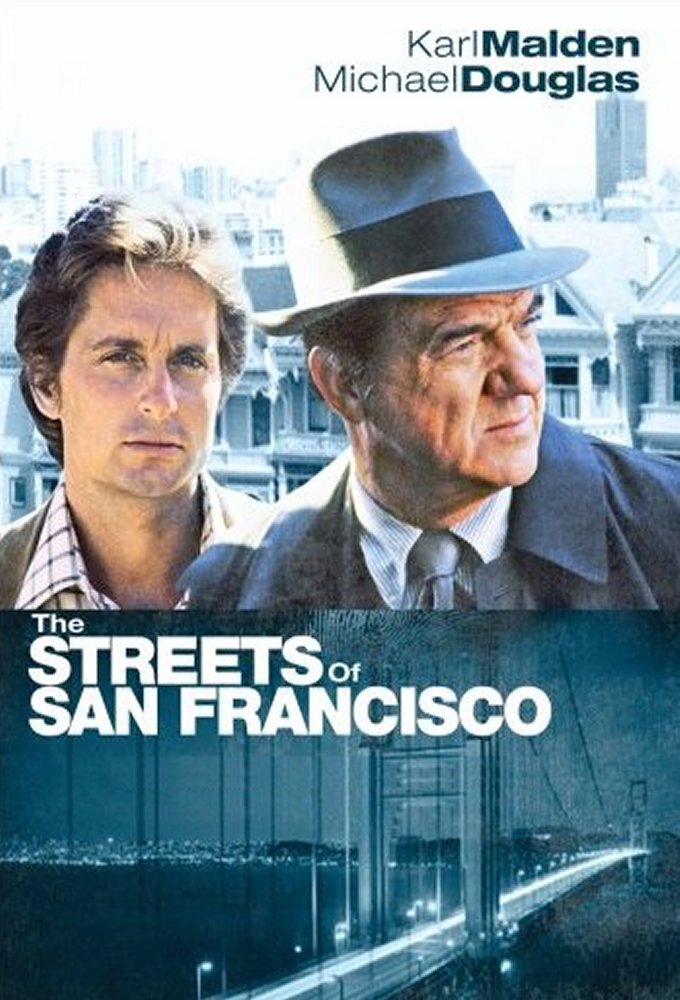
The Streets of San Francisco1972
Karl Malden and Michael Douglas navigate San Francisco crime with solid writing and mutual respect. A procedural that knows its city and lets character development matter within the case structure.
But Procedurals require patience; this one moves at seventies television pace. The cases don't always land or surprise.
Petrocelli1974
Barry Newman's defense attorney investigates cases with intelligence and moral purpose. If you like lawyers who do real detective work and actually think about their clients, this has substance.
But Courtroom procedurals are inherently talky. This prioritizes argument over action; some find it dry.
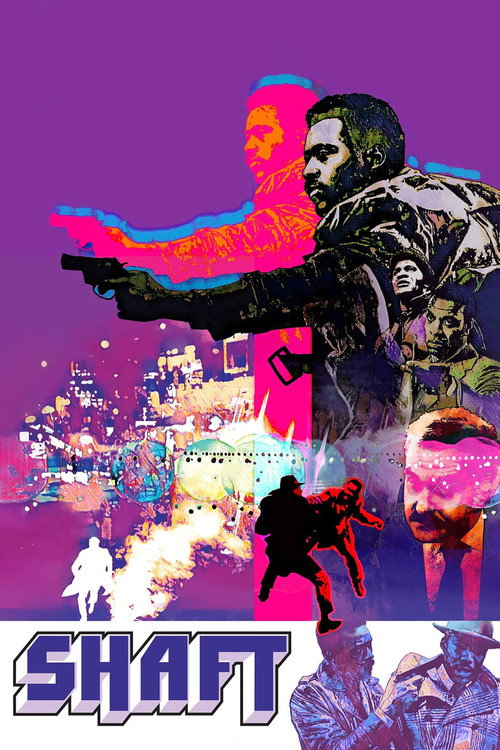
Shaft1971
Both are seventies crime stories where the Black detective's identity is inseparable from how he navigates and survives his investigation. Both understand that style and survival are the same thing.
Richard Roundtree's private eye moves through Harlem with style, sexuality, and real danger. A brilliant fusion of seventies aesthetics, genuine detective work, and unapologetic Blackness—the template for cool.
But The violence is sudden and brutal. The misogyny is casual and period-specific; it won't feel progressive in hindsight.
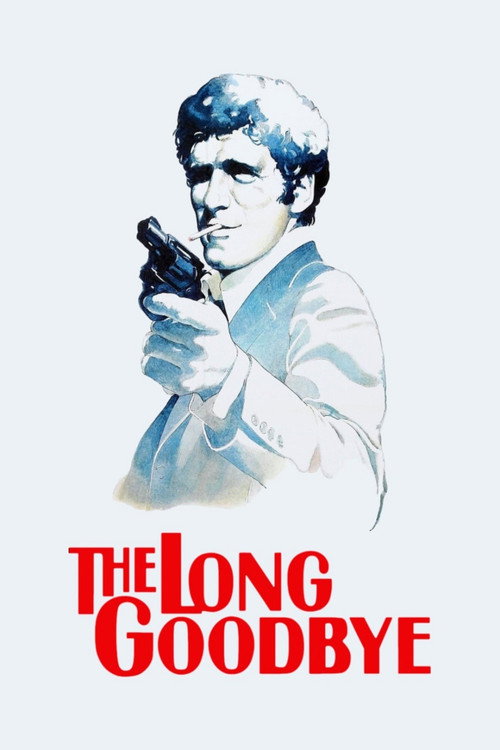
The Long Goodbye1973
Both arrived in 1973 wanting to deconstruct the detective procedural from inside, questioning what detective work actually means when the system itself is compromised. Both trust the audience's intelligence over plot comfort.
Robert Altman's Marlowe is a shambling detective in a corrupt LA full of con artists and phoniness. It's a demolition of noir tropes—funny, sad, and genuinely strange in ways that reward attention.
But Altman's approach is deliberately scattered and anti-climactic. If you want clear resolution or traditional mystery satisfaction, it will frustrate you.