Television series
The Lineup
Other titles called The Lineup: the 1958 film.
- Police procedural
- Detective mystery
- Dip in and out
A procedural crime drama that strips away sentimentality to show police work as it happens. Each episode follows San Francisco detectives through real cases from the SFPD files, with less interest in heroics than in the grinding, methodical business of catching criminals. It's documentary-like in feel—austere, efficient, and grounded in actual investigative technique. For viewers who prefer their crime shows unglamorous and focused on procedure over personality.
Should you watch it?
Watch it if you like procedurals built on real case files, where the pleasure is in methodical detective work and the lineup scene rather than cliffhangers.
Skip it if you need serialized stories, fast cuts or modern forensic spectacle, since this is a 1954 series that moves at its own unhurried pace.
What it asks of you: Expect an hour per episode across 198 episodes and six seasons, and a steady procedural rhythm where each case unfolds in order, patiently.
Not sure? Find tonight's pick in a minute.
If you liked this
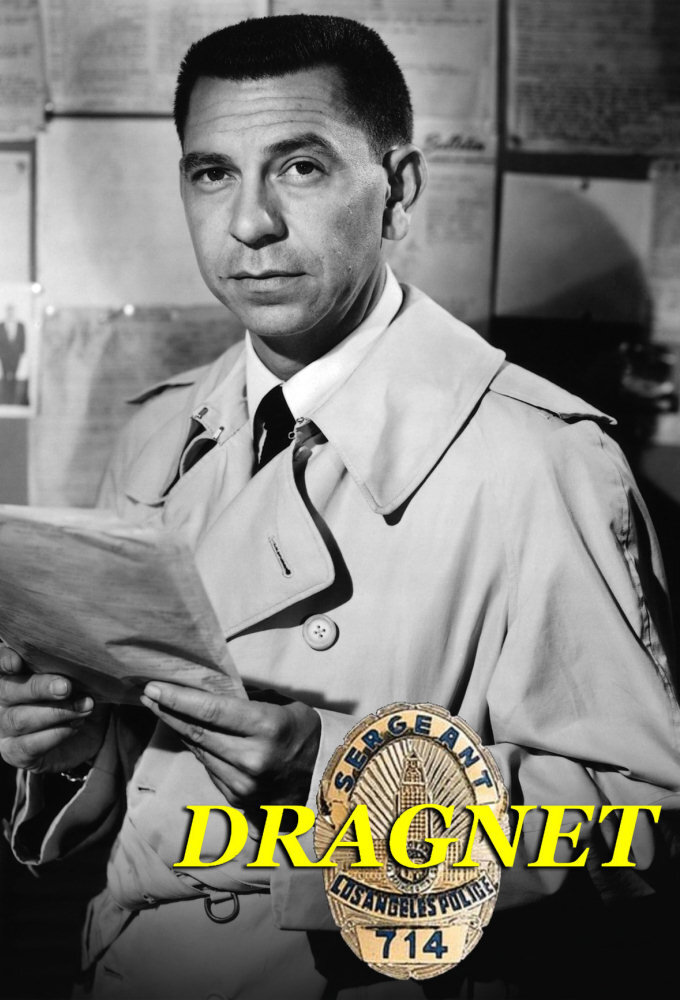
Dragnet1951
The spiritual DNA of all police procedurals: lean, fact-based cases from LAPD files presented with documentary authority. Jack Webb's deadpan delivery and refusal to sensationalise set the template that *The Lineup* follows with equal discipline.
But The pacing is deliberately slow and the cases often resolve in unglamorous ways. There's no character arc or personal drama to carry you through—it's all procedure.
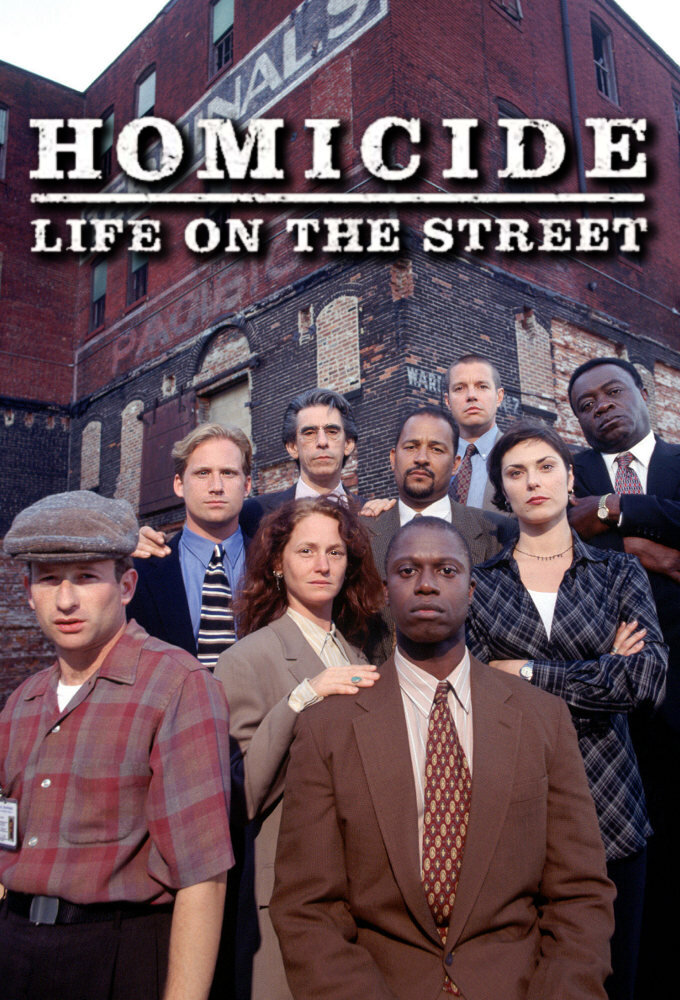
Homicide: Life on the Street1993
A masterclass in grounding crime drama in the actual labour of detection. Like *The Lineup*, it finds the human story in paperwork, interrogation, and the incremental work of building a case, but with deeper character development and moral complexity.
But It's much longer and demands more emotional investment. The cases bleed into each other and the show sometimes gets trapped in its own bleakness.
The Asphalt Jungle1950
Huston's heist film is the other pole star of police procedurals—documenting crime from the criminal side with the same cool, methodical eye *The Lineup* turns on the cops. Together they define the postwar American crime narrative.
But It's a heist film, not a cops-and-robbers story. If you're expecting a cat-and-mouse game between detective and criminal, you'll be disappointed.

Not sure tonight? Get a pick in a minute, starting from The Lineup
The wildcard
Something you would not have found on your own.
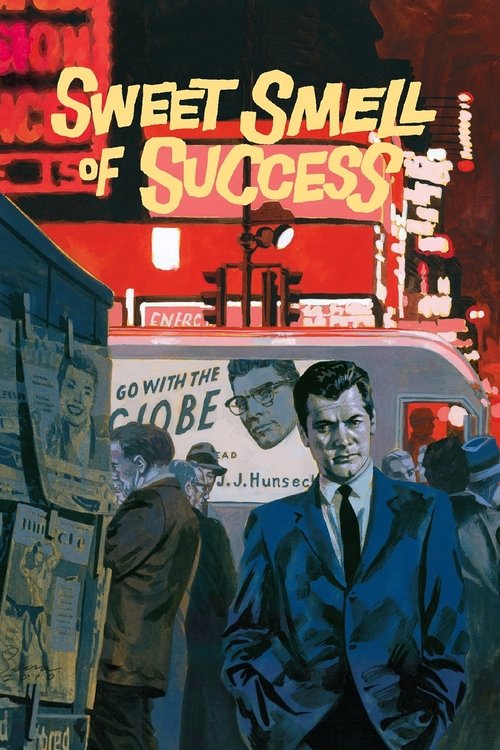
Sweet Smell of Success1957
Both see crime and corruption embedded in institutions rather than individual villainy. Both are set in recognisable American cities where power corrupts absolutely. But *Sweet Smell* makes that corruption beautiful and seductive, while *The Lineup* shows it as sordid and everyday.
A crime film from the same era and city that shares *The Lineup*'s refusal to look away from corruption as a system rather than individual failing. But where *The Lineup* is procedural and austere, this is baroque and poisonous—operatic dialogue, impossible shadows, moral decay as aesthetics.
But The plot moves beneath layers of atmosphere and language. If you want forward momentum, this will frustrate you. The misogyny is also unreconstructed and ugly.
More like this (8)
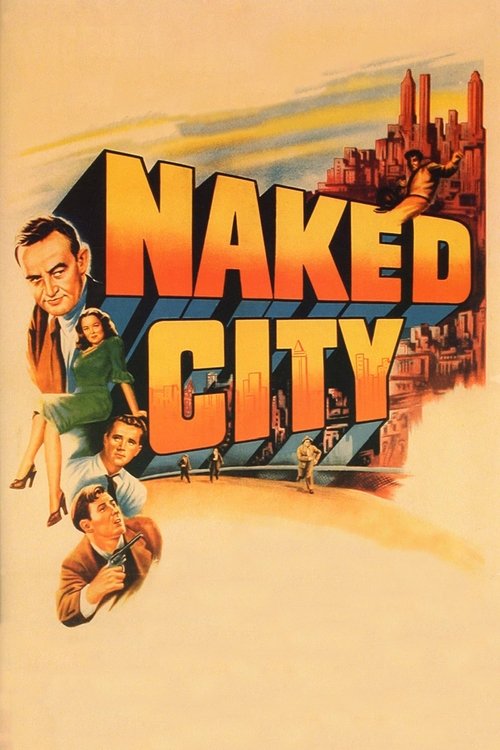
The Naked City1948
A New York detective story shot on location with documentary-like authenticity. It has the same preference for actual police work over melodrama, and established the idea that a city itself could be a character in a crime story.
But The plot is relatively straightforward and the resolution feels rushed. Much of the film's power comes from atmosphere rather than narrative momentum.
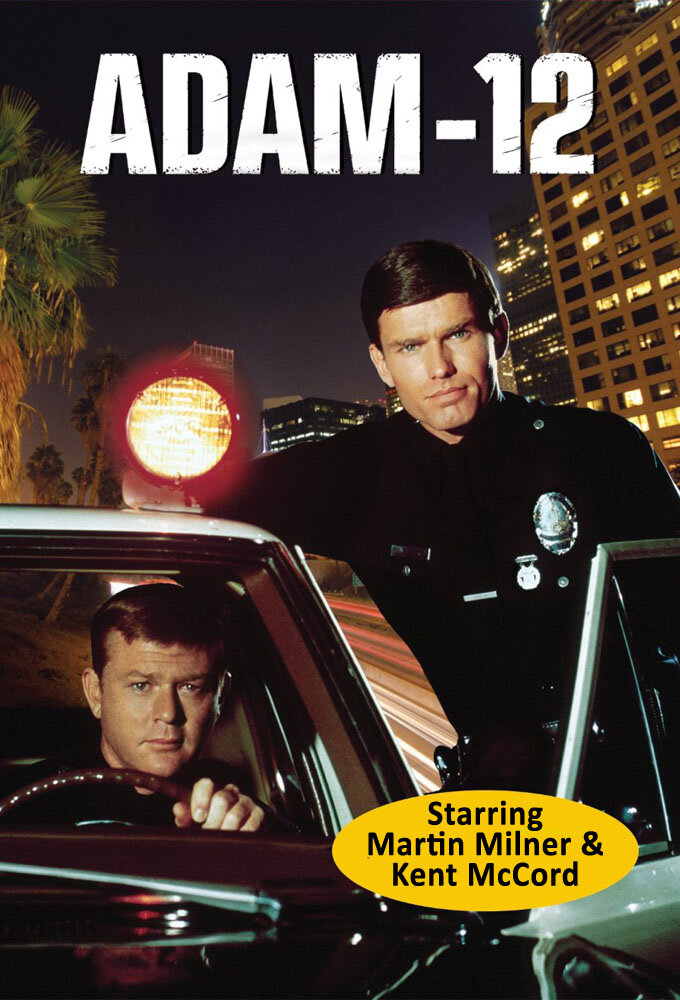
Adam-121968
A patrol-based procedural that owes everything to *The Lineup*'s playbook: real LAPD cases, no soap opera, a focus on the minute-by-minute reality of police work. Hugely influential but often overlooked.
But It's about patrol officers, not detectives, so the cases are lower-stakes. Some episodes feel almost comically routine.
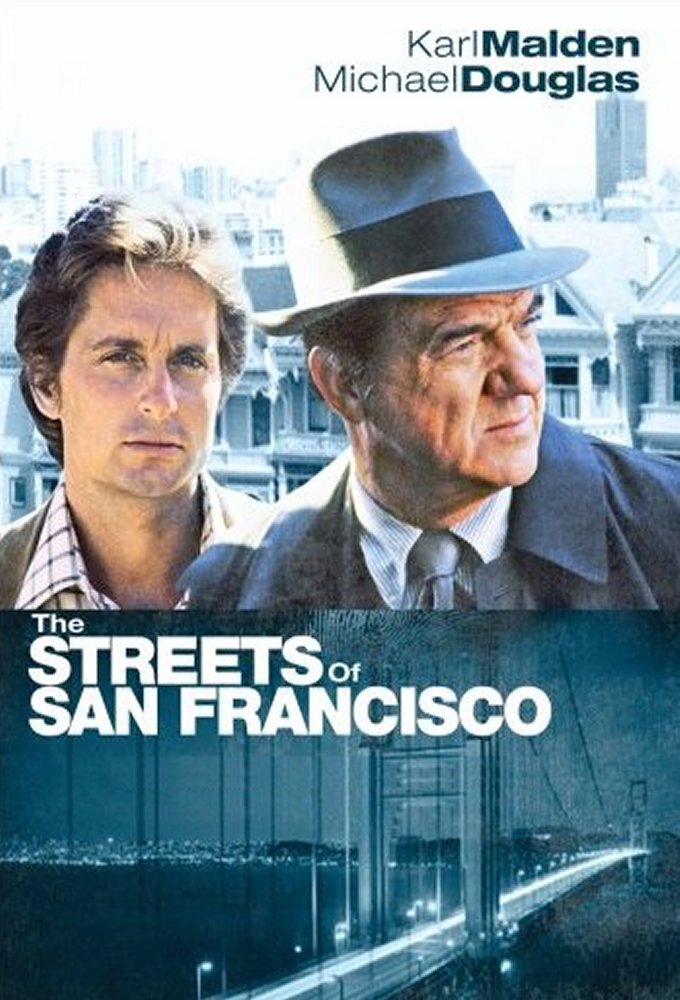
The Streets of San Francisco1972
Set in the same city as *The Lineup* and carrying forward its grounded approach to detective work. Karl Malden's blue-collar authenticity and the show's refusal to glamorise the job feel like a direct descendant.
But It's more character-driven than *The Lineup*, which means it prioritises interpersonal drama over pure procedure. Some viewers find that dilutes the procedural focus.
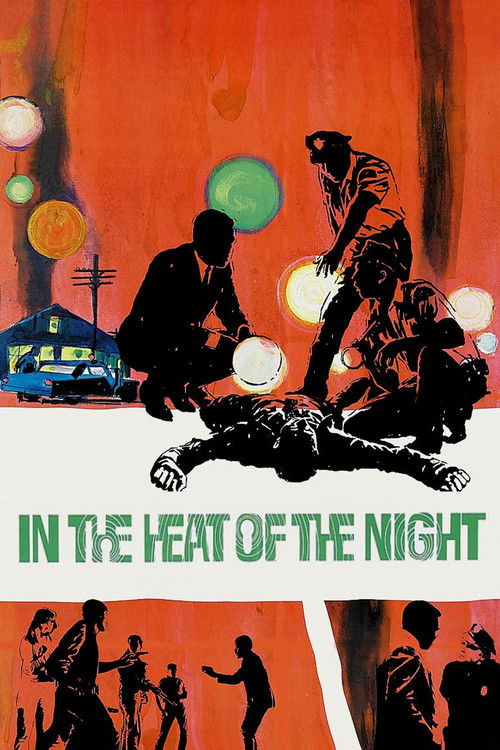
In the Heat of the Night1967
A crime drama that matches *The Lineup*'s commitment to realistic investigative work, grounded in place and details. Poitier and Steiger's partnership feels earned through competence rather than chemistry.
But The racial politics, while central to the film's power, can overshadow the procedural elements. It's more interested in tension than technique.
Rififi1955
A French heist film that, like *The Lineup*, trusts the audience to follow complex criminal planning without hand-holding. Its influence on crime storytelling is enormous and its attention to method is meticulous.
But It's in French with subtitles and the crime is from the criminal perspective, not the police. The heist itself is the point, not the investigation.

The Killing1956
Kubrick's fractured heist narrative proves that *The Lineup*'s documentary approach to crime—showing the actual mechanics rather than the drama—can sustain a feature film. Both are interested in how crime actually works.
But The non-linear structure demands attention and the cynicism is unrelenting. Some find it cold rather than gripping.

In the Mood for Love2000
Both are built on repetition and variation. Both trust formal structure to carry meaning. Both prefer showing over telling. *The Lineup* is American procedural; *In the Mood for Love* is Hong Kong melodrama—but they're solving the same problem of how to represent human experience without sentiment.
Wong Kar-wai's Hong Kong melodrama seems to have nothing to do with police procedurals, but it shares *The Lineup*'s precise, almost scientific approach to narrative structure. Every scene is calibrated, every detail placed with intention. It's hypnotically beautiful where *The Lineup* is austere, but the method is identical.
But It's a romantic film without a plot in the traditional sense. The pacing is glacial and it prioritises mood and form over emotion. You have to surrender to it completely.

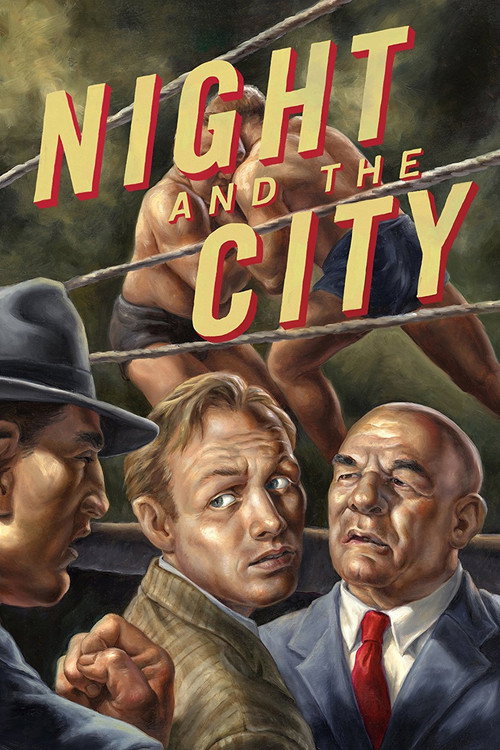
Night and the City1950
Both map crime as a system embedded in place. Both use the city as a character. Both follow people through networks of criminality with documentary-like detail. But *The Lineup* is about the law catching criminals; *Night and the City* is about the law as corruption, and the city as a trap.
Dassin's London noir is a crime film that works like *The Lineup* in miniature—a man moving through a network of corruption, each contact and transaction documented with precision. But it's expressionistic and doomed rather than procedural. The city is predatory. Every choice leads downward.
But It's relentlessly bleak and there's no investigation, no justice, no procedural satisfaction. The protagonist is culpable and the ending offers no redemption. If you watch *The Lineup* for the satisfaction of closure, this denies it entirely.