
Television series
The FBI
The FBI follows Inspector Lewis Erskine through cases drawn from actual bureau files, blending procedural rigor with character warmth. It's precise and methodical—nearly every episode opens with a real crime—but never cold. For anyone who wants detective work treated seriously, without contemporary grimness or stylization.
Should you watch it?
Watch it if you like procedurals where the pleasure is in methodical casework, tidy evidence trails and a steady, unhurried competence rather than flashy violence.
Skip it if you need constant cliffhangers or serialized arcs, since each hour mostly wraps a self-contained case and the 1960s glossy, square-jawed tone can feel stiff.
What it asks of you: Each hour unfolds at a measured walk, and with 241 episodes it rewards settling in for the long haul rather than bingeing in a sprint.
Not sure? Find tonight's pick in a minute.
If you liked this
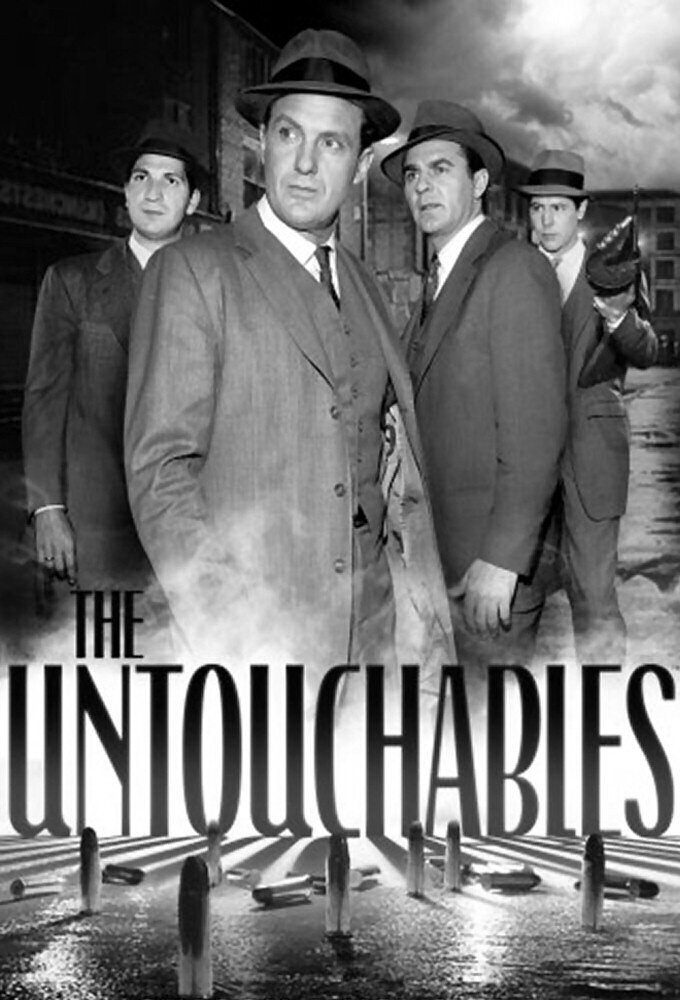
The Untouchables1959
Kevin Costner and Robert Stack lead a team of federal agents taking down Capone with obsessive focus. It has the same reverence for procedure and institutional duty, but adds the polish that came with money and time.
But It's more violent and operatic than The FBI—less restraint, more swagger. Some find that shift distracting.
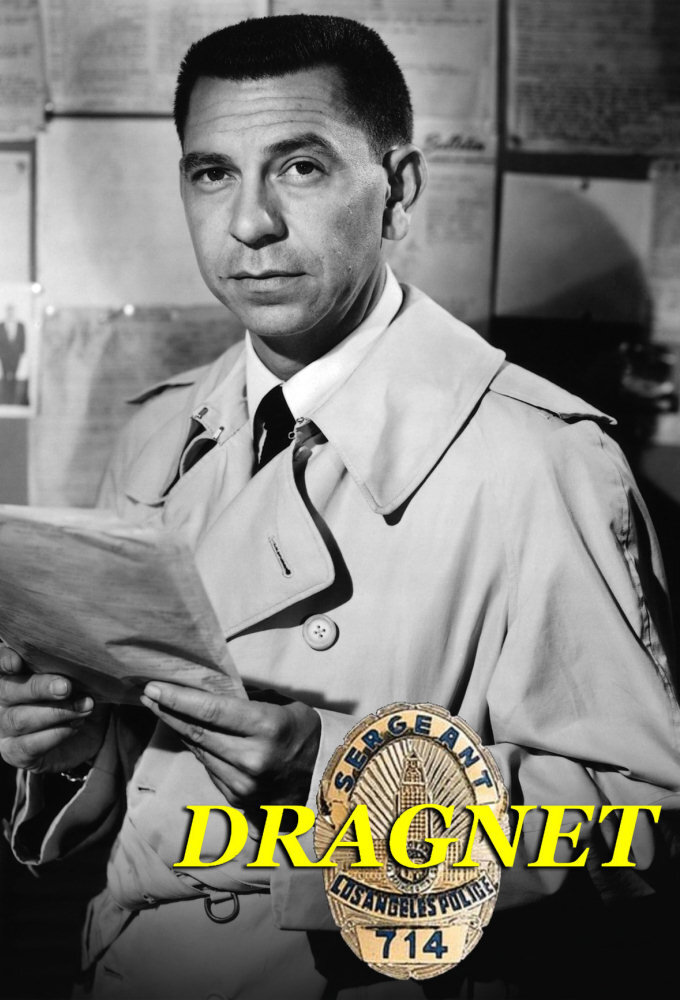
Dragnet1951
The granddaddy of the police procedural. Jack Webb's LAPD detectives work real cases with deadpan precision. Same DNA as The FBI: real crime, real method, minimal theatrics.
But It's older and shorter-form, and Webb's narration is relentless. The pacing feels glacial to modern eyes.
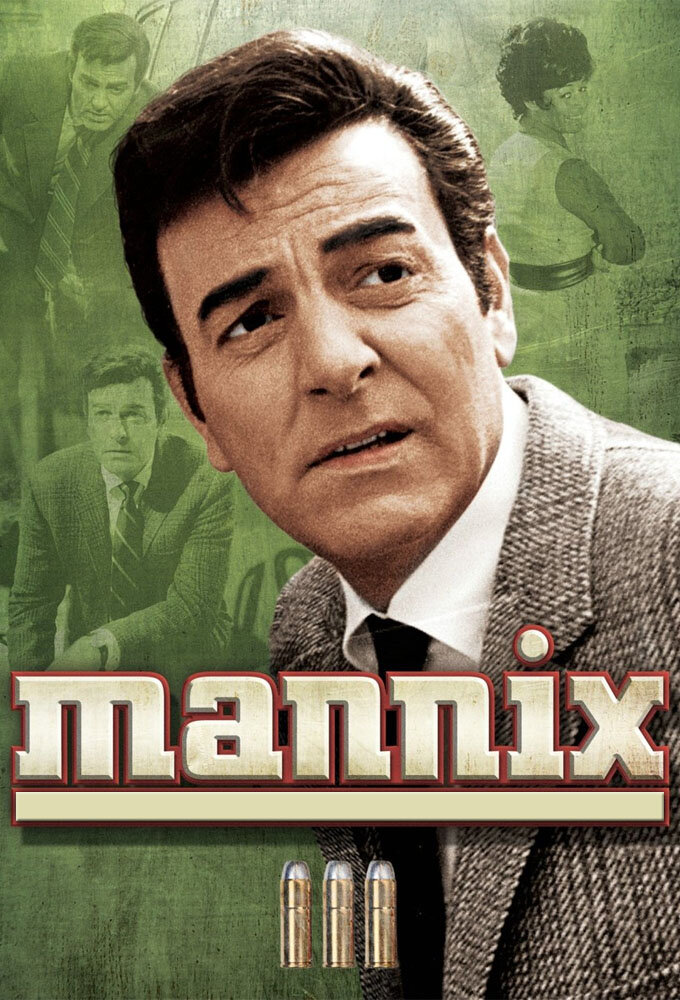
Mannix1967
Mike Connors as a private investigator solving crimes with intelligence and tenacity. It has the same 1960s procedural feel and the same faith that careful work beats intuition.
But Mannix is a maverick—he bends rules, improvises, trusts his gut. If you loved The FBI's institutional discipline, this might feel too loose.
Not sure tonight? Get a pick in a minute, starting from The FBI
The wildcard
Something you would not have found on your own.
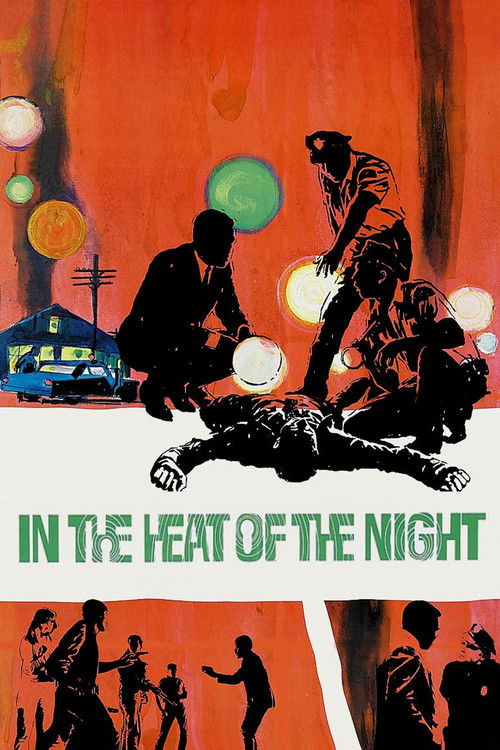
In the Heat of the Night1967
Both treat detective work as a moral and intellectual practice—solving the crime matters less than doing the work with integrity.
Sidney Poitier and Rod Steiger as detectives solving a murder in the segregated South. It's a procedural masterpiece that trusts the audience and the work. Real crime, real method, and real consequence.
But It's a two-hour film, so the pacing is different from episodic TV. And the racial tension is direct and uncomfortable, which some find harder to sit with than The FBI's more neutral tone.
More like this (7)
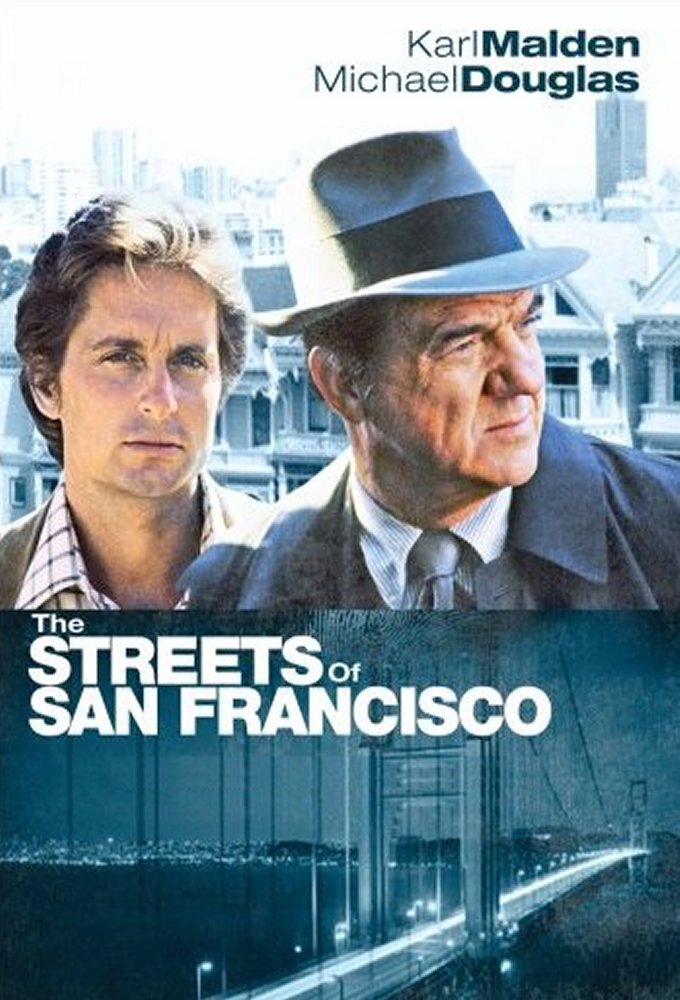
The Streets of San Francisco1972
Karl Malden and Michael Douglas as inspectors working homicide cases with steady competence. Gorgeous cinematography, strong characters, real detective work. The logical heir to The FBI's approach.
But It's set in the 1970s, which means groovy clothes and slower pacing. Some of the cases feel ripped from a different era.
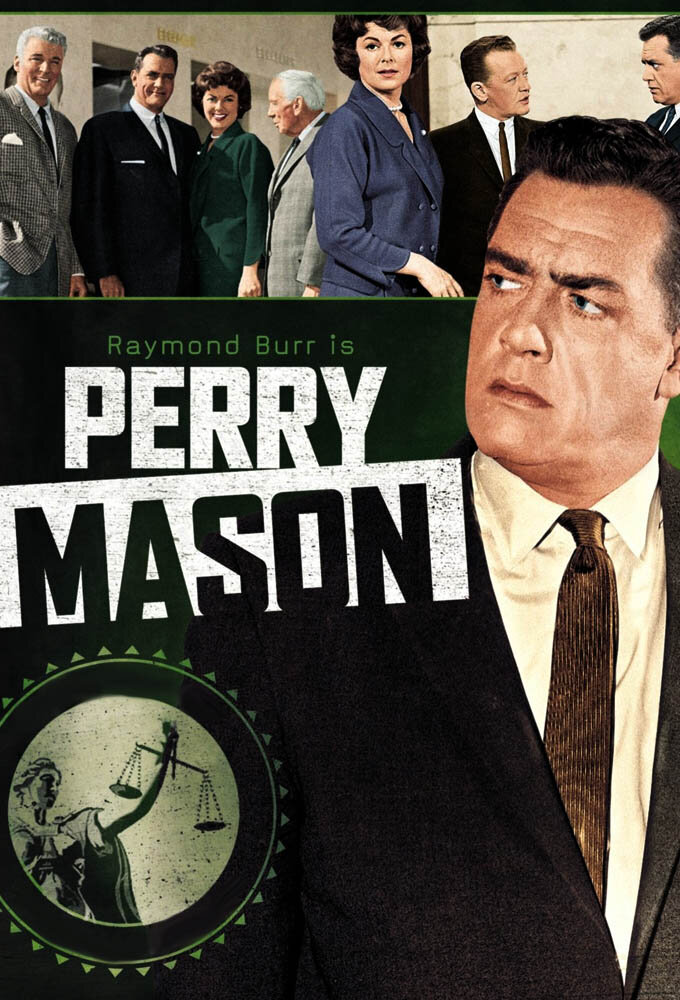
Perry Mason1957
Raymond Burr as a defense attorney solving crimes through investigation and logic. Like The FBI, it respects the audience's intelligence and the complexity of cases. Each episode is a small, perfect machine.
But It's focused on defense, not law enforcement, and the formula is very tight. If you want variety in structure, this might feel repetitive.
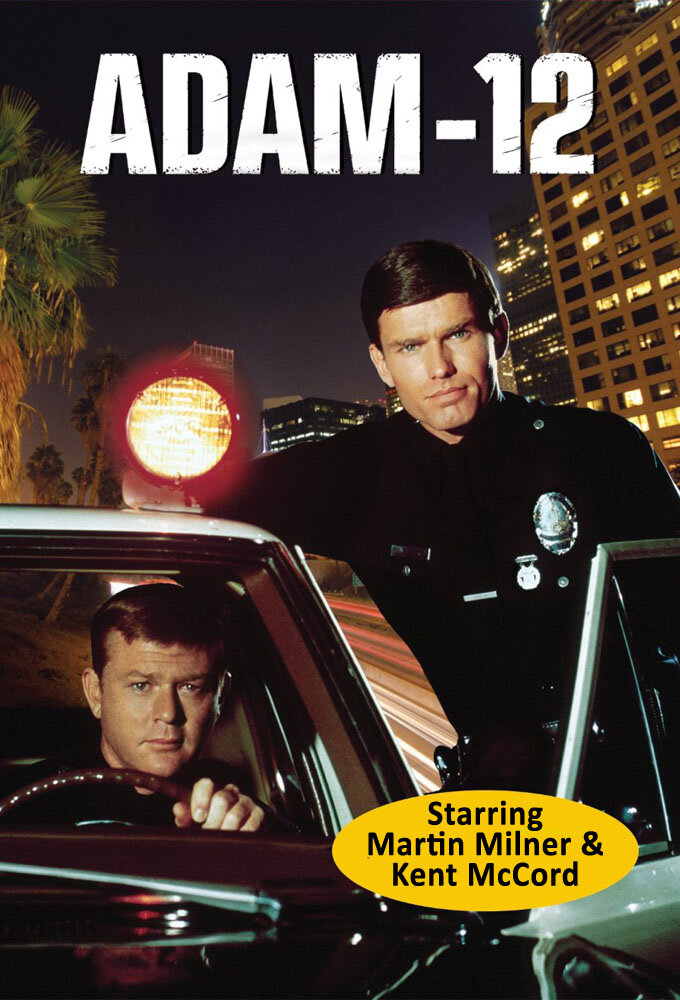
Adam-121968
Martin Milner and Kent McCord as LAPD patrol officers handling real calls. It's almost documentary-like in its commitment to showing how police work actually unfolds—no shortcuts, no drama added.
But Very little character development or ongoing narrative. Each episode is a day, and then it's over. Minimal emotional arc.
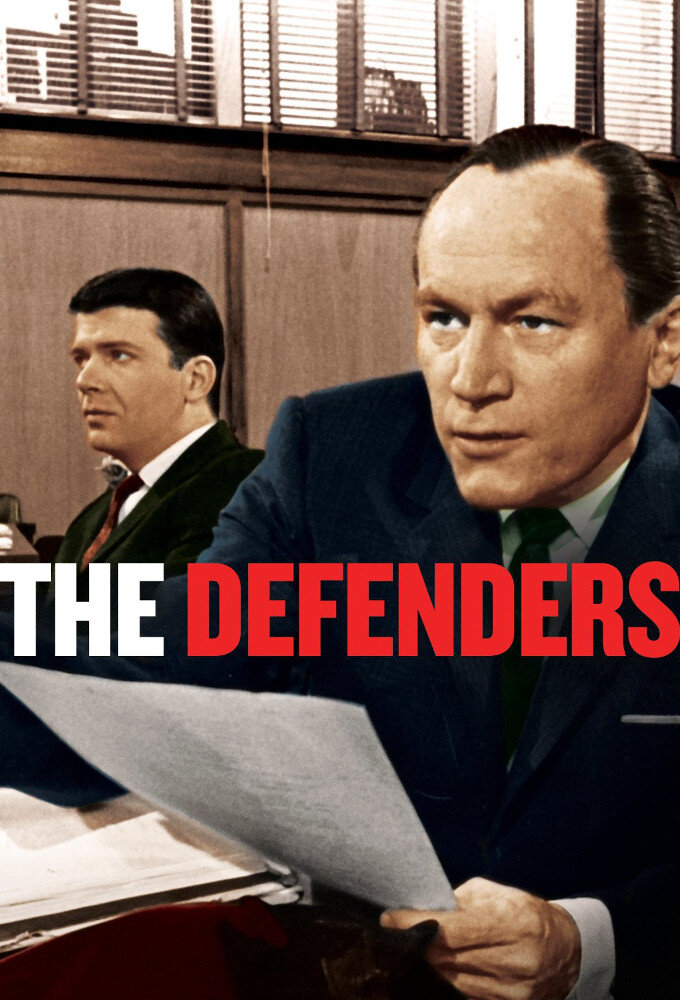
The Defenders1961
E.G. Marshall and Robert Reed as a father-and-son legal team. Cases matter morally, not just procedurally. Intelligent writing about justice, guilt, and what the system means.
But It's a legal drama, not an investigative one, so the work feels different. And it can be preachy about its moral positions.
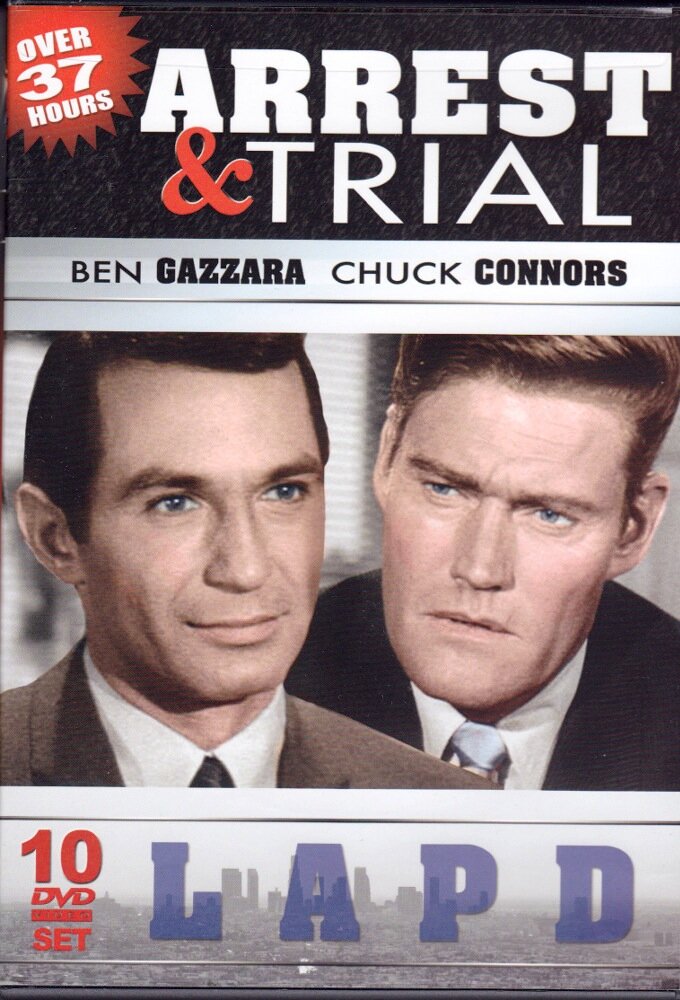
Arrest and Trial1963
Ben Gazzara as a defense attorney solving cases through investigation. Smart, taut, respectful of procedure. It bridges police work and courtroom work with real intelligence.
But It's less well-remembered than its peers, so finding episodes can be work. And some of the cases don't hold up as well as others.
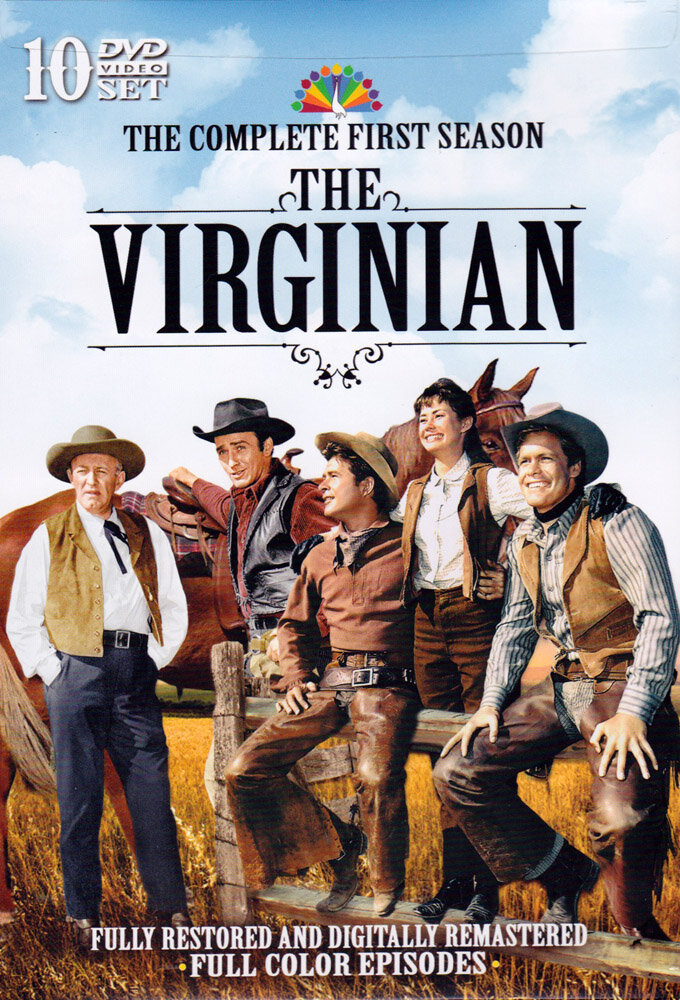
The Virginian1962
James Drury as a ranch foreman handling crisis and conflict with steady professionalism. It's structured very differently—Western instead of cop show—but shares The FBI's faith in competence and restraint.
But It's a Western, not a procedural, so the rhythms and stakes feel foreign. And some episodes prioritize plot over character.
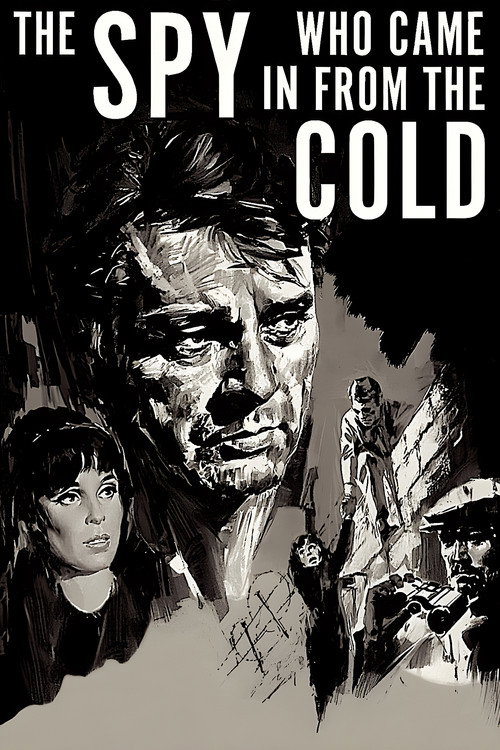
The Spy Who Came In from the Cold1965
Both are products of 1965 that believe real institutional work is compelling—but they reach opposite conclusions about whether it leads anywhere.
Richard Burton as a burned-out intelligence agent in a world of moral compromise. It's espionage as procedure: unglamorous, bureaucratic, and devastating. Same era as The FBI, but the opposite tone.
But It's slow, bleak, and deliberately anti-action. If you want excitement, this will frustrate you. The ending is also deeply cynical.
People
Cast
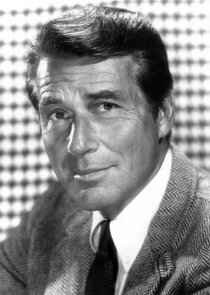

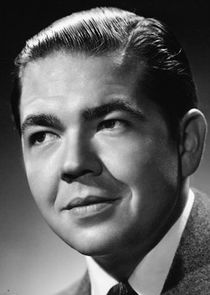 Marvin MillerNarrator

Writing
- Quinn MartinCreator