
Television series
The Untouchables
Robert Stack's stone-faced Eliot Ness leads a small, incorruptible squad against Al Capone's Chicago bootlegging empire in this clipped, narrator-driven crime drama. Each episode plays like a newsreel crossed with a Western showdown — square-jawed heroism, tommy-gun violence, and Walter Winchell's staccato voiceover insisting on the moral stakes. It's pulpy, propulsive, and unapologetically old-fashioned; a comfort watch for anyone who likes their good guys clean and their gangsters doomed.
If you liked this
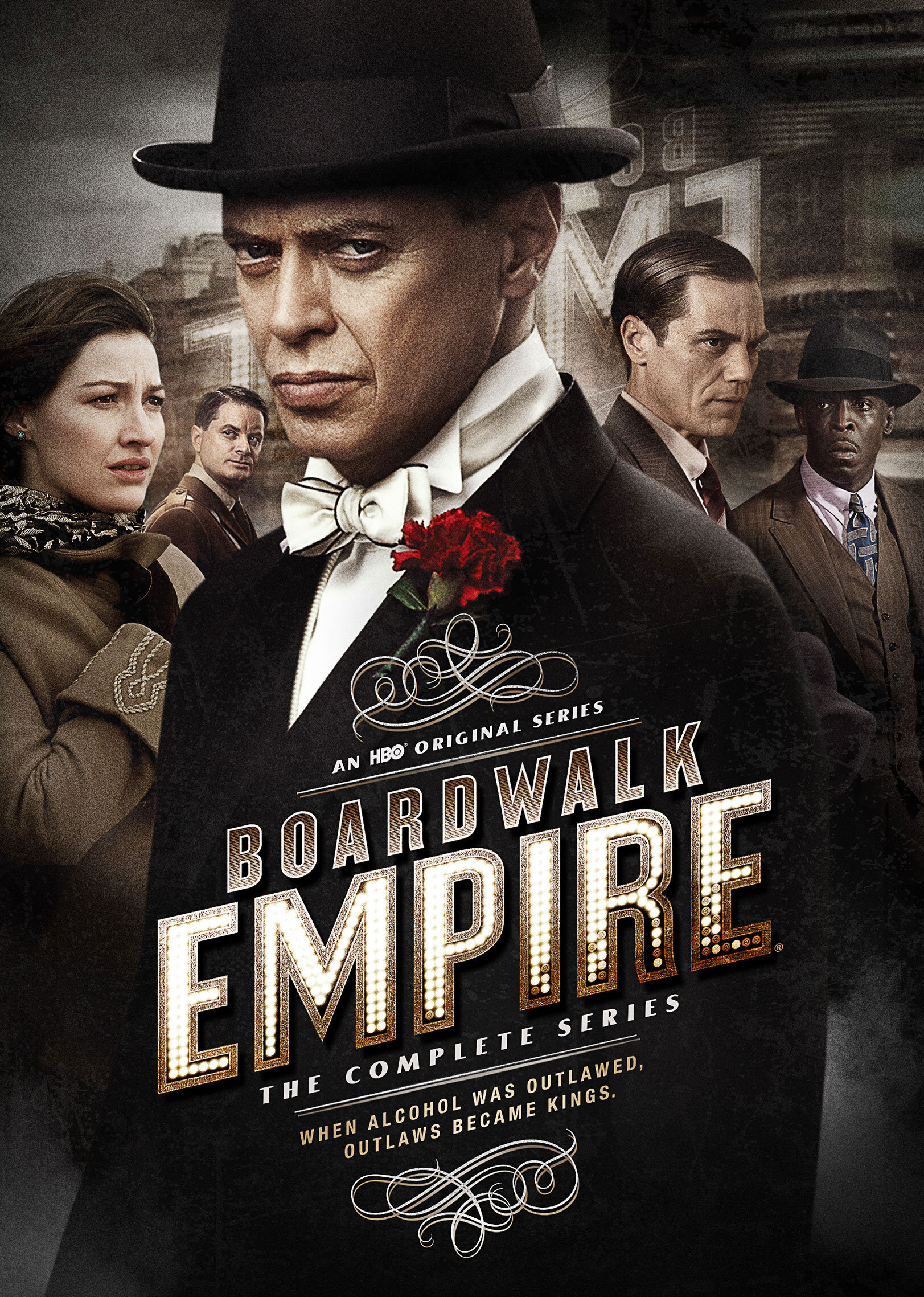
Boardwalk Empire2010
Same Prohibition-era gangland money and moral rot, blown out to novelistic scale across five seasons — think of it as Ness's world seen from the other side of the ledger, with Nucky Thompson instead of a clean-cut G-man.
But Slow-burn pacing and a sprawling cast reward patience The Untouchables never asked for; it's a marathon, not a shootout.
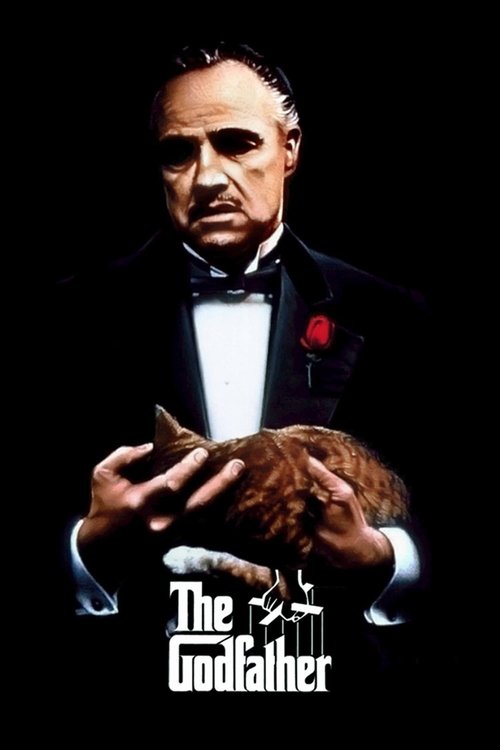
The Godfather1972
The genre-defining mythologization of organized crime that turned gangsters into American royalty — essential viewing if Capone's empire fascinated you more than Ness's crusade against it.
But Its sympathy sits with the criminals, not the lawmen; if you watched for righteous G-men, this flips the moral compass entirely.
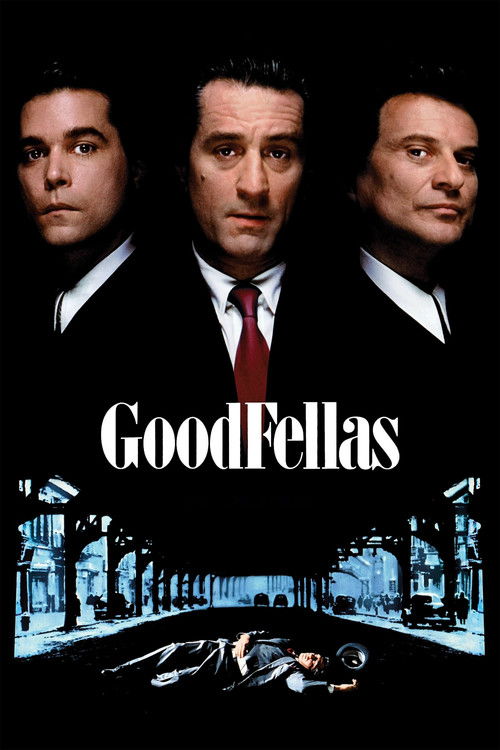
GoodFellas1990
Scorsese's kinetic, funny, terrifying view from inside the mob rather than outside it — the adrenaline and camaraderie of crime that Ness's show only ever showed from the wrong end of a gun.
But Nihilistic where Ness was righteous; there's no incorruptible hero here, just charm curdling into violence.
The wildcard
Something you would not have found on your own.
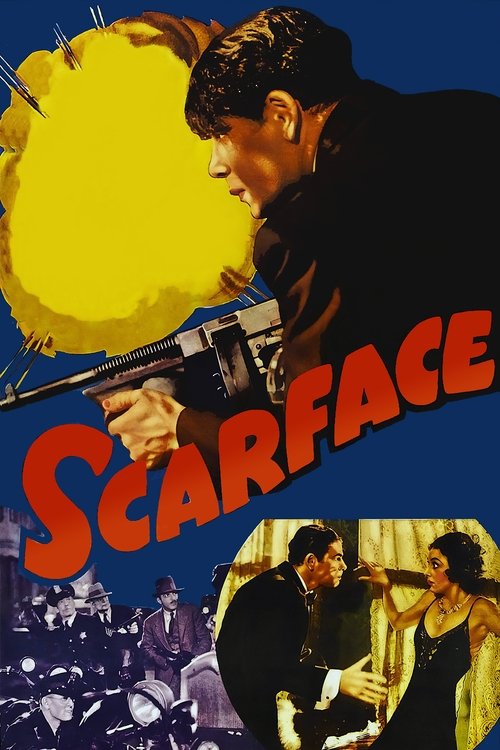
Scarface1932
This is the pulp mythology Ness's show was built to answer — the same Capone-shaped criminal empire, seen decades earlier from the gangster's side, before the G-man ever got his due.
The original Prohibition-gangster template, shockingly violent and morally unruly for its time, made just years after the real Capone fell — see the myth in its rawest, least sanitized form.
But Creaky early-sound-era acting and pacing; if you need modern polish, this will feel like a museum piece rather than entertainment.
More like this (8)
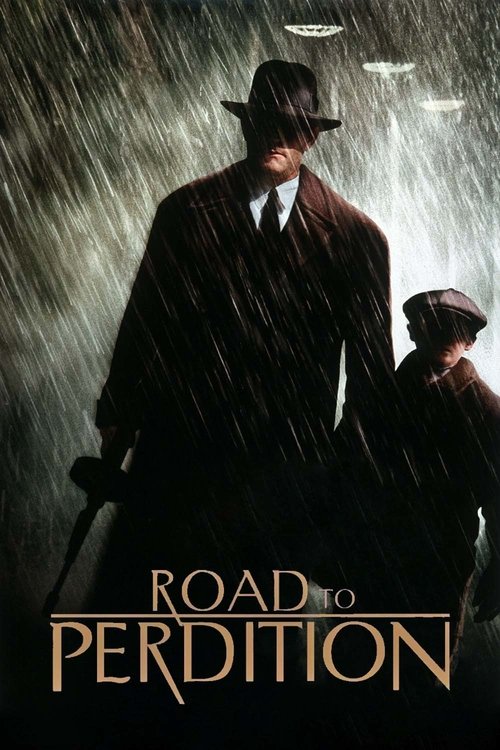
Road to Perdition2002
A moodier, more melancholic take on Prohibition-era violence, following a mob enforcer and his son instead of the men chasing them — same tommy guns, far quieter heart.
But Deliberately paced and grief-soaked; if you wanted the show's brisk case-of-the-week energy, this will feel like a funeral by comparison.
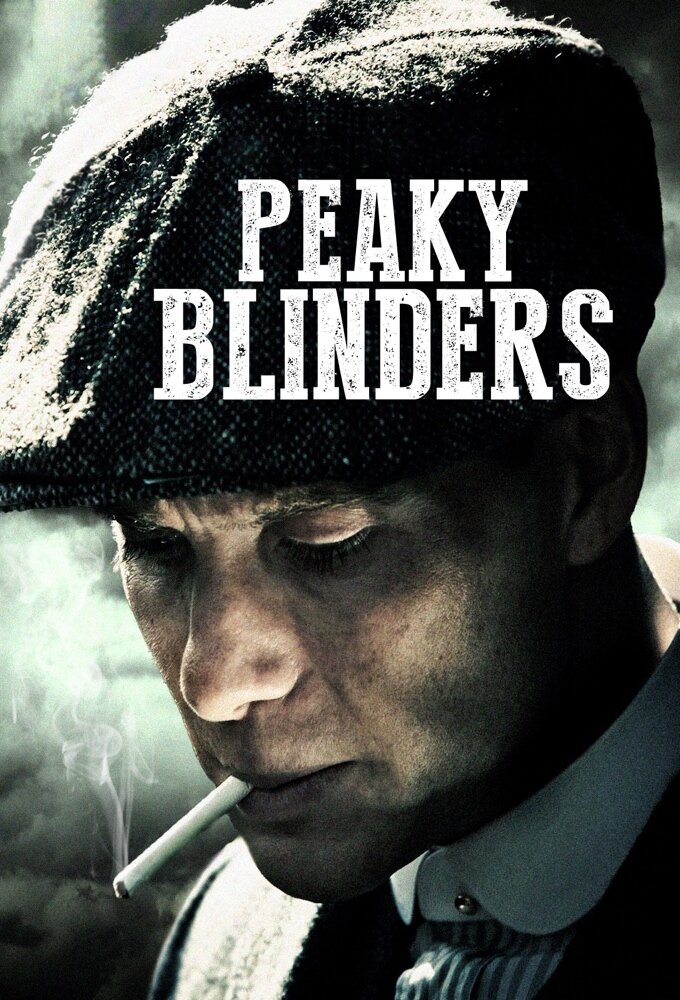
Peaky Blinders2013
Swap Chicago for Birmingham and Ness for the Shelby brothers — same gang-versus-authority tension, same interwar grit, but told from the criminals' side with stylish period flair.
But Its swagger and slow-motion posturing are a world away from the show's clipped, newsreel efficiency; style-over-substance types may bounce off it.
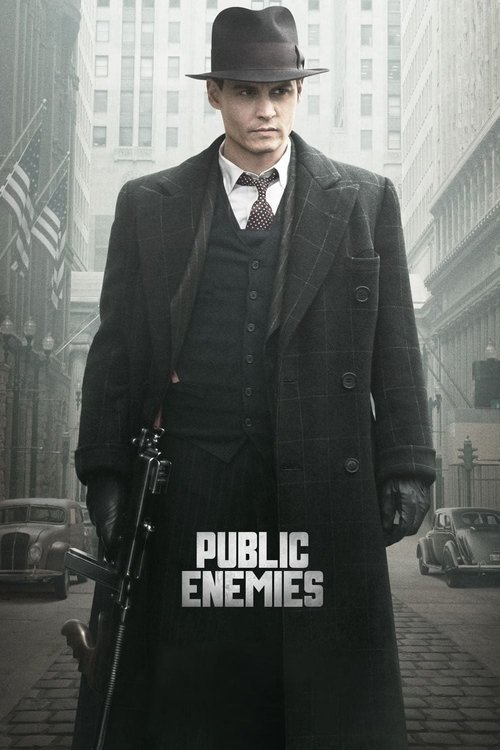
Public Enemies2009
Michael Mann's take on the same Depression-era outlaw landscape, trading Capone for Dillinger and Ness's team for a similarly dogged Bureau man — all rain-soaked tommy-gun elegance.
But Cool to the point of chilly; Mann's detachment can feel emotionally distant next to the show's earnest, narrator-driven urgency.
Dragnet1967no page yet
Same era's TV instinct for stern, just-the-facts law enforcement drama, delivered with a narrator's clipped authority and unwavering faith in the badge — the tonal twin of Ness's crusade, one crime at a time.
But Deliberately flat and repetitive by design; it trades the show's violence and pulp thrill for pure procedural dryness.
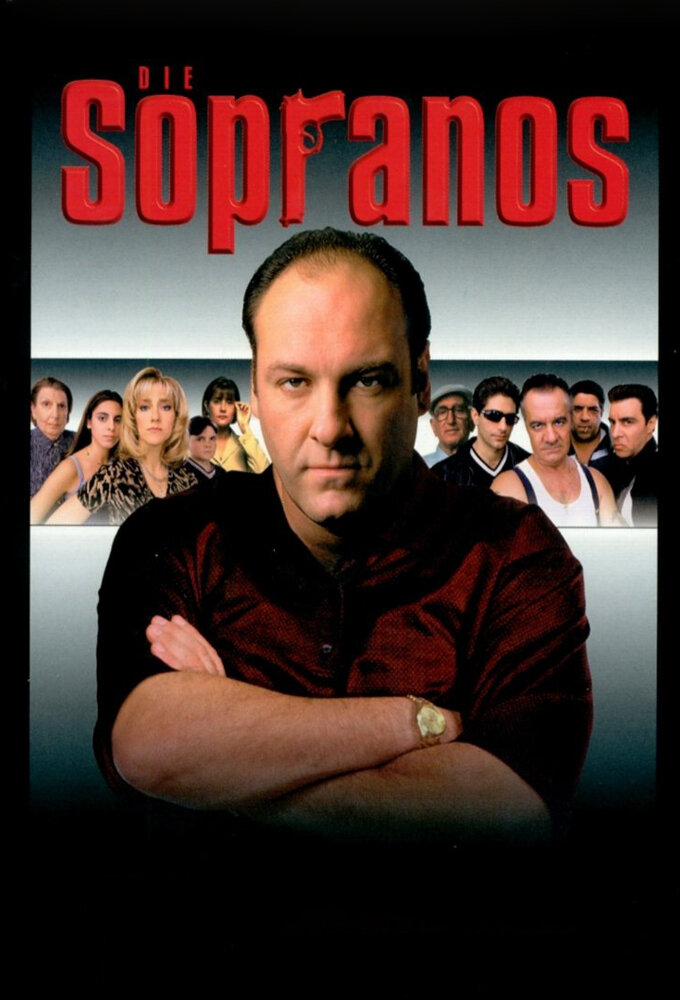
The Sopranos1999
The modern heir to the American gangster story, swapping tommy guns for therapy sessions — proof the genre Ness patrolled never actually died, just moved to New Jersey.
But Psychologically dense and morally ambiguous where the original show was black-and-white; don't expect clean wins or clear heroes.
Highway Patrol1955no page yet
A true contemporary of the show — same era, same clipped narration, same square-jawed lawman-of-the-week format, just swapping tommy guns for a Ford Interceptor and open highways.
But Threadbare budgets and repetitive plots show its age hard; it's a curiosity more than a great watch today.
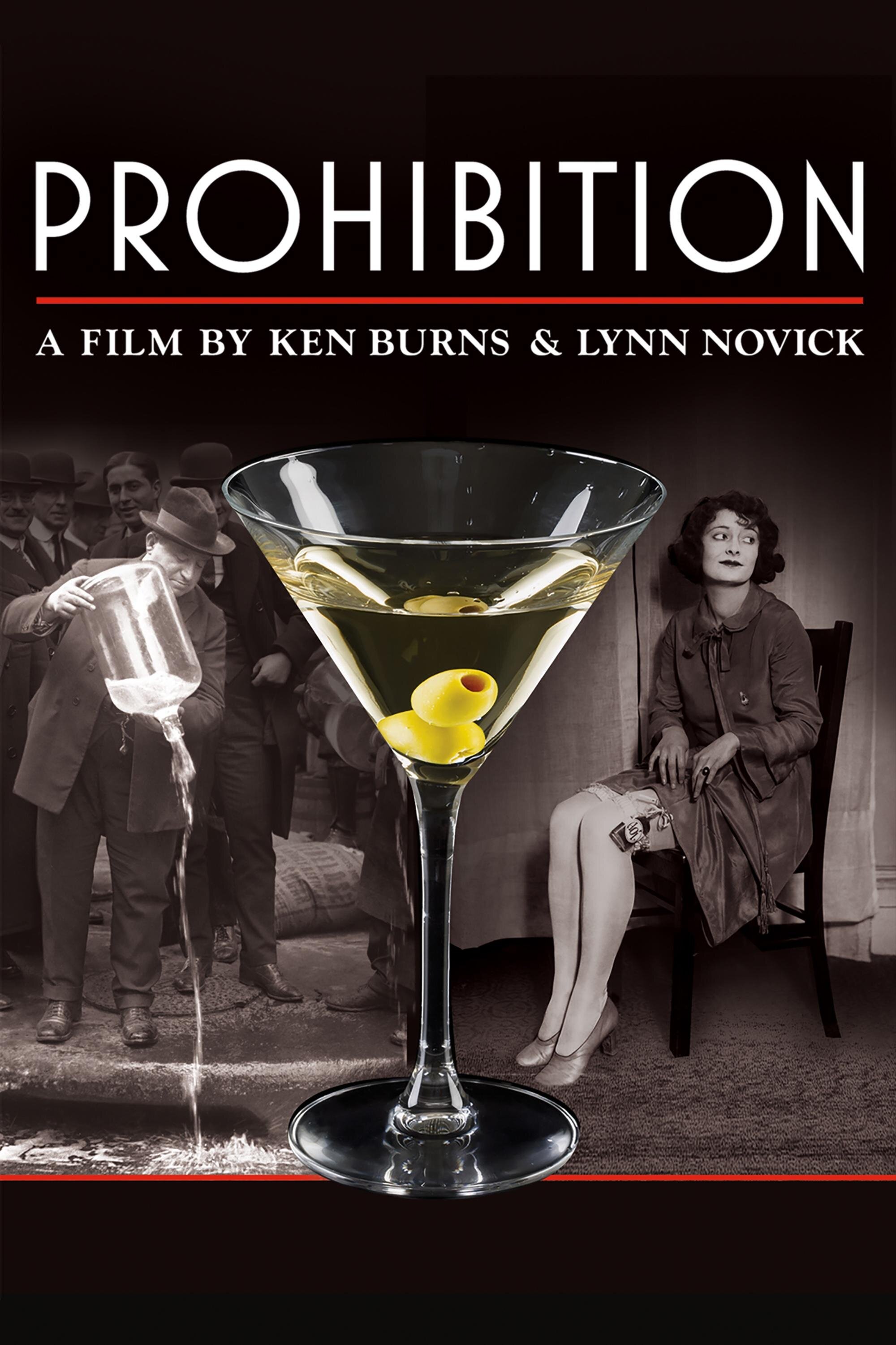
Prohibition2011
Same history, same real-life gangsters and agents, but stripped of the show's narrator-driven melodrama for sober documentary fact — the true story sitting underneath the mythology.
A rigorous, humane three-part documentary that untangles the actual politics, hypocrisy and human cost behind the era the show mythologizes into cops-and-robbers spectacle, with real Ness footage included.
But No shootouts, no swagger — just archival photographs, talking heads and careful argument; it demands patience the show never asks for.
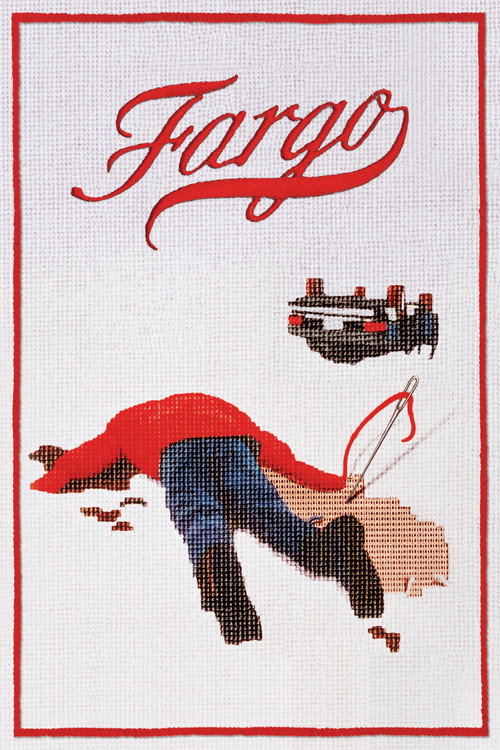
Fargo1996
Same Midwestern crime machinery — ordinary crooks, dogged investigators, snow instead of Chicago rain — but with Ness's moral clarity replaced by absurd, unglamorous violence and small-town deadpan.
The Coens take the crime-versus-law engine and drain it of heroics, replacing tommy-gun righteousness with bumbling greed and one deeply competent, deeply ordinary pregnant police chief.
But Its comic, off-kilter register is a hard left turn from the show's straight-faced moral certainty; it might feel too odd, too small.
People
Cast
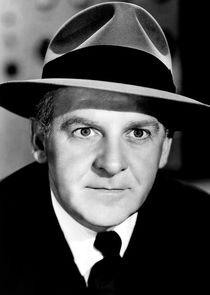 Walter WinchellNarrator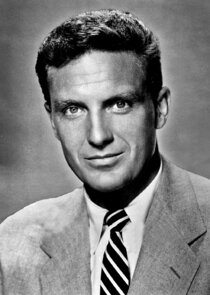

Production
- Arthur FellowsAssociate Producer
- Del ReismanAssociate Producer
- Lloyd RichardsAssociate Producer
- Vincent McEveetyAssociate Producer
- Alan A. ArmerExecutive Producer
- Jerry ThorpeExecutive Producer
- Leonard FreemanExecutive Producer
- Quinn MartinExecutive Producer