
Television series
87th Precinct
A police procedural following detectives in a nameless city's 87th Precinct, based on Ed McBain's novels. Gritty, ensemble-focused, and surprisingly humane for its era. It treats homicide work as grinding routine punctuated by moments of dark comedy and genuine vulnerability—a prototype for the modern cop show.
If you liked this
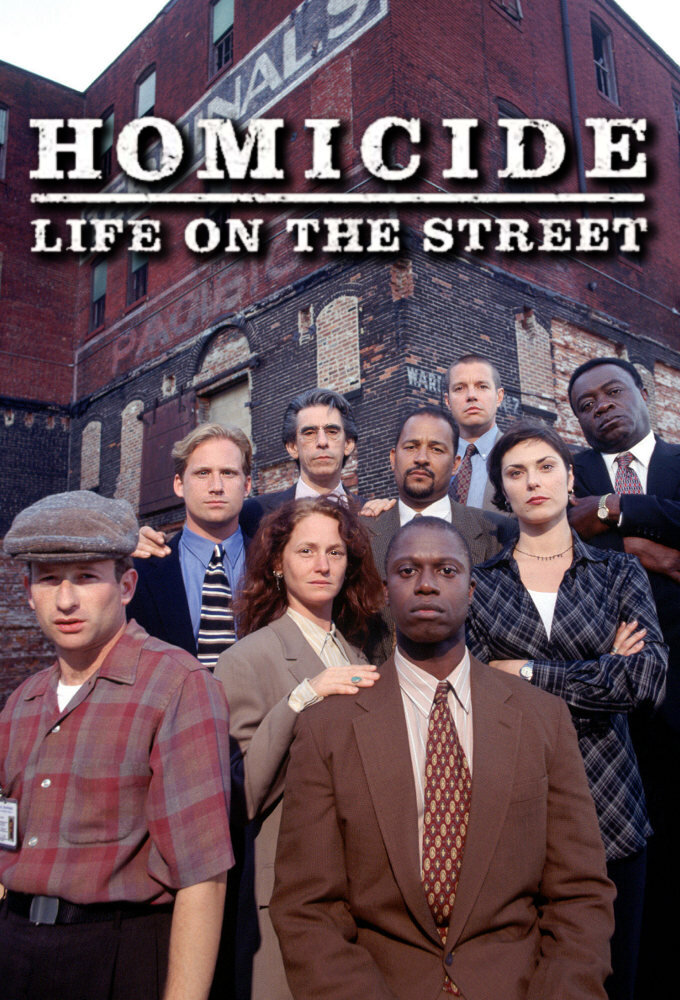
Homicide: Life on the Street1993
A spiritual descendant that perfected what 87th Precinct pioneered: the squad room as a character itself, with cases that matter but never overshadow the detectives' lives, partnerships, and small, saving graces.
But It's bleak and sometimes suffocating. Watching real police work often means watching bureaucracy win and killers walk.
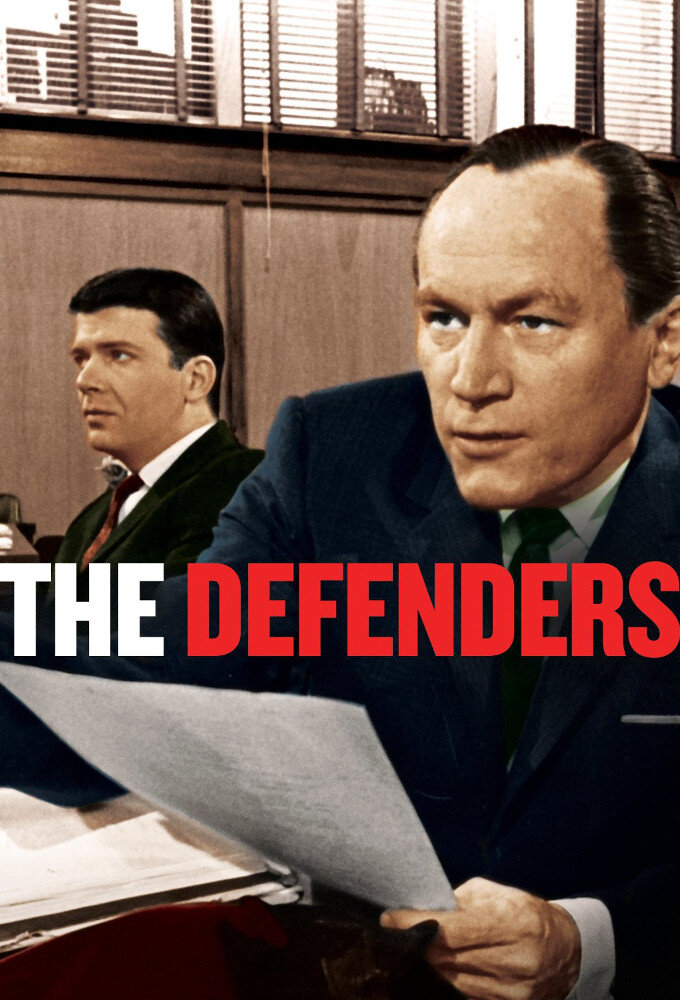
The Defenders1961
Ran simultaneously and shares the same DNA: a prestigious, character-driven ensemble where the writing is smart, the moral questions aren't simple, and the cast elevates everything.
But The legal procedural pacing can feel slow if you want action. It's about thinking, not doing.
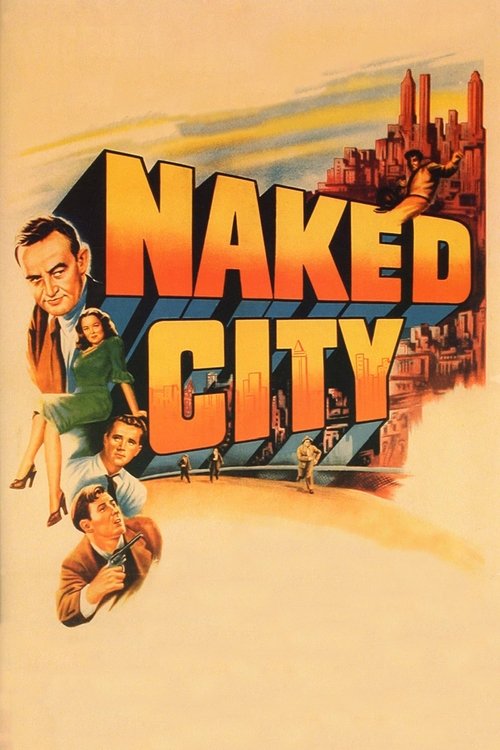
The Naked City1948
An earlier New York police series that shares the procedural spirit and that essential message: a million stories in the naked city. Episodic, unpretentious, and deeply felt about its cops.
But Slightly more sensational and less character-focused. If you want depth over variety, this won't sustain you.
Not sure tonight? Get a pick in a minute, starting from 87th Precinct
The wildcard
Something you would not have found on your own.
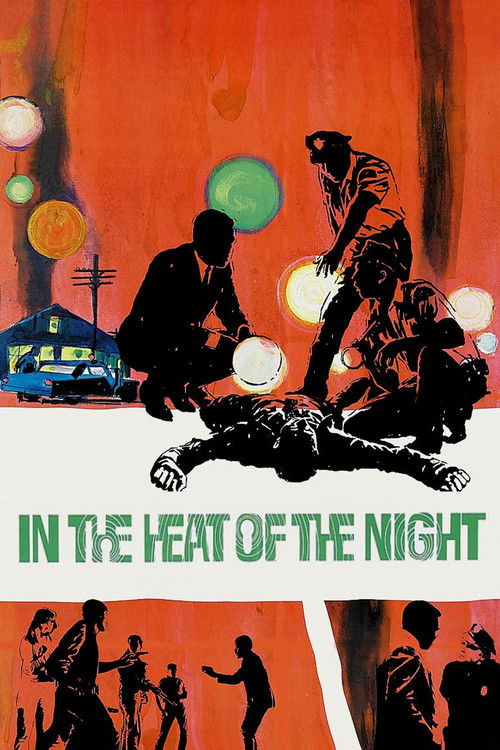
In the Heat of the Night1967
Both dramatize detective work as a conversation between flawed people who have to trust each other. Both know that procedure and personality are inseparable.
Sidney Poitier and Rod Steiger in a Mississippi procedural where the case matters less than the collision between two men forced into partnership. It's Ed McBain's world—the one 87th Precinct was sketching—fully realized and combustible.
But The racial politics are central and confrontational. If you're looking for escape, this doesn't offer it. It demands you sit with discomfort.
More like this (7)
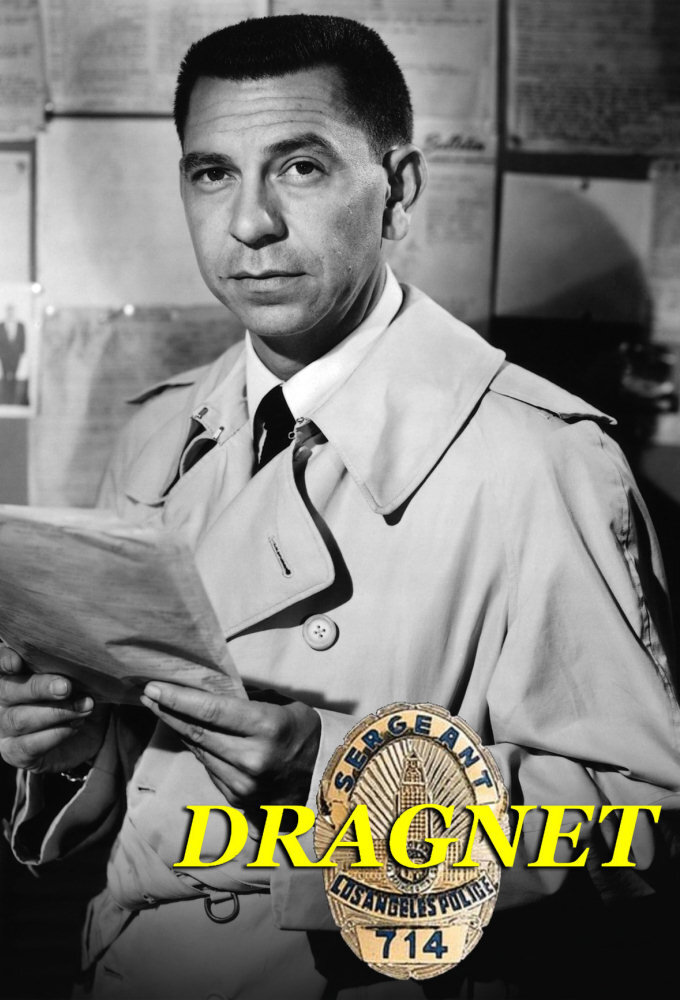
Dragnet1951
Jack Webb's landmark series perfected the procedural template. Deadpan, respectful to police work, and genuinely addictive once you surrender to its rhythm and Jack Webb's monotone authority.
But It's relentlessly square and can feel like a primer. The format is repeated so strictly it becomes almost meditative—some find that tedious.
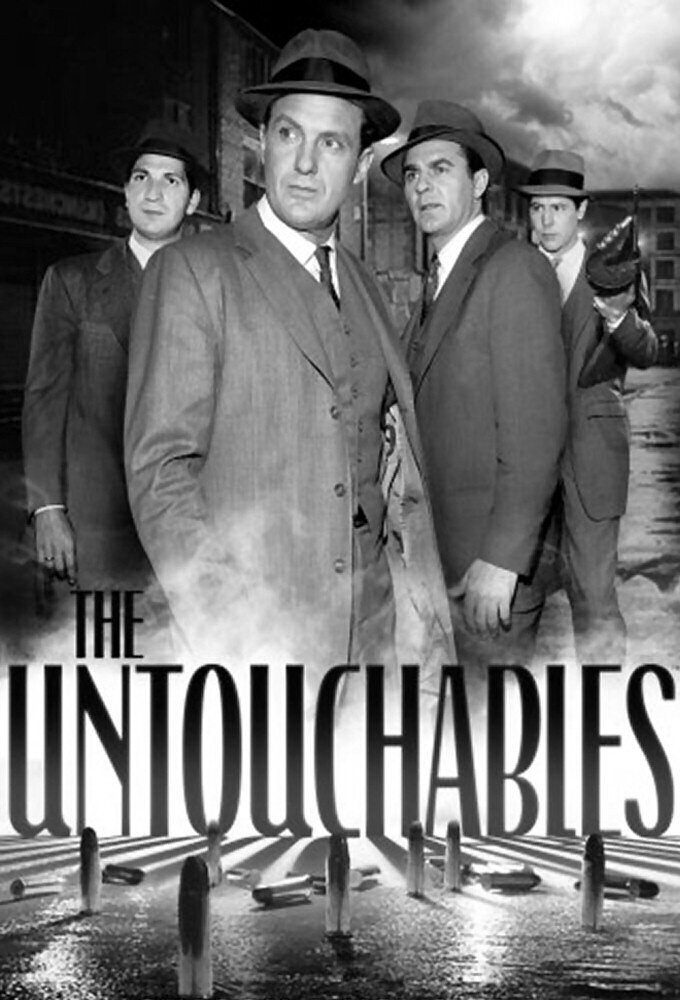
The Untouchables1959
Prohibition-era crime drama with a tight ensemble and Robert Stack's granite-jawed seriousness. Stylish, tense, and proves the procedural works in different decades.
But More action-forward than character study. If you're looking for nuance in 1950s TV, this leans toward the pulp.
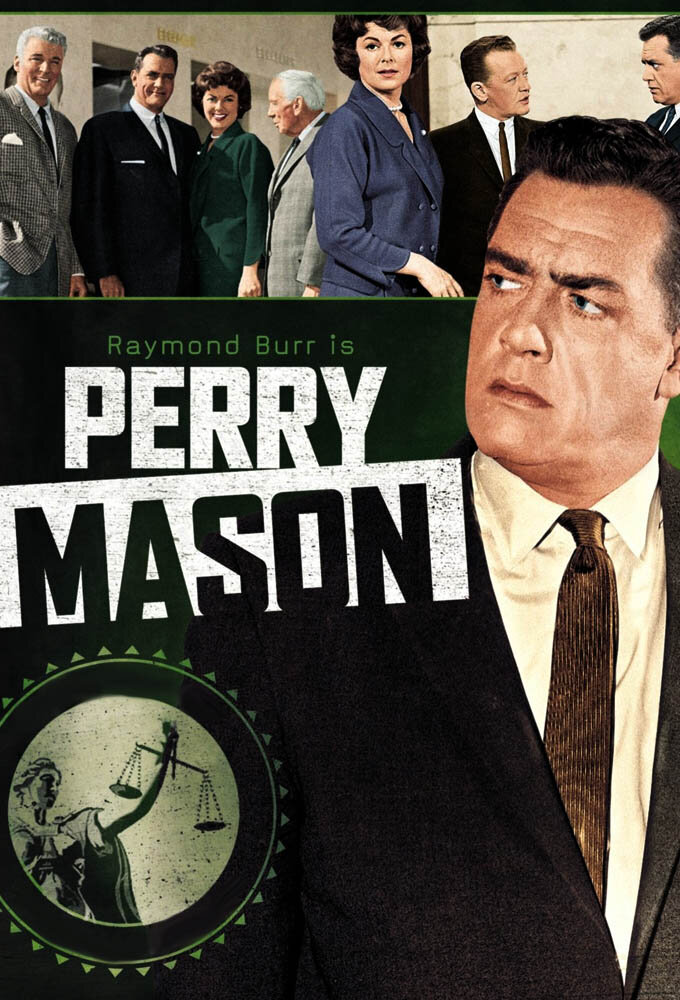
Perry Mason1957
Contemporary to 87th Precinct but from the other side of the law. Brilliantly written mysteries, Raymond Burr's charisma, and that same fastidious attention to procedure and detail.
But Perry never loses. If you need genuine uncertainty and moral ambiguity, the formula becomes predictable.
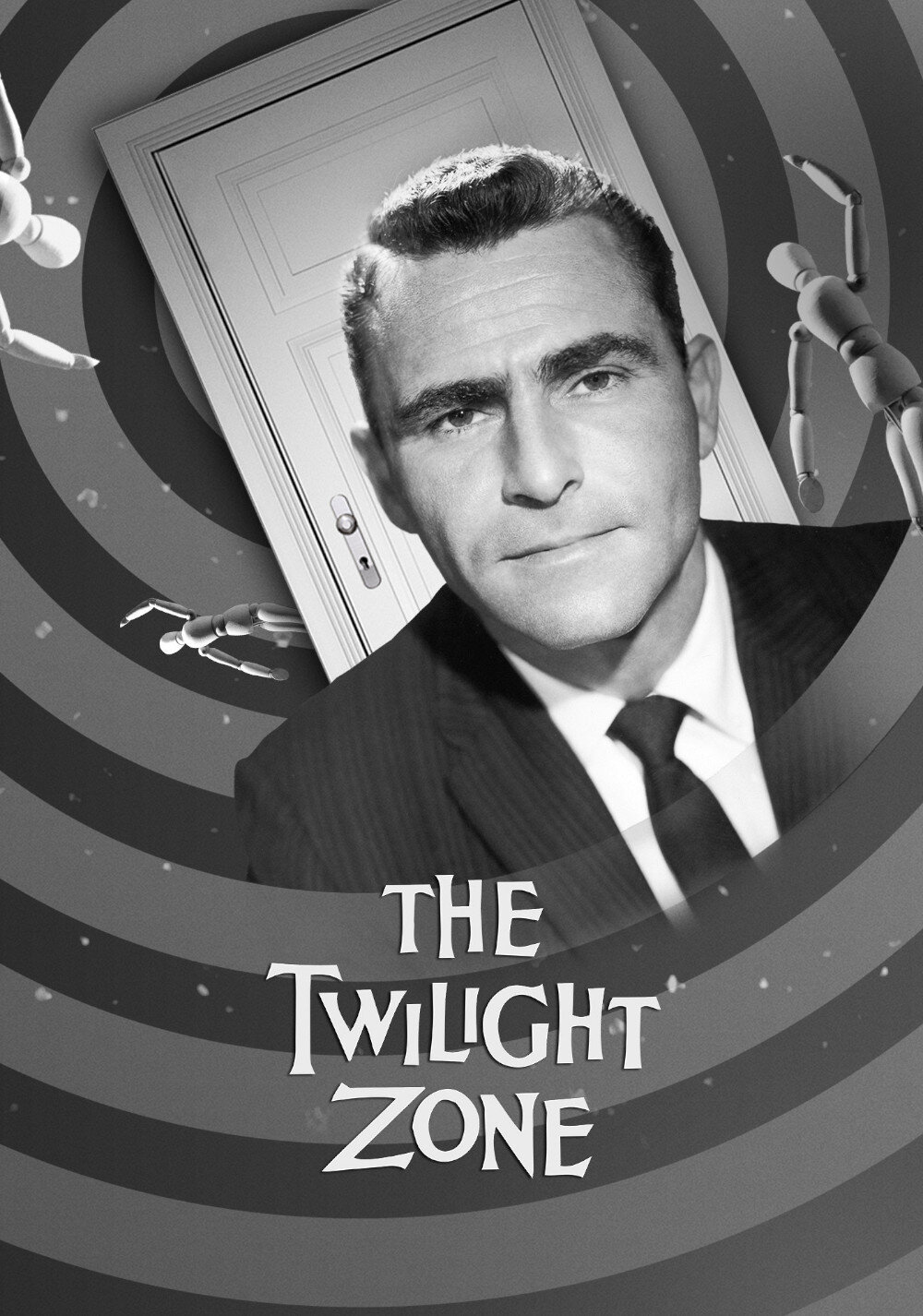
The Twilight Zone1959
Not a procedural, but Rod Serling's anthology shares 87th Precinct's era and that intelligent, humanist spirit. One-offs instead of serialization, but the same respect for the audience.
But The premise is fantasy, not crime. If you're after real police work, this pivots entirely into the philosophical.
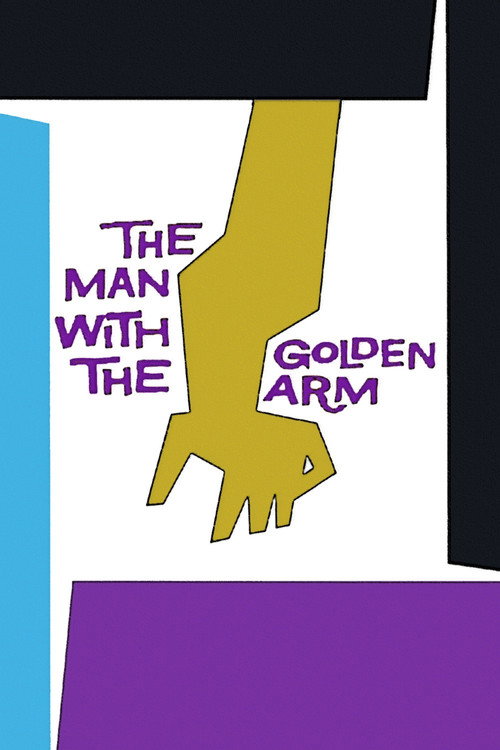
The Man with the Golden Arm1955
Frank Sinatra in Preminger's urban noir about addiction and redemption. That same gritty city, that same compassion for flawed people caught in systems bigger than themselves.
But It's a one-off drama, not procedural. And Sinatra's performance is uneven—the film cares more about mood than narrative momentum.
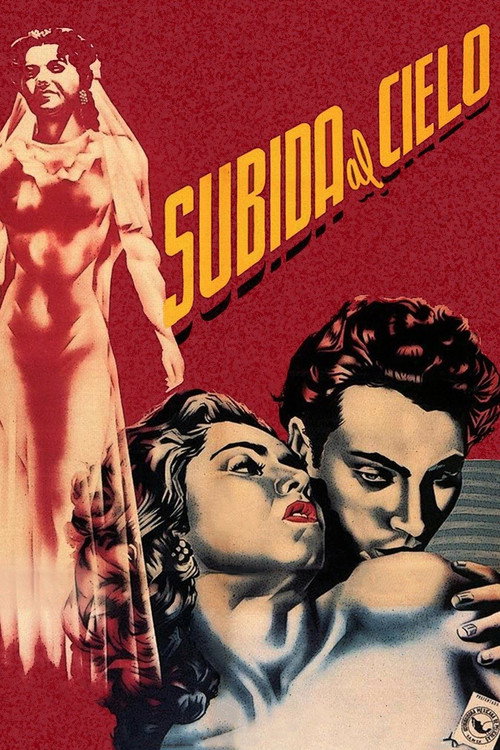
Mexican Bus Ride1952
Both treat police work as inseparable from the city's poverty and corruption. Both see detectives as people shaped by what they witness, not heroes above it.
Luis Buñuel's Mexican crime drama that plays as a procedural told by a dead man. Strange, poetic, and utterly unsentimental about poverty, corruption, and moral compromise—it's 87th Precinct's DNA expressed in a different language and tone.
But Surreal, slow, and deeply pessimistic. It's also in Spanish and not widely available. Requires patience and tolerance for ambiguity.
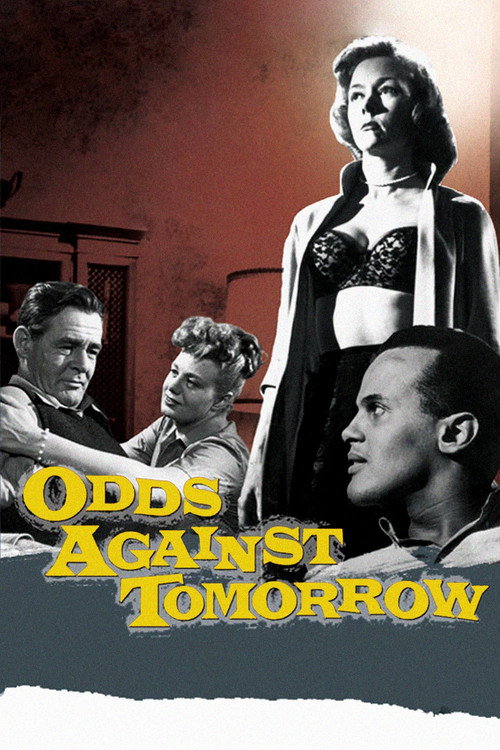
Odds Against Tomorrow1959
Both use procedural structure to explore how the system works for some people and crushes others. Both are interested in the texture of urban life, not just the case.
Harry Belafonte and Robert Ryan in a heist noir where the police are almost incidental but the world-building—the city, the networks, the casual racism—is everything. Treats crime procedurally but doesn't sentimentalize its cops.
But It's a heist picture that spends more time on relationships and dread than plot. If you want a straightforward crime story, the existential weight will frustrate you.
People
Cast

Writing
- Ed McBainCreator