
Television series
Armstrong Circle Theatre
- Drama
- Dip in and out
Armstrong Circle Theatre was a CBS anthology series (1950–1963) that dramatised real events from newspapers and crime reports. Each episode was a self-contained true-crime or human-interest story, performed live with the craftsmanship of early television. It's essential viewing for understanding how drama was made when the medium was still finding its voice.
Should you watch it?
Watch it if you like self-contained stories with a plain, documentary-minded approach, where each week a fresh case is told start to finish and the hosts frame it like a newsreel.
Skip it if you need continuity between episodes or the polish of modern television, since this is a 1950s anthology with a stagey feel and hosts doing much of the framing.
What it asks of you: Roughly 42 minutes an episode, and you settle into a tight, self-contained story each time, with no need to remember anything from the week before.
Not sure? Find tonight's pick in a minute.
If you liked this
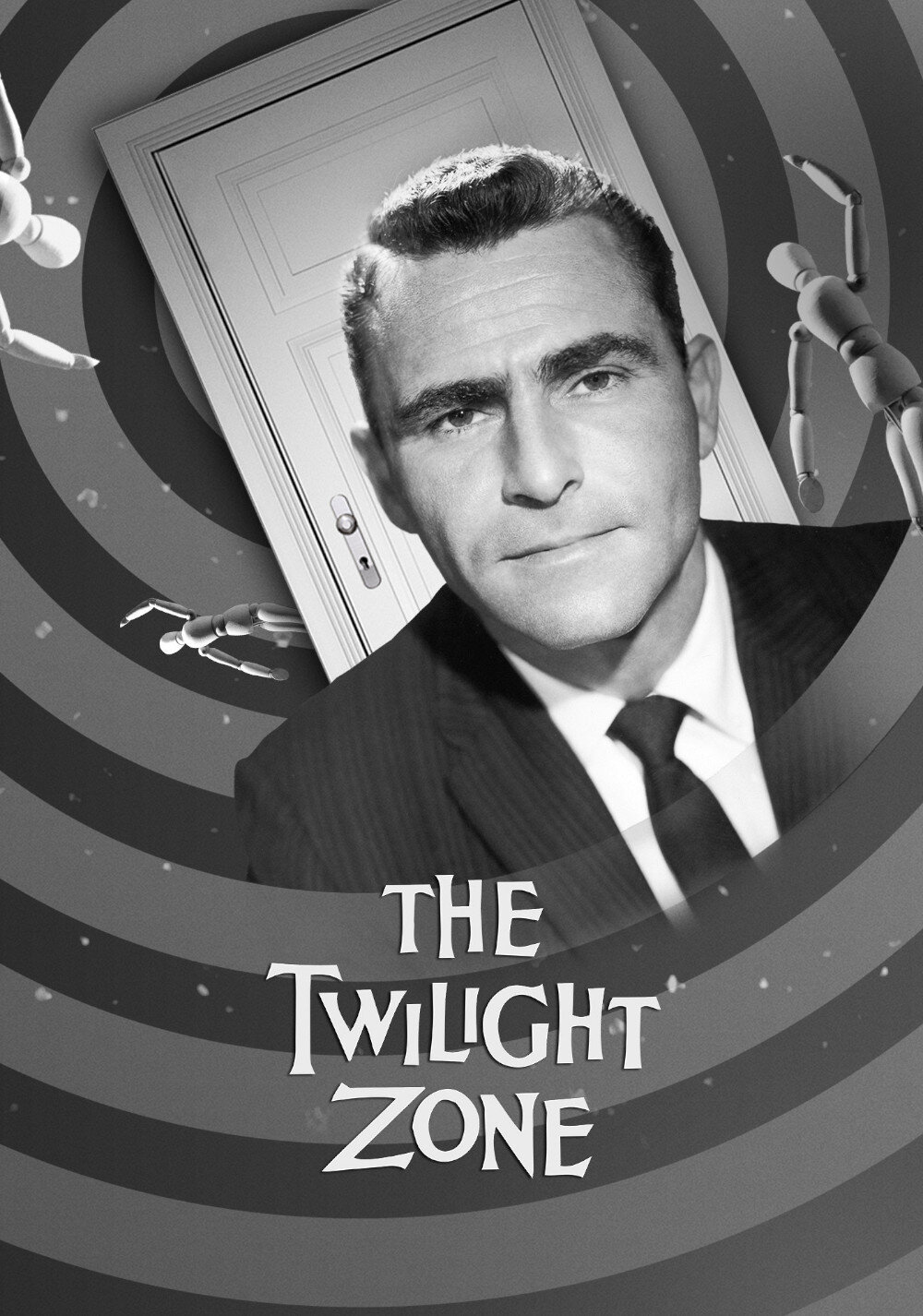
The Twilight Zone1959
Like Armstrong Circle, it's anthology storytelling with genuine substance—but Rod Serling used the format to explore the uncanny and philosophical rather than the documentary. Same structural mastery, completely different mood.
But The sci-fi premise feels quaint now, and not every episode lands. Some are preachy or predictable, which dilutes the collection's power.
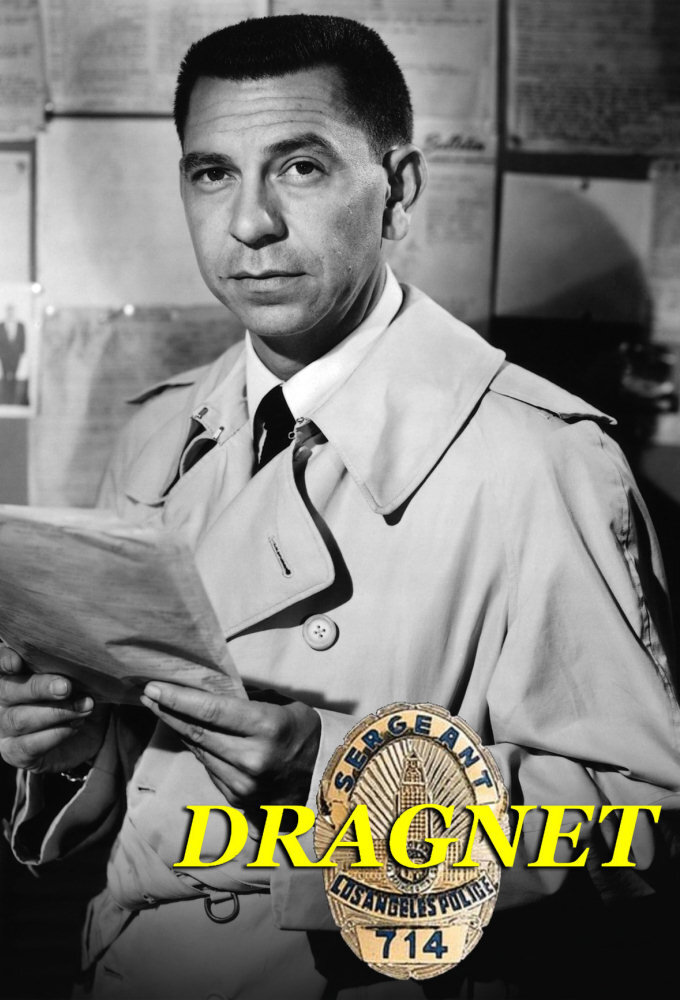
Dragnet1951
Jack Webb's procedural shares Armstrong's obsession with real crime, but Dragnet treats the police investigation itself as the story. It's taut, unglamorous, and endlessly influential on how we dramatise law enforcement.
But The rhythm is repetitive by design—every episode follows the same beats. If you want variety in structure, this will feel mechanical.
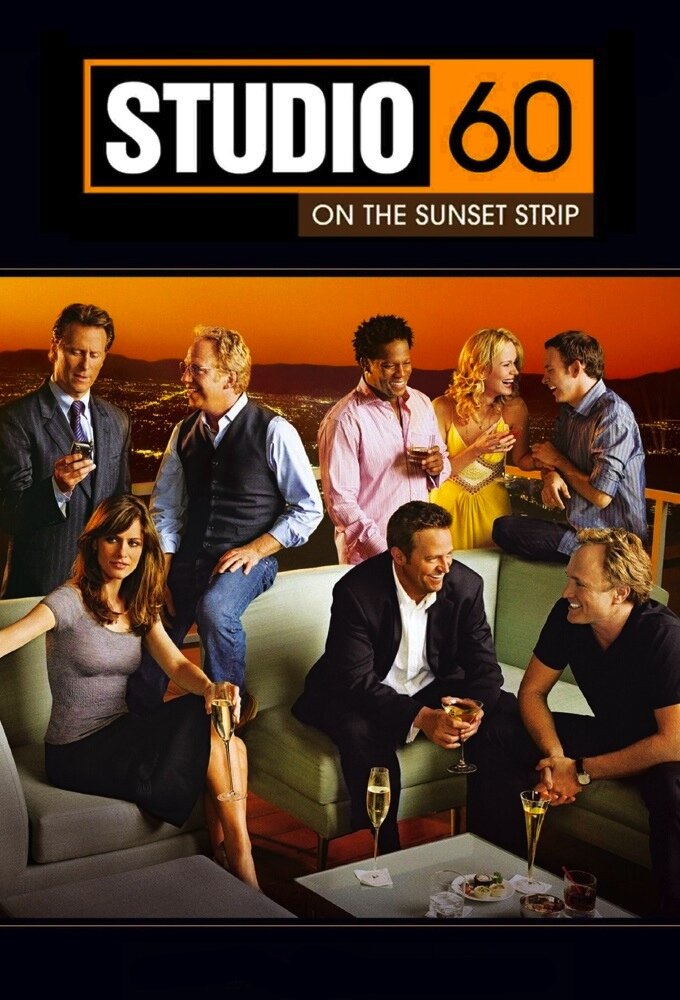
Studio 60 on the Sunset Strip2006
An earlier live anthology that influenced Armstrong itself. Studio One mixed classics with originals and proved the format could sustain five seasons of prestige drama. Essential context for understanding the era.
But Production values are even more primitive than Armstrong. Long stretches of static dialogue over flat visuals will test your patience with early television.
Not sure tonight? Get a pick in a minute, starting from Armstrong Circle Theatre
The wildcard
Something you would not have found on your own.
Rope1948
Both dramatise real crimes as intimate human studies; both trust the viewer to feel dread without explosions or obvious villainy.
Hitchcock's film about two men who commit murder and then host a dinner party while the body is hidden in the room. It's a real crime (the Leopold-Loeb case) dramatised as psychological tension—the exact DNA of Armstrong Circle Theatre, compressed into ninety minutes and infinitely more intense.
But The gimmick of filming it as one continuous take, without cuts, becomes claustrophobic and sometimes tedious. The staginess can feel artificial rather than thrilling.

More like this (6)
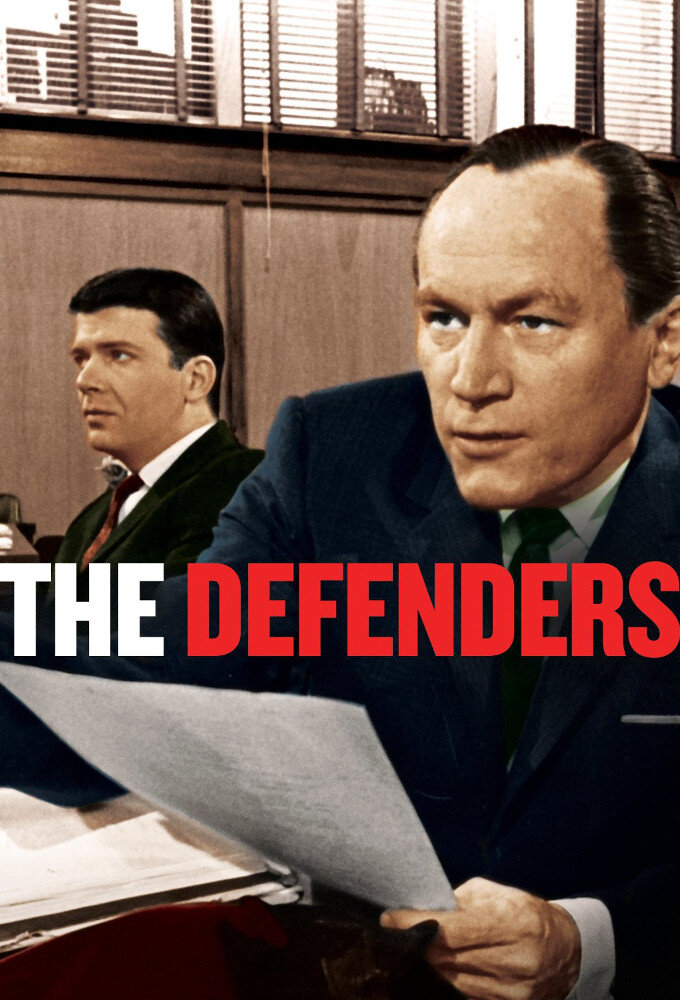
The Defenders1961
This legal drama anthology (presented as related cases) brought social urgency to courtroom storytelling. It won four Emmys in its first season and shows how the anthology form evolved toward issue-driven narrative.
But The messaging can feel heavy-handed, and some cases resolve too neatly. It's more interested in making a point than ambiguity.
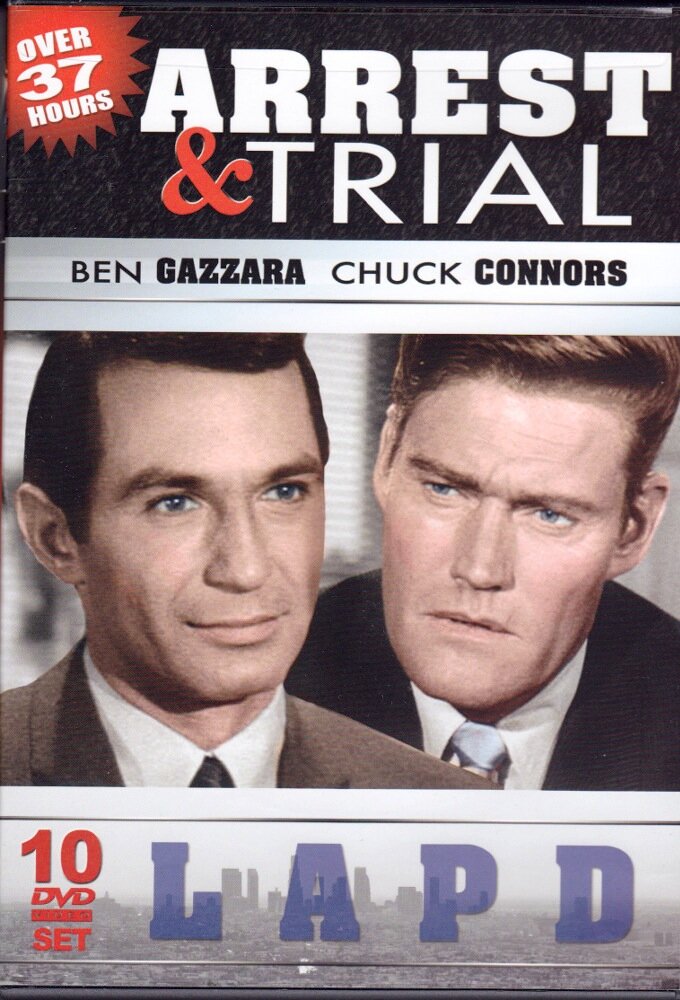
Arrest and Trial1963
A law-and-order anthology that ran from 1963–1966, picking up where Armstrong Circle Theatre was ending. It's modern enough to feel less distant, but still captures that live-drama energy and real-case obsession.
But It's slicker and less distinctive than what came before. The cases are competent but rarely memorable, and the format starts to feel formulaic.
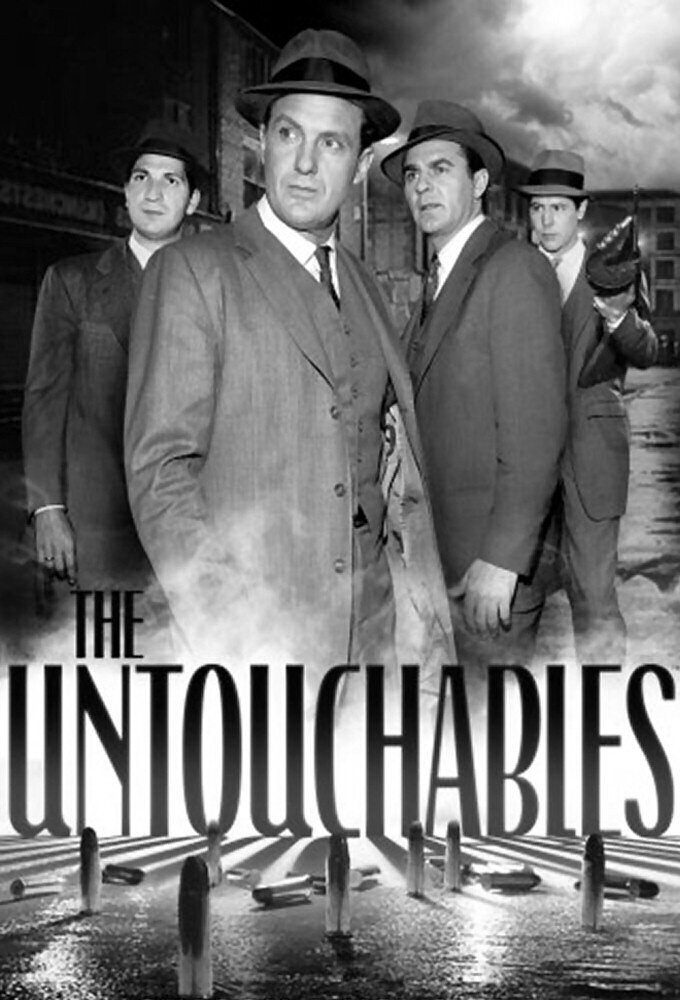
The Untouchables1959
Eliot Ness and Prohibition-era crime, dramatised with violence and style. It's what Armstrong Circle Theatre's true-crime stories might have looked like with higher production values and a recurring protagonist.
But It's more action-adventure than drama. Character development takes a back seat to shootouts, which some find exhausting over a full season.
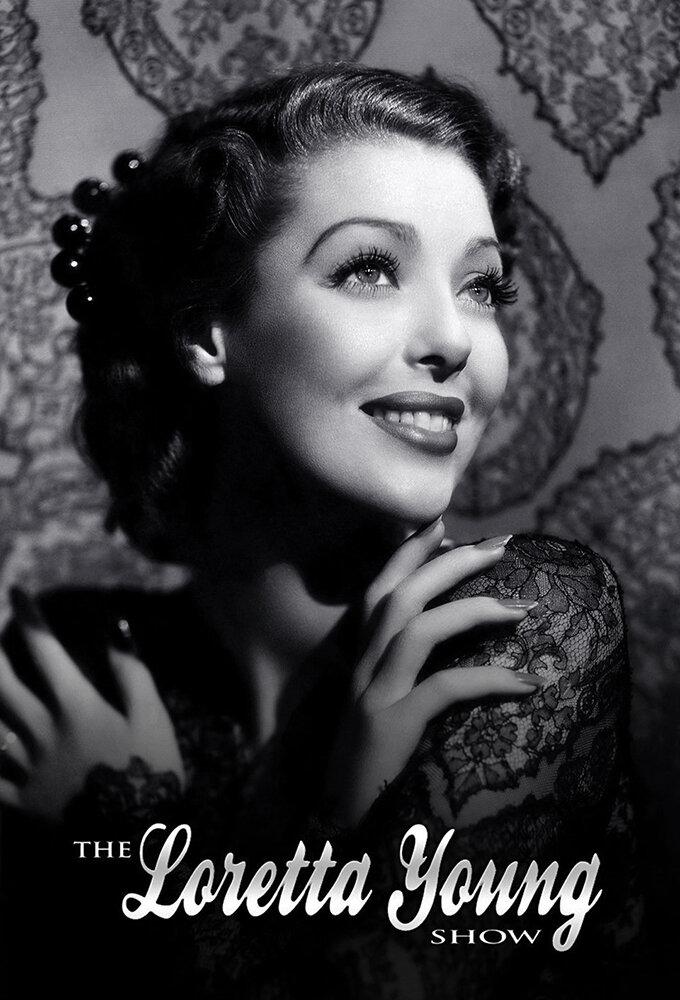
The Loretta Young Show1953
A dramatic anthology hosted by Loretta Young, mixing light dramas and comedies across seven seasons. If you want the same era and format but something warmer and less austere, this is it.
But Many episodes are frothy and slight. The host's framing feels dated, and the sentiment can tip into saccharine.
In Cold Blood1967
Both treat true crime as literature, not spectacle. Both argue that understanding *why* matters more than the crime itself.
Richard Brooks's film adaptation of Truman Capote's true-crime novel, shot in black-and-white with documentary precision. It's a spiritual heir to Armstrong Circle Theatre's method—real crime, real locations, real moral weight—but expanded to feature length and artistic maturity.
But It's bleak and methodical to the point of numbness. The killers' psychology is explored with such clinical detachment that some find it punishing rather than illuminating.
The Ascent1977
Both centre ordinary people in extraordinary moral crises, treated with absolute seriousness and no melodrama. Both believe that character under pressure is the story.
A Soviet film by Andrei Konchalovsky about two partisans hunted through a forest during WWII. It has the documentary authenticity and moral seriousness of Armstrong Circle Theatre's best episodes, but it's surreal and spiritually complex—not at all what you'd expect from a 1950s anthology setup.
But It's slow, allegorical, and demands active interpretation. If you want plot-driven narrative, this will feel like watching mud dry. The black-and-white cinematography is intentionally harsh.

People
Cast
- Nelson CaseHost
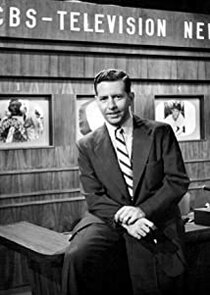 Douglas EdwardsHost
- Joe RipleyHost
 Sandy BeckerHost
- Bob SherryHost
- Henry HamiltonHost
- Ron CochranHost