Television series
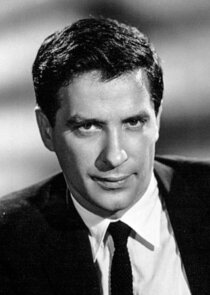
Johnny Staccato
- Film noir
- Detective mystery
- Dip in and out
A jazz pianist moonlighting as a private detective in late-1950s New York, anchored by John Cassavetes' restless charisma. Half-hour episodes blend bebop atmosphere with noir mystery, catching the city at a particular moment—cool, skeptical, alive. For anyone who wants crime drama that feels like cool jazz instead of a police procedural.
Should you watch it?
Watch it if you like cool, smoky noir where the jazz club matters as much as the case, and you enjoy Cassavetes playing a detective who hears a city the way he hears a tune.
Skip it if you want a fast, plot-driven mystery with tight serial continuity, since a half-hour single season of 27 episodes leans on mood and self-contained cases rather than a long arc.
What it asks of you: Half-hour episodes that move at a loose, unhurried pace, with long stretches of atmosphere and little urgency between cases; you settle in rather than lean forward.
Not sure? Find tonight's pick in a minute.
If you liked this
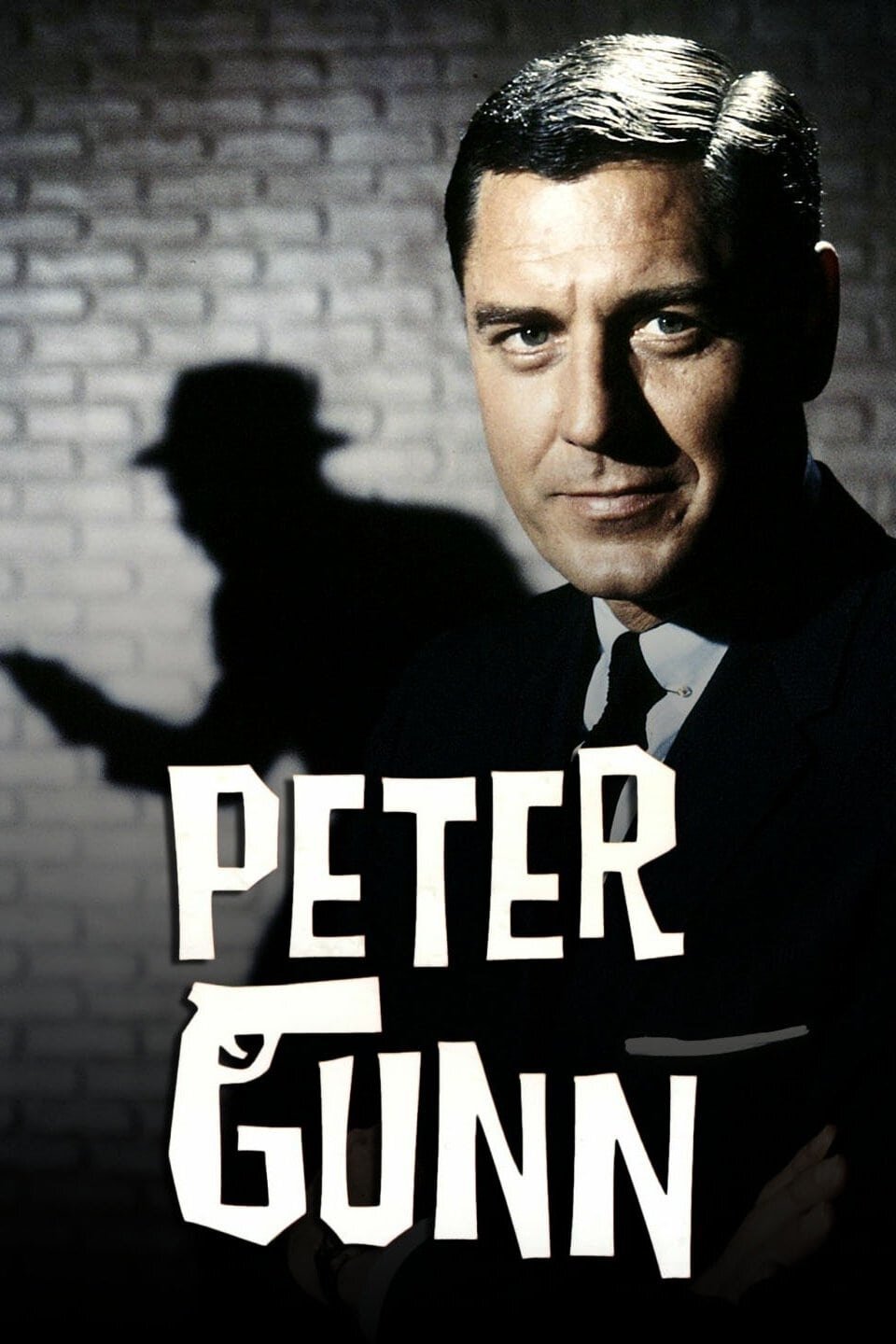
Peter Gunn1958
Henry Mancini's jazz-inflected score is as much the protagonist as the detective himself. Each case unfolds against a soundscape that defines the era—cool, urban, impossibly stylish.
But The cases themselves are formula and forgettable. You're watching for the mood, and if procedural mechanics matter more to you than atmosphere, you'll be frustrated.
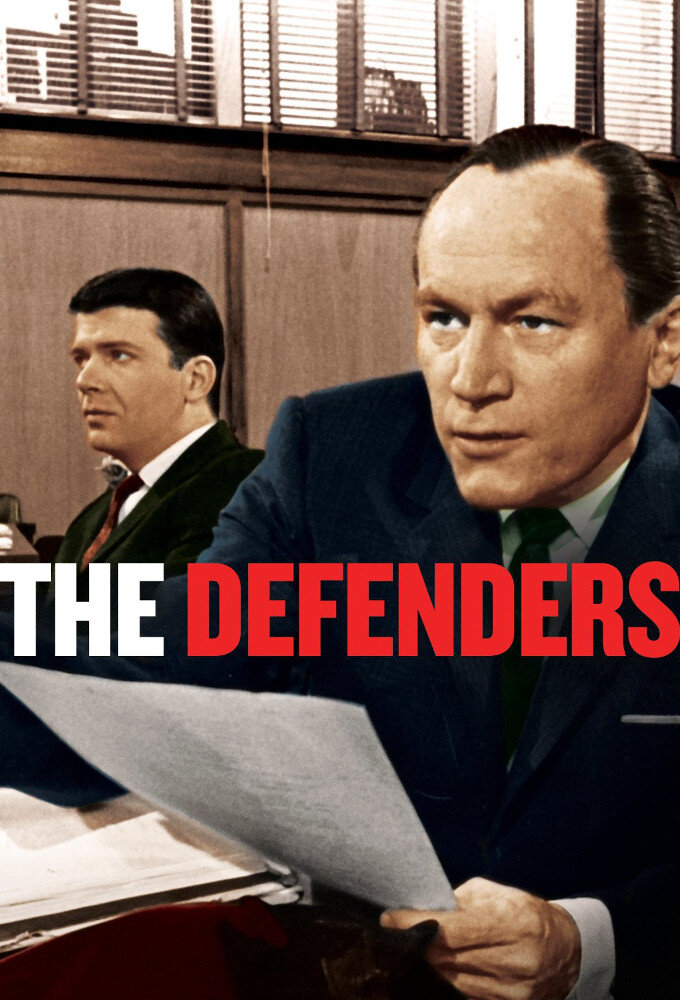
The Defenders1961
Lawyer drama with real teeth: the Brock family tackles cases that matter, played by wonderful actors who treat the material like it counts. Character depth over flash.
But It's earnest in a way that can feel heavy-handed. Some episodes date badly, and the social commentary occasionally tips into sermon.
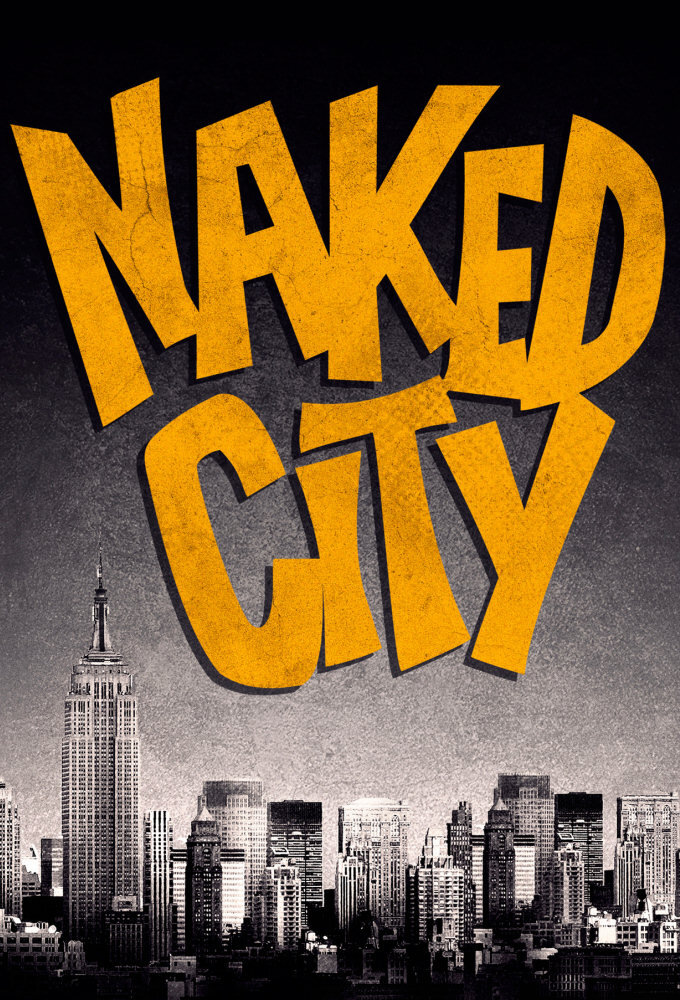
Naked City1958
New York itself is the character. Episodes sprawl across the city's neighborhoods, catching real texture and real people in small dramas. The opening narration alone is unforgettable.
But It's uneven. Some stories land, others meander. The realism can tip into melodrama without warning.
Not sure tonight? Get a pick in a minute, starting from Johnny Staccato
The wildcard
Something you would not have found on your own.
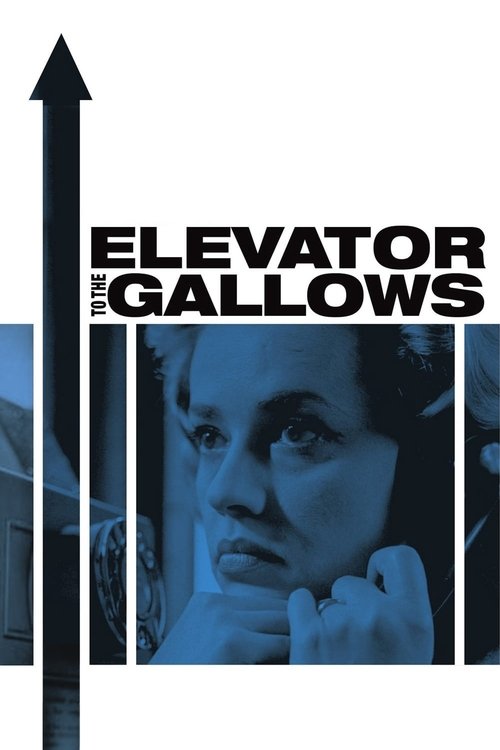
Elevator to the Gallows1958
Both use jazz not as decoration but as the actual nervous system of the story. In Johnny Staccato, the piano playing *is* who the character is. Here, the score is the character's interior life made audible.
Miles Davis plays the score live while you watch a heist film unfold in real time. The music and image are inseparable—not a soundtrack playing over the movie, but the movie *as* the music. Hypnotic and strange.
But The plot is secondary to the mood, and if you need story momentum or clear character arcs, you'll find it frustratingly abstract. The print quality varies wildly.
More like this (7)
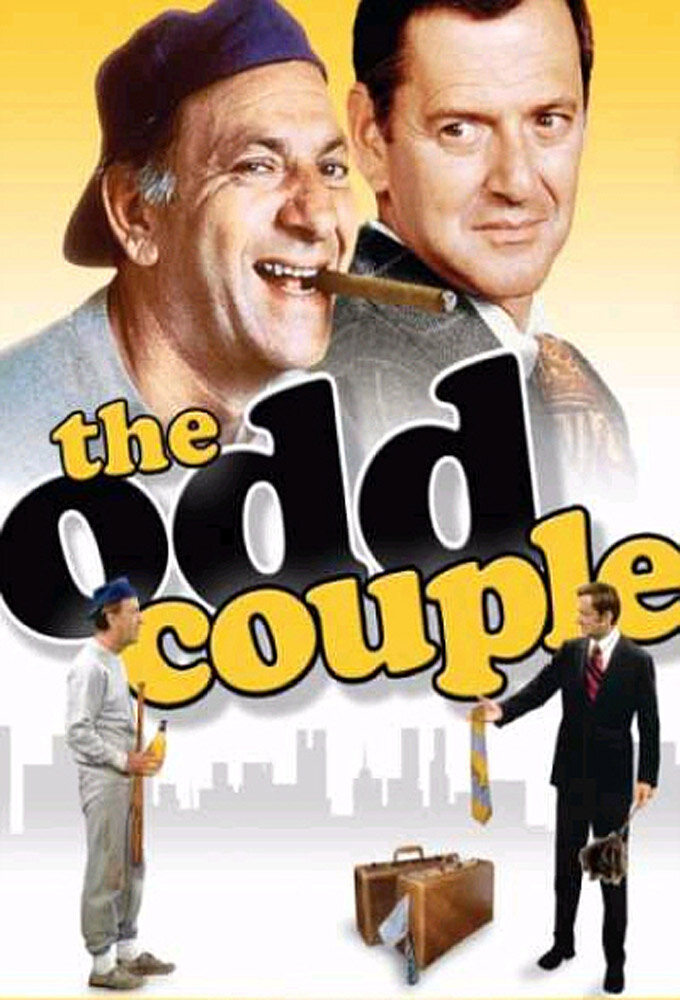
The Odd Couple1970
Cassavetes's ex-wife Barbara Streisand connection aside, this is pure character chemistry—two men bound by circumstance, finding unexpected humanity. Tony Randall and Jack Klugman are masterful.
But It's a sitcom first, which means it prioritizes laughs over the dramatic potential that simmers underneath. The formula wins every time.
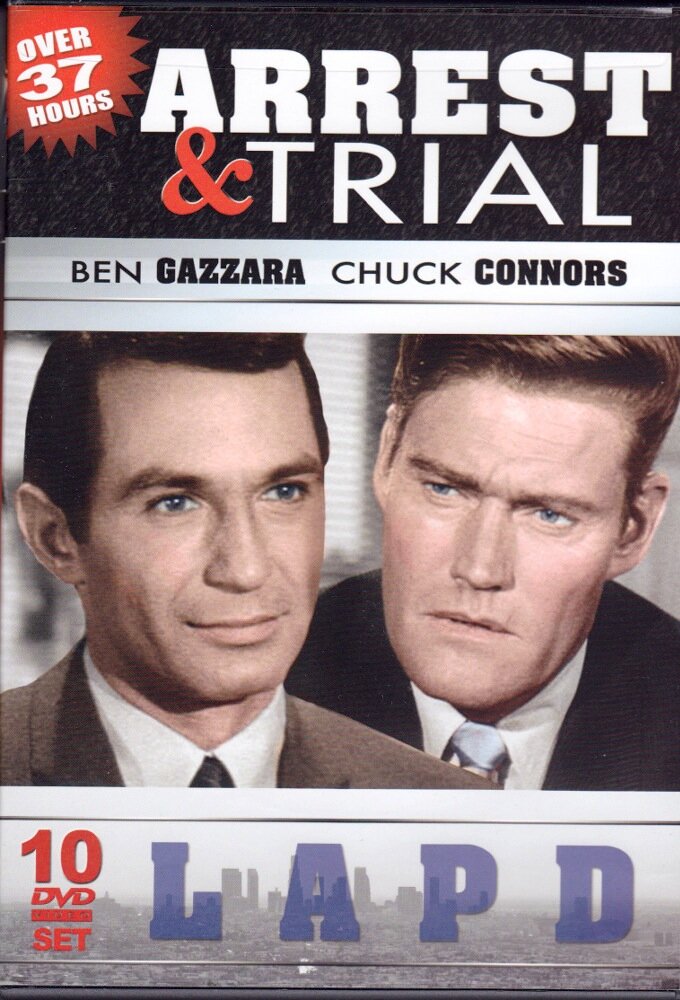
Arrest and Trial1963
Hour-long crime drama that actually cares about procedure and character. Ben Gazzara is magnetic, and the scripts avoid easy answers about guilt and responsibility.
But It's talky and deliberate. If you want action and momentum, you'll find it slow. Some episodes vanish into legal detail.
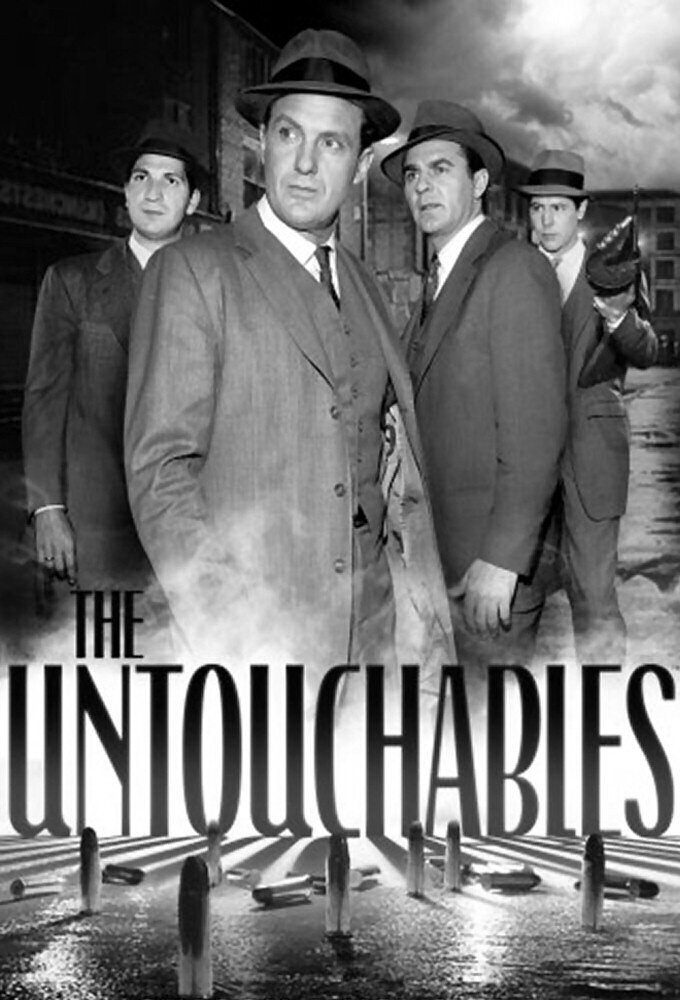
The Untouchables1959
Robert Stack as Eliot Ness, Prohibition Chicago, and a sense of moral clarity under pressure. It's stylish, tense, and knows how to build a scene.
But The villains are cartoonish, and the writing doesn't trouble itself with nuance. It's good vs. evil with little room for gray.
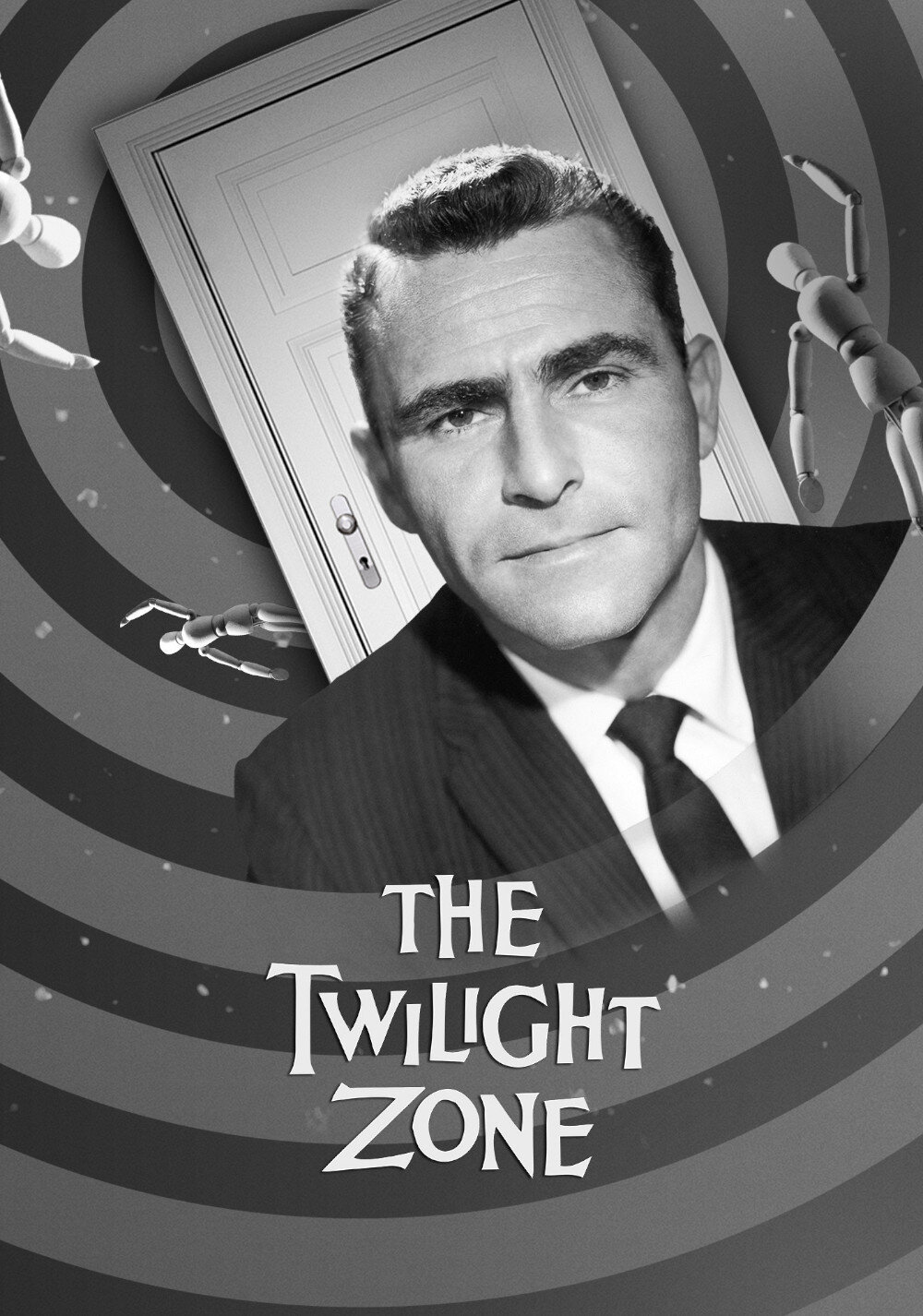
The Twilight Zone1959
Same era, same willingness to be strange. Each half-hour tells a complete story with genuine imagination. Rod Serling's scripts reward attention.
But It's anthology television, so nothing carries over. If you crave character development or ongoing story, you'll find it episodic and distant.
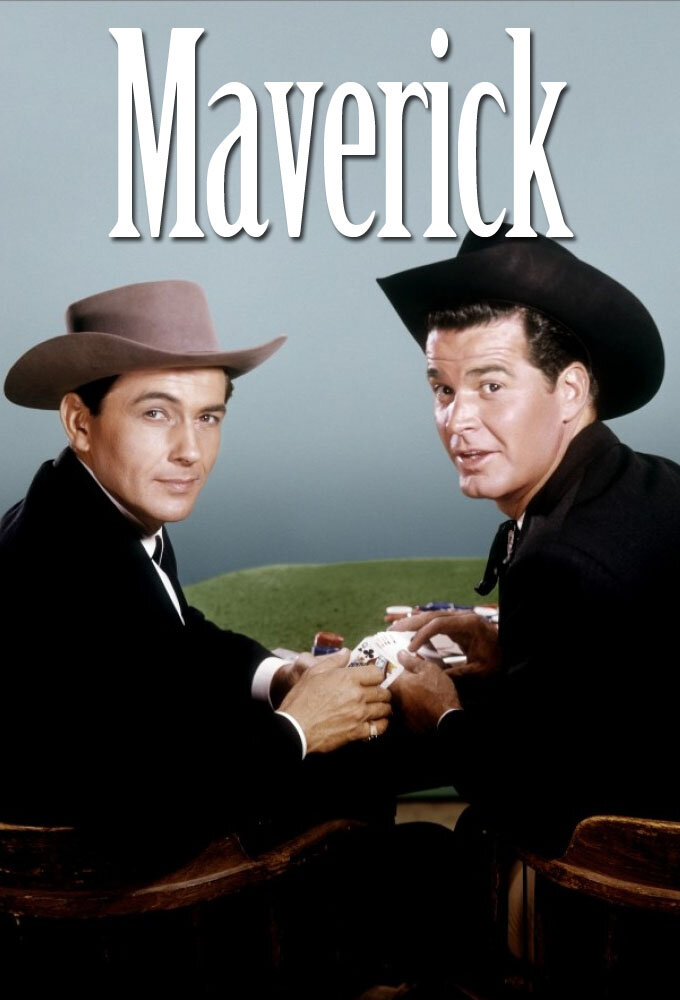
Maverick1957
James Garner as a con man gambler in the Old West—clever, self-aware, and genuinely funny. It doesn't take itself seriously, but it's never sloppy.
But It's a Western, and if that genre leaves you cold, nothing here will convert you. The humor can feel dated, and some episodes are just silly.
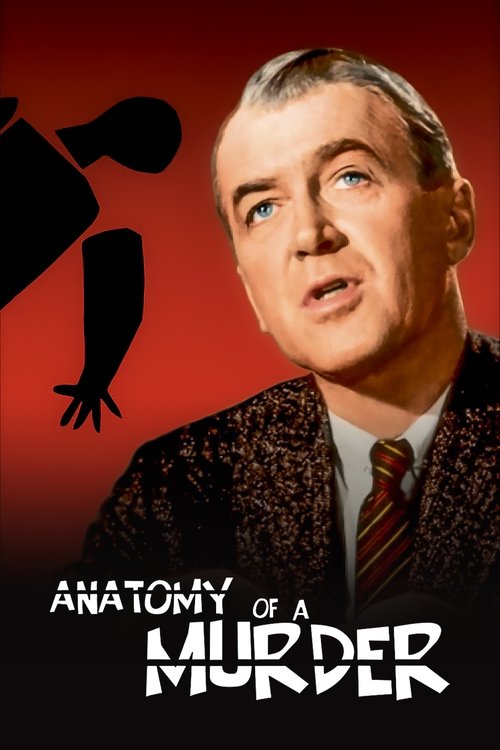
Anatomy of a Murder1959
Both trust the audience to sit with ambiguity. Johnny Staccato solves cases in thirty minutes; this takes three hours to suggest that solutions might not exist. Same city, opposite philosophical conclusion.
Otto Preminger's courtroom drama is set in the same year and world, but it's three hours of moral complexity that noir wasn't equipped to handle. Jimmy Stewart as a small-town lawyer, utterly humane, asking hard questions.
But It's a lawyer movie, which means it's talk and procedure. The sexual politics are dated in ways both progressive and uncomfortable. Some viewers find it glacially slow.
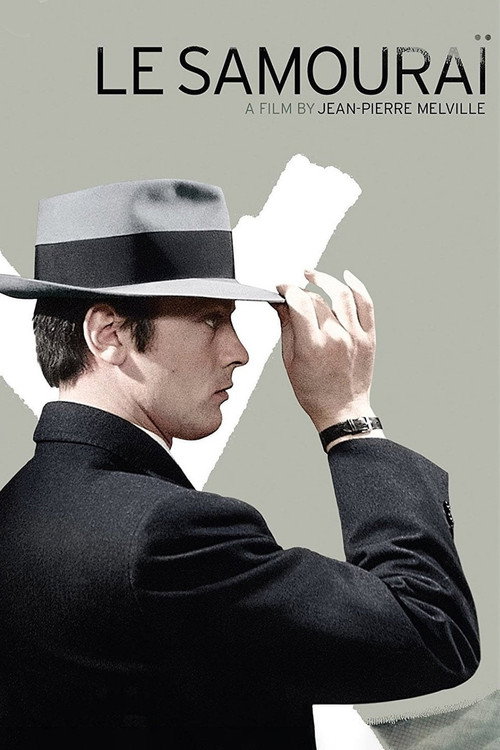
Le Samouraï1967
The inverse relationship with its own genre. Johnny Staccato is a 1950s detective show that remembers it's about a jazz musician. Le Samouraï is a crime film that forgets it's about crime. Both argue that style and how you move through the world matter more than what you do in it.
Alain Delon as a hitman in Paris, barely speaking, defined by gesture and silence. It's a western in a suit. Minimal plot, maximum style. The jazz score (by Frankie Sakai) echoes through a world of pure form.
But It's glacial and austere. If you need dialogue, plot momentum, or emotional warmth, this will feel like punishment. Some find it pretentious; they're not wrong.