
Television series
Prohibition
Ken Burns' three-part epic traces how a nation of drinkers voted itself dry, then spent thirteen years watching that decision curdle into speakeasies, bootleg empires and organized crime on an industrial scale. It's patient, elegiac, archive-heavy PBS storytelling — long on consequence, short on cheap irony — for anyone who wants to understand how good intentions built a criminal underworld.
If you liked this
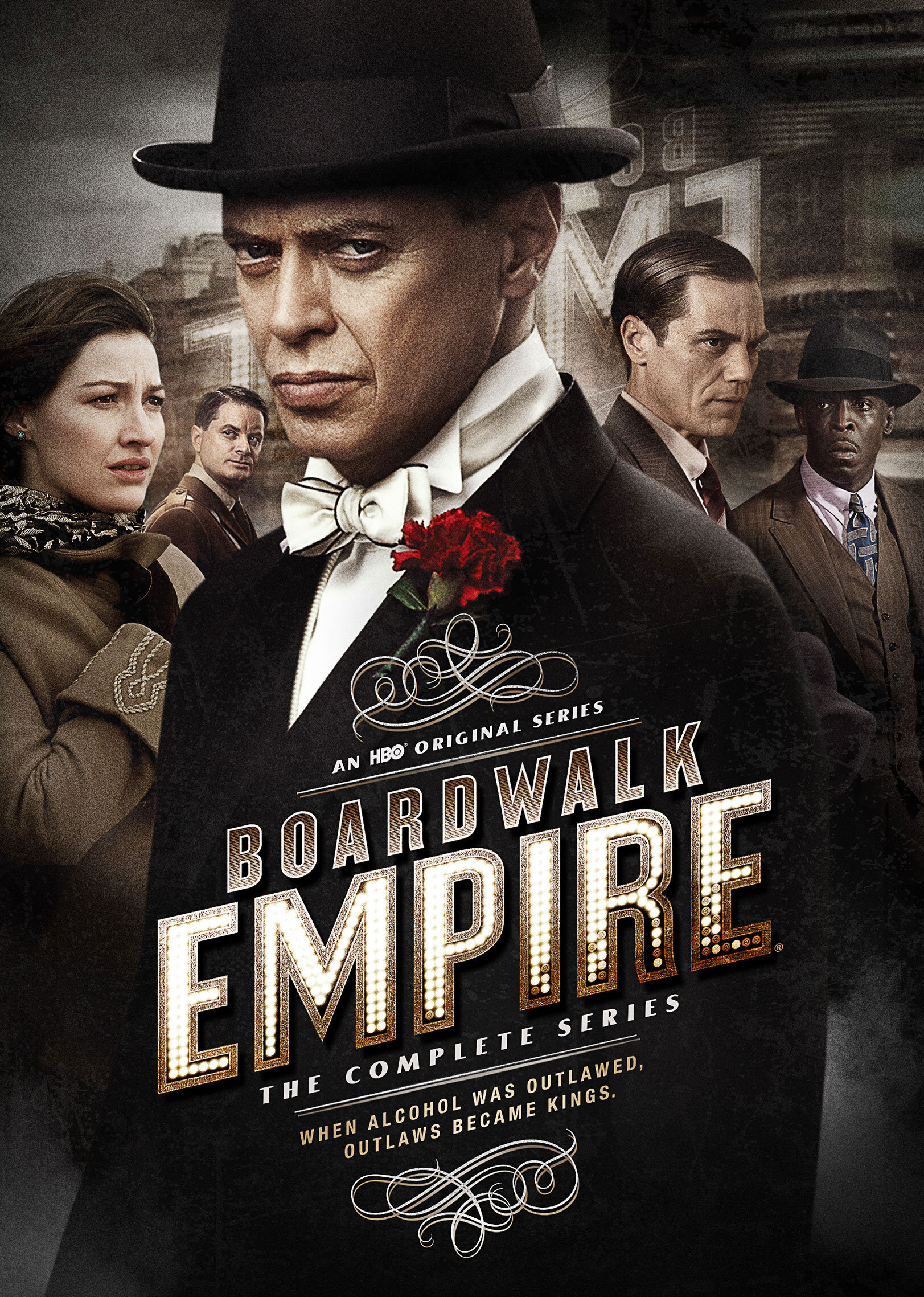
Boardwalk Empire2010
The definitive fictional companion piece — Nucky Thompson's Atlantic City runs on the exact machinery Burns documents: corrupted politicians, bootleg fortunes, and a public that wanted its liquor no matter the law.
But Five seasons is a lot of commitment, and the violence is considerably more graphic than anything in the documentary.
Lawless2012no page yet
Moonshine-running Virginia brothers face down a corrupt federal agent in a film that shows Prohibition's rural, backwoods side rather than the usual Chicago gloss — grubby, brutal, and true to a part of the era Burns covers in depth.
But The violence is sudden and grim, and the pacing is deliberately unhurried.
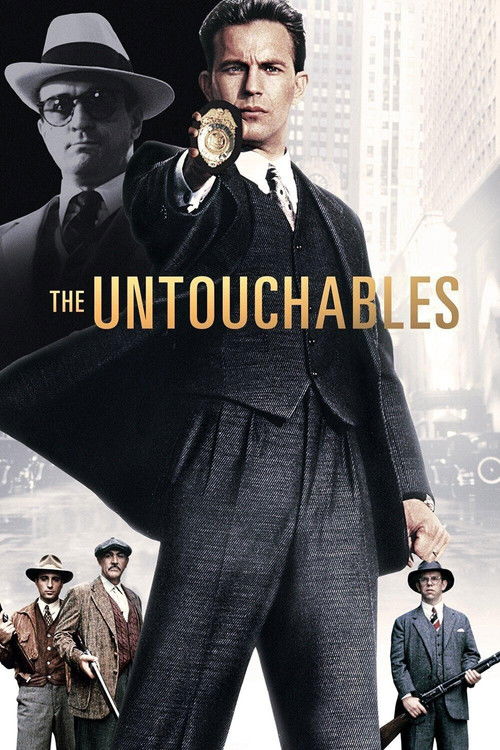
The Untouchables1987
Brian De Palma's stylish, operatic take on Eliot Ness versus Al Capone gives you the mythic version of everything the documentary treats as messy, compromised history — same story, cranked to maximum cinema.
But It's romanticized law-and-order myth-making, not history; the real Ness was far less heroic.
The wildcard
Something you would not have found on your own.
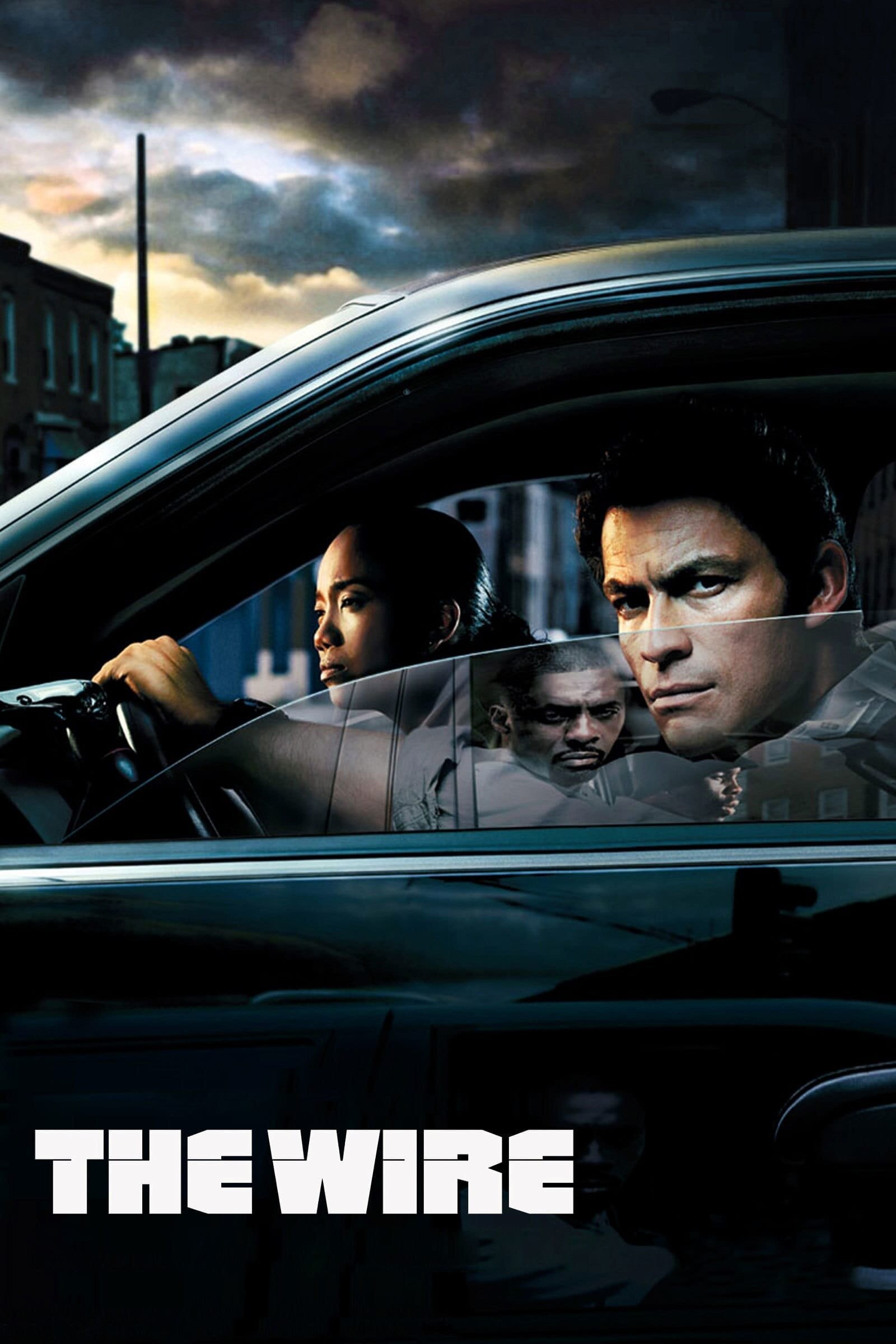
The Wire2002
Prohibition is explicitly the founding case study for the drug war's failures, and The Wire is the most rigorous fictional dramatization of that exact same policy logic collapsing in real time, decades later and in a different substance entirely.
Set in modern Baltimore, this is the drug war as Prohibition's direct descendant — the same argument, replayed: criminalize a popular appetite and you don't eliminate it, you hand it to violent men and corrupt the institutions meant to stop them.
But It's fiction, contemporary, and enormous in scope — five dense seasons with no narration to guide you.
More like this (7)
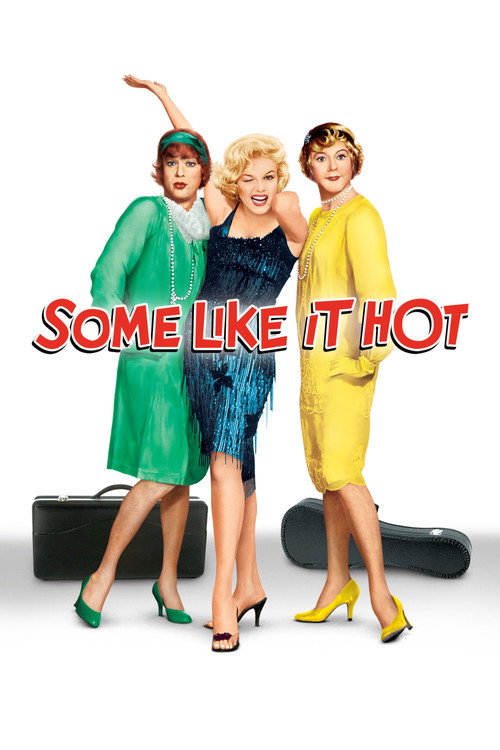
Some Like It Hot1959
A gangster comedy set squarely in the Prohibition underworld, proving the era was funny as well as tragic — musicians on the run from bootleggers, disguised as women in an all-female band, is still one of the great farces.
But If you're in it for the history, the jokes will feel like a detour, not a deepening.
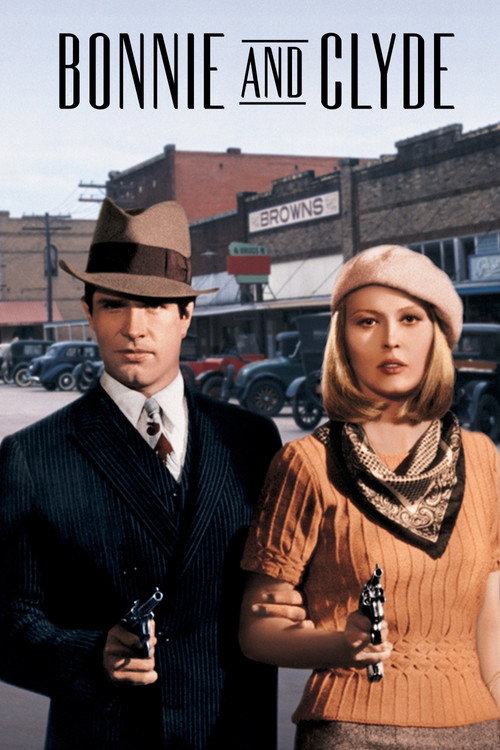
Bonnie and Clyde1967
Set just after repeal, in the Depression that Prohibition helped curdle into, it captures the same outlaw-as-celebrity phenomenon the documentary traces back to Capone — glamorous criminals, a starving public rooting for them.
But The stylized violence and 1960s New Hollywood swagger feel a world away from Burns' sober archival tone.
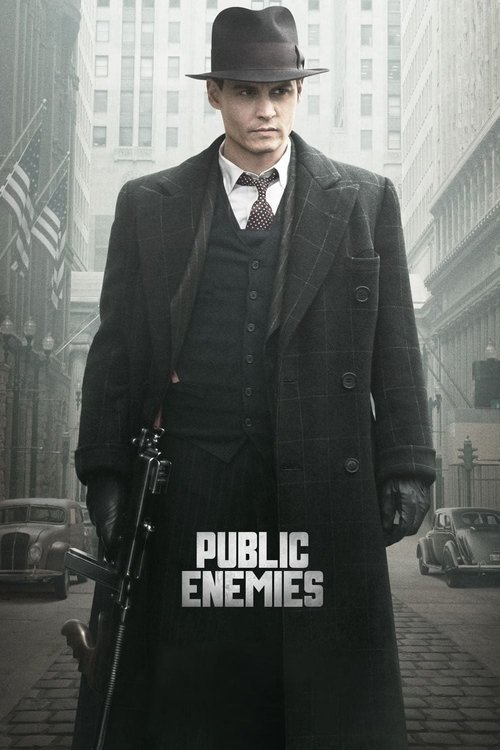
Public Enemies2009
Michael Mann's Dillinger picture picks up the gangster thread right where Prohibition's bootleggers left off, showing how the criminal infrastructure built during the dry years didn't simply vanish with repeal.
But Mann's digital cinematography is divisive, and the film prioritizes mood over narrative momentum.
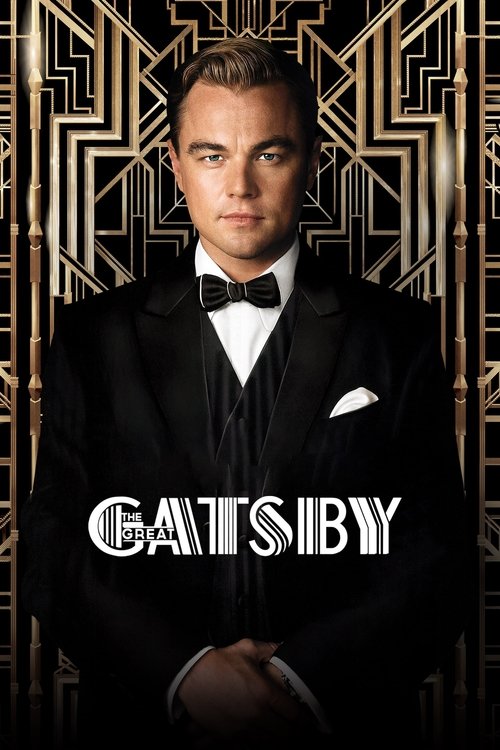
The Great Gatsby2013
All that Jazz Age excess — the parties, the bootleg money, the moral rot underneath the glamour — is exactly the world Prohibition helped create, told from the perspective of the people enjoying it rather than fighting it.
But Baz Luhrmann's maximalist style is a long way from documentary restraint, and some find it exhausting rather than dazzling.
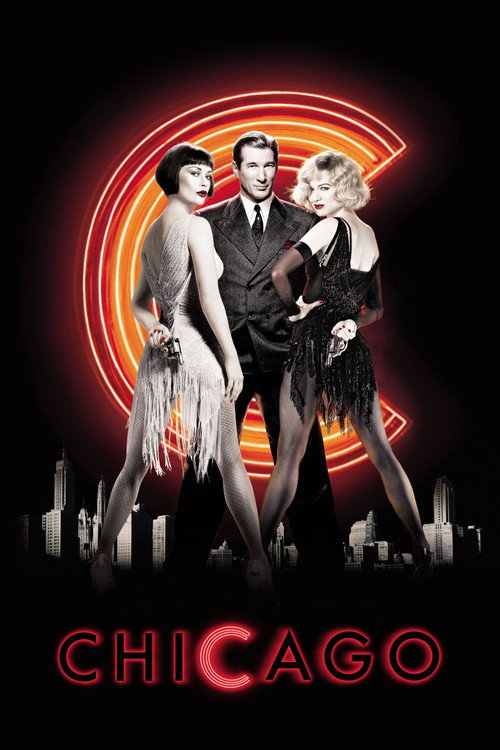
Chicago2002
A jazz-hands musical about murder, celebrity, and a corrupt justice system might sound like the opposite of a documentary, but it's savagely accurate about how Prohibition-era Chicago turned crime into entertainment.
But If musicals aren't your thing, the singing and dancing will be a real barrier, however sharp the satire underneath.
Jazz2001no page yet
Same director, same patient archival method, adjacent era — Burns' ten-part history of jazz overlaps directly with Prohibition's speakeasy culture and shows you the music that filled those illegal rooms.
But It's a huge commitment even by Burns standards, and the focus is squarely on music history, not politics or crime.
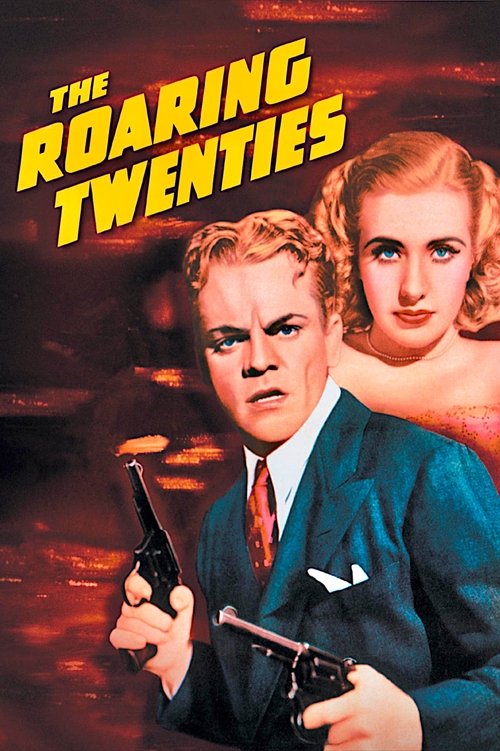
The Roaring Twenties1939
Where Burns has seventy years of hindsight, this film has almost none — it's the era mythologizing itself while the wounds were still fresh, a fascinating contrast in how quickly history becomes legend.
A James Cagney gangster picture made only six years after repeal, by people who'd lived through the whole thing — it shows the era already hardening into myth in real time, bootlegger as tragic antihero.
But It's dated 1930s melodrama with stagey dialogue and moralizing narration that modern viewers may find stiff.
People
Cast










Production
- Ken BurnsProducer
Recommended by
Boardwalk Empire, The Untouchables, The Untouchables, The Roaring Twenties