
Film
Public Enemies
Michael Mann shoots the last year of John Dillinger's life like a live wire — all digital grain, precise gunfights, and a cool, almost bored fatalism where the getaway feels more important than the getaway money. Depp plays Dillinger as a man performing his own legend even as it kills him. It's for people who want their crime pictures clinical and propulsive rather than sentimental, and who don't mind a story that already knows how it ends.
If you liked this
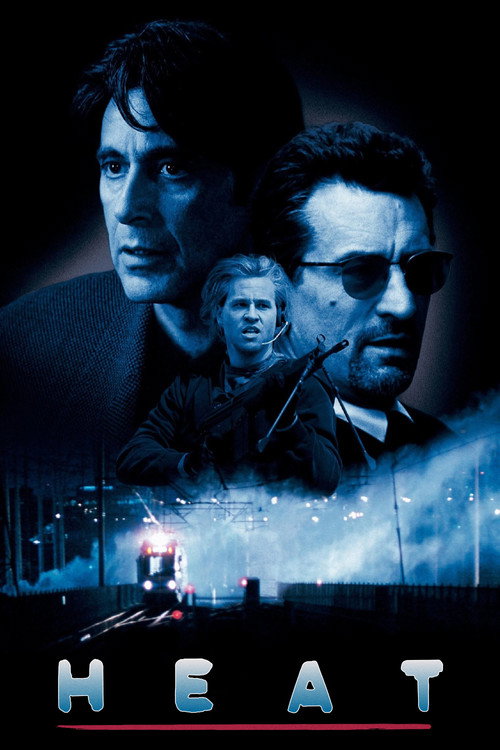
Heat1995
Mann's own blueprint for the genre: the same patient, procedural cool, the same idea that criminals and cops are mirror images running out the clock on each other.
But Three hours of men being very serious about professionalism; if that tone grated in Public Enemies, it's doubled here.
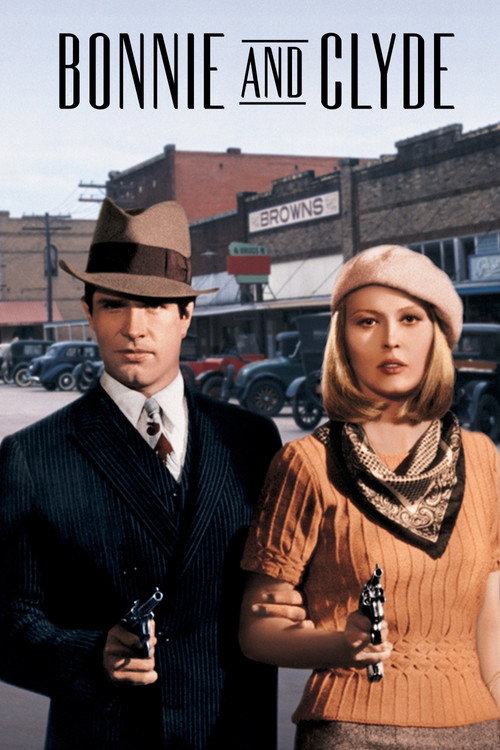
Bonnie and Clyde1967
The original Depression-era outlaws-as-folk-heroes story, and the film that made bank robbers glamorous in the first place — you can feel Mann answering it decades later.
But Sixties New Hollywood pacing and moralizing can feel dated next to Mann's sleeker machine.
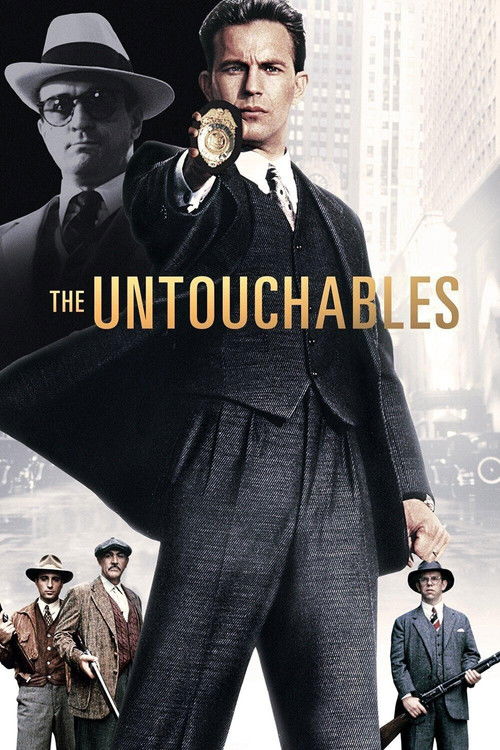
The Untouchables1987
Prohibition-era lawman versus untouchable gangster, but played as full-blooded operatic myth rather than cool restraint — same skeleton, opposite temperature.
But Broader, hammier, and far less interested in psychological ambiguity than Mann's version.
The wildcard
Something you would not have found on your own.
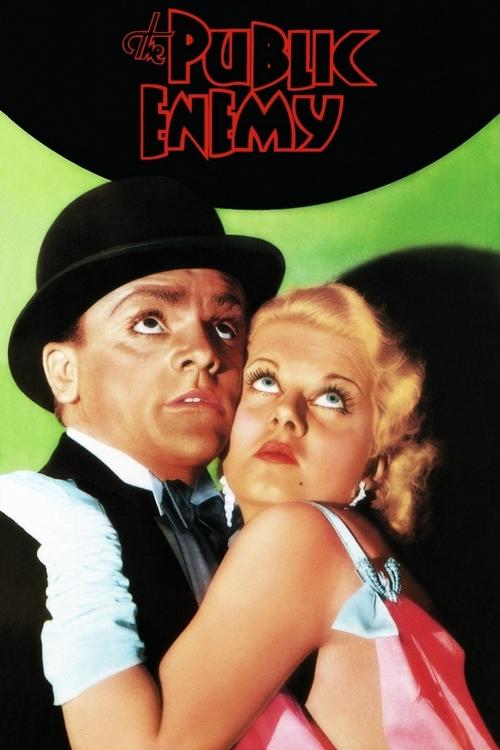
The Public Enemy1931
This is the birth certificate of the mythology Public Enemies is consciously working inside — same era, same anxious fascination with charismatic criminals turned into stars.
Cagney's breakout, made while men like Dillinger were still alive and robbing banks — the film that basically invented the gangster-as-icon language Mann is quoting eighty years later.
But Early-sound creakiness, stagey performances, and a moralizing framework bolted on to satisfy censors.
More like this (8)
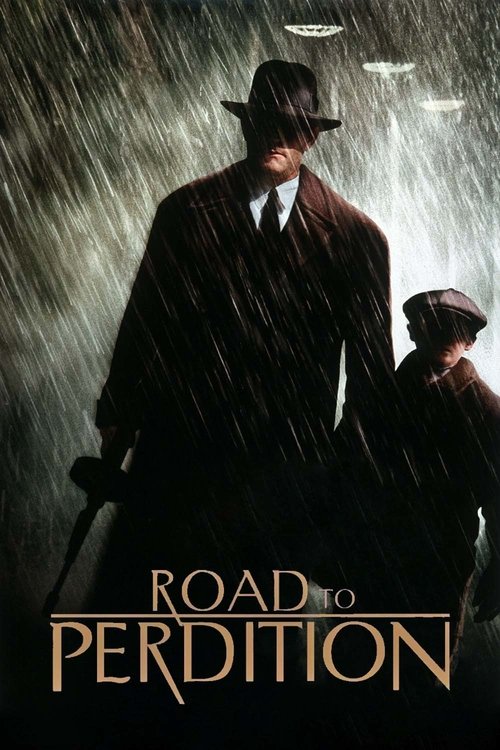
Road to Perdition2002
Another Depression-adjacent gangster tragedy shot with painterly stillness, trading Mann's kinetic energy for something slower and more elegiac.
But Deliberately mournful pacing; if you wanted more shootouts and less grief, this isn't it.
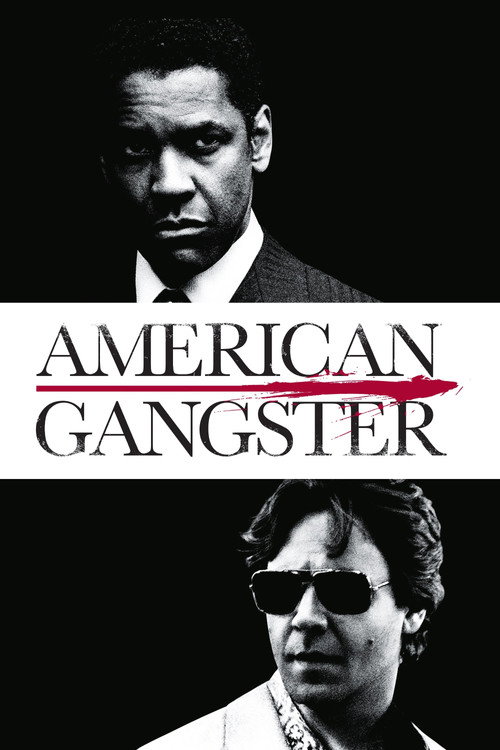
American Gangster2007
A charismatic criminal builds his own myth while a dogged fed circles closer — the same cat-and-mouse architecture transplanted to 1970s Harlem heroin.
But More morally divided sympathies and a slicker, more conventional biopic structure.
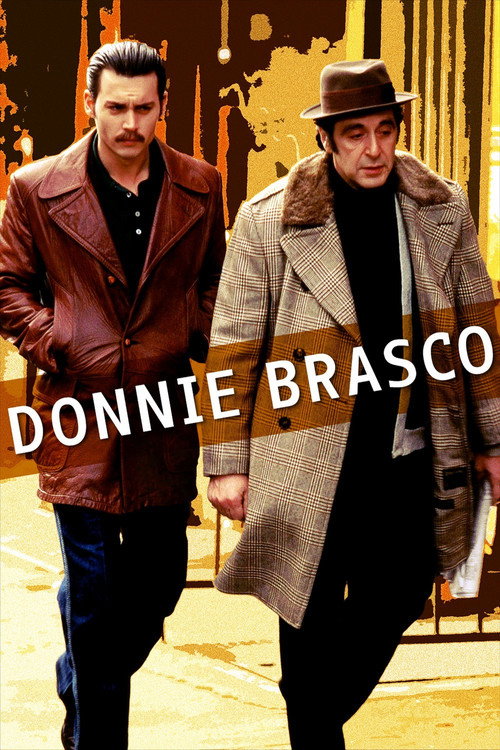
Donnie Brasco1997
Flips the perspective to the agent embedded inside the crime rather than chasing it, with a queasy intimacy about loyalty that complicates the cops-and-robbers cleanliness.
But Smaller and grubbier in scale, with none of Mann's visual grandeur or historical sweep.
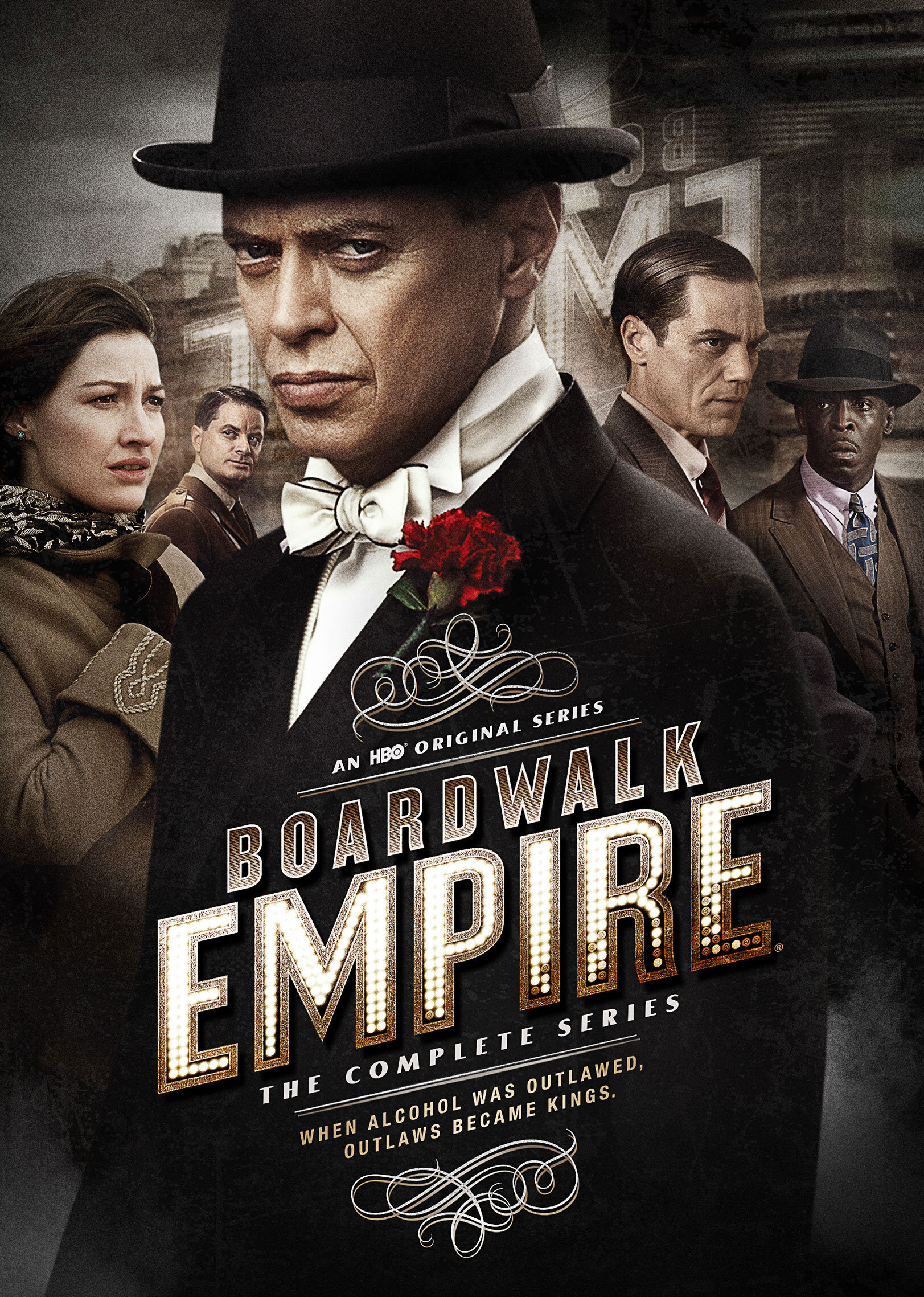
Boardwalk Empire2010
Same Prohibition world, same real-life gangsters at the edges, but stretched across sixty hours so the corruption and consequence have room to breathe.
But A serious time commitment, and its pleasures are slower-burning than a two-hour film.
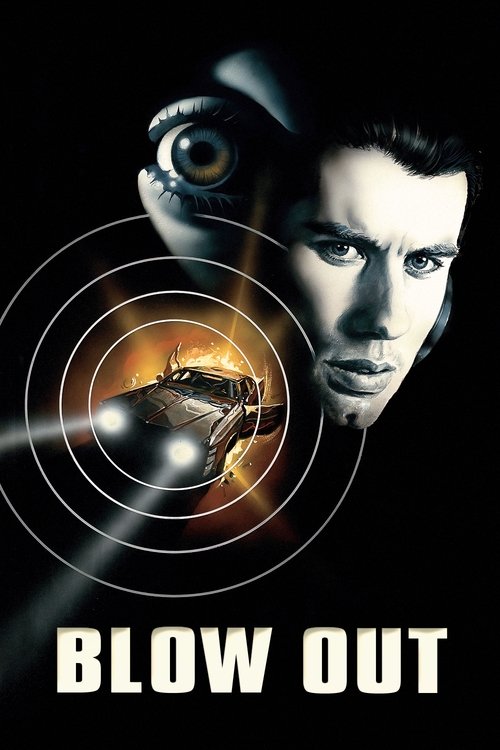
Blow Out1981
A rise-and-fall crime biography with the same fascination for how a man's legend outgrows the man, told with more sentiment and less restraint.
But Leans harder into tragic romanticism than Mann's clinical detachment ever does.
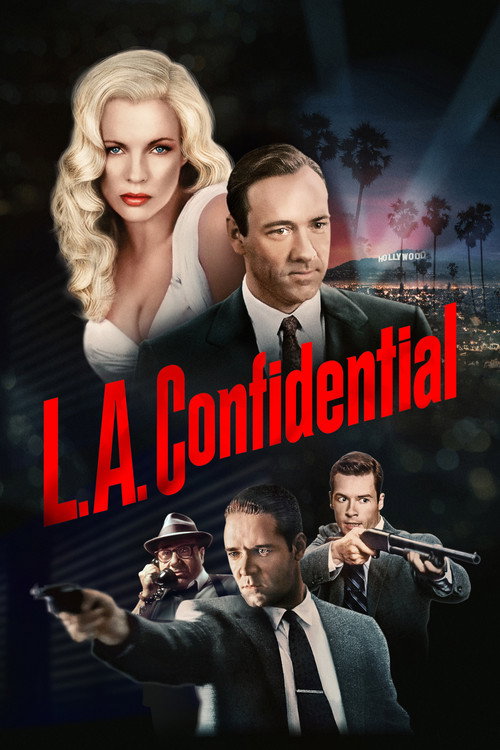
L.A. Confidential1997
Trades outlaws for corrupt cops but keeps the same interest in institutions, image-making, and men who are only as good as their myths.
But A denser, more tangled plot that asks for closer attention than Mann's straighter chase.
Dillinger1973no page yet
Same true story, same characters, same climactic ending — but shot as trashy drive-in entertainment instead of elegy, proving how much tone is a choice, not a fact.
Warren Oates plays Dillinger dirtier, meaner, and funnier in a lurid, blood-spattered B-movie that treats the same manhunt as pulp rather than tragedy.
But Cheap, exploitative, and gleefully tasteless in ways that will feel like a slap after Mann's solemnity.
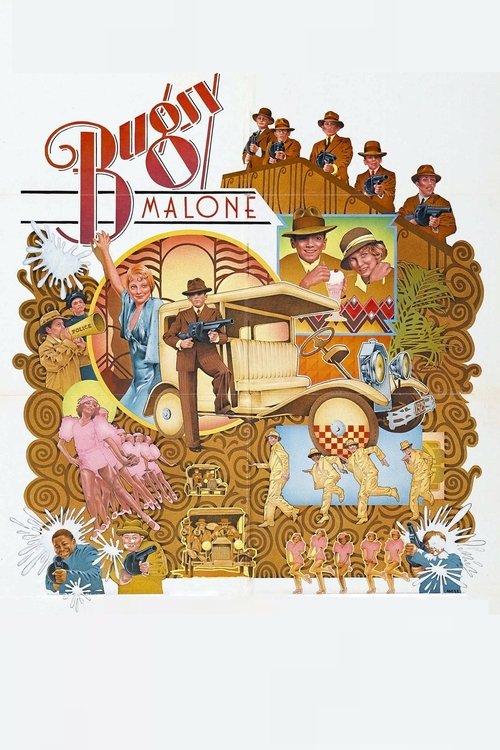
Bugsy Malone1976
The exact same tommy-gun, fedora, doomed-outlaw iconography Public Enemies takes so seriously, replayed as pure play — a reminder of how quickly this mythology became costume.
A Prohibition gangster musical cast entirely with children, splurge guns firing cream pies instead of bullets, somehow both ridiculous and weirdly loving toward the genre.
But It's a kids' musical, tonally about as far from Mann's brooding realism as a film can get.
People
Cast
 Johnny DeppJohn Dillinger
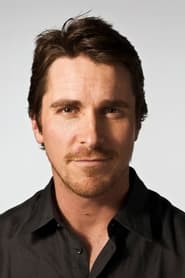 Christian BaleMelvin Purvis
 Marion CotillardBillie Frechette
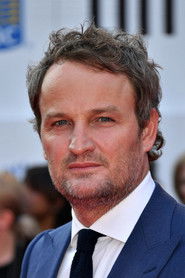 Jason Clarke'Red' Hamilton
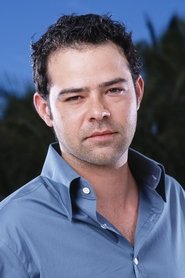 Rory CochraneAgent Carter Baum
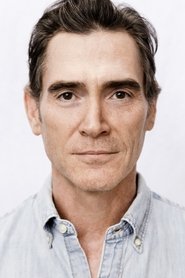 Billy CrudupJ. Edgar Hoover
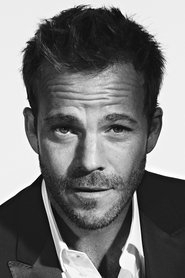 Stephen DorffHomer Van Meter
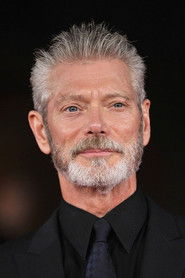 Stephen LangCharles Winstead
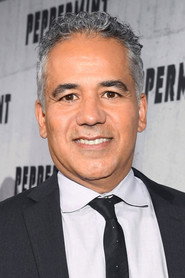 John OrtizPhil D'Andrea
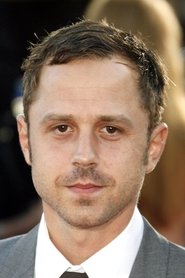 Giovanni RibisiAlvin Karpis
 David WenhamHarry 'Pete' Pierpont
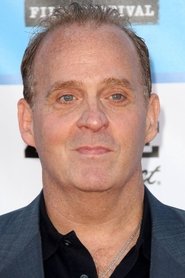 John Michael BolgerMartin Zarkovich
Directing
- Michael MannDirector
- Bob WagnerFirst Assistant Director
- Mark BlechaScript Coordinator
- Alicia AccardoScript Supervisor
- Allen KupetskySecond Assistant Director
- David KelleySecond Assistant Director
- Kwame AmoakuSecond Assistant Director
- Traci M. LewisSecond Assistant Director
- Eric Richard LaskoSecond Second Assistant Director
- Bryan H. CarrollSecond Unit Director
- Michael WaxmanSecond Unit Director
- Michael WaxmanSecond Unit First Assistant Director
Writing
- Bryan BurroughNovel
- Ann BidermanScreenplay
- Michael MannScreenplay
- Ronan BennettScreenplay
Production
- Maria NormanAssociate Producer
- Avy KaufmanCasting
- Bonnie TimmermannCasting
- Conor DooleyCasting Associate
- Leeba ZakharovCasting Associate
- Lois J. DrabkinCasting Associate
- G. Mac BrownExecutive Producer
- Kevin MisherProducer
- Michael MannProducer
- PJ FishwickProduction Secretary
- Brandon WalstonResearcher
- Rebekah BurgessResearcher
Recommended by
Heat, Donnie Brasco, The Town, Boardwalk Empire, Miller's Crossing, Bonnie and Clyde, The Untouchables, Road to Perdition, American Gangster, The Untouchables, Prohibition, Black Mass