
Film
Dillinger
A 1973 crime thriller about John Dillinger's rise and fall, told with gritty 70s realism and a fascination with cat-and-mouse procedure. Warren Oates embodies the outlaw as pragmatist rather than romantic rebel, while the film tracks both sides of the chase with equal interest. It's for viewers who love the texture of a specific era and don't need their criminals mythologized.
Should you watch it?
Watch it if you like crime stories built on a charismatic outlaw's swagger and the cat-and-mouse grind of the manhunt, with a low-key, sun-bleached 1970s grit.
Skip it if you want the Depression-era romance of gangster myth polished up; this one is scruffy, talky in stretches, and happy to let its restless pace sag between jobs.
What it asks of you: A lean run of about 107 minutes, unhurried between jobs and blunt when violence finally breaks out, so it rewards patience over excitement.
Not sure? Find tonight's pick in a minute.
If you liked this
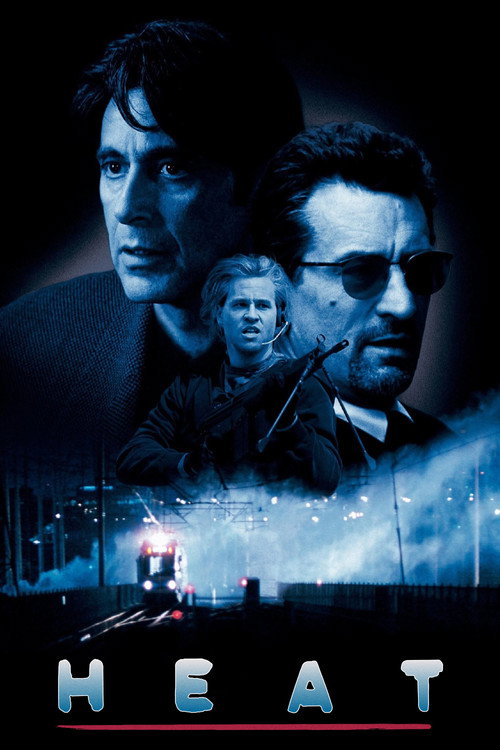
Heat1995
A masterwork of crime procedural that expands Dillinger's DNA into a three-hour symphony. Mann's obsession with the parallel lives of cop and criminal, the rituals and codes that bind them, echoes Dillinger's structure with vastly greater resources and ambition.
But Nearly three hours, and deliberately paced. If you want propulsive action rather than the architecture of pursuit, this will feel slow.
The Killing1956
Kubrick's heist classic shares Dillinger's interest in the mechanics of crime—how banks are robbed, how plans unravel, how fate intervenes. Both films treat felony as a job before a moral question.
But Shot in black-and-white on a minimal budget. The austerity that gives it power will feel dated if you're expecting Technicolor spectacle.

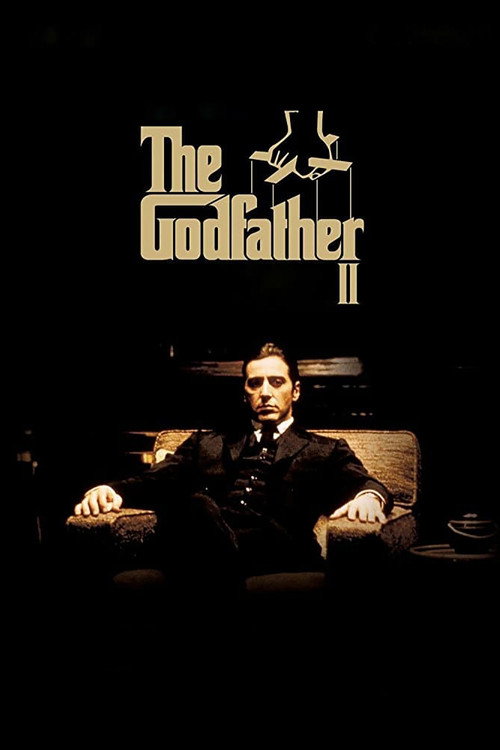
The Godfather Part II1974
Released the year after Dillinger, it juggles the same dual narrative of cop-and-criminal in parallel time periods. Coppola's ambition dwarfs Dillinger's, but the DNA is identical: symmetry as meaning.
But Four hours, and assumes you've seen the first one. The sheer scale can feel bloated if you prefer economy to grandeur.
Not sure tonight? Get a pick in a minute, starting from Dillinger
The wildcard
Something you would not have found on your own.
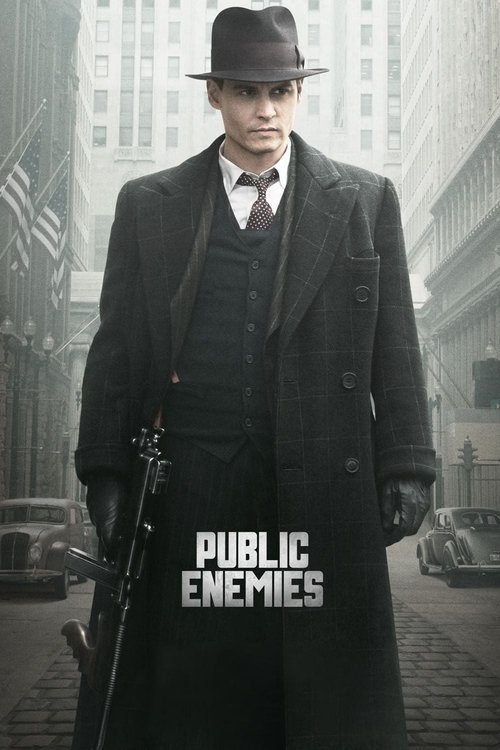
Public Enemies2009
Direct reimagining of the same historical moment, shot by a director obsessed with the cat-and-mouse symmetry between law and crime. Where the 1973 film is lean and procedural, Mann's version is baroque and romantic.
Michael Mann remade Dillinger's exact story with Johnny Depp as Dillinger and Christian Bale as the FBI agent hunting him. Mann had directed Heat; here he returns to the same symmetry but with digital cinematography and a 1930s aesthetic that feels like waking the past up.
But Mann's digital look divides viewers—some find it luminous and vital, others find it cold and artificial. It's also two hours and twenty minutes of deliberate pacing with minimal plot movement.
More like this (7)
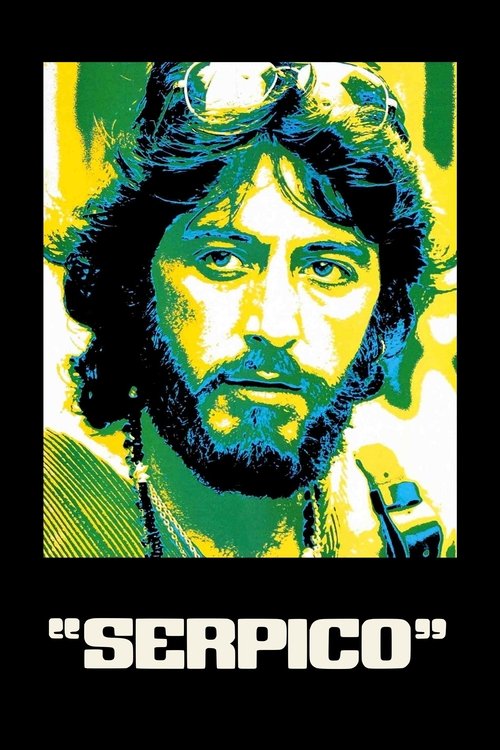
Serpico1973
Also 1973, also obsessed with procedure and institutional pressure. Pacino's straight cop and Oates' criminal outlaw are moral inverses, both crushed by systems larger than themselves. A perfect double feature partner.
But Focuses entirely on police corruption rather than crime itself. If you want the thrills of the robbery, not the psychology of the cop, you'll feel cheated.
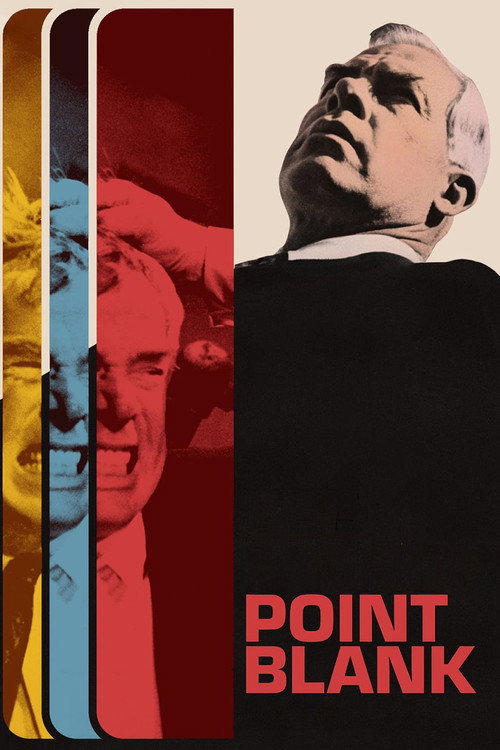
Point Blank1967
Boorman's ballistic revenge saga has the same lean physicality and visual sharpness. Lee Marvin's Walker is Dillinger's spiritual sibling—a man who operates by his own logic in a world that increasingly has none.
But The elliptical narrative and experimental editing can feel opaque on first viewing. It demands engagement rather than passive consumption.
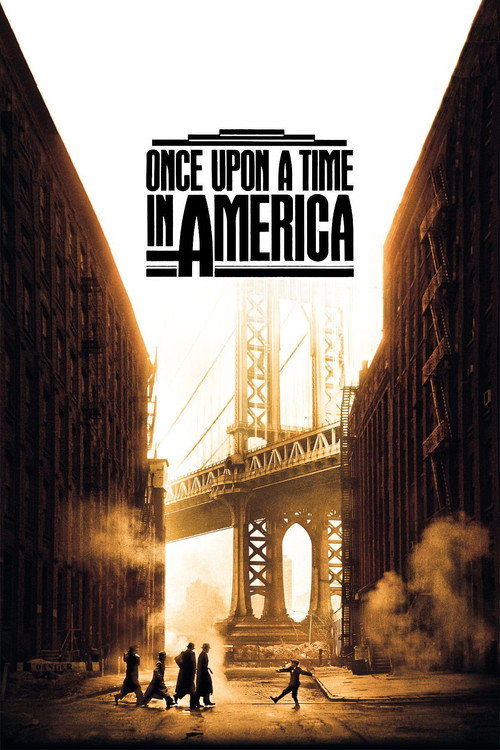
Once Upon a Time in America1984
Sergio Leone's epic meditation on crime, friendship, and American mythology spans decades with the same elegiac tone. Both films view outlaws not as heroes but as men shaped by circumstance and their own nature.
But Nearly four hours, mostly in Italian, and deliberately fragmented. Patience and investment are prerequisites, not optional.
Rififi1955
A foundational heist film that influenced everything after it, including Dillinger. Dassin's meticulous approach to procedure—the planning, the execution, the aftermath—is the template Dillinger follows with American specificity.
But French noir sensibility and a 23-minute silent heist sequence. If you want dialogue and character, you'll lose interest in the middle hour.

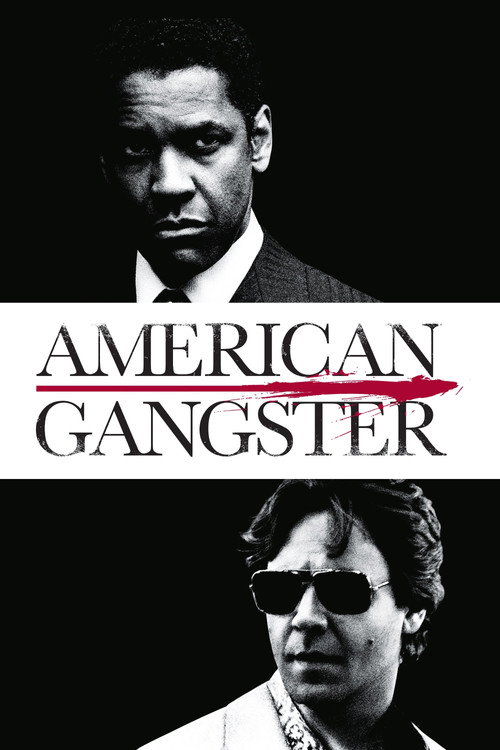
American Gangster2007
Ridley Scott updates the dual-narrative cop-and-criminal formula for a later era, but Dillinger's template is unmistakable. Both explore how institutional systems create and pursue their own monsters with fascinated clarity.
But Nearly three hours of procedure and ambition that strains against its own scope. Denzel and Crowe are great, but the film's reach exceeds its grasp more often than not.
The Asphalt Jungle1950
The spiritual ancestor of all procedural crime films. Dillinger inherits its obsession with the architecture of crime and the parallel psychology of hunter and hunted; Asphalt Jungle invented that language.
Huston's ur-text of the heist film, which codified every convention Dillinger would follow. But Asphalt Jungle approaches its criminals with almost anthropological tenderness—we understand why they move, what they need, why they can't stop.
But Black-and-white, slow-burn, entirely focused on the planning phase rather than execution. Nothing explodes. No car chases. If you need movement to stay engaged, this will feel stately.

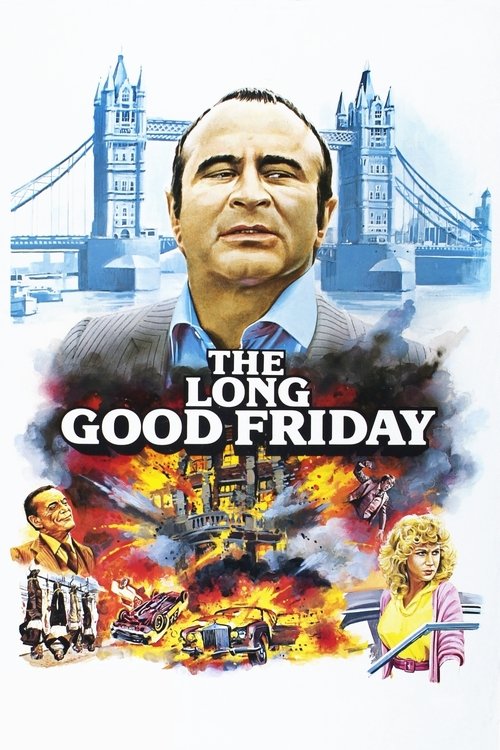
The Long Good Friday1980
Both explore how violence and reputation create a mythology a man can no longer control. Dillinger becomes Public Enemy Number One and discovers the role has devoured the man; this film shows that consumption happening in 114 minutes, with nowhere to hide.
Mackenzie's London gangster thriller compresses Dillinger's rise-and-fall arc into a single weekend. Bob Hoskins' performance—a man watching his world collapse in real time while trying to maintain control—mirrors Oates' Dillinger with an intensity that burns brighter because it burns faster.
But Brutal violence, a bleak ending, and Hoskins' monologue in the final minutes is almost unwatchable in its despair. If you need catharsis or hope, you won't find it here.
People
Cast
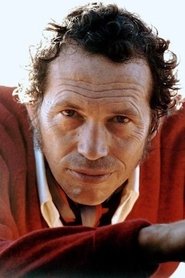 Warren OatesJohn Dillinger
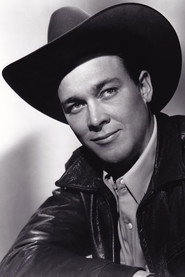 Ben JohnsonMelvin Purvis
 Michelle PhillipsBillie Frechette
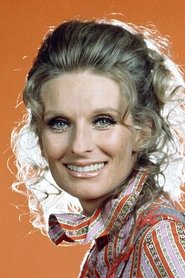 Cloris LeachmanAnna Sage
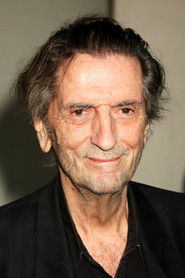 Harry Dean StantonHomer Van Meter
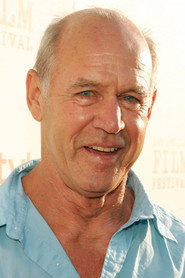 Geoffrey LewisHarry Pierpont
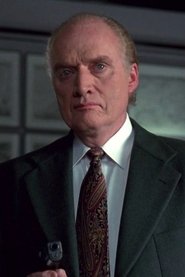 John P. RyanCharles Mackley
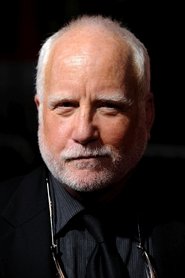 Richard DreyfussBaby Face Nelson
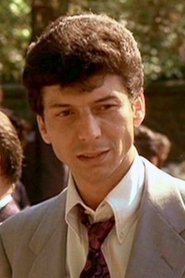 John MartinoEddie Martin
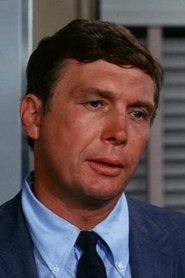 Roy JensonSamuel Cowley
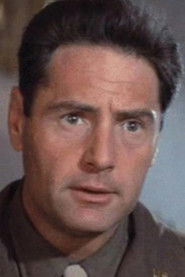 Read MorganBig Jim Wollard
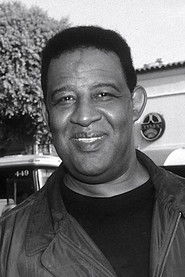 Frank McRaeReed Youngblood
Directing
- Donald C. KluneAssistant Director
- John MiliusDirector
- Bonnie PrendergastScript Supervisor
Writing
- John MiliusWriter
Production
- Robert PapazianAssociate Producer
- Fred RoosCasting
- Mike FentonCasting
- Lawrence GordonExecutive Producer
- Samuel Z. ArkoffExecutive Producer
- Buzz FeitshansProducer