
Television series
American Experience
- Dip in and out
American Experience is PBS's flagship history documentary series that treats American stories—from presidents to disasters to social movements—with cinematic ambition and genuine narrative drive. Each 70-minute episode is self-contained, so you can jump in anywhere. It's for people who love history but don't want to feel lectured at; it's beautifully shot, carefully researched, and genuinely gripping.
Should you watch it?
Watch it if you like history told as a string of self-contained portraits, where a single biography or a single event gets the full patient treatment and the archival photographs do much of the talking.
Skip it if you want a continuing story with characters you follow across episodes, since each film here stands alone and the series offers no drama to carry you from one hour to the next.
What it asks of you: Each entry runs about seventy minutes and settles in for the long haul, so you'll need to commit an evening at a steady, unhurried pace rather than dip in between other things.
Not sure? Find tonight's pick in a minute.
If you liked this
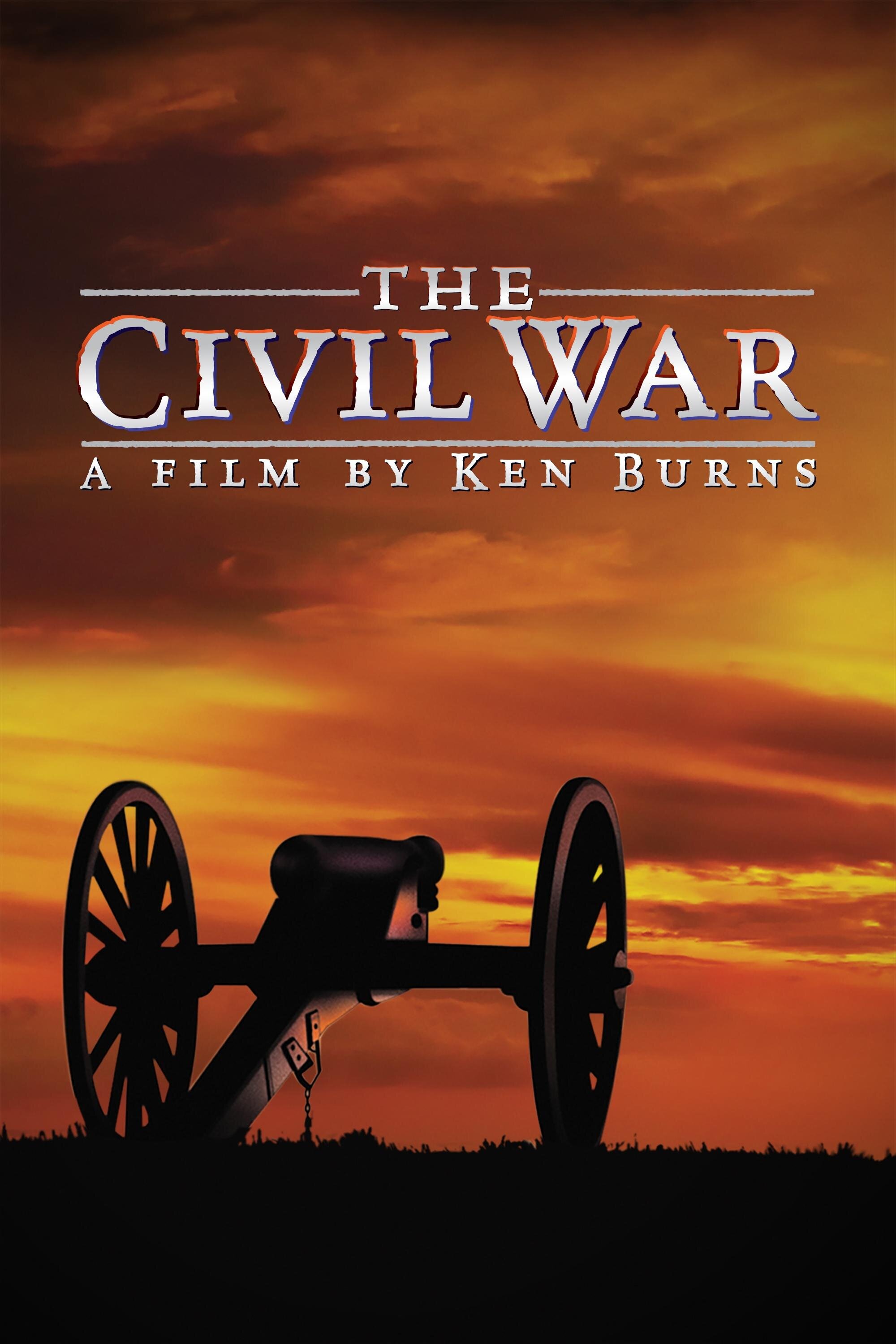
The Civil War1990
Ken Burns's five-part masterpiece uses photographs, letters, and music to make the war feel immediate and human. Essential viewing that redefined what documentary television could be.
But At nine hours total, it demands real commitment. Some find Burns's pacing meditative; others find it slow.
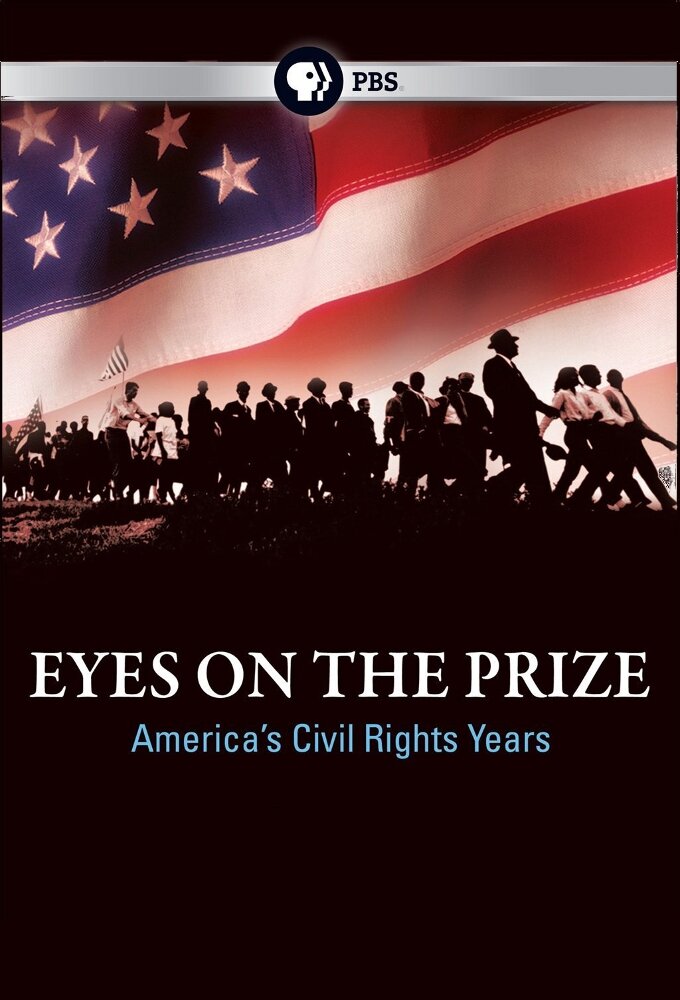
Eyes on the Prize1987
The definitive documentary series on the Civil Rights Movement, told through archival footage and firsthand testimony. Urgent, powerful, and deeply necessary to understand modern America.
But Some episodes contain disturbing racist imagery and violence. It's not comfortable viewing, though the discomfort serves the subject.
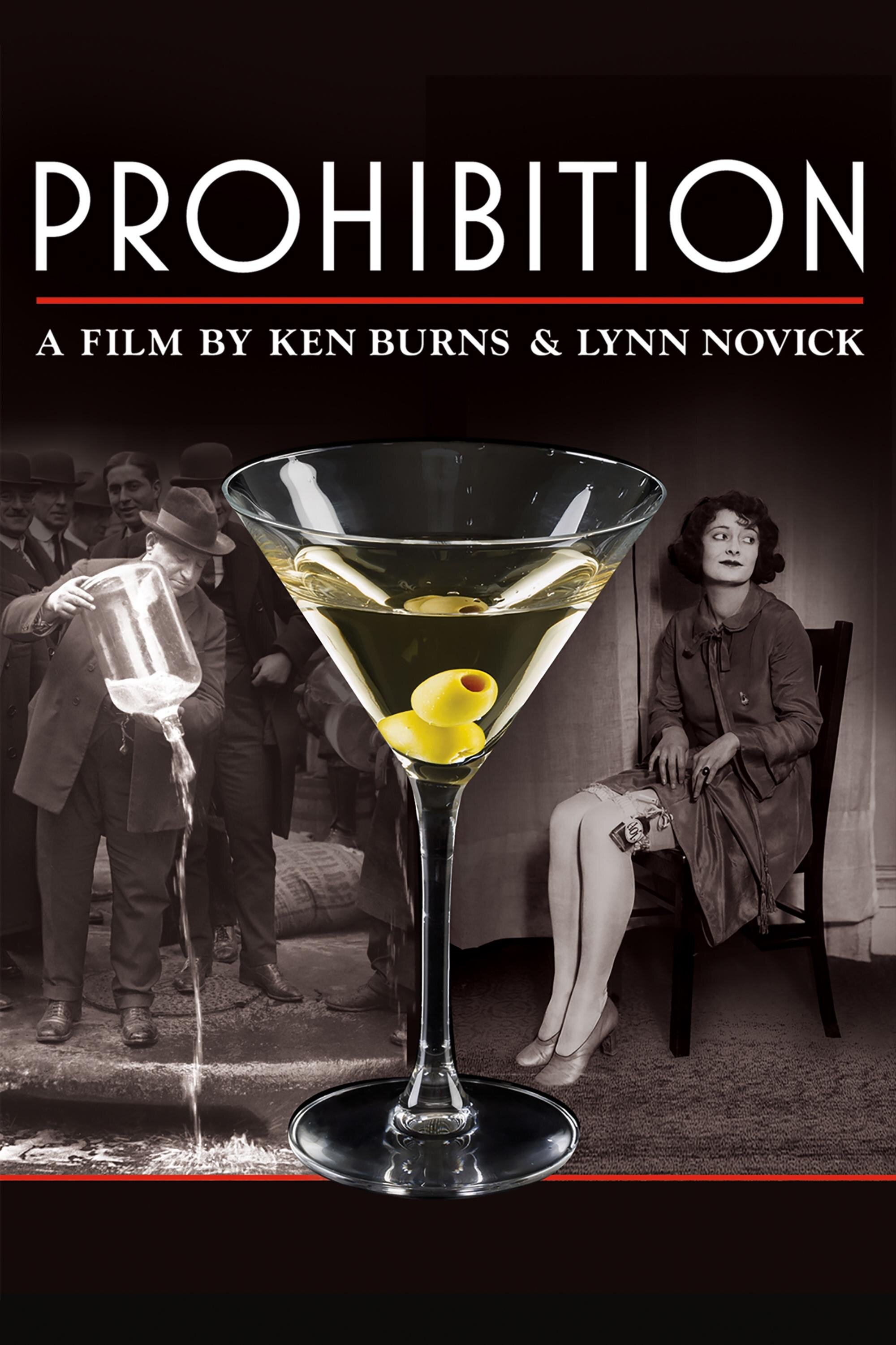
Prohibition2011
Ken Burns returns with a four-part exploration of the 1920s ban on alcohol. It's a surprisingly gripping story about morality, politics, and how laws don't work the way we expect them to.
But The jazz-age glamour you might anticipate is only part of the story; it's more interested in complexity than nostalgia.
Not sure tonight? Get a pick in a minute, starting from American Experience
The wildcard
Something you would not have found on your own.
The Cabinet of Dr. Caligari1920
Both are deeply interested in how power works—American Experience through documented history, Caligari through nightmare logic. Both understand that the apparatus (government, institutions, spectacle) can make us see what those in control want us to see.
A silent German Expressionist horror film about a mentalist and a sleepwalker that uses distorted sets and psychological terror to explore institutional corruption and manipulation. It's the ancestor of every psychological thriller that followed.
But Silent film grammar requires patience. The hand-tinted version helps, but you're still watching 1920 cinema. It's claustrophobic and weird, not reassuring.

More like this (6)
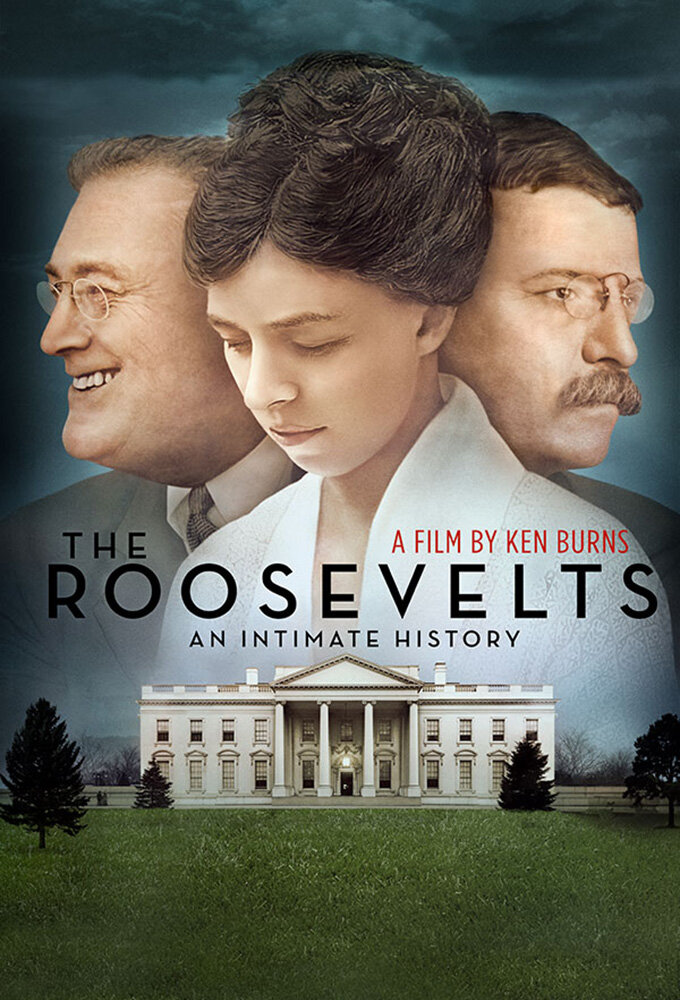
The Roosevelts: An Intimate History2014
Burns's seven-part biography of FDR, Theodore Roosevelt, and Eleanor interweaves their lives with the era they shaped. Intimate, epic, and illuminating about power, duty, and marriage.
But At over ten hours, it's dense. You need to be in the mood to live with it for a while.
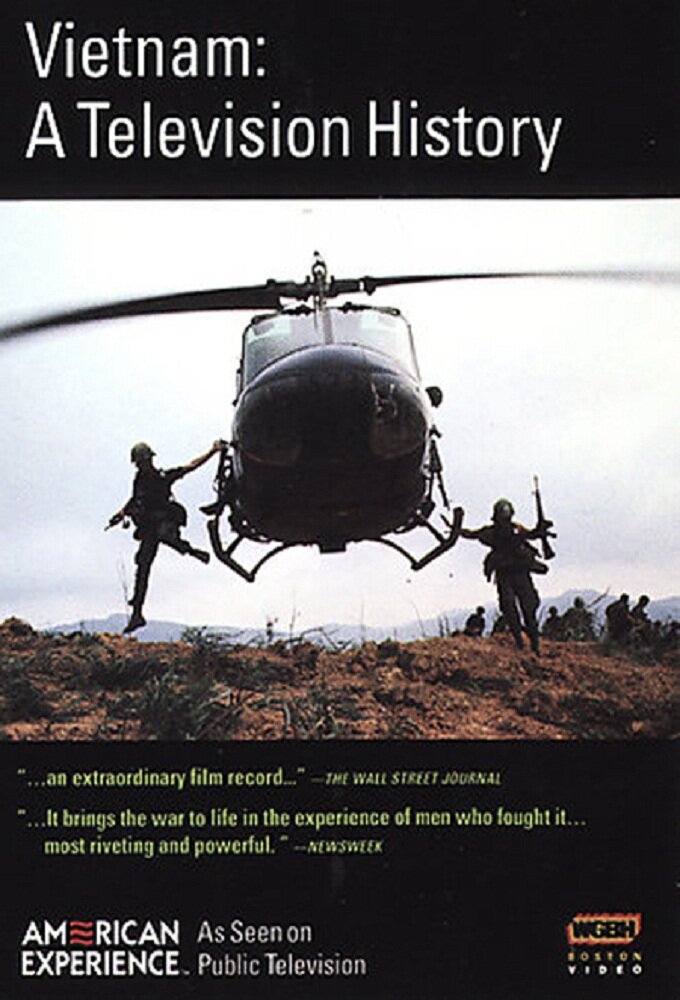
Vietnam: A Television History1983
Thirteen episodes that follow the war from French colonialism through reunification, balancing American and Vietnamese perspectives. Historical, visceral, and necessary for understanding that conflict's true scope.
But Graphic war footage and the emotional weight of multiple viewpoints can be exhausting over the full series.
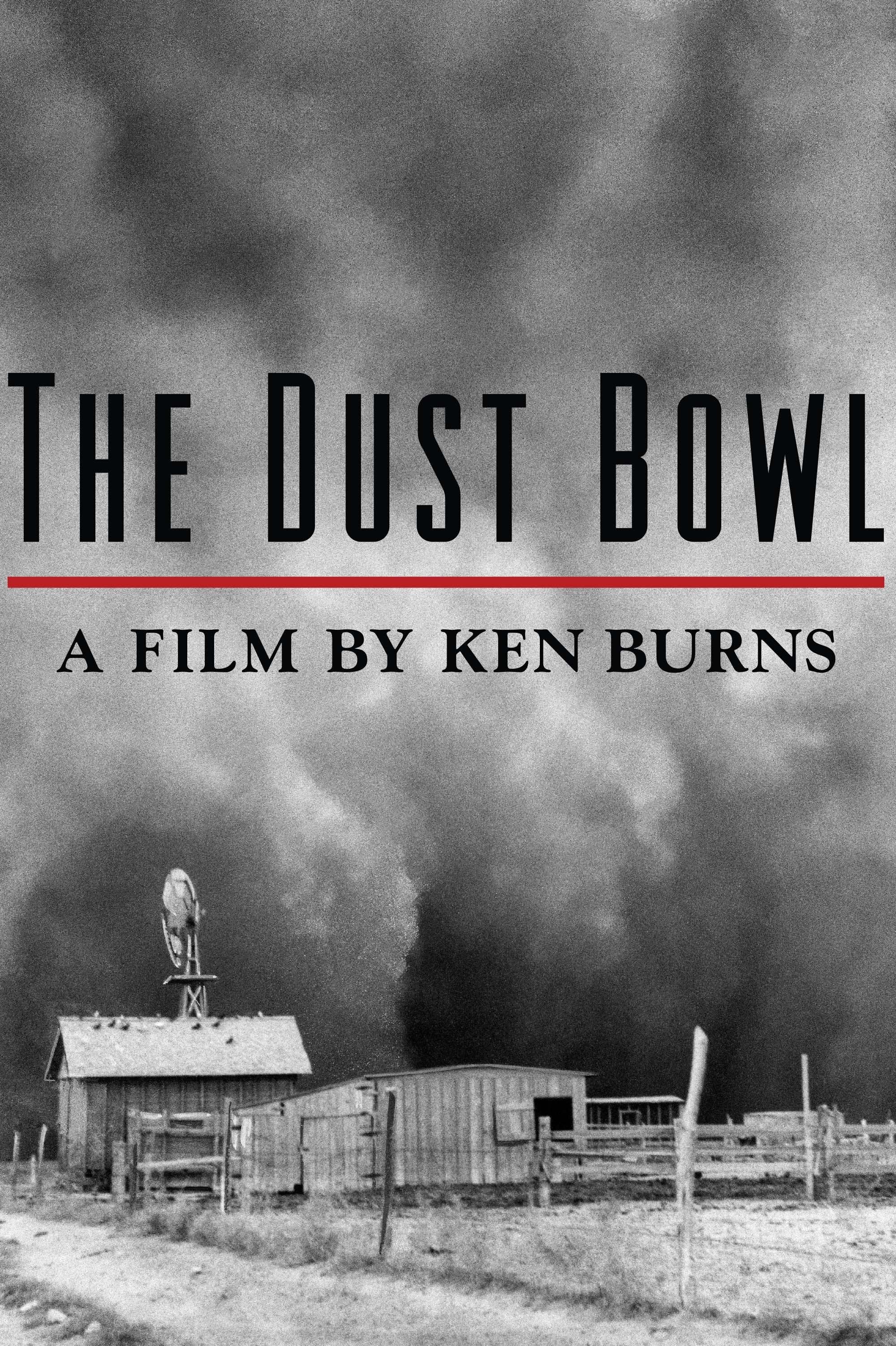
The Dust Bowl2012
Burns on the 1930s ecological and economic catastrophe in the Great Plains. It's a story about climate, desperation, and resilience told through photographs and voices that haunt you.
But It's bleak. There's beauty in it, but not much comfort until the very end.
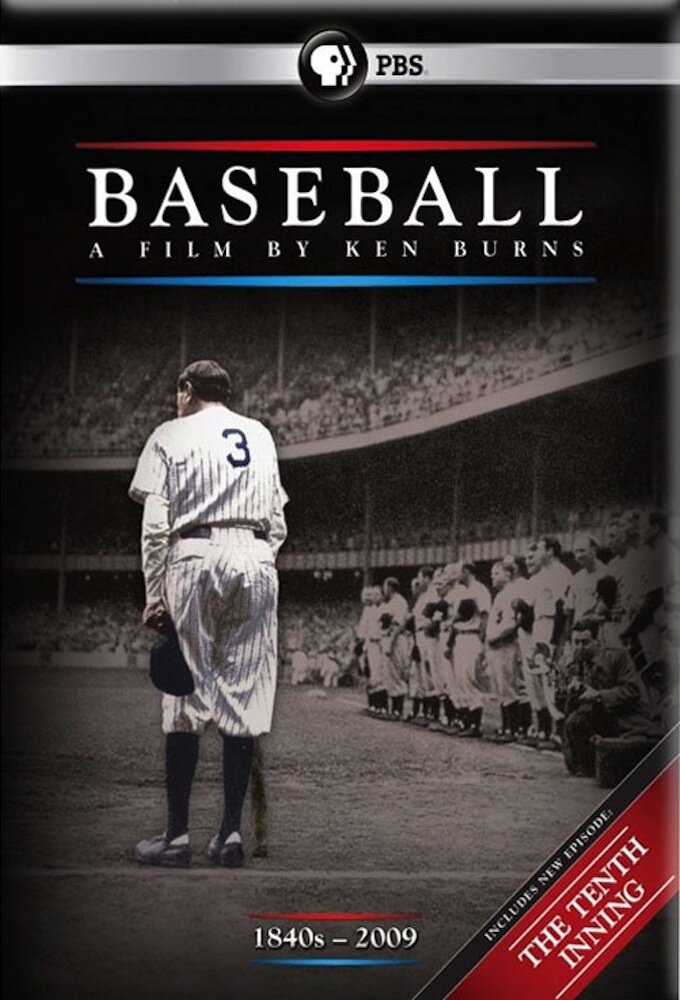
Baseball1994
Ken Burns's ten-part love letter to baseball as a mirror of American history. Even if you don't care about the sport, this is about race, immigration, labor, and national identity.
But The length and Burns's meandering style can feel indulgent if you just want baseball highlights, not cultural analysis.
The Wright Brothers1997
Burns profiles two bicycle mechanics who changed human possibility forever. Intimate, surprising, and a reminder that invention is often more personal than heroic.
But It's quieter than you might expect. There's no dramatic conflict beyond the engineering itself.
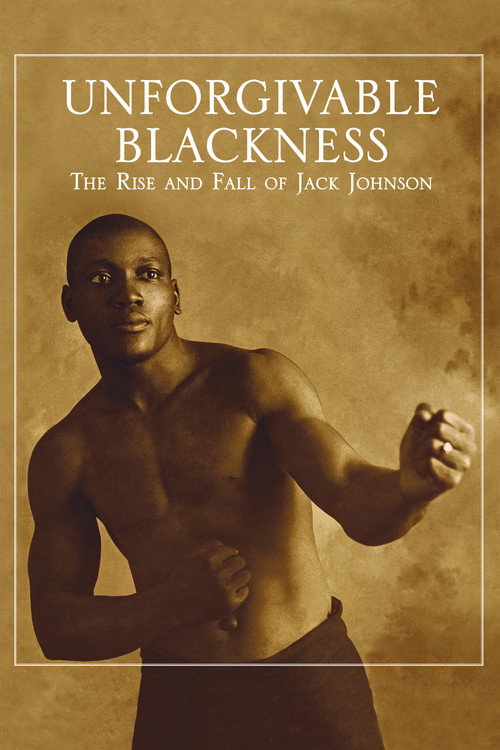
Unforgivable Blackness: The Rise and Fall of Jack Johnson2004
Ken Burns and Geoffrey C. Ward tell the story of the first Black heavyweight boxing champion—a man who couldn't stay quiet about his own dignity. Furious, funny, and essential.
But Some find the Jazz-era soundtrack distracting. The racism Johnson faced is relentless and difficult to absorb.
People
Cast
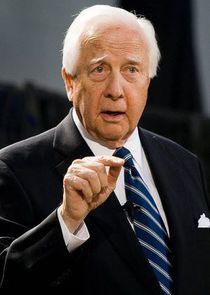 David McCulloughHost
 Will LymanNarrator
Writing
- Peter McGheeCreator
Recommended by
Radio Bikini, Thomas Jefferson, The Great American Read, Founding Brothers, The Transcontinental Railroad, Vietnam: A Television History