
Television series
The Dust Bowl
Ken Burns' two-part account of the 1930s ecological catastrophe that turned the Great Plains into a bowl of dust, told almost entirely through the voices of twenty-six people who lived it. Expect slow pans over old photographs, mournful strings, and testimony so plain it lands like poetry. It's patient, unhurried television, more elegy than thriller, for anyone who wants history delivered by the people who survived it.
If you liked this
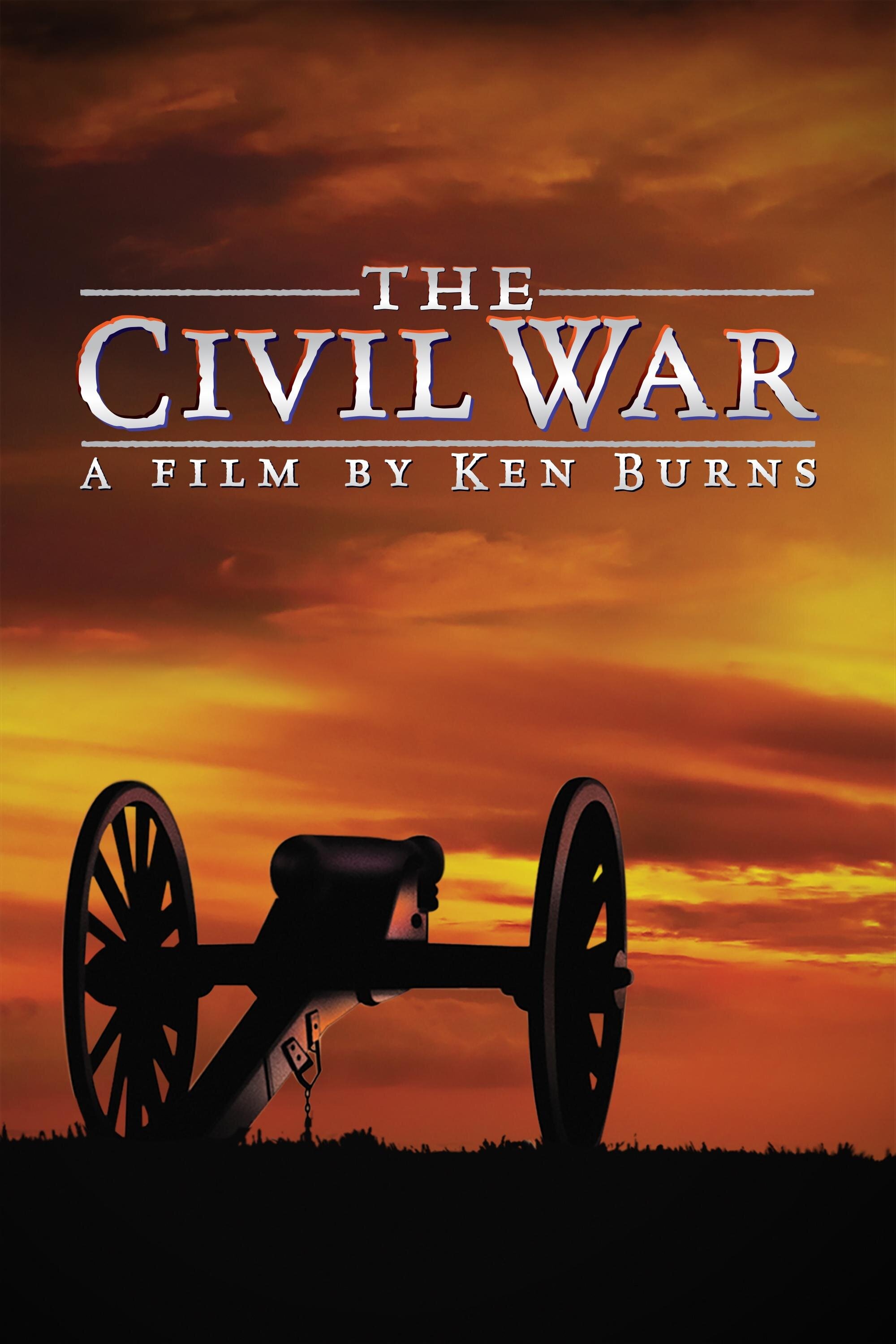
The Civil War1990
Ken Burns's own template—same slow pans over photographs, same weight given to ordinary voices, same conviction that a national catastrophe should be told through the people who lived it. This is the mother lode.
But Nine hours is a real commitment, and its measured pace can feel glacial if you're not already sold on the style.
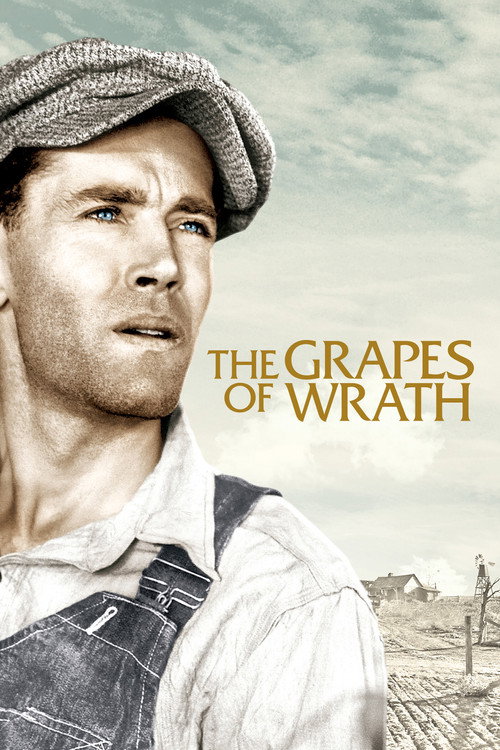
The Grapes of Wrath1940
John Ford's black-and-white drama puts a face, Henry Fonda's, on the exact migration the documentary describes, dust storms and all, turning statistics into one family's flight west.
But The studio softened Steinbeck's ending considerably, so it's gentler and more hopeful than the history it's drawn from.
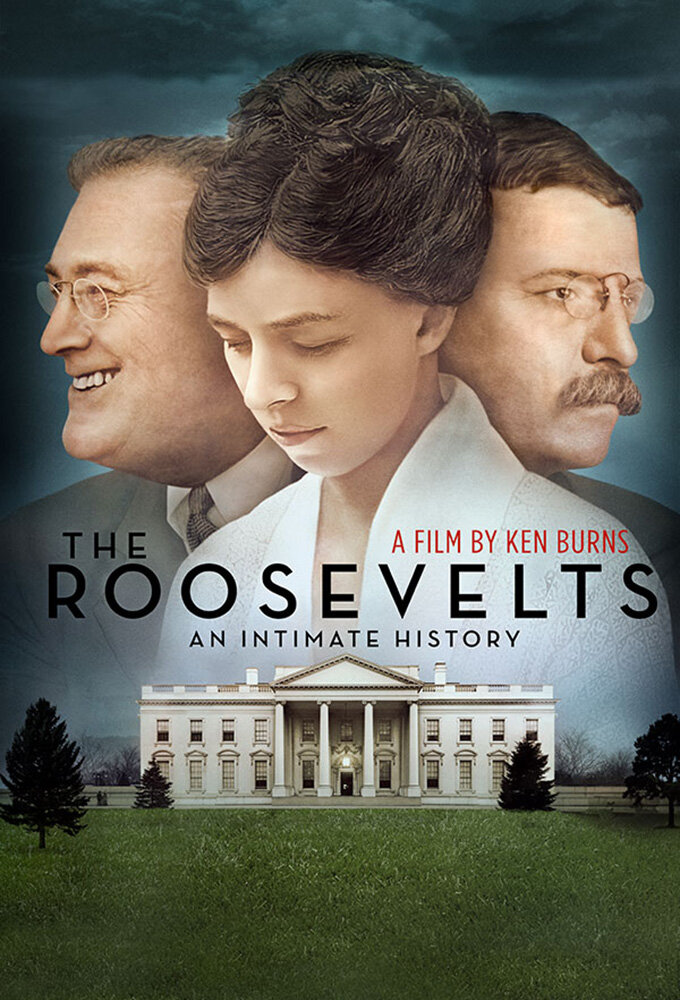
The Roosevelts: An Intimate History2014
Another Burns epic, this one explaining the New Deal machinery, the CCC, the WPA, that arrived to help the exact farmers you just watched suffer. Context for the recovery half of the story.
But It's a sprawling multi-generational biography, so the Dust Bowl years are just one chapter among many.
The wildcard
Something you would not have found on your own.
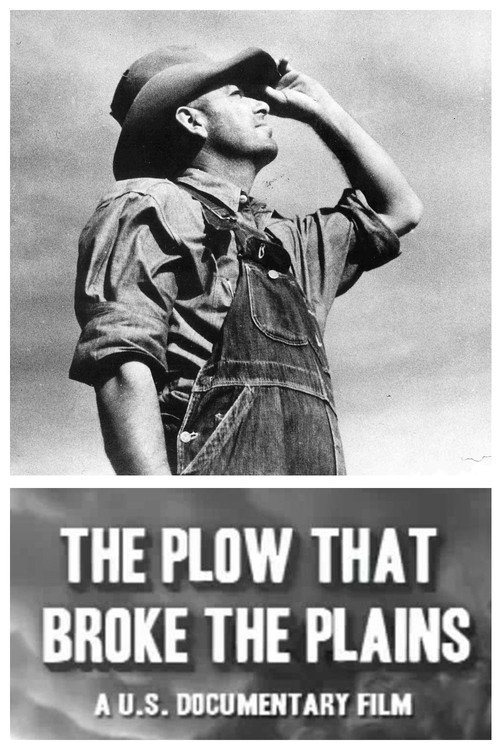
The Plow That Broke the Plains1936
This is the actual government-funded film shot in the middle of the disaster, black-and-white, poetic, scored like a requiem, that first showed America what it had done to itself. Everything Burns reconstructs decades later, this one filmed as it happened.
Twenty-five minutes, freely available, shot by a government crew driving through the actual dust storms with a script by Pare Lorentz, propaganda so beautifully made it became art, and the primary source everything else drew from.
But It's overt New Deal advocacy with a heavy narrated message, and at 25 minutes it's more mood poem than full account.
More like this (8)
Country Music2019no page yet
Same Burns rhythm, same devotion to voices from the dirt-poor South and Plains, but traced through music instead of drought, a warmer cousin to the grief of Dust Bowl.
But It's sixteen hours long and spans a century, so the Depression era is a small slice of a much bigger story.
The National Parks: America's Best Idea2009no page yet
Burns again, this time asking what happens when America gets its relationship with land right instead of wrong, an optimistic bookend to the Dust Bowl's cautionary tale.
But There's little overlap in subject matter beyond the shared theme of stewardship; don't expect farmers or drought.
An Inconvenient Truth2006no page yet
Swaps 1930s wheat farmers for a lecture hall, but it's the same argument: humans push a landscape too far, and the bill comes due. A modern echo of the same warning.
But It's a PowerPoint-driven advocacy film, not a character-driven history, and some of its predictions now feel dated.
Chasing Ice2012no page yet
A photographer documents Arctic ice loss in real time the way Dust Bowl documents topsoil loss, through obsessive, patient visual evidence of a landscape disappearing under human pressure.
But It's more nature photography than oral history, with far less human testimony than you might crave after Dust Bowl.
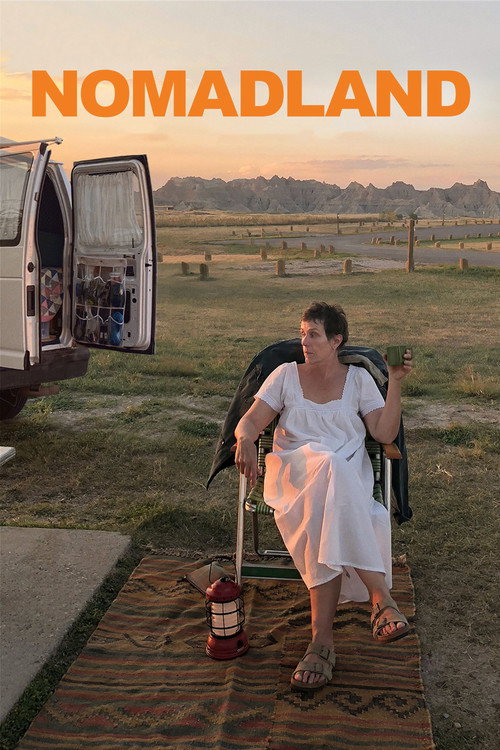
Nomadland2021
Frances McDormand plays a modern economic refugee living out of a van, a distant descendant of the same Plains families who packed up and drove west in the thirties.
But It's quiet and plotless by design, more mood piece than history lesson, and some find its ending frustratingly open.
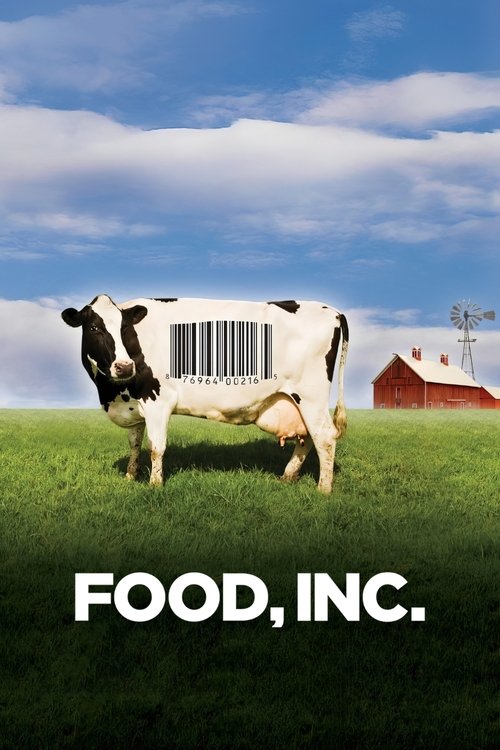
Food, Inc.2008
A look at how American agriculture industrialized after the Dust Bowl's lessons should have taught caution, proof the argument between farming and land is still very much alive.
But It's a talking-heads advocacy documentary about modern food systems, with only thematic overlap and no shared history at all.
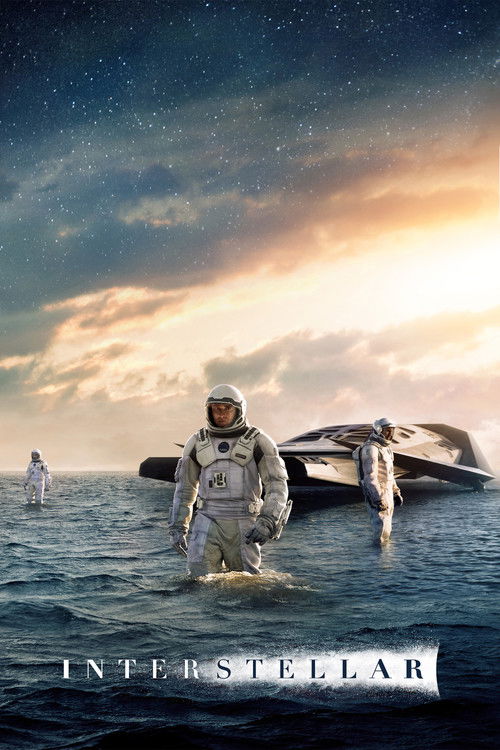
Interstellar2014
Christopher Nolan has said the opening dust-storm sequences were staged as a direct homage to Ken Burns' own Dust Bowl footage, turning a real ecological collapse into speculative fiction's warning about a dying Earth.
A three-hour science-fiction epic that opens with the exact imagery of Dust Bowl, choking dust, dying crops, a father facing unlivable land, before rocketing into space to ask what happens if we never learn the lesson.
But The back half turns into wormholes, relativity, and an earnest monologue about love as a force of physics; tonally it's a universe away from oral history.
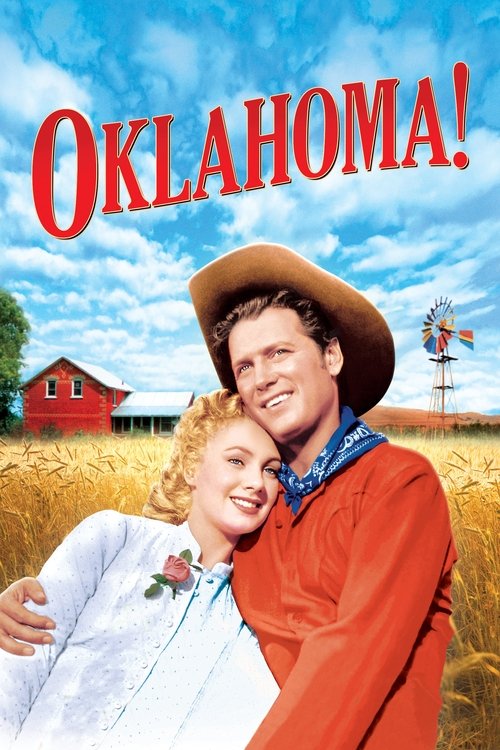
Oklahoma!1955
Filmed on the very plains the Dust Bowl scoured, this Rodgers and Hammerstein musical romanticizes the same landscape into golden wheat and sunny courtship, the cultural memory the disaster tried hard to erase.
Technicolor, showstopping choreography, and a lush vision of the same prairie that Dust Bowl shows blowing away, an eerie, almost defiant contrast if you watch the two back to back.
But It's a bright, singing, dancing musical with zero interest in drought or hardship; if you want more history, this will feel like willful amnesia.
Recommended by
The Grapes of Wrath, Oklahoma!, Cinderella Man, Days of Heaven, The Plow That Broke the Plains