
Film
The Plow That Broke the Plains
Made for FDR's Resettlement Administration, this is less a documentary than a visual sermon: sweeping shots of grassland turned to wheat, then to dust, scored to Virgil Thomson's swelling strings under a narrator who sounds like doom itself. Twenty-five minutes, stark and unapologetically persuasive — one of the first American films to treat landscape itself as tragedy. Watch it for the images, not the nuance.
If you liked this
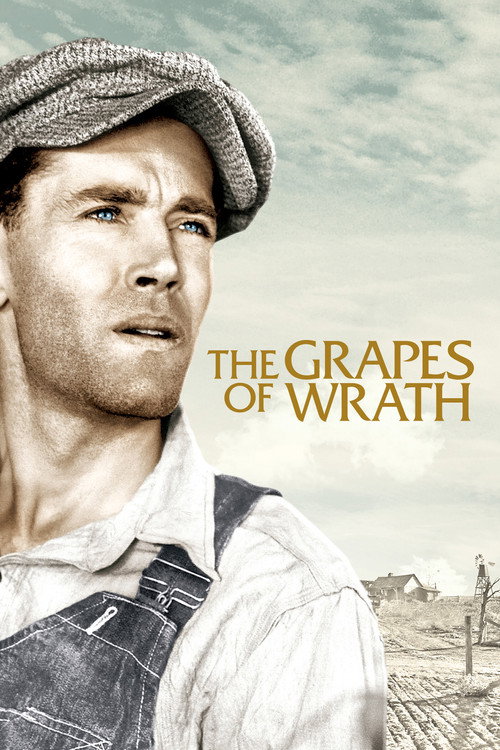
The Grapes of Wrath1940
Ford's adaptation of Steinbeck gives human faces to exactly the catastrophe Lorentz's camera surveys from above — same dust, same displaced families, but with the Joads to carry you through it.
But Its Hollywood polish and hopeful ending soften a desperation Lorentz refuses to soften.
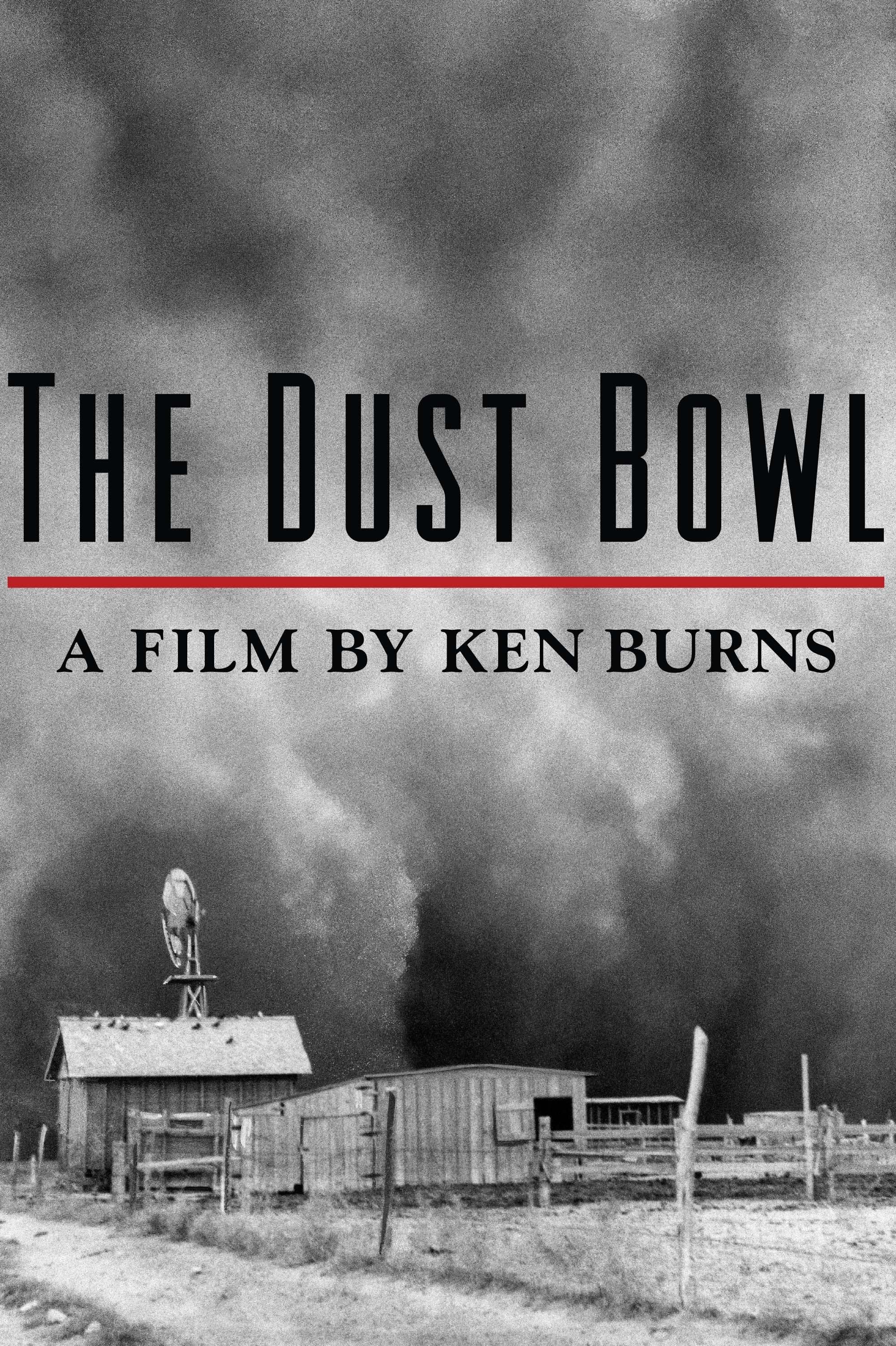
The Dust Bowl2012
Ken Burns fills in everything Lorentz's 25 minutes couldn't — survivor testimony, four hours of context, the full arc from boom to ruin.
But It's long and talky, and lacks the propulsive, almost frightening urgency of Lorentz's short.
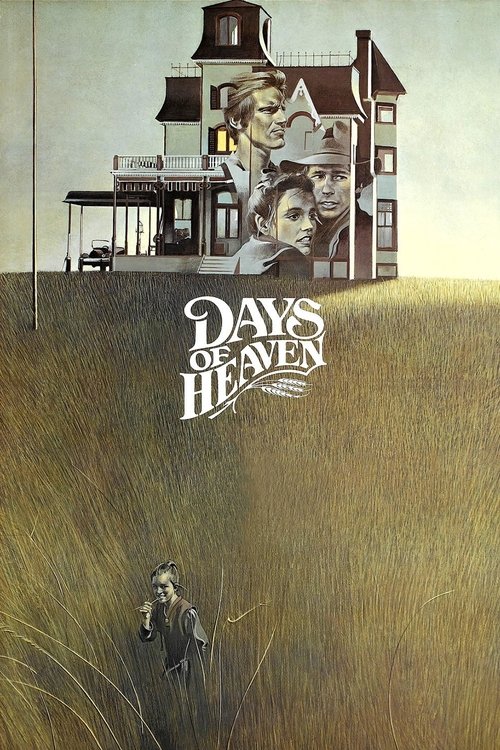
Days of Heaven1978
Malick's Texas panhandle wheat fields are shot with the same elemental awe Lorentz brought to the plains, right before the locusts and fire arrive.
But It's a slow, dreamy melodrama rather than history — the Dust Bowl itself never actually shows up.
The wildcard
Something you would not have found on your own.
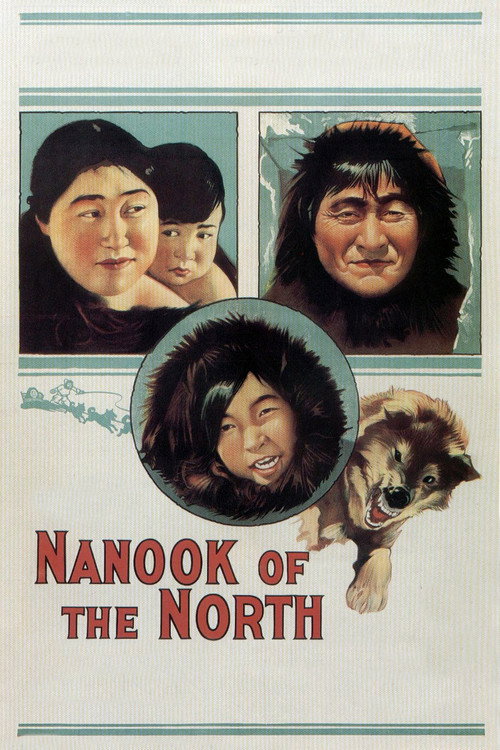
Nanook of the North1922
Both blur fiction and nonfiction, staging 'real' people for a symbolic story about survival against a punishing landscape — Lorentz just swapped ice for dust.
The great-grandfather of staged documentary — Flaherty restages Inuit life for the camera the way Lorentz restages farmers plowing dead soil, both mythologizing man against an indifferent land.
But Silent, ethically murky by modern standards, and the 'documentary' label is stretched even further than Lorentz stretched his.
More like this (8)
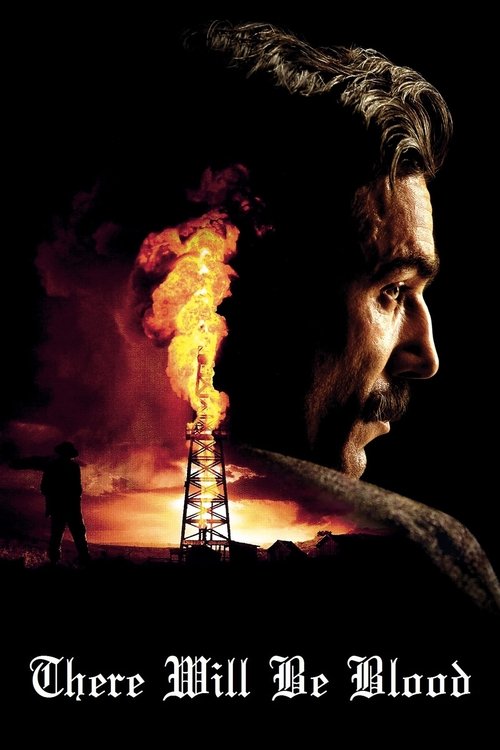
There Will Be Blood2007
Different resource, different decade, same story: land stripped for profit until it turns hostile back on the people who stripped it.
But It's about oil men, not farmers, and its rage is personal rather than ecological.
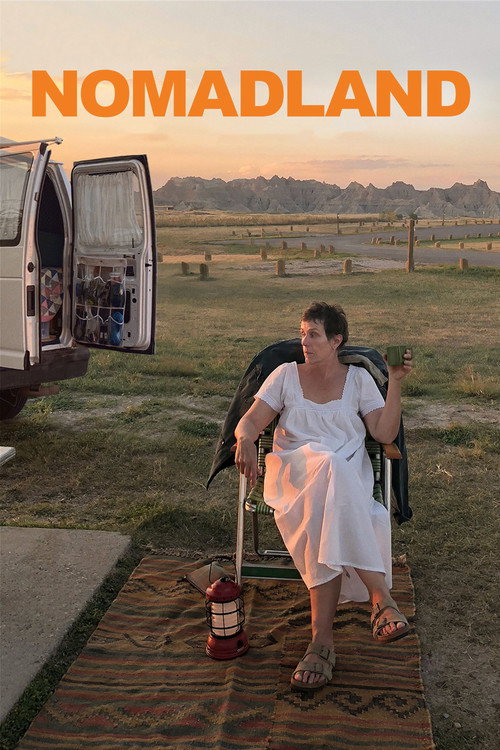
Nomadland2021
Frances McDormand becomes a modern Dust Bowl migrant — van instead of jalopy, chasing work west because the ground beneath her gave nothing back.
But It's quiet and plotless, more interested in grief and community than economic collapse.
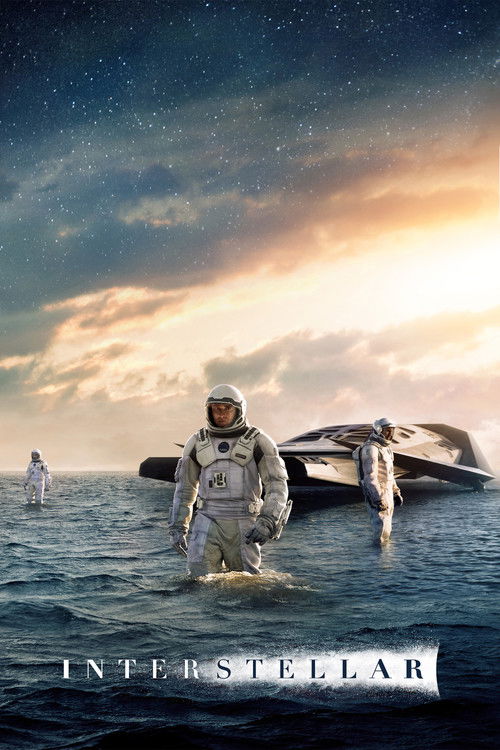
Interstellar2014
Nolan opens on Ken Burns-style dust storm interviews before launching into space — a direct visual homage to the disaster Lorentz filmed for real.
But Three hours of wormholes and relativity is a long way from a 25-minute government short.
Bound for Glory1976no page yet
Woody Guthrie's own escape from the Dust Bowl, told as a wandering, guitar-slung biopic sharing Lorentz's landscape and outrage.
But It runs over two hours and wanders like its subject — patience required.
Surviving the Dust Bowl1998no page yet
Told entirely by the people who lived through it, filling the human silence that Lorentz's booming narrator leaves behind.
But Standard PBS talking-head format — far less visually inventive than Lorentz's film.
The River1938no page yet
Lorentz's very next government film, same rolling narration and Virgil Thomson score, turning south to the Mississippi flood — the natural double feature.
But Different geography and disaster entirely, and the propaganda pitch grows even more insistent.
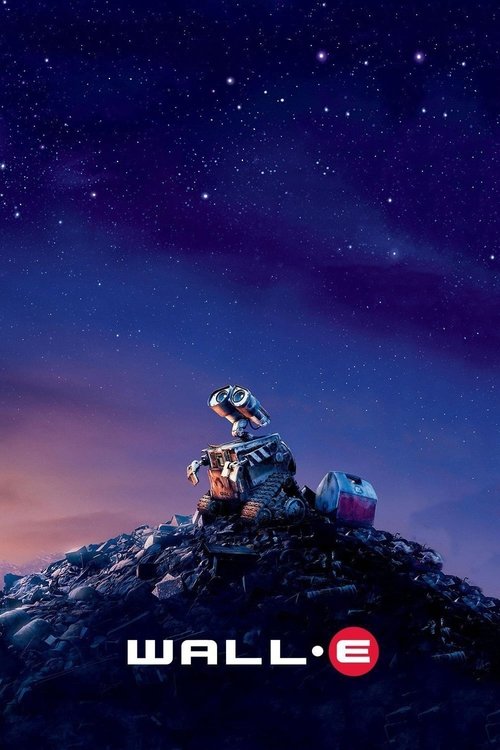
WALL·E2008
Both use the picture of a ruined, dust-blown land as a moral argument about what happens when short-term human appetite outruns the earth's patience.
An animated children's film that opens on a wind-scoured, dust-choked, abandoned Earth — the same image Lorentz filmed as fact, replayed here as cautionary cartoon.
But It's a Pixar robot romance at heart, and the ecological warning is background, not the point.
Anthropocene: The Human Epoch2018no page yet
Same thesis, opposite register: where Lorentz argues loudly with music and voice-over, this film lets wrecked landscapes argue for themselves in silence.
A modern, wordless answer to Lorentz's booming narration — same subject, humanity reshaping the land past recovery, filmed with cold, observational calm instead of a script.
But No narrator, no story, just enormous slow images — some will find it inert where Lorentz is propulsive.
People
Cast
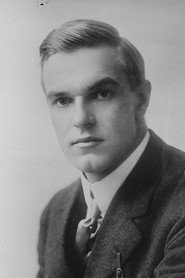 Thomas ChalmersNarrator (voice)
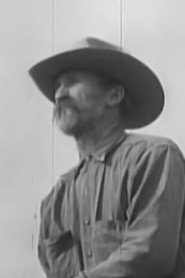 Bam WhiteFarmer