
Film
Bound for Glory
David Carradine embodies Woody Guthrie in this sprawling 1976 portrait of America's greatest folk singer, following his exodus from Depression-era Texas through the migrant camps and roadside struggles of the working poor. Hal Ashby's film moves at the pace of a wanderer's journey—unhurried, observant, visually stunning—less interested in hitting biographical beats than in capturing the texture of survival and the songs that emerged from it.
Should you watch it?
Watch it if you love character studies of restless itinerant artists, where the road, the hard times and the songs are the story rather than a tidy plot.
Skip it if you want a tight, fast-moving story; at nearly two and a half hours it is episodic and leisurely, and its sympathy for working people can feel earnest.
What it asks of you: Settle in for a long, unhurried stretch where scenes linger on the road, hard labor and performance, so patience matters more than plot momentum.
Not sure? Find tonight's pick in a minute.
If you liked this
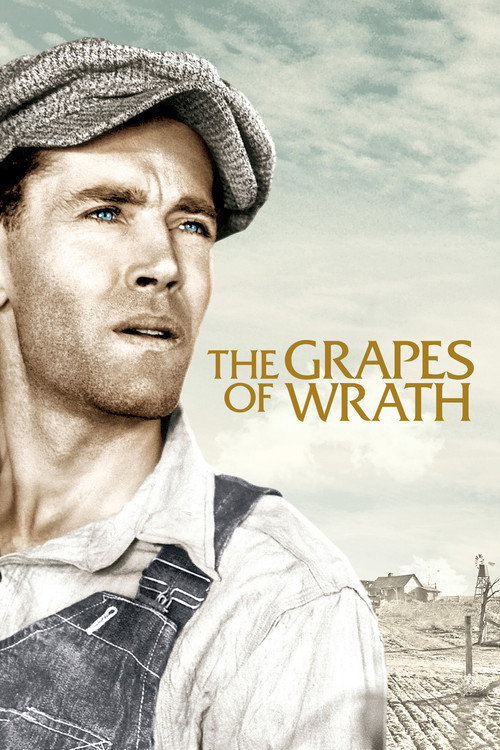
The Grapes of Wrath1940
Ford's masterpiece about Depression-era migrants heading west—the same historical moment and moral terrain Guthrie inhabited. John Ford's visual poetry matches Ashby's; both films make hardship beautiful without sentimentalizing it.
But It's slower and more formally composed than modern drama. The ending, while powerful, may feel resigned to some viewers.
Tender Mercies1983
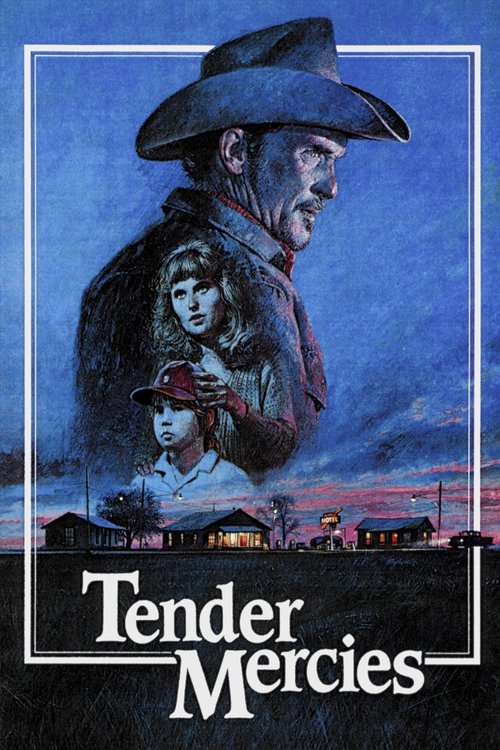
Another portrait of an American musician rebuilding after destruction, with similar attention to grace found in small moments. Robert Duvall gives a performance of quiet devastation that recalls Carradine's measured intensity.
But Very little happens in the conventional sense. It's a film about absence and recovery, which some find too still.
Nashville1975
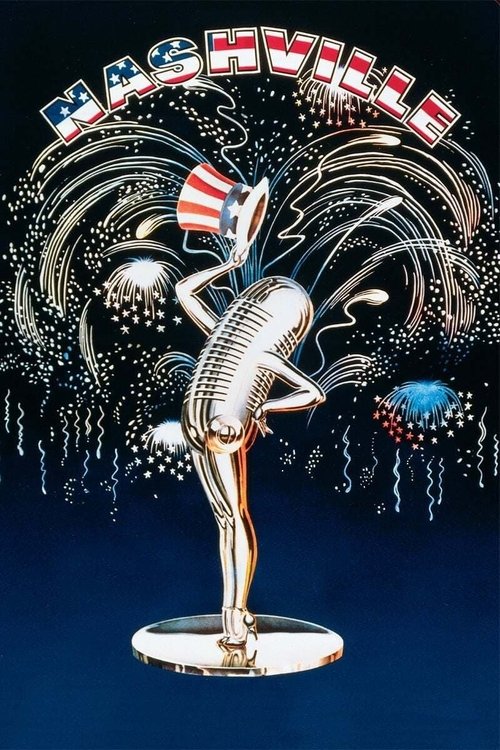
Altman's sprawling ensemble about American music and myth, made just before Bound for Glory. Both films see music as inseparable from the nation's contradictions and soul.
But Two-and-a-half hours of overlapping narratives with no clear protagonist. It's deliberately fragmented and can feel like watching traffic.
Not sure tonight? Get a pick in a minute, starting from Bound for Glory
The wildcard
Something you would not have found on your own.
I Am Trying to Break Your Heart: A Film About Wilco2002
Both treat music-making as an almost sacred struggle; both believe the process matters more than the product or biography.
Sam Jones's documentary about an album's making, not a musician's life. But it captures the exact spiritual terrain Ashby seeks: the agony of creation, the doubt underneath artistry, musicians as ordinary people trying to make meaning from wreckage.
But Not a traditional doc—no narration, no neat explanations. You're watching studio sessions and arguments without guidance. Wilco fans may find it self-indulgent; non-fans may not see why they should care.

More like this (7)
Alice's Restaurant1969
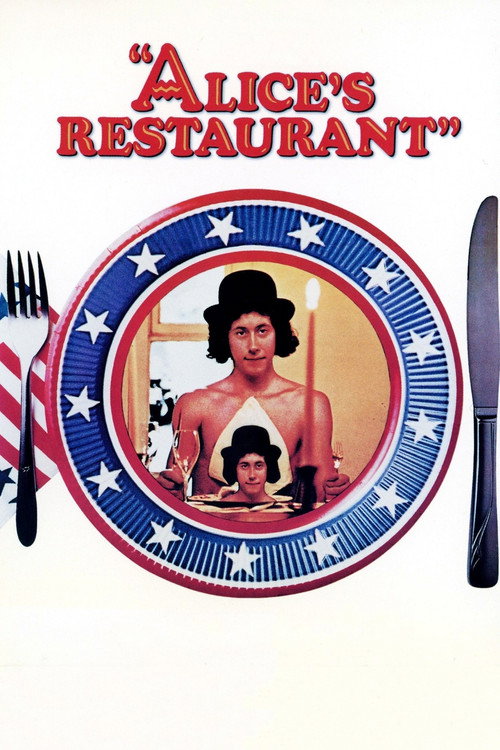
Arlo Guthrie's only film, about community, song, and American outcasts. It shares Bound for Glory's belief that folk music documents real lives and real resistance.
But The narrative is thin and meandering. Some will find it self-indulgent rather than charmingly rambling.
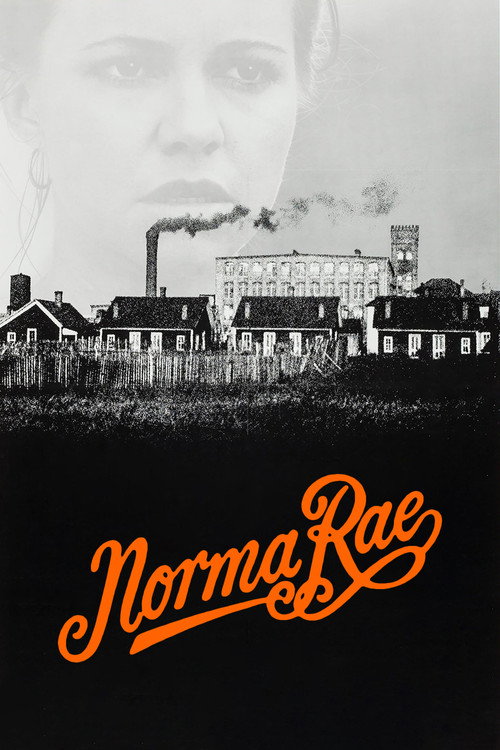
Norma Rae1979
Sally Field in a portrait of working-class struggle and dignity that echoes Guthrie's subject matter. Both films believe the working poor deserve epic treatment.
But More conventional in structure than Bound for Glory. The inspirational beats are broader and less ambiguous.
The Best Years of Our Lives1946
William Wyler's epic about Americans rebuilding after upheaval. Like Ashby's film, it finds profound humanity in unglamorous lives and economic precarity.
But Three-and-a-half hours and melodramatic in places. The emotional crescendos feel dated to some modern eyes.

Pennies from Heaven1981
Herbert Ross's Depression-era film where music is both escape and truth. It shares Bound for Glory's sense that songs emerge from pain and survive because they name it.
But Tonal shifts between gritty realism and stylized fantasy feel jarring. Steve Martin in a dramatic role unsettles some viewers.

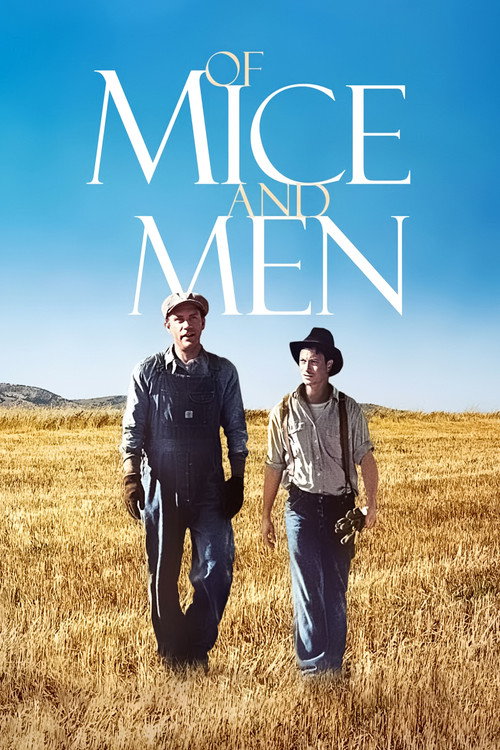
Of Mice and Men1992
Sinclair's adaptation of Steinbeck captures the same terrain of migrant workers, male friendship, and the fragility of dreams. Both films honor the dignity of the desperate.
But The story's bleakness offers no comfort. It's a film about how hope and compassion cannot always defeat circumstance.
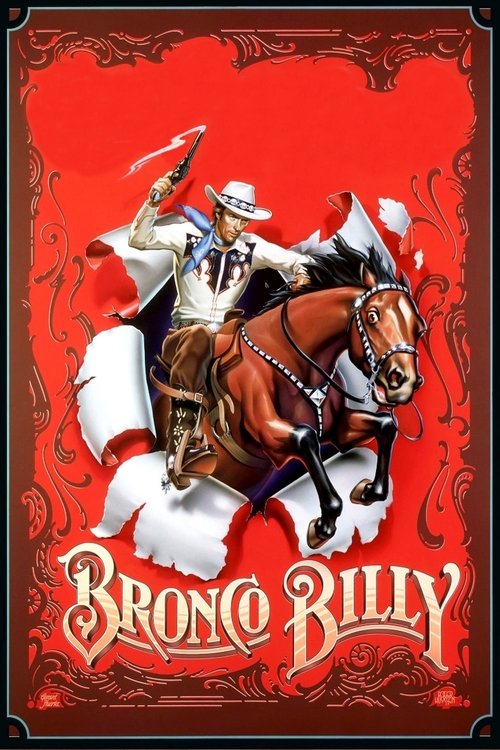
Bronco Billy1980
Clint Eastwood's oddball film about a traveling Wild West show and outsiders making community. It shares Bound for Glory's interest in itinerant Americans building meaning on the road.
But Tonal unevenness and a thin third act. It's a curiosity rather than a fully realized work.
Shadows1960
Both films trust cinema to find beauty in unglamorous lives without narrative machinery; both believe realism itself is a radical act.
Cassavetes's ragged, improvised black-and-white film about a mixed-race family navigating New York. Like Bound for Glory, it's structurally loose, shot in stark documentary realism, and insists on the poetic power of ordinary speech and small gestures.
But The spontaneity of the acting reads as amateurish to some. No plot to speak of, and the jazz score can feel intrusive. It's an influence on Ashby, but in a much rawer form.

People
Cast
 David CarradineWoody Guthrie
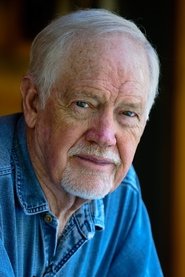 Ronny CoxOzark Bule
 Melinda DillonMary / Memphis Sue
 Gail StricklandPauline
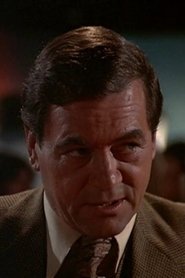 John LehneLocke
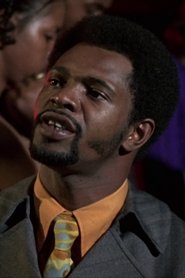 Ji-Tu CumbukaSlim Snedeger
 Randy QuaidLuther Johnson
- Susan VaillGwen Guthrie
- Sarah VaillGwen Guthrie
- Alexandra MockSue Guthrie
- Kimberly MockSue Guthrie
Directing
- Hal AshbyDirector
- Charles MyersFirst Assistant Director
- June SamsonScript Supervisor
- Buddy Joe HookerSecond Unit Director
Writing
- Woody GuthrieBook
- Robert GetchellScreenplay
Production
- Charles MulvehillAssociate Producer
- Lynn StalmasterCasting
- Spencer QuinnLocation Manager
- Harold LeventhalProducer
- Robert F. BlumofeProducer
- Charles MulvehillProduction Manager
Recommended by
The Grapes of Wrath, Coal Miner's Daughter, Matewan, The Weavers: Wasn't That a Time, The Plow That Broke the Plains, A Song to Remember, Goin' South, Katherine