
Film
Katherine
- Drama
- Very dark
A 1975 TV movie that follows a wealthy young woman's radicalization during the turbulent 60s and 70s, as idealism collides with privilege and revolution demands everything. Sissy Spacek brings fierce vulnerability to Katherine as she abandons comfort for underground activism. It's an intimate portrait of conviction and consequence, anchored by genuine performances that make the political deeply personal.
If you liked this
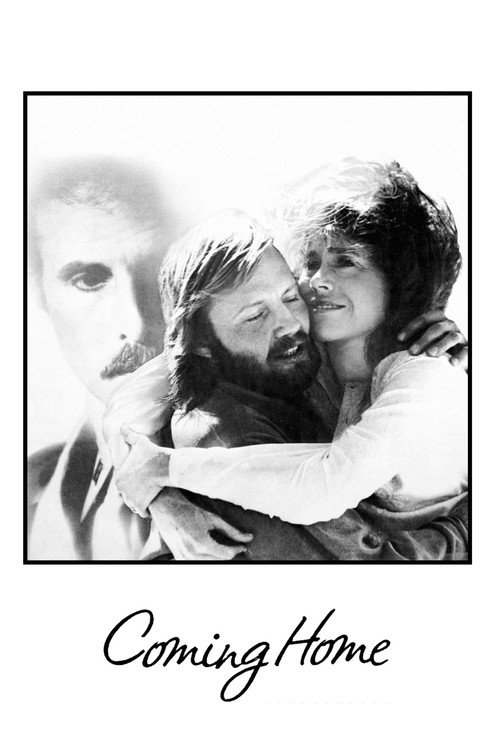
Coming Home1978
Jon Voight and Jane Fonda navigate love and conscience during Vietnam; like Katherine, it refuses simple answers about war, duty, and what it costs to stand for something.
But The emotional climax feels orchestrated for awards rather than earned, and the film hedges its political questions at crucial moments.
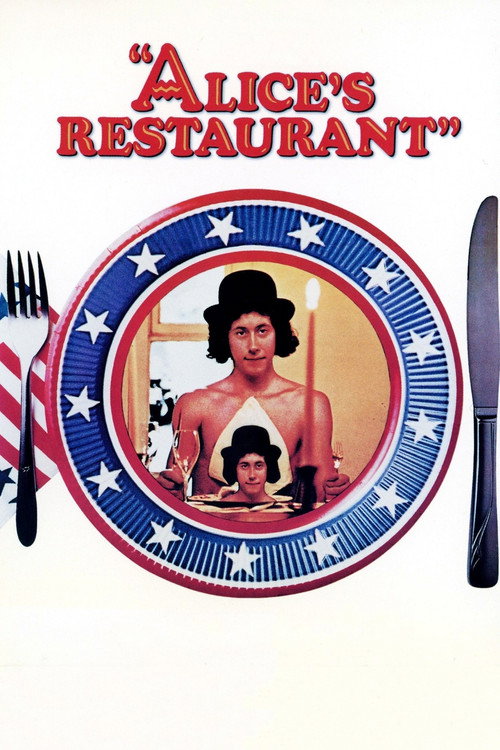
Alice's Restaurant1969
Arlo Guthrie's semi-autobiographical ramble captures the same era's counterculture ethos—the humor, the defiance, the sense that the old rules no longer apply. Charming where Katherine is grim.
But It's more a mood than a plot, and the famous 18-minute song divides audiences sharply. Patience required.
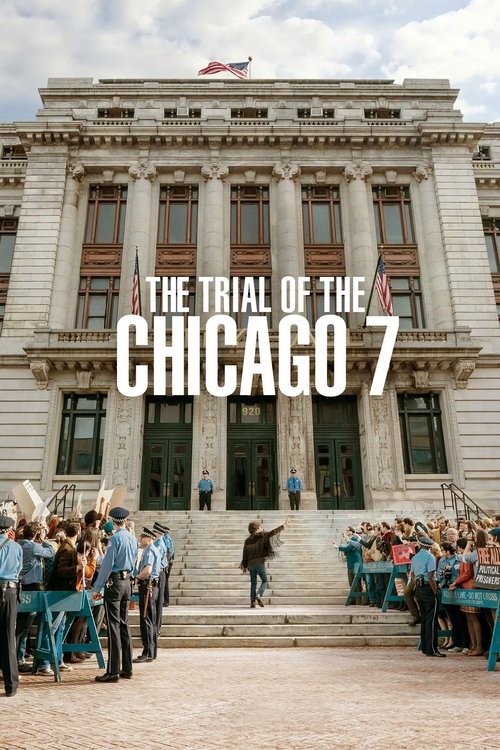
The Trial of the Chicago 72020
Aaron Sorkin dramatizes real radicals facing real consequences for their activism. Propulsive courtroom energy combined with genuine moral stakes and ensemble chemistry.
But Sorkin's dialogue can feel more theatrical than authentic, and the film occasionally simplifies its characters to fit the drama.
Not sure tonight? Get a pick in a minute, starting from Katherine
The wildcard
Something you would not have found on your own.
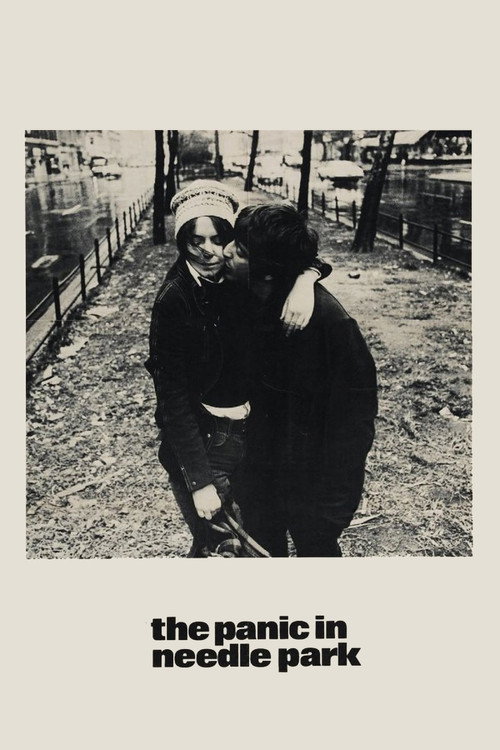
The Panic in Needle Park1971
Both track radicalization as a form of addiction: the rush of belonging to something larger than yourself, the justifications that calcify into traps, the moment you realize you're trapped.
Al Pacino's early performance is raw and terrifying. Like Katherine, it's about a young person spiraling into an underworld that seemed like liberation until it wasn't. Both films refuse to separate personal from political addiction.
But The film is relentlessly bleak and drug-focused; it offers no intellectual framework or ideological cover for the descent, just human wreckage. Genuinely difficult to sit through.
More like this (8)
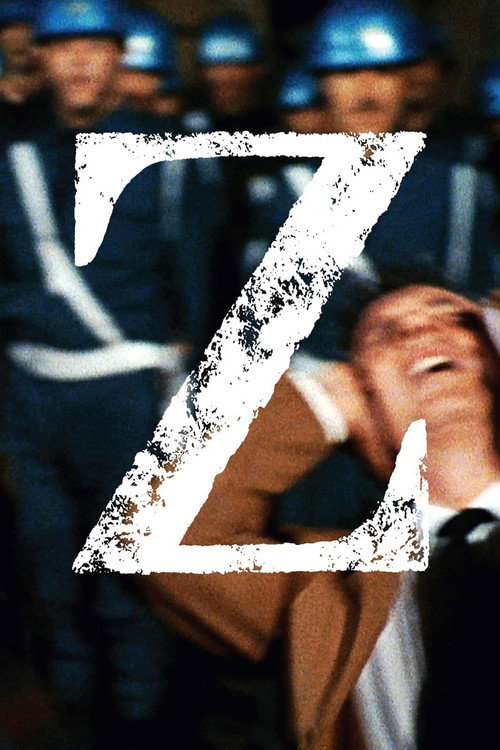
Z1969
Costa-Gavras's masterpiece about political murder and cover-up feels urgently relevant. It shares Katherine's refusal to let moral conviction stay abstract—ideas kill and die in this film.
But The pacing is deliberately unsettling rather than propulsive, and subtitles demand full attention. It can feel like work.
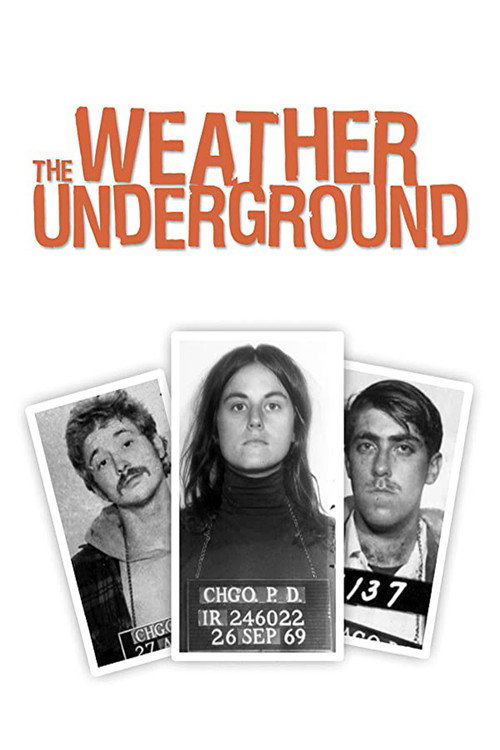
The Weather Underground2002
This documentary lets real members of the radical Weather Underground explain their choices and their doubts. It's the factual backbone to what Katherine imagines.
But Without a conventional narrative arc, it can feel more like testimony than cinema. Some find it sympathetic to people they'd rather see criticized.
Easy Rider1969
Hopper and Fonda's road odyssey captures the decade's restless idealism and its collision with America's resistance to change. The same generational reckoning, different speed.
But The film hasn't aged gracefully in how it portrays women, and the philosophizing can tip into self-parody. Also brutally nihilistic about its own heroes.

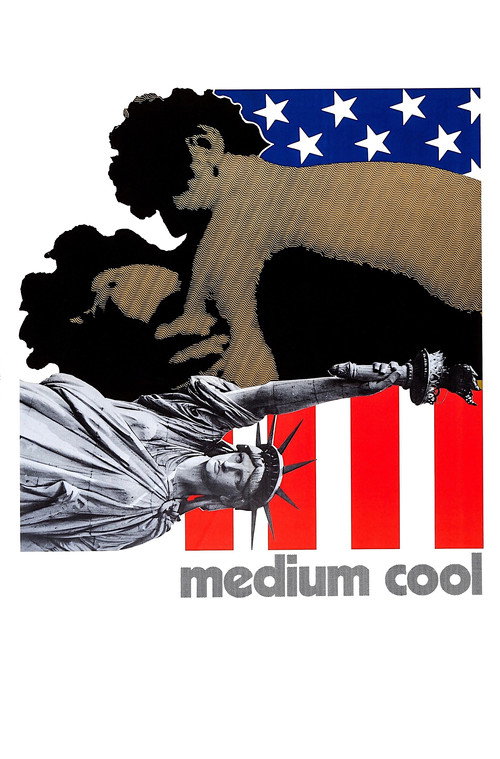
Medium Cool1969
Haskell Wexler's experimental hybrid shoots the 1968 Democratic Convention chaos while following a cameraman finding conscience. Visceral, chaotic, unforgettable in how it captures moment-by-moment radicalization.
But The tone whips between documentary realism and melodrama without always meaning to. Structural ambition sometimes overwhelms coherence.
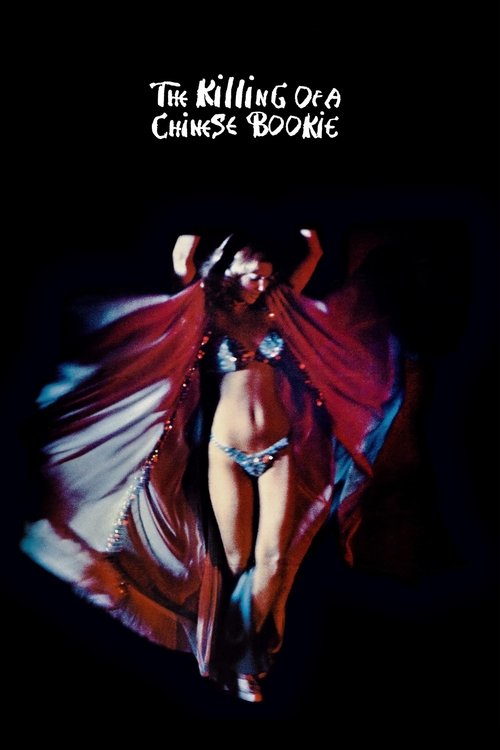
The Killing of a Chinese Bookie1976
Cassavetes's character study of a man caught between his world and another's moral demands has the same intimate intensity as Katherine, even if the setting is seedier and the stakes more direct.
But Cassavetes refuses to move the plot forward, valuing mood and performance over momentum. The grainy cinematography is intentional but can feel punishing.
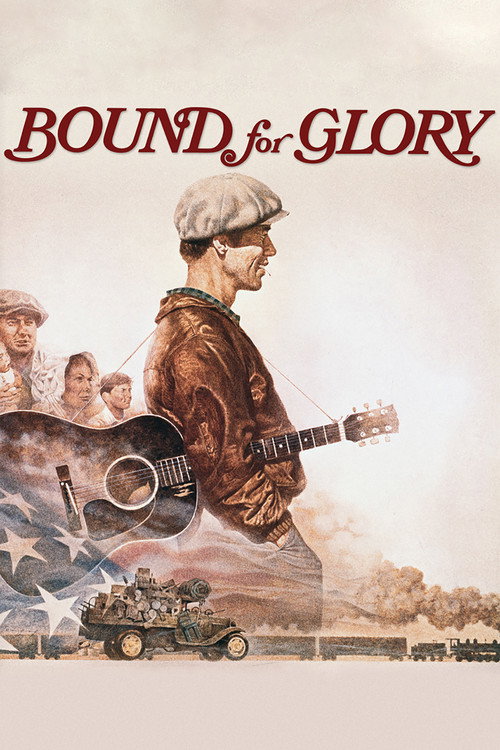
Bound for Glory1976
David Carradine as Woody Guthrie shows a man whose protest music emerged from genuine conviction, not fashion. It's about the cost of staying true when the world ignores you.
But The film is episodic and diffuse, more a series of moments than a shaped narrative. It can feel slight despite its ambitions.
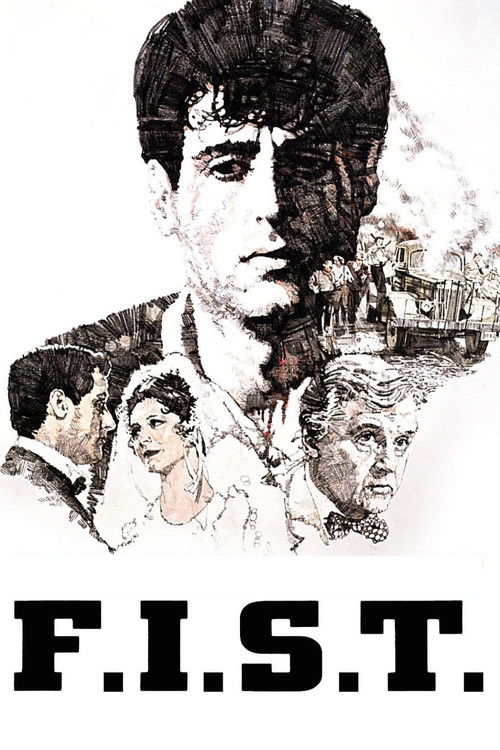
F.I.S.T.1978
Both explore how revolutionary conviction becomes something else—Katherine sees the price of idealism from below, F.I.S.T. sees how idealism dies from within the machine of institutional power.
Stallone in a serious labor-movement drama about a man who rises through union activism only to discover how power corrupts from within. It's Katherine's political education told from the other side—the slow compromise that feels like pragmatism.
But Action-movie casting makes it hard to take seriously at first, and the second half devolves into conventional crime-drama beats. Tonal whiplash.
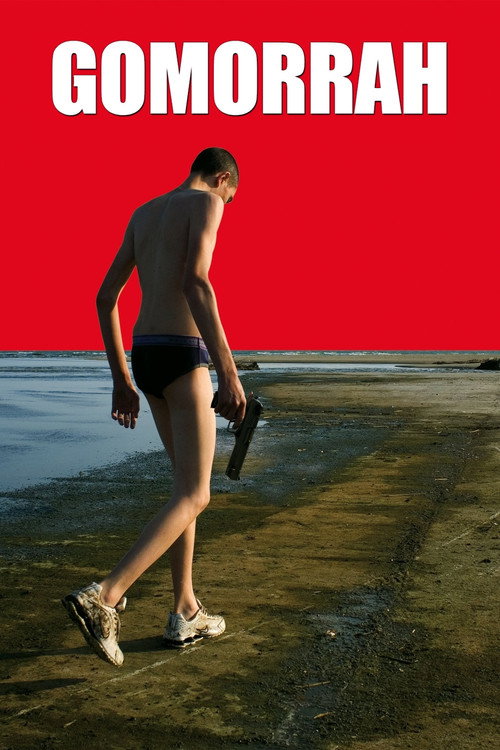
Gomorrah2008
Both examine how intelligent, conscience-driven people become trapped in systems claiming liberation—Katherine in radicalism, Gomorrah's characters in crime. Both show that good intentions don't exempt you from moral complicity.
Matteo Garrone's Naples-set masterpiece tracks multiple characters caught in organized crime, showing how systems entrap rather than liberate. Visually stunning, morally complex, refuses sentimentality or easy judgments about its trapped subjects.
But It's Italian cinema of the uncompromising sort—long takes, ambient sound, no score to tell you how to feel. Patience and surrender required. Some find it exhausting rather than hypnotic.
People
Cast
 Art CarneyThornton Alman
 Sissy SpacekKatherine Alman
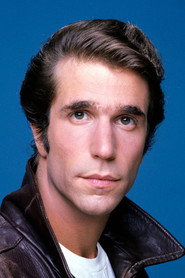 Henry WinklerBob Kline
 Julie KavnerMargot Weiss Goldman
 Jane WyattEmily Alman
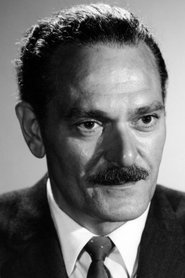 Joe De SantisFather Echeverra
 Hector EliasJuan
- Jenny SullivanLiz Alman Parks
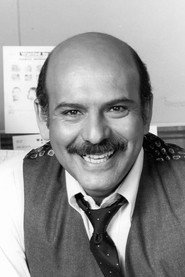 René EnríquezVega
 Mary MurphyMiss Collins
 Catlin AdamsJessica
 Jorge Cervera Jr.Julio
Directing
- Jeremy KaganDirector
Writing
- Jeremy KaganWriter
Production
- Gerald W. AbramsAssociate Producer
- Lynn StalmasterCasting
- Gerald I. IsenbergProducer