
Film
F.I.S.T.
A Stallone film that treats him seriously: Johnny Kovak rises from warehouse worker to Teamsters powerhouse across four decades, charting the corruption that hardens him from idealist to mobbed-up operator. It's a sprawling, muscular political drama with real historical weight, built for viewers who want their union stories gritty and morally complicated, not sanitized.
If you liked this
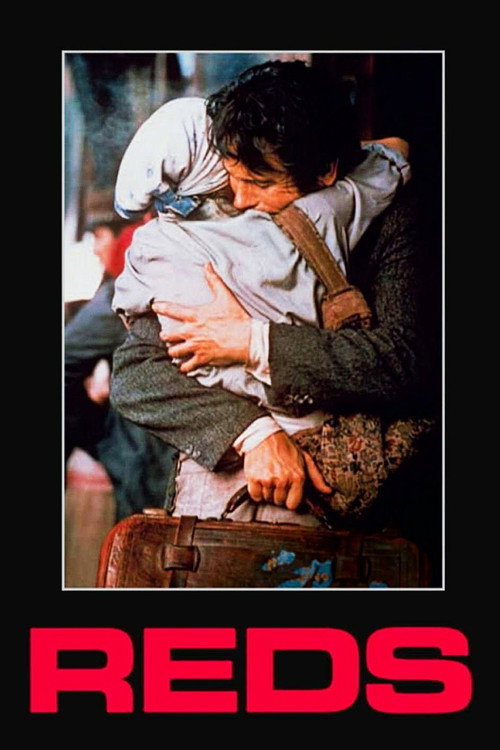
Reds1981
Warren Beatty's three-hour epic about American communists and revolution, made with the same ambition and period sweep as F.I.S.T. Serious political cinema that trusts the audience to follow ideology and passion through a complicated life.
But The pacing is deliberate, sometimes glacial. Some viewers find Beatty's earnestness exhausting rather than moving.
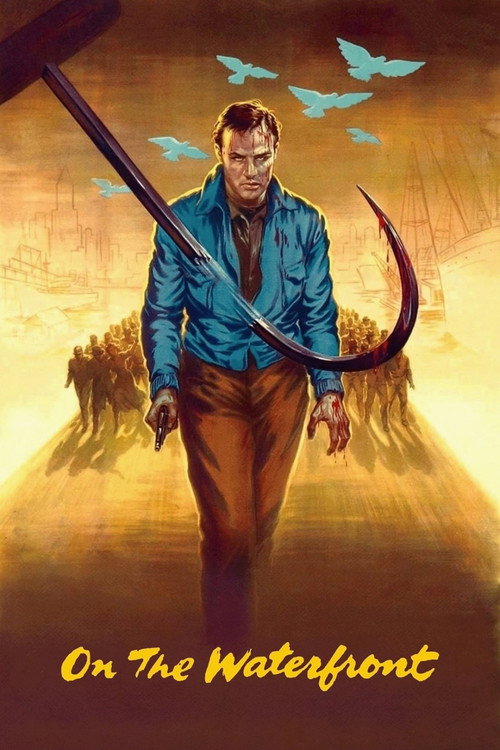
On the Waterfront1954
Kazan's masterpiece about union corruption, longshoreman culture, and the moral cost of betrayal. If F.I.S.T. is the rise-and-fall epic, this is the claustrophobic spiritual reckoning, and it's nearly flawless.
But The Brando-as-hero narrative hasn't aged perfectly; some of the moral positioning feels of its moment. Also, it's long been picked over by film schools.
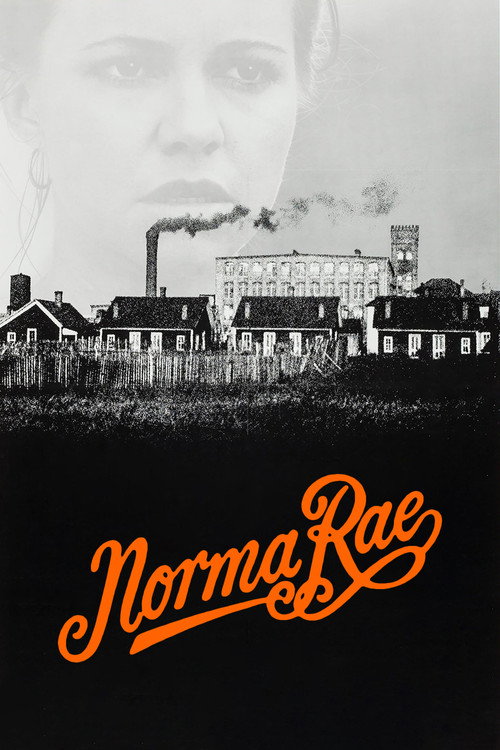
Norma Rae1979
Sally Field as a textile worker fighting for unionization in the South, made the same year as F.I.S.T. with comparable sincerity and period detail. A different path through labor history, less cynical, equally earned.
But It's a feel-good uplift narrative rather than a tragedy. If you're hungry for moral complexity and compromise, this tilts toward redemption.
Not sure tonight? Get a pick in a minute, starting from F.I.S.T.
The wildcard
Something you would not have found on your own.
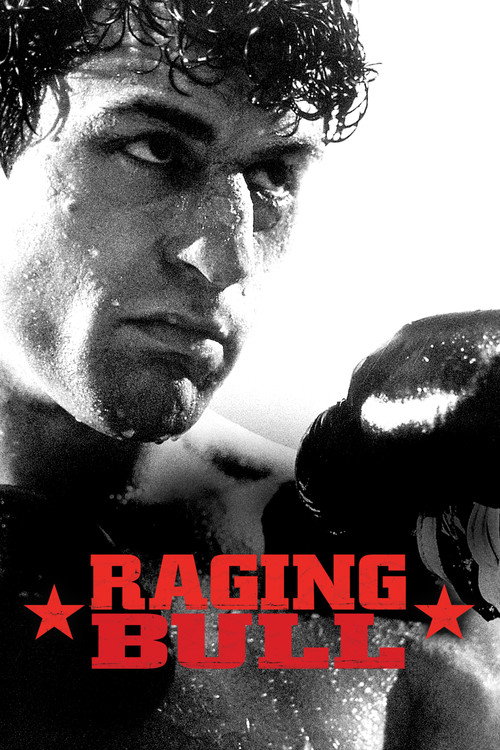
Raging Bull1980
Two 1980-ish American epics about working-class men whose rise is their corruption, told with unflinching formal power and a refusal to prettify ambition.
Scorsese's black-and-white knockout of Jake LaMotta's rage and self-destruction, made the same year as F.I.S.T. Both are about men who claw upward through raw aggression and charisma, only to calcify into something ugly. Both believe in the camera as a weapon.
But It's harsh and repetitive by design. LaMotta's brutality—to others, to himself—never softens into sympathy. Some viewers experience this as nobility, others as exhaustion.
More like this (8)
The Godfather Part II1974
De Niro and Pacino; the machinery of crime woven through American institutional history; the seduction of power across generations. Everything F.I.S.T. explores about moral corruption, but with Coppola's operatic control.
But It's four hours long and demands your full attention. The parallel structure can feel architectural rather than urgent on a first viewing.

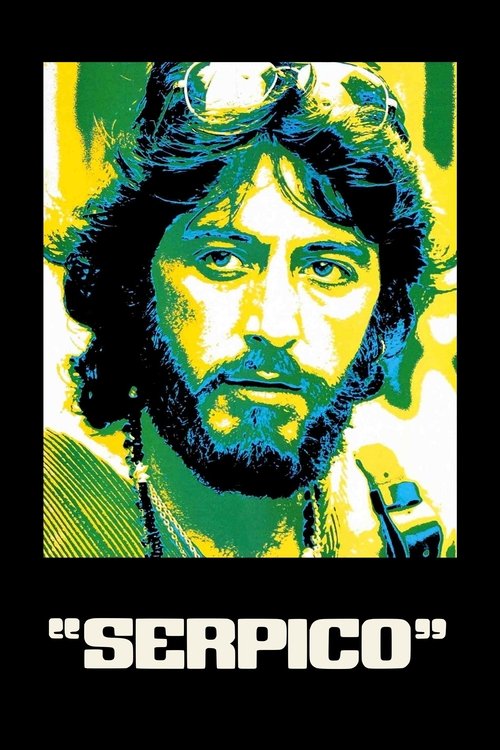
Serpico1973
Al Pacino as a cop fighting institutional corruption from inside. Shares F.I.S.T.'s fascination with how power corrupts from within, and how whistleblowers are crushed by the machinery they challenge.
But It's more focused on individual heroism than structural critique. Some viewers find Pacino's intensity here overwrought.
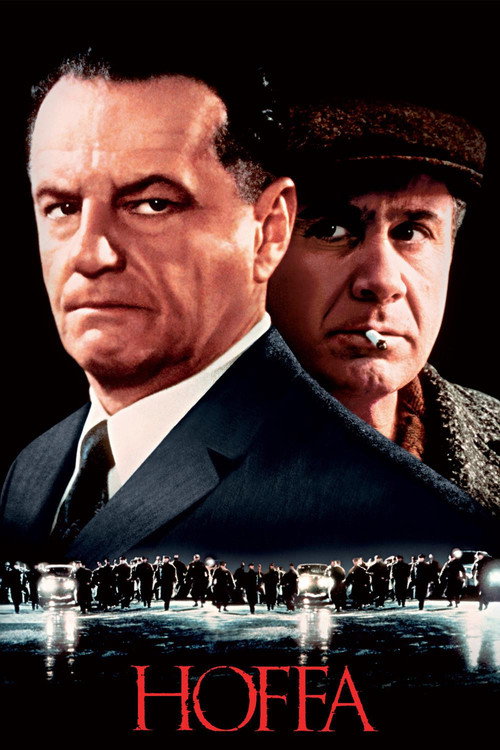
Hoffa1992
Danny DeVito directing Jack Nicholson as Jimmy Hoffa, the Teamster who became legendary and then vanished. A direct fictional companion to F.I.S.T., made by filmmakers who understood the mythology and the stakes.
But Nicholson is performing rather than inhabiting. The film is more portrait than investigation, which some find dramatically inert.
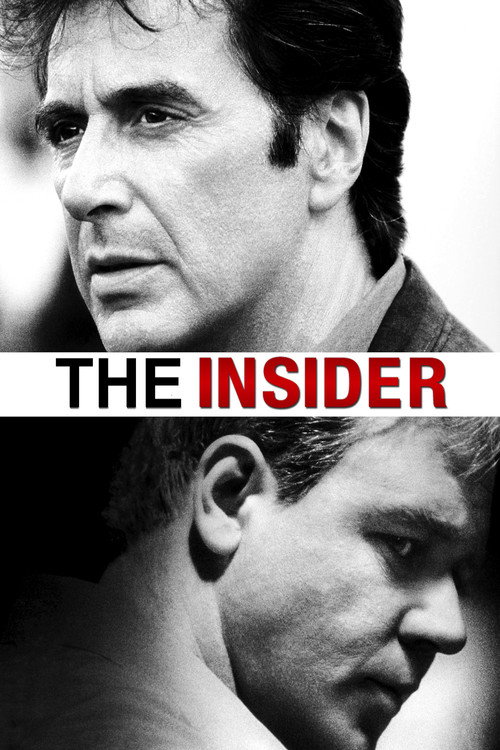
The Insider1999
Russell Crowe as a whistleblower inside Big Tobacco, fighting the corporation and the compromised journalists around him. Modern political drama with the same slow-burn rage and institutional suspicion as F.I.S.T.
But It's a procedural. Long stretches are conference rooms and legal negotiations. If you need momentum, this will test your patience.
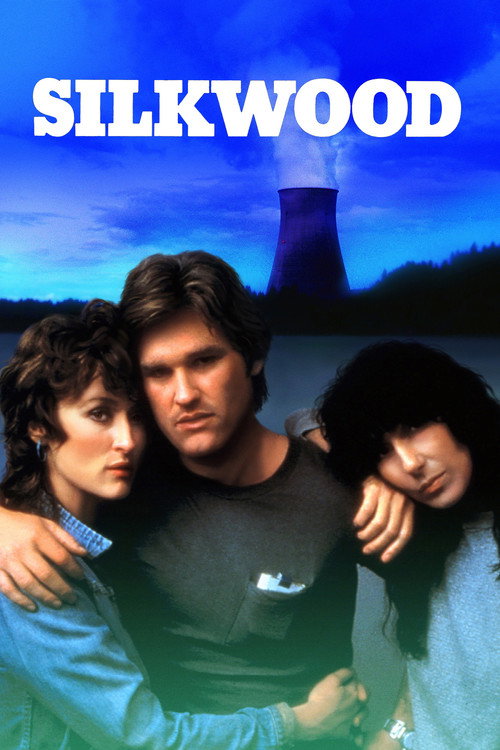
Silkwood1983
Meryl Streep as a nuclear plant worker uncovering safety violations before her suspicious death. Working-class paranoia and institutional evil, made with documentary precision and moral clarity.
But The ending hangs as ambiguity rather than catharsis. Some viewers find the unresolved mystery frustrating rather than haunting.
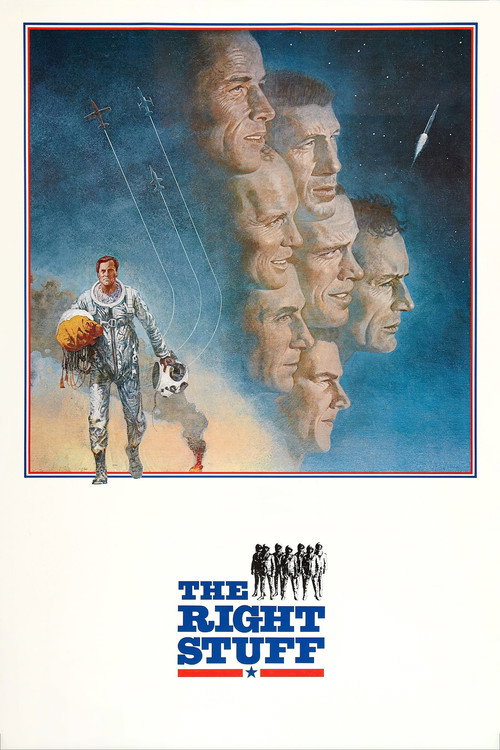
The Right Stuff1983
Philip Kaufman's epic about test pilots and the space race, three hours of American ambition and masculine competition. If you love F.I.S.T.'s willingness to spend time building a world and following power across decades.
But It's a hymn to heroism wrapped in irony. The film's moral center can feel slippery, and some find the whole thing self-congratulatory.
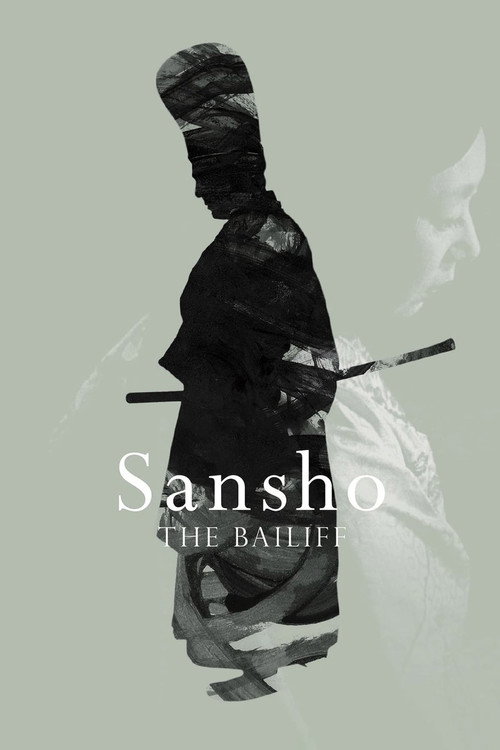
Sansho the Bailiff1954
Both are sweeping accounts of how systems grind people down, but where F.I.S.T. chronicles a man's descent into the machinery, Sansho watches innocents survive it and search for grace.
Mizoguchi's Japanese masterpiece about a family enslaved in feudal Japan, moving through years of injustice with formal grace. It shares F.I.S.T.'s scope and moral seriousness, but approaches institutional evil through compassion rather than rage, finding redemption where Stallone's Johnny finds only hardening.
But The pacing is meditative, almost like watching a scroll unfold. Western viewers sometimes find the emotional reserve distant. Subtitled, and very long.
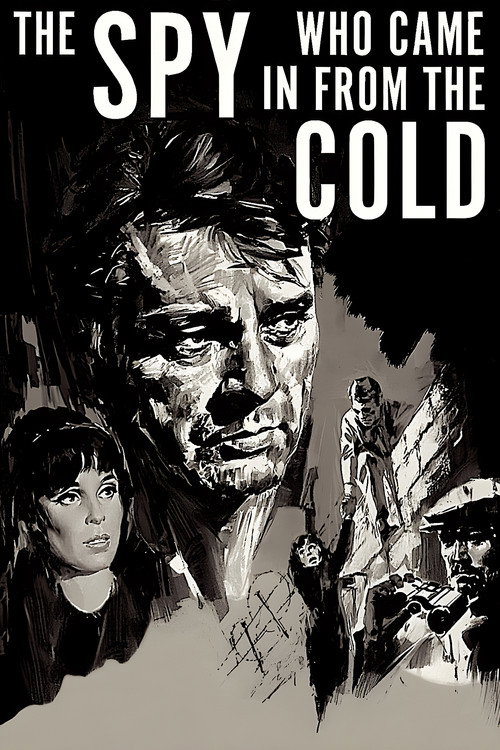
The Spy Who Came In from the Cold1965
Both are about men who climb into systems designed to use them, discovering too late that the machinery doesn't reward loyalty—it devours it.
Based on le Carré's novel, this is Cold War spy craft as bureaucratic moral emptiness, not adventure. Richard Burton as a burned-out operative navigating the machinery of state power—the same fascination with how institutions corrupt, rendered as espionage thriller.
But It's unglamorous and unhurried, built on betrayals that feel inevitable rather than shocking. If you're expecting spy action, you'll find meetings and doubt instead.
People
Cast
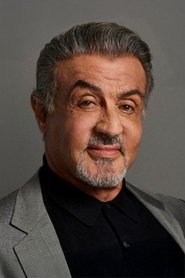 Sylvester StalloneJohn D. 'Johnny' Kovak
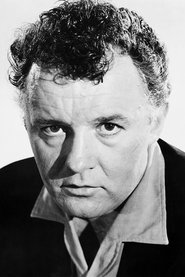 Rod SteigerSen. Andrew Madison
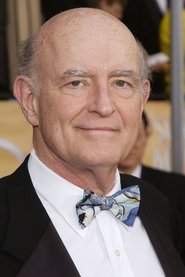 Peter BoyleMax Graham
 Melinda DillonAnna Zarinkas
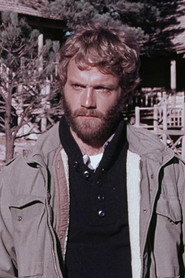 David HuffmanAbe Belkin
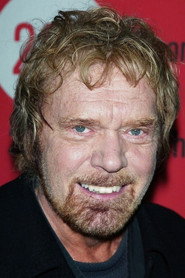 Kevin ConwayVince Doyle
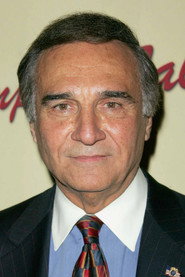 Tony Lo BiancoAnthony 'Babe' Milano
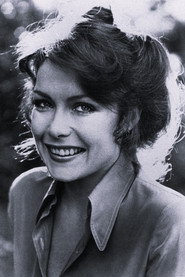 Cassie YatesMolly
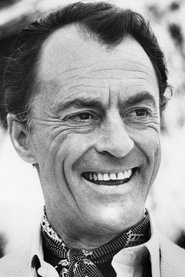 Peter DonatArthur St. Clair
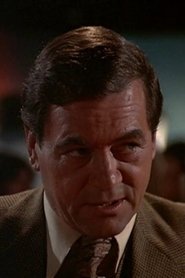 John LehneMr. Gant
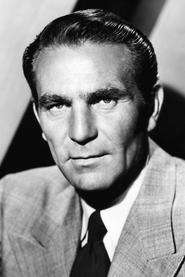 Henry WilcoxonWin Talbot
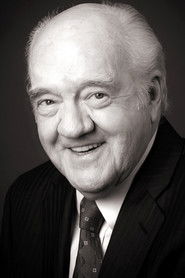 Richard HerdMike Monahan
Directing
- Norman JewisonDirector
- L. Andrew StoneFirst Assistant Director
- Marshall J. WolinsScript Supervisor
- Win PhelpsSecond Assistant Director
Writing
- Joe EszterhasScreenplay
- Norman JewisonScreenplay
- Sylvester StalloneScreenplay
- Joe EszterhasWriter
Production
- Patrick J. PalmerAssociate Producer
- Jane FeinbergCasting
- Mike FentonCasting
- Gene CormanExecutive Producer
- Tom AndresenLocation Manager
- Norman JewisonProducer
- Larry DeWaayProduction Manager