
Film
Blue Collar
Paul Schrader's searing debut about three autoworkers who rob their union, only to discover the real theft happens in plain sight. Angry, funny, and genuinely radical—it treats working-class men with the dignity Hollywood usually reserves for criminals in suits. Essential 70s cinema that still burns.
If you liked this
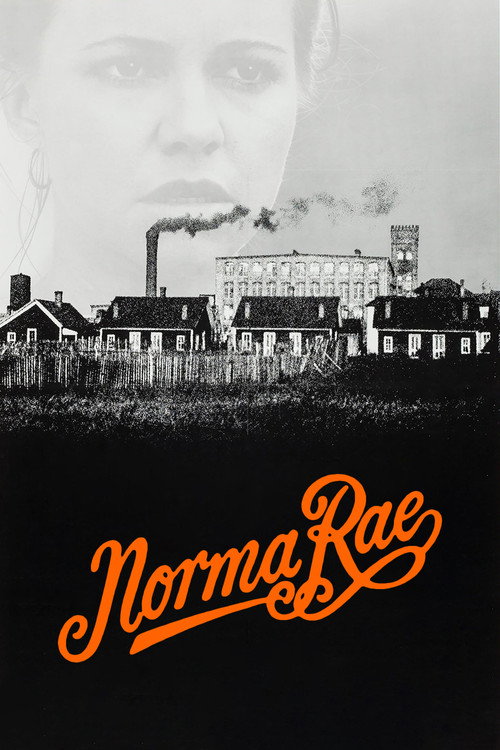
Norma Rae1979
Sally Field as a textile worker fighting unionization with the same raw conviction Pryor brings here. Another film about labor that refuses to condescend to its characters or soften the stakes.
But It's more earnest and less cynical than Blue Collar, which might feel preachy if you're looking for the moral ambiguity and dark humor Schrader provides.
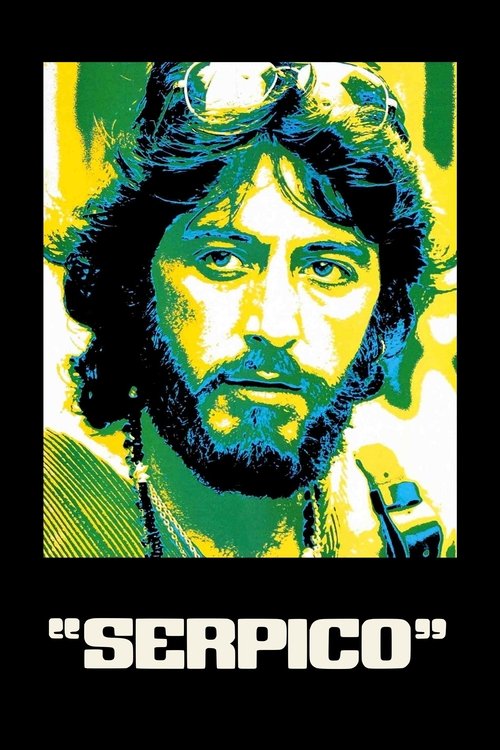
Serpico1973
Al Pacino as a cop crushed by institutional corruption—same DNA as Blue Collar. Systems designed to swallow decent people whole, told with unflinching precision and rage barely contained.
But Longer and slower, with a more procedural pace. Blue Collar moves like a thriller; this one takes its time to let despair accumulate.
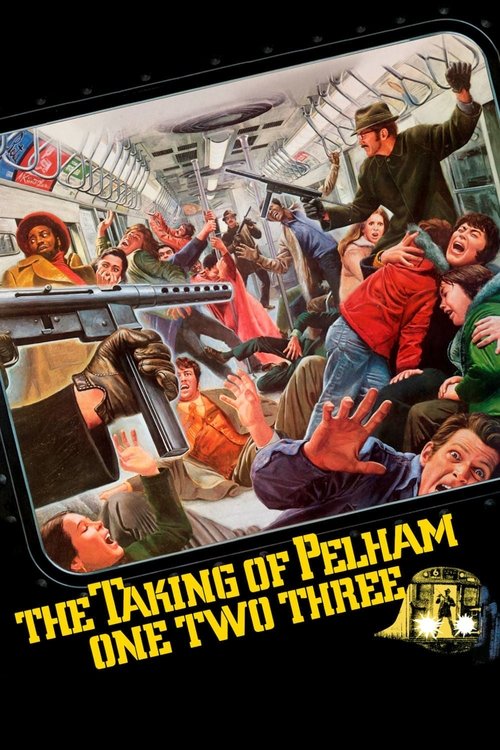
The Taking of Pelham One Two Three1974
A heist with working-class desperation at its core, though told from the cops' side. The same 70s New York grit, the same sense of systems failing everyone except the ruthless.
But It's a suspense machine, not a character study. Less interested in *why* men break than in the mechanics of the break itself.
Not sure tonight? Get a pick in a minute, starting from Blue Collar
The wildcard
Something you would not have found on your own.
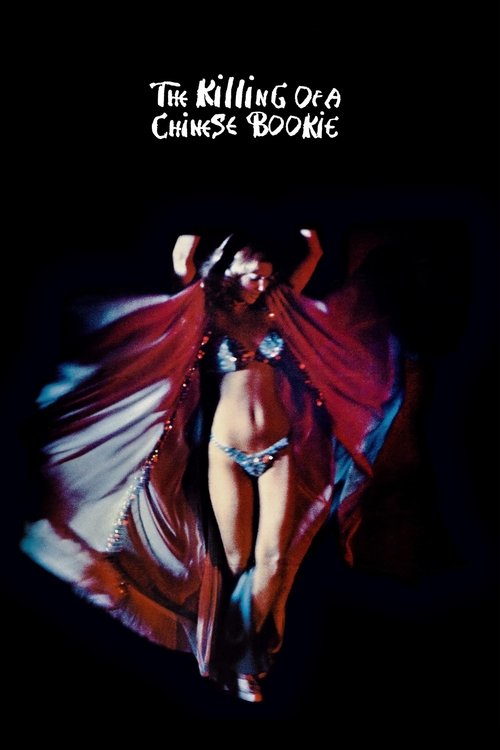
The Killing of a Chinese Bookie1976
Both are portraits of debt as moral quicksand, where owing money becomes a kind of ownership, and both refuse the genre gestures that would make it feel less suffocating.
Cassavetes' fever dream about debt and obligation. Incomparably strange, formally reckless, but driven by the same desperation as Blue Collar—men crushed by money owed to the wrong people, with nowhere to run.
But It's barely a narrative at all—more like watching someone's nightmare. No plot engine, no dramatic structure to grab hold of. Cassavetes asks you to swim in mood without a life raft.
More like this (7)
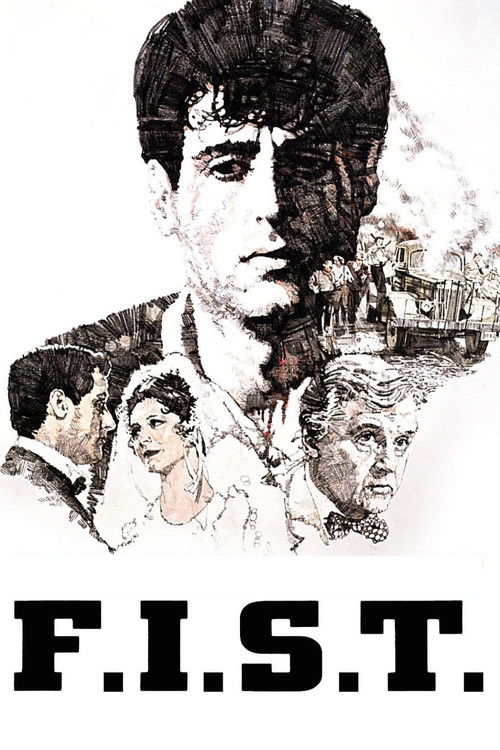
F.I.S.T.1978
Stallone in a sweaty, unglamorous role as a union organizer watching idealism curdle into corruption. Made the same year as Blue Collar and equally savage about institutions that claim to protect the working man.
But Stallone's performance is functional rather than revelatory, and the film takes a while to find its rhythm in the first hour.
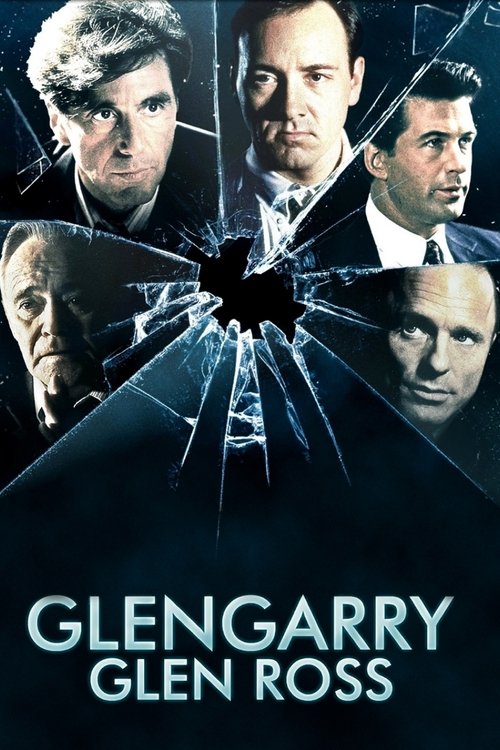
Glengarry Glen Ross1992
Different milieu—real estate instead of automaking—but the same anatomy of desperation. Men grinding against systems that profit from their humiliation, all of it nakedly transactional.
But It's theatrical and talky, almost all argument and pressure. Blue Collar has momentum; this one is a pressure cooker that never quite builds steam.
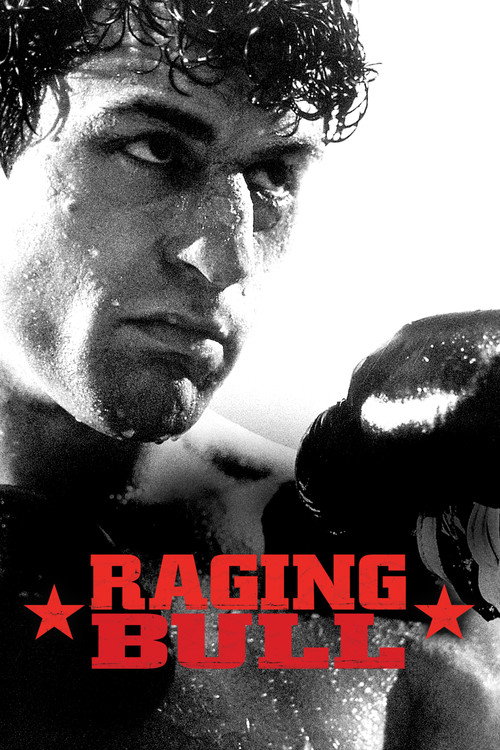
Raging Bull1980
Scorsese and De Niro capturing masculine rage and self-destruction with the same unflinching intensity Schrader brought to Blue Collar. Brutal, formally inventive, and utterly unsentimental about its subject.
But It's oblique and impressionistic where Blue Collar is direct. The narrative dissolves into mood and violence rather than following a clear dramatic arc.
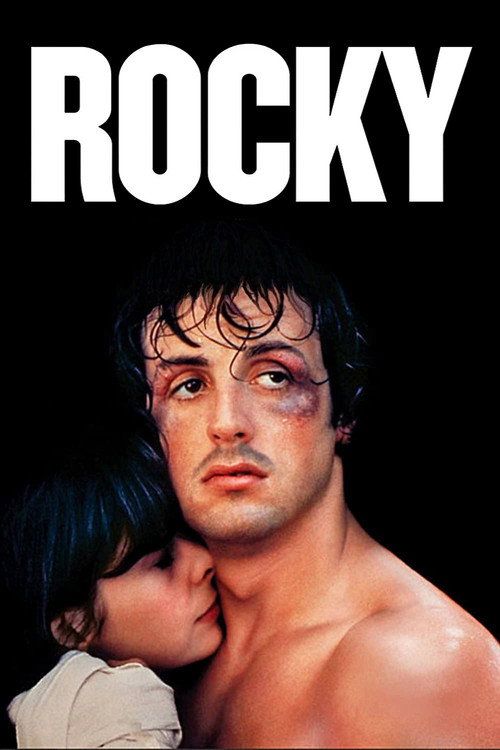
Rocky1976
Stallone as a working-class man trying to climb out—but where Blue Collar is about the trap, Rocky is about the dream. Still, it's shot through with genuine class consciousness and an unironic love for regular people.
But It's fundamentally optimistic, even sentimental. Blue Collar's cynicism and this film's faith in transcendence pull in opposite directions entirely.
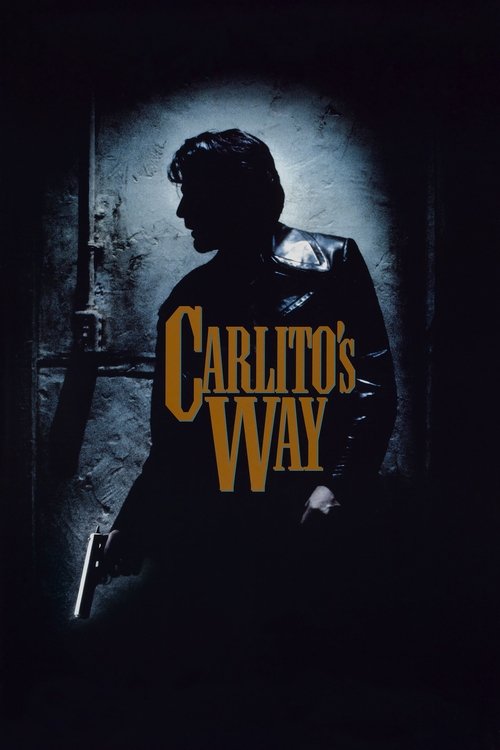
Carlito's Way1993
Al Pacino again, but this time from inside the corruption. A man trying to escape a system that won't let him go. Same moral vertigo as Blue Collar, though the criminal world is more seductive here.
But It's a crime thriller first, a character study second. The plot machinery sometimes overwhelms the quiet desperation underneath.
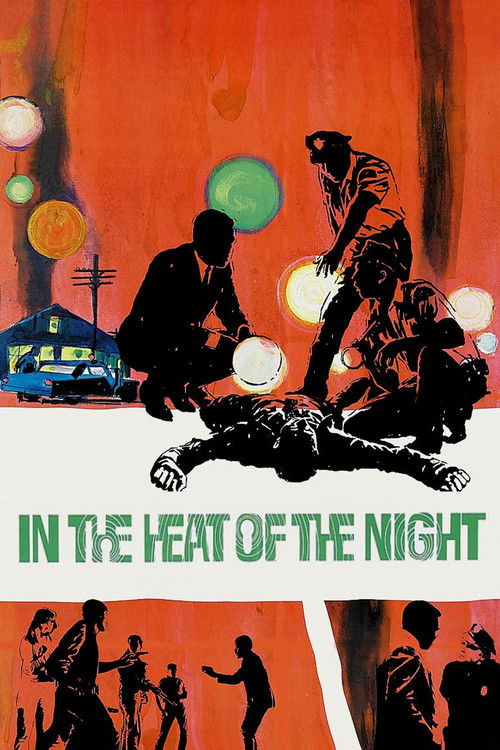
In the Heat of the Night1967
Sidney Poitier and Rod Steiger as men trapped in systems larger than their conflict with each other. It has Blue Collar's insistence that institutions corrupt everyone inside them, regardless of rank.
But The formal investigation plot can feel dated now, and it's more interested in moral clarity than Blue Collar's murk and contradiction.
La Haine1995
Both films argue that institutional violence is structural, not incidental, and both center the friendship between men as a response to being written off by everyone in power.
A 24-hour chronicle of three men from the banlieue after a riot. It has Blue Collar's structure—solidarity among the working poor—but filtered through rage about race and exclusion. Shot in black-and-white with a kinetic energy that feels almost unbearable.
But It's formally challenging and uncompromising about both style and content. The social critique is direct and makes no allowances; some will find it didactic.

People
Cast
 Richard PryorEzekiel 'Zeke' Brown
 Harvey KeitelJerry Bartowski
 Yaphet KottoSam 'Smokey' James
 Ed Begley Jr.Bobby Joe
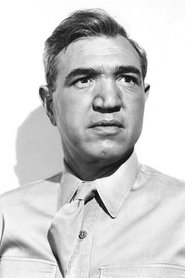 Harry BellaverEddie Johnson
 George MemmoliJenkins
 Lucy SaroyanArlene Bartowski
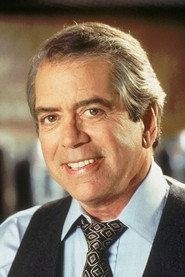 Lane SmithClarence Hill
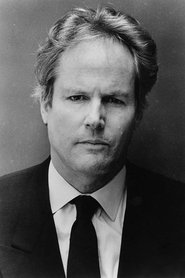 Cliff DeYoungJohn Burrows
- Borah SilverDogshit Miller
 Chip FieldsCaroline Brown
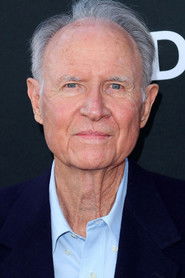 Harry NorthupHank
Directing
- Paul SchraderDirector
- Rusty MeekFirst Assistant Director
- Wallace C. BennettScript Supervisor
- Daniel FranklinSecond Assistant Director
Writing
- Sydney A. GlassOriginal Concept
- Leonard SchraderScreenplay
- Paul SchraderScreenplay
Production
- David NicholsAssociate Producer
- Vic RamosCasting
- Robin FrenchExecutive Producer
- Don GuestProducer
- Bonnie BruckheimerProducer's Assistant
- David HobermanProduction Executive
- Rusty MeekProduction Manager