
Film
Gung Ho
A 1986 comedy-drama about culture clash when a Japanese auto company takes over a struggling Pennsylvania plant. Michael Keaton plays the well-meaning liaison caught between stubborn American workers and exacting Japanese management. It's earnest and funny, occasionally clumsy but genuinely interested in both sides—a film that believes people of goodwill can bridge almost anything.
Should you watch it?
Watch it if you enjoy workplace comedies where the humor comes from two stubborn cultures colliding over ordinary factory routines, with Michael Keaton's fast-talking everyman carrying the scenes.
Skip it if you want sharp, modern pacing; this 1986 comedy moves at an older speed, and its broad cultural gags can feel dated or leaning on stereotype.
What it asks of you: It runs about under two hours and rewards patience with its slower setup, asking you to enjoy the back-and-forth of office and shop-floor friction more than big set pieces.
Not sure? Find tonight's pick in a minute.
If you liked this
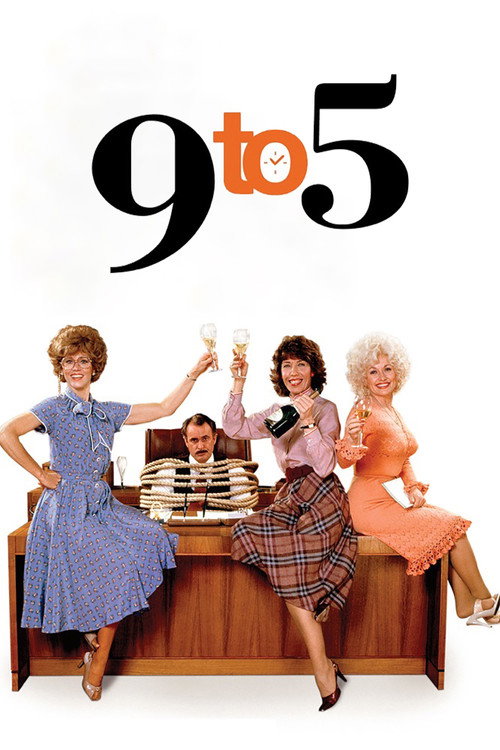
Nine to Five1980
Another workplace comedy that finds real warmth in the tension between workers and management, with Keaton's sincere everyman energy echoing across time. Smart and funny about the systems that grind people down.
But The broad comedy style hasn't aged perfectly, and some satirical targets feel soft by today's standards.
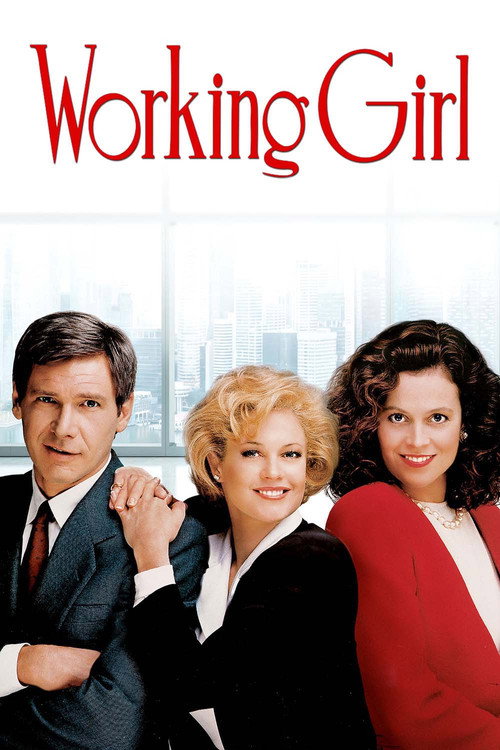
Working Girl1988
Released just after Gung Ho, it shares the same DNA: workplace comedy with genuine stakes, a protagonist trying to navigate between worlds, and a belief that character and determination matter. Melanie Griffith is radiant.
But The 1980s corporate-climb fantasy can feel dated, and the romance subplot overwhelms the plot's best bits.
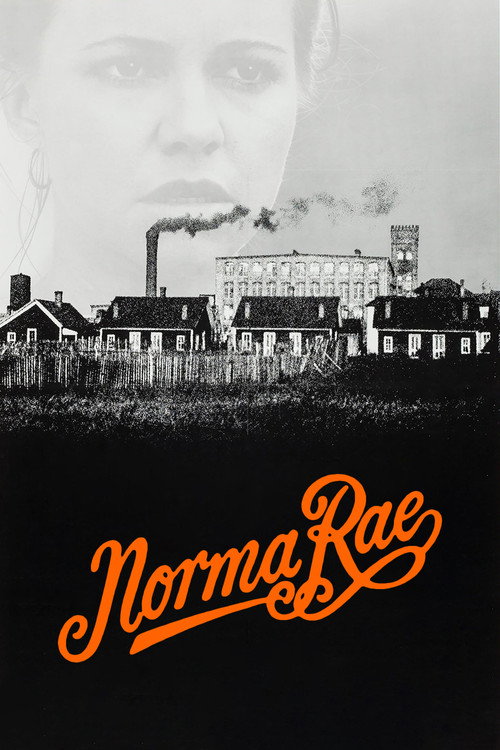
Norma Rae1979
Sally Field in a drama about factory workers fighting for dignity against corporate indifference. It has Gung Ho's serious underneath—the real human cost of labor disputes, the strain on families and communities.
But It's earnest in a way that can feel heavy-handed; the film never questions its own righteousness.
Not sure tonight? Get a pick in a minute, starting from Gung Ho
The wildcard
Something you would not have found on your own.
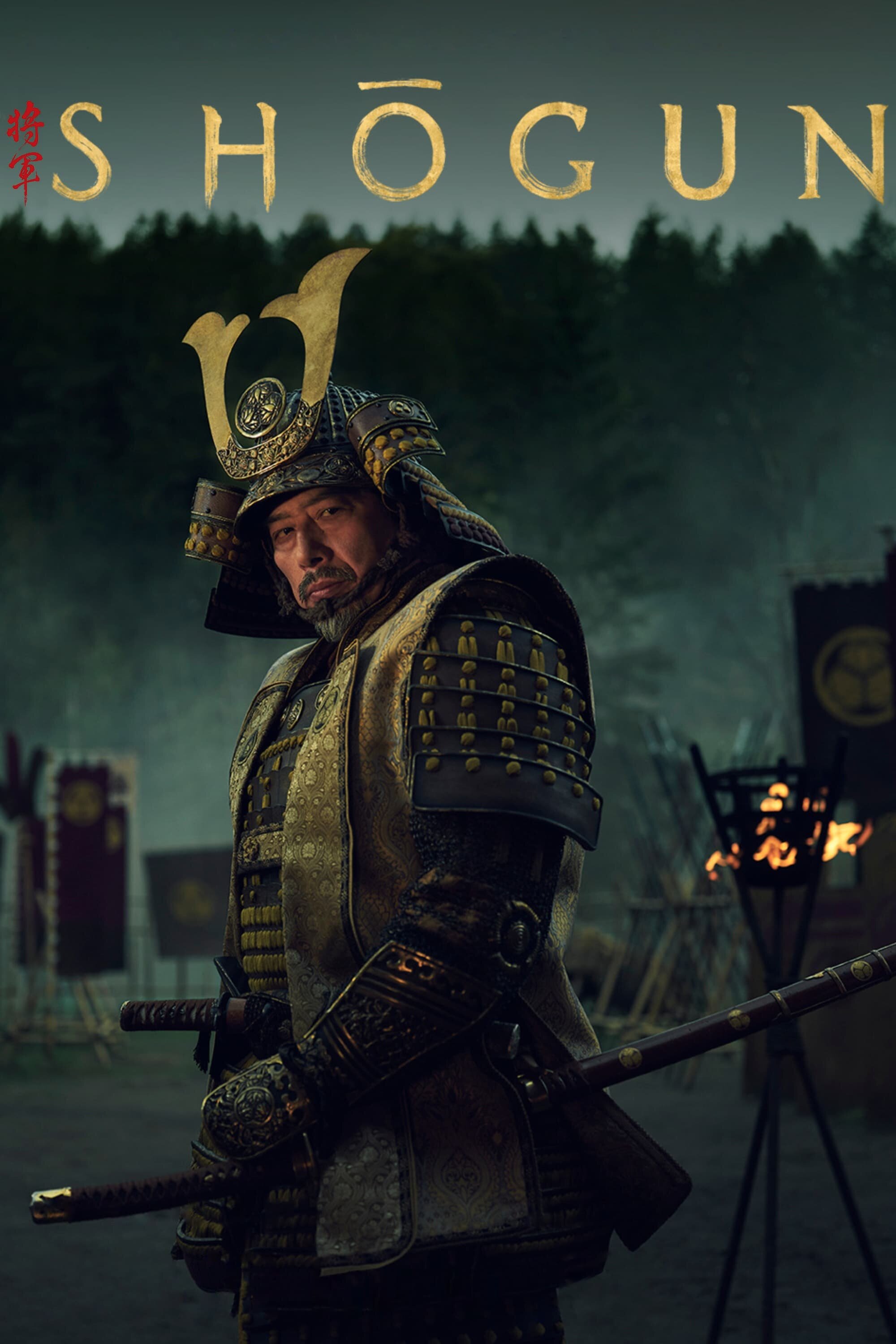
Shōgun2024
Both films are fundamentally about the collision and possible synthesis of American and Japanese worldviews, and whether goodwill can bridge them. Shogun takes the question far more seriously and darkly.
A five-hour miniseries about an English navigator stranded in feudal Japan, learning to navigate an entirely foreign culture and value system. It's the reverse image of Gung Ho—an American learning Japanese ways rather than the inverse—and explores with real complexity what it means to genuinely understand another culture.
But It's slow, episodic, and demands patience. The romanticisation of feudal Japan and some of the casting choices haven't aged well. Watching it requires a genuine appetite for historical immersion.
More like this (8)
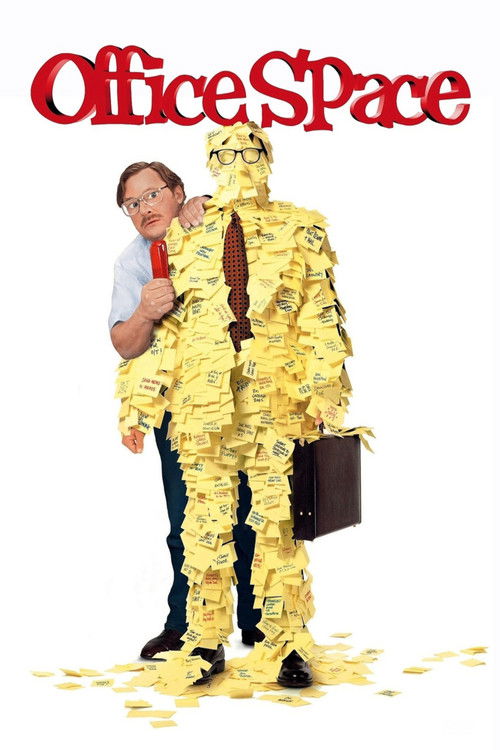
Office Space1999
Mike Judge's satire of corporate American bureaucracy is sharper and funnier than Gung Ho, but shares its fascination with the collision between human beings and systems. The frustration feels earned rather than performed.
But It's cynical where Gung Ho is hopeful—a completely different emotional temperature might disappoint you.
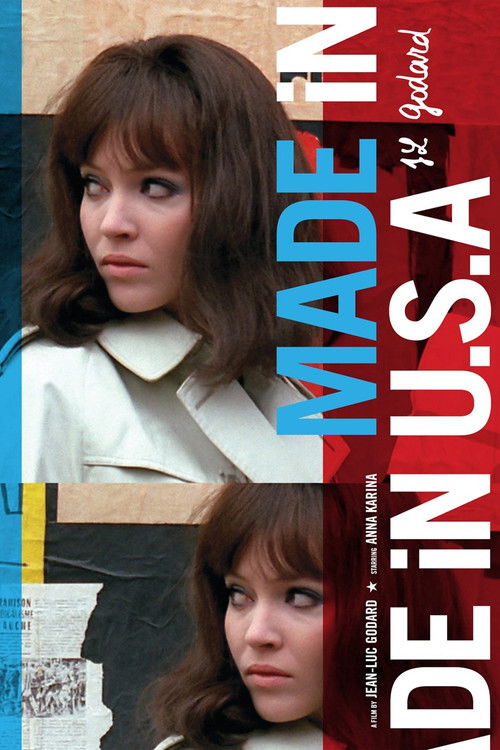
Made in U.S.A1967
Godard's anarchic comedy about American capitalism and consumer culture, with a visual and tonal wildness Gung Ho approaches but never quite reaches. Fascinating companion piece about America and outsiders' perceptions of it.
But It's deliberately incoherent and often impenetrable; patience with formal experimentation is essential.
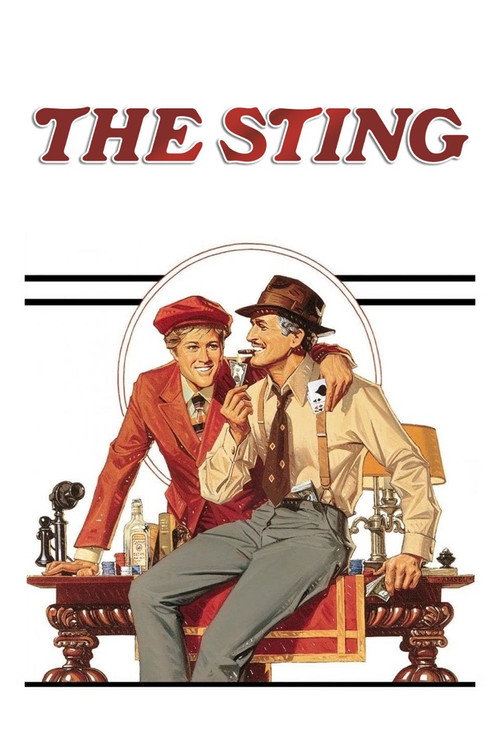
The Sting1973
A con-artist ensemble comedy from the same era, with the same warmth toward its working characters and the same belief that cleverness and camaraderie can win the day. Paul Newman and Robert Redford have the same good-guy energy Keaton brings.
But The plot is deliberately convoluted and the pace sometimes meanders. You have to enjoy the character interplay more than forward momentum.
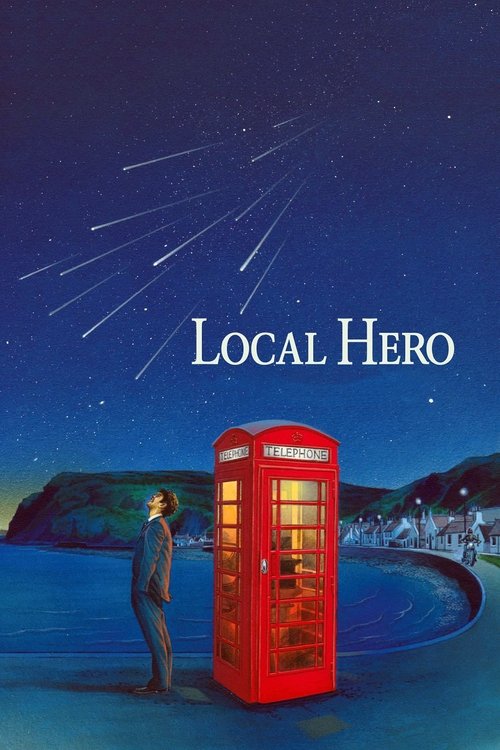
Local Hero1983
Bill Forsyth's gentle comedy about an American oil company executive trying to smooth over a Scottish village's resistance to industrial development. Same mediation theme, same belief in understanding across divides, warmer and looser than Gung Ho.
But It moves very slowly and has almost no conventional dramatic tension. Requires patience and affection for small moments.
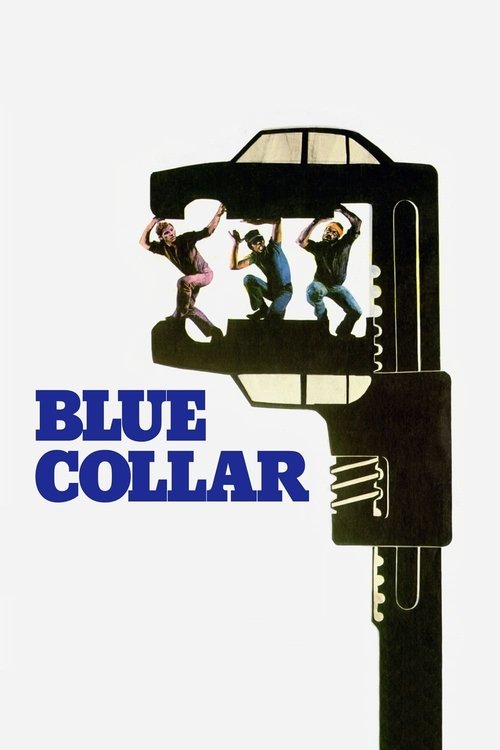
Blue Collar1978
Richard Pryor and Harvey Keitel in a blue-collar drama about autoworkers trying to game the system. It has Gung Ho's workplace setting but much darker teeth—no neat resolutions, much more cynical about corporate power and union corruption.
But It's bleak in a way that builds dread rather than laughs. Tonally miles from Gung Ho's hopefulness.
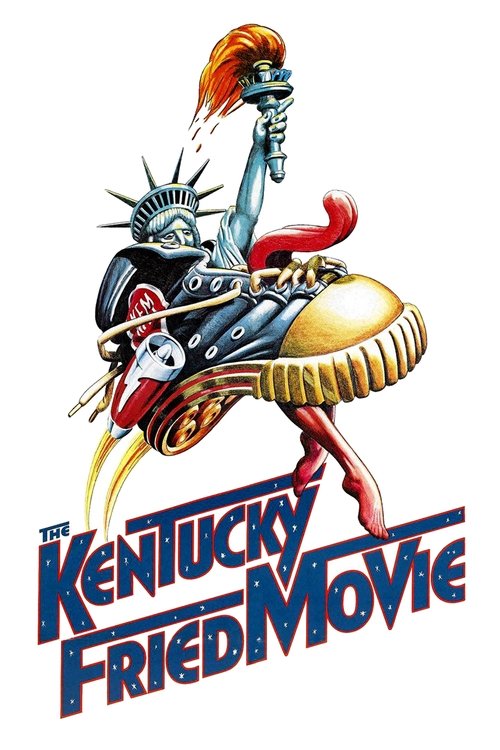
The Kentucky Fried Movie1977
An absurdist sketch-comedy film that includes a satirical take on Japanese corporate efficiency and American incompetence. Crude and scattered, but it's chasing similar cultural comedy from a completely different angle.
But It's a collection of uneven sketches; very few land, and the humour is often juvenile and offensive. Requires a taste for '70s sketch comedy anarchy.
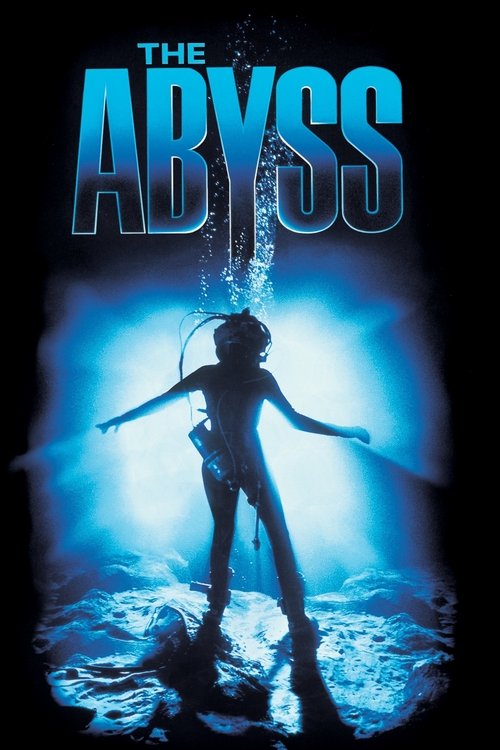
The Abyss1989
Both films centre blue-collar workers and their dignity in high-stakes corporate environments. Both believe in camaraderie and ingenuity as responses to systemic pressure.
James Cameron's sci-fi thriller set in an undersea facility where American riggers and engineers must collaborate under impossible pressure. It has Gung Ho's fascination with how ordinary working people behave when systems fail and human connection becomes the only currency that matters.
But It's a long, technically ambitious film that subordinates character to spectacle; the underwater sequences can feel more important than the marriage drama at its heart. Some find it bloated.
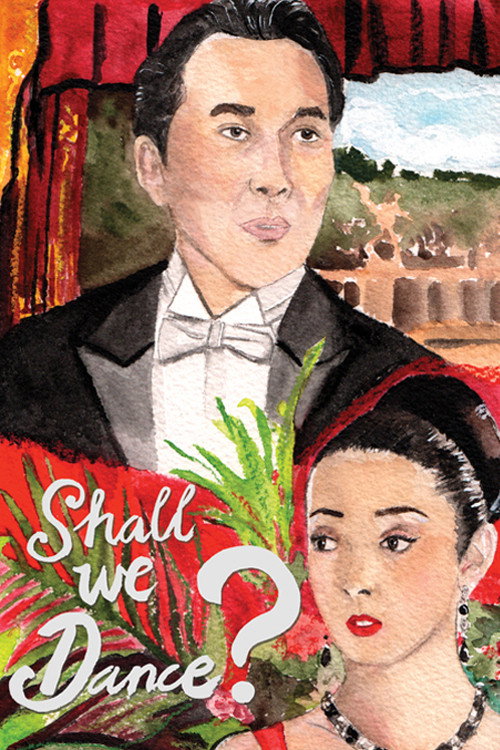
Shall We Dance?1996
Like Gung Ho, it's genuinely interested in Japanese work culture and the human cost of corporate conformity. It approaches the theme from inside that world rather than from an American perspective, offering the other half of the conversation.
A Japanese film about a middle-aged businessman who takes up ballroom dancing, exploring the rigidity of corporate duty versus the messiness of personal desire and self-expression. It's achingly gentle and funny, with real affection for its characters' internal conflicts.
But It's a quieter film about small emotional shifts; plot is minimal. English-language viewers may find the pacing glacial, and subtitles require attention throughout.
People
Cast
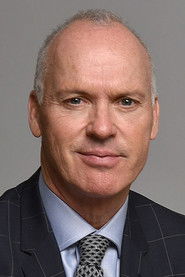 Michael KeatonHunt Stevenson
 Gedde WatanabeOishi Kazihiro
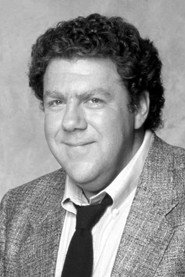 George WendtBuster
 Mimi RogersAudrey
 John TurturroWillie
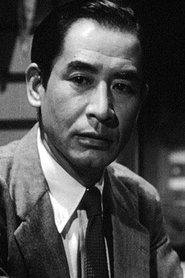 So YamamuraMr. Sakamoto
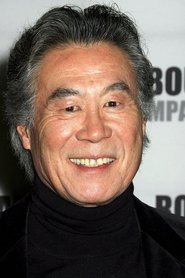 Sab ShimonoSaito
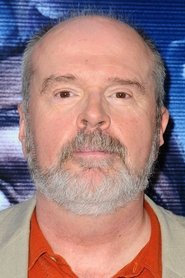 Rick OvertonGoogie
 Clint HowardPaul
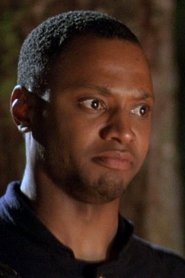 Jihmi KennedyJunior
 Michelle JohnsonHeather DiStefano
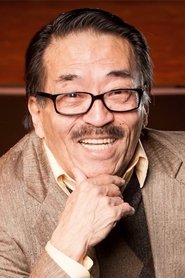
Directing
- Ron HowardDirector
- Carline Davis-DyerScript Supervisor
- Lillian O. MacNeillScript Supervisor
Writing
- Babaloo MandelScreenplay
- Lowell GanzScreenplay
- Babaloo MandelStory
- Edwin BlumStory
- Lowell GanzStory
Production
- Babaloo MandelAssociate Producer
- Jan R. LloydAssociate Producer
- Lowell GanzAssociate Producer
- Karen ReaCasting
- Glenn F. HainesCasting Assistant
- Ron HowardExecutive Producer
- Michael John MeehanLocation Manager
- Deborah BlumProducer
- Tony GanzProducer
- Carlos OlveiraProduction Manager
- Neil MachlisProduction Manager