
Film
Sansho the Bailiff
Sansho the Bailiff is Kenji Mizoguchi's 1954 masterpiece, a slow-burning folk tragedy about a family torn apart and the quiet endurance of mercy in a world built on cruelty. The camera drifts rather than cuts, the sorrow accumulates rather than erupts, and by the end it carries the weight of scripture. Watch it patient, watch it alone, and let it work on you slowly.
If you liked this
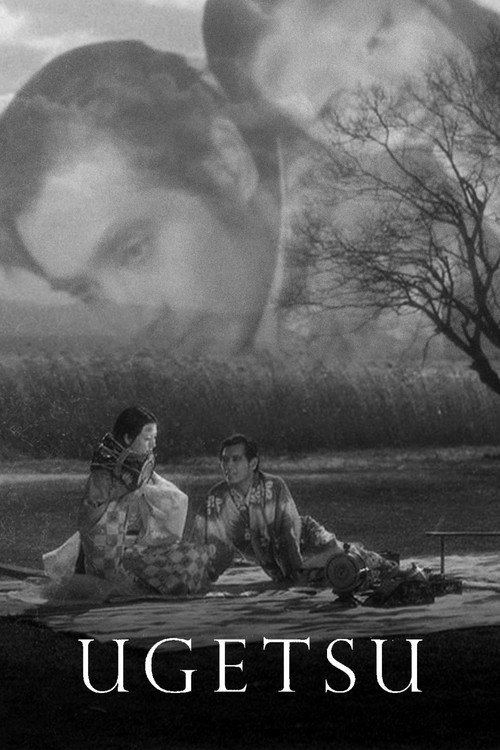
Ugetsu1953
Mizoguchi's other masterpiece, made the year before, fuses a ghost story with the ravages of war into something just as heartbreaking and just as visually sublime — if Sansho moved you, this is the necessary companion piece.
But It's another slow, sorrowful period piece from the same director, so if the pace of Sansho wore you down, this won't feel like a change of pace.
The Life of Oharu1952no page yet
Mizoguchi again, tracking one woman's fall through every rung of feudal cruelty with the same unbroken, gliding camera — a portrait of endurance that's somehow even bleaker than Sansho.
But Unrelenting misery with almost no relief; it asks a lot of patience and offers very little comfort in return.
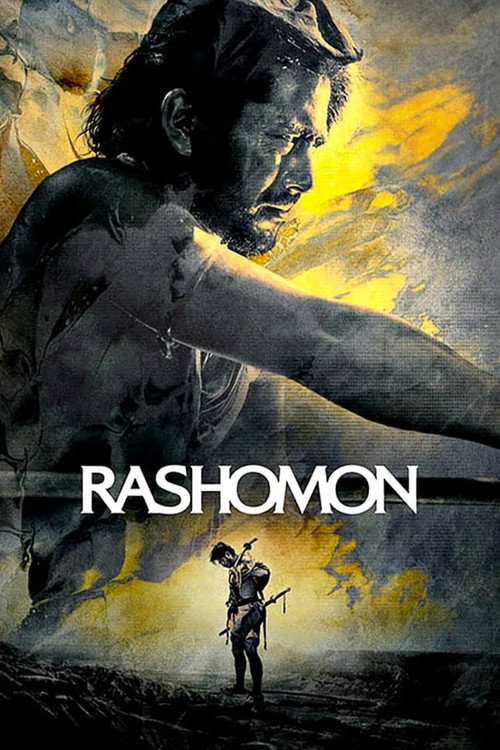
Rashomon1950
Kurosawa's feudal-Japan classic turns the same setting into a puzzle about truth and self-interest, sharp and playful where Mizoguchi is patient and grave, but every bit as essential.
But The structural gamesmanship is a world away from Sansho's straightforward tragedy — go in expecting a mystery, not a lament.
The wildcard
Something you would not have found on your own.
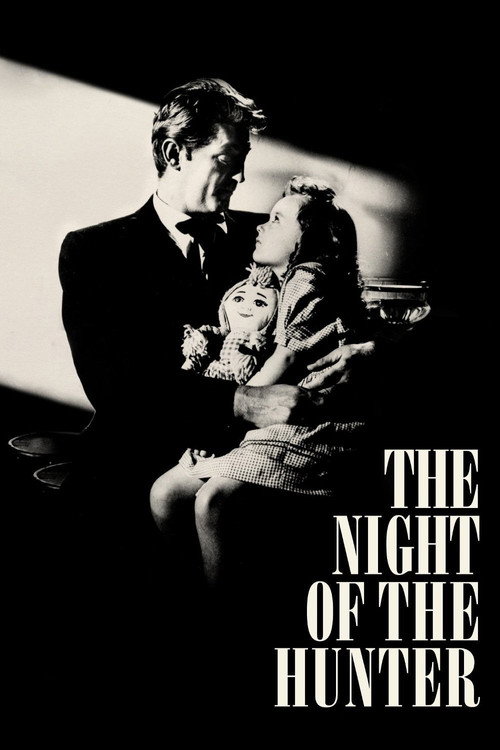
The Night of the Hunter1955
Both are folk tales about children hunted by cruelty that has borrowed the costume of legitimate power, and about the fragile adults who shelter them anyway — Mizoguchi tells it as elegy, Laughton tells it as fever dream.
A Southern Gothic thriller where a preacher with LOVE and HATE tattooed on his knuckles hunts two children through the American backwoods — the same fable of innocence stalked by cruelty wearing authority's clothes, just dressed as noir horror instead of period tragedy.
But It's stylised and expressionist where Sansho is patient realism; the shift in tone from lament to nightmare might feel jarring.
More like this (8)
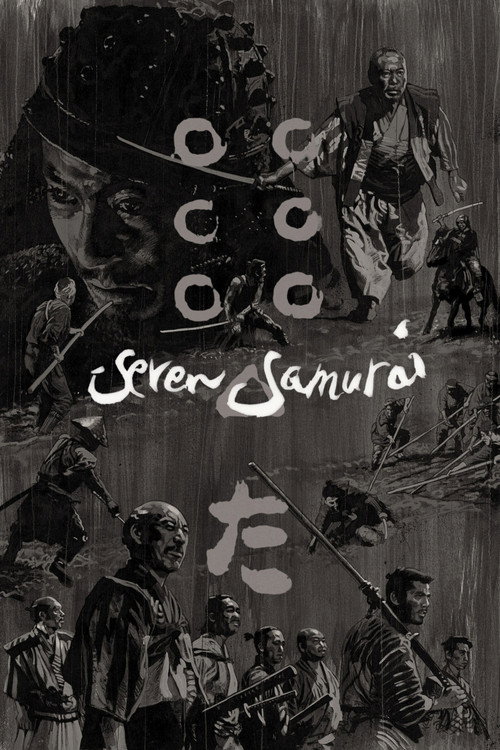
Seven Samurai1954
Made the same year, set in the same crumbling feudal world, but swaps meditation for momentum — a three-hour epic about honour, duty and ordinary people caught beneath men with swords.
But It's action where Sansho is stillness; if you came for the ache, the swordplay might feel like a different film entirely.
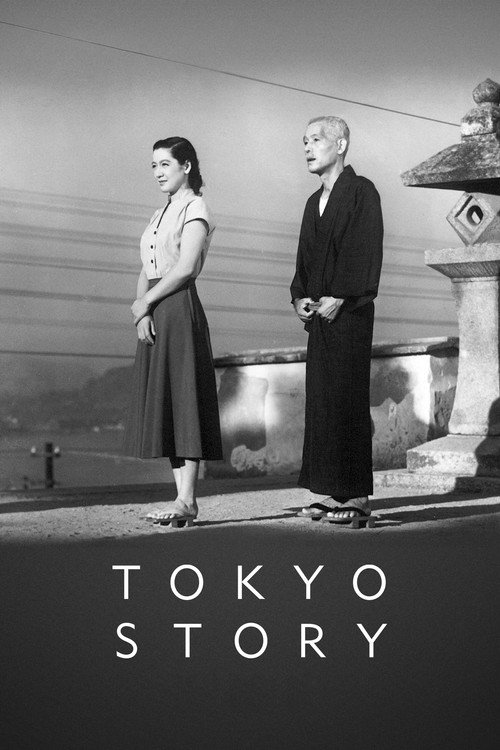
Tokyo Story1953
Ozu's quietest gut-punch, about parents gently discarded by their grown children, shares Mizoguchi's era, restraint and refusal to raise its voice even as it wrecks you.
But Nothing dramatic happens on the surface; if you need incident, this will feel achingly uneventful.
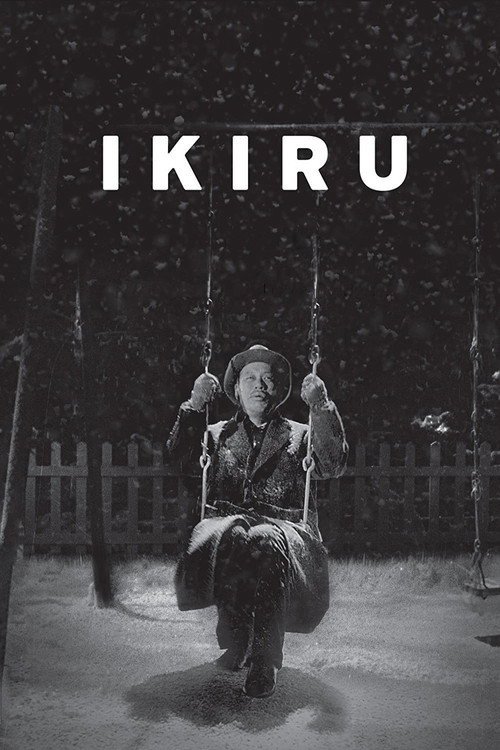
Ikiru1952
Kurosawa's study of a dying bureaucrat searching for meaning shares Sansho's interest in what decency costs and what it's worth, delivered with real warmth amid the sorrow.
But It trades tragedy for a slow, hopeful redemption arc — less devastating, more consoling, if that's not what you're after.
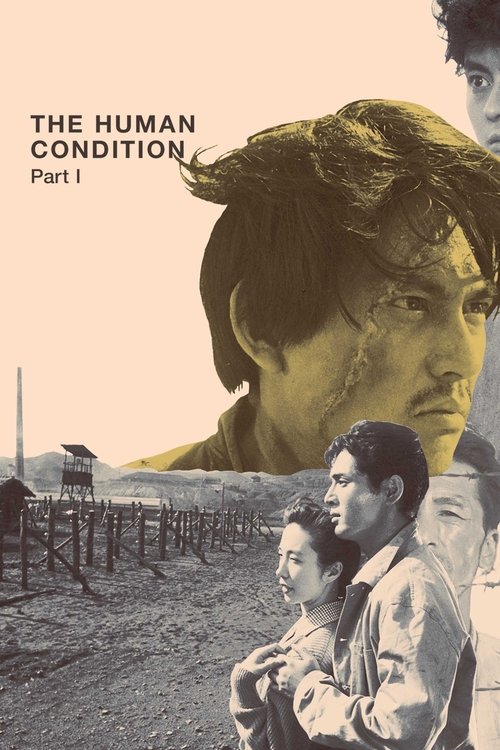
The Human Condition I: No Greater Love1959
Kobayashi's nine-hour trilogy follows one decent man crushed by militarism and bureaucracy across war and imprisonment — an even vaster canvas for the same question of conscience under cruelty.
But Nine hours across three films is a serious commitment, and the despair only deepens as it goes.
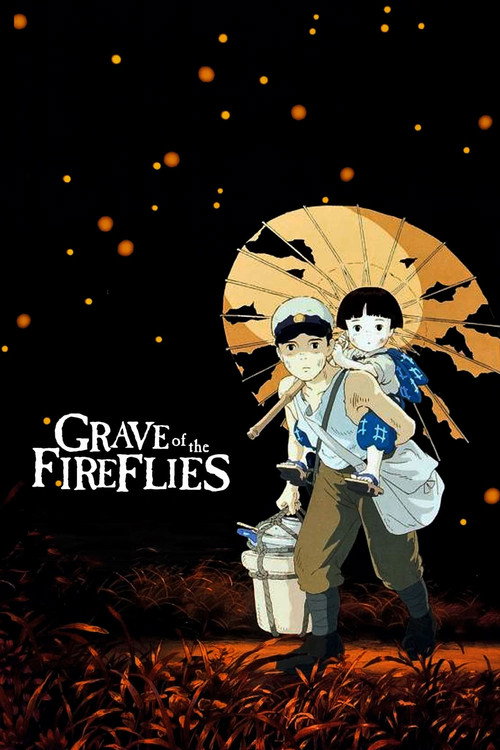
Grave of the Fireflies1988
An animated wartime tragedy about siblings abandoned by a collapsing society — devastating in an entirely different register, proof the same sorrow works even drawn by hand.
But It's frequently cited as one of the most upsetting films ever made; go in braced, not casually.
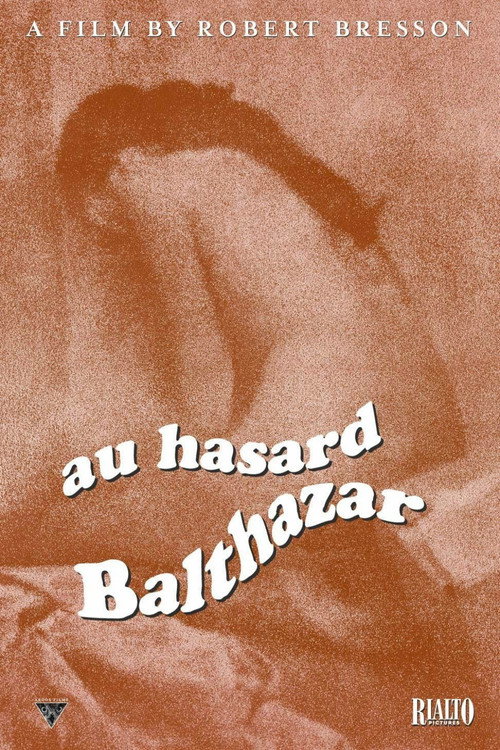
Au Hasard Balthazar1966
Bresson's parable of a donkey passed from owner to owner, absorbing cruelty and grace in equal measure, is Sansho's closest cousin in spirit — suffering as a kind of sainthood.
But Bresson's flat, affectless style is an acquired taste; it can feel cold rather than moving on a first watch.
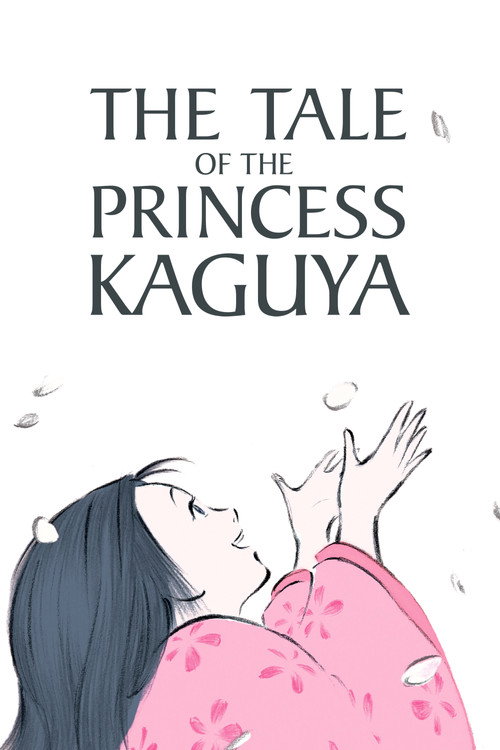
The Tale of The Princess Kaguya2013
Both draw on centuries-old Japanese oral folklore about girls and families undone by fate and social cruelty, and both trust silence and stillness over dialogue to carry grief — one with a camera that glides, the other with a brush that trembles.
Studio Ghibli's hand-painted, watercolour retelling of an ancient Japanese folk tale follows a girl pulled from a simple life into a cruel, gilded world that slowly grinds down her spirit — the same ache, rendered in ink instead of black-and-white realism.
But The animation is loose and painterly rather than polished Ghibli house style, and some viewers find the melancholy meandering rather than gripping.
Way Down East1920no page yet
It's an ancestor rather than a cousin: the same tableau-like staging of suffering, the same faith that endurance itself is the drama, decades before Mizoguchi refined it into something quieter and more devastating.
D.W. Griffith's silent melodrama, made over three decades before Sansho, follows a country girl deceived, disgraced and cast out by a society built to punish the innocent — the same architecture of virtue ground down by institutional cruelty, staged as pure silent-era spectacle.
But Silent, melodramatic and nearly two and a half hours, with acting styles and pacing that feel genuinely archaic now — this asks real patience from a modern audience.
People
Cast
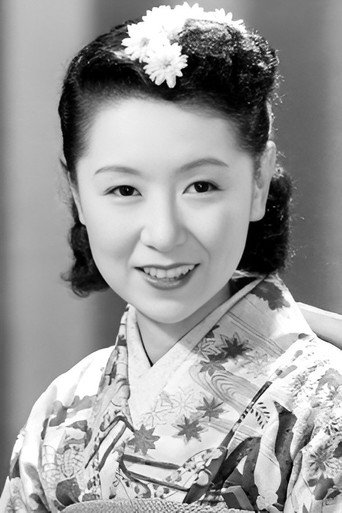 Kinuyo TanakaTamaki
- Yoshiaki HanayagiZushiô
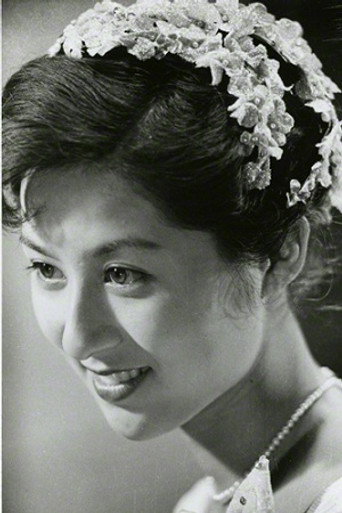 Kyōko KagawaAnju
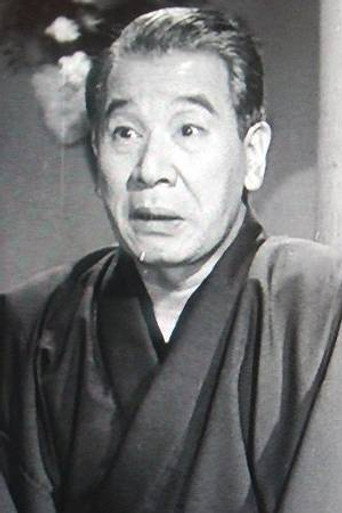 Eitarō ShindōSanshô dayû
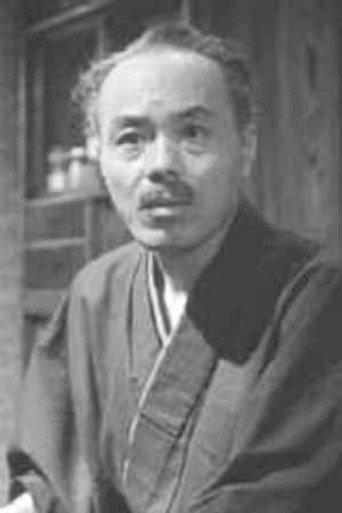 Ichirō SugaiMinister of Justice
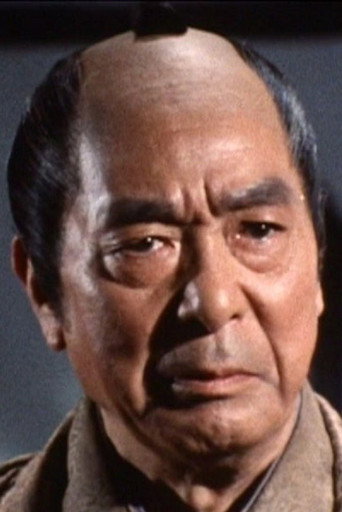 Bontarō MiakeKichiji
- Yōko KozonoKohagi
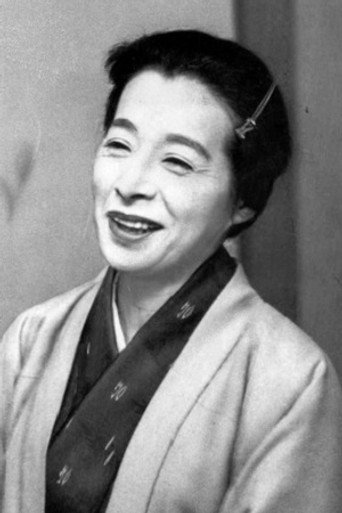 Chieko NaniwaUbatake
- Kikue MōriPriestess
- Ken MitsudaPrime Minister Fujiwara
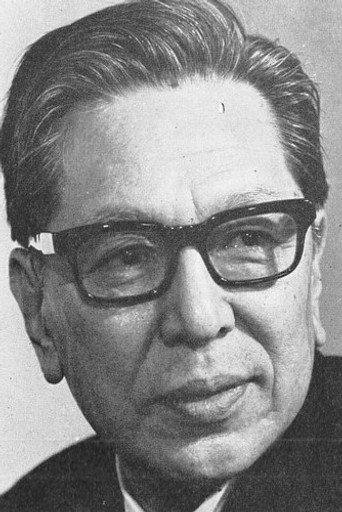 Masao ShimizuMasauji Taira
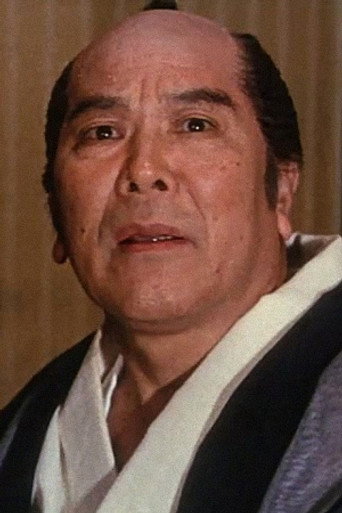 Ryōsuke KagawaRitsushi Kumotake
Directing
- Tokuzō TanakaAssistant Director
- Kenji MizoguchiDirector
Writing
- Mori OgaiOriginal Story
- Fuji YahiroScreenplay
- Yoshikata YodaScreenplay
Production
- Masaichi NagataProducer
Recommended by
Lone Wolf and Cub: Sword of Vengeance, Lady Snowblood, Kuroneko, Wolf Children, Ugetsu, Samurai Rebellion