
Film
The Karate Kid Part III
The third karate chapter finds Daniel and Mr. Miyagi facing off against a vengeful Kreese and a wealthy new rival. It's pure '80s melodrama wrapped in martial arts tournament spectacle—sincere, occasionally clumsy, but genuinely entertaining if you're already invested in these characters. For fans of the original who want more of the same.
Should you watch it?
Watch it if you still have a soft spot for a sincere mentor-and-student story where the training montages do the emotional work and the villain is delightfully petty.
Skip it if you want a sequel that surprises you, since this one follows the first film's blueprint closely and its cartoonish rivals and sunny sentiment can feel broad after a while.
What it asks of you: A little under two hours of steady, sunny pacing, with long training stretches and gentle menace, so it rewards a relaxed evening rather than divided attention.
Not sure? Find tonight's pick in a minute.
If you liked this
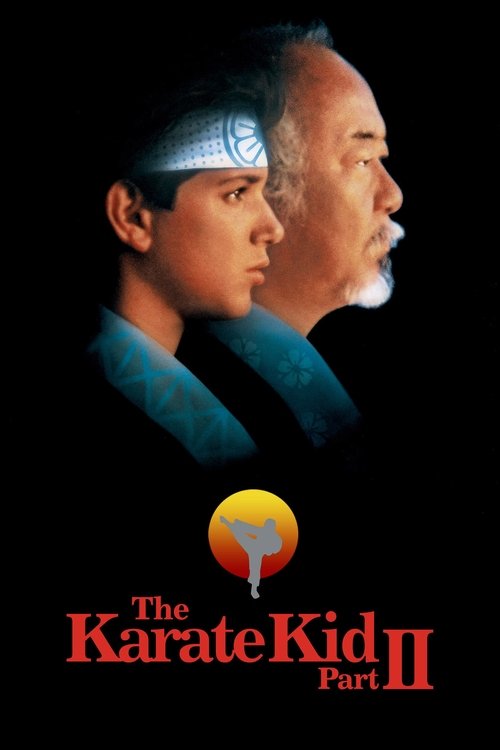
The Karate Kid Part II1986
Direct sequel that deepens Mr. Miyagi's character and philosophy while maintaining the underdog charm. The Okinawan scenes are genuinely beautiful, and the emotional stakes feel earned.
But Repeats the tournament structure and romantic subplot beats of the first film. Pacing drags in the middle act.
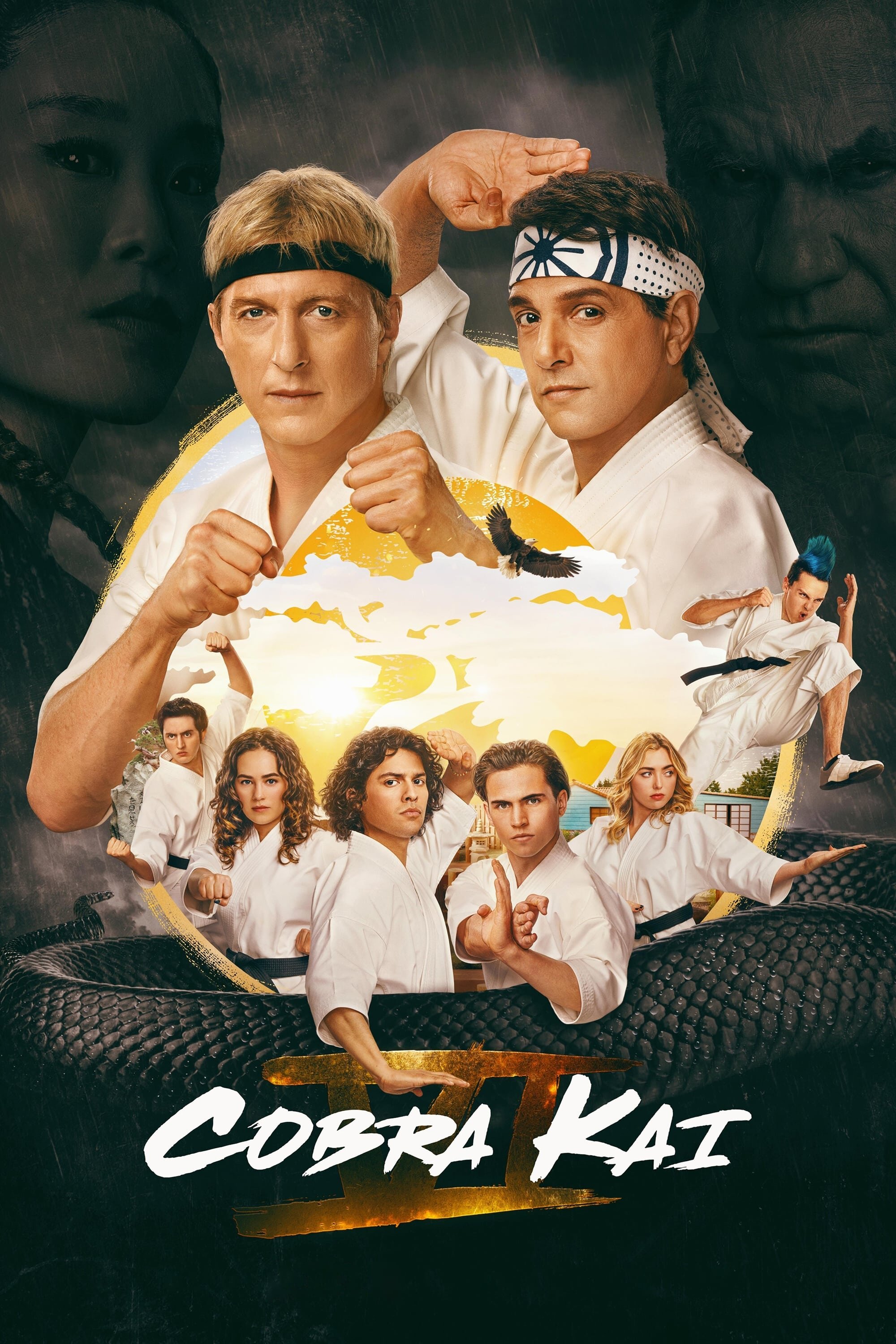
Cobra Kai2018
Takes the Karate Kid universe seriously as drama, giving Kreese and the other antagonists real complexity and motivation. Incredibly fun, genuinely moving, and better written than you'd expect from a YouTube show.
But Thirty-four episodes is a commitment. The early seasons prioritize nostalgia over originality.
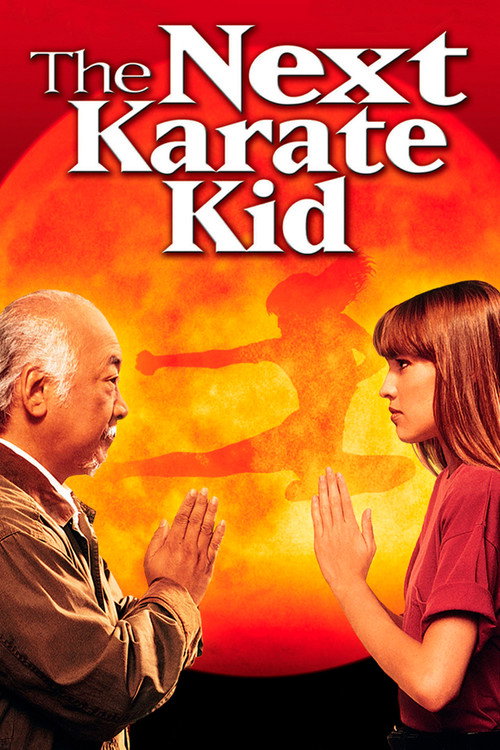
The Next Karate Kid1994
Passes the torch to Hilary Swank with genuine warmth. Mr. Miyagi remains the emotional core, and the film finds surprising depth in the mentorship without repeating the tournament formula.
But Noticeably cheaper production values. The villain is forgettable and the plot meanders.
Not sure tonight? Get a pick in a minute, starting from The Karate Kid Part III
The wildcard
Something you would not have found on your own.
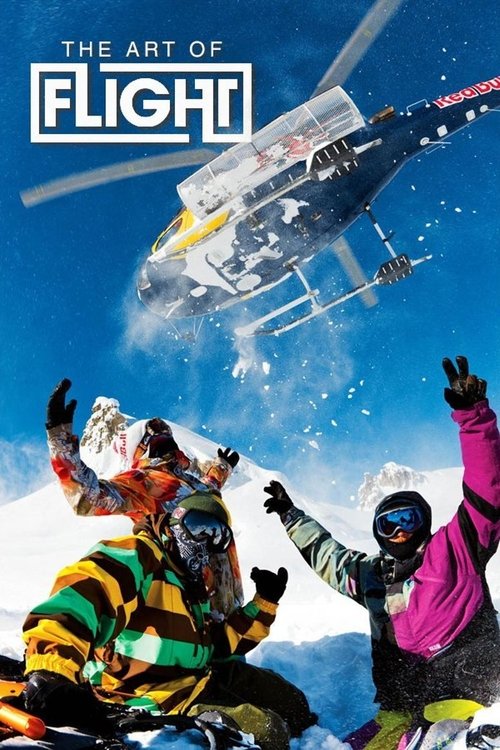
The Art of Flight2011
Same narrative engine as Karate Kid films—the hero's journey through disciplined physical training toward a final competition—but the sport is snowboarding and the stakes are filmed as art.
A documentary about competitive snowboarding that uses the exact emotional structure of a martial arts tournament film: training montages, mentorship, respect for craft, the final test. Gorgeously shot and surprisingly moving.
But It's a sports documentary, not narrative cinema. If you need plot and dialogue, this isn't it.
More like this (6)
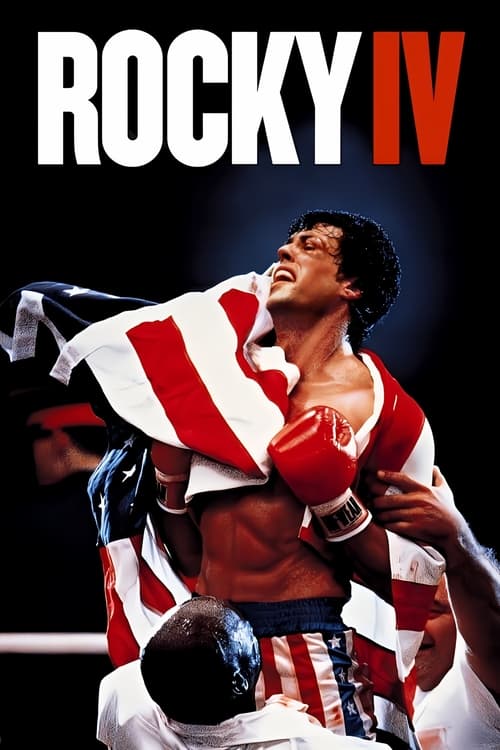
Rocky IV1985
Same era, same bombastic energy, same earnest belief that an underdog can triumph through heart and training montages. It's spectacle as sincerity, which is exactly Part III's register.
But Wildly dated Cold War politics. The plot is thinner than tissue paper.
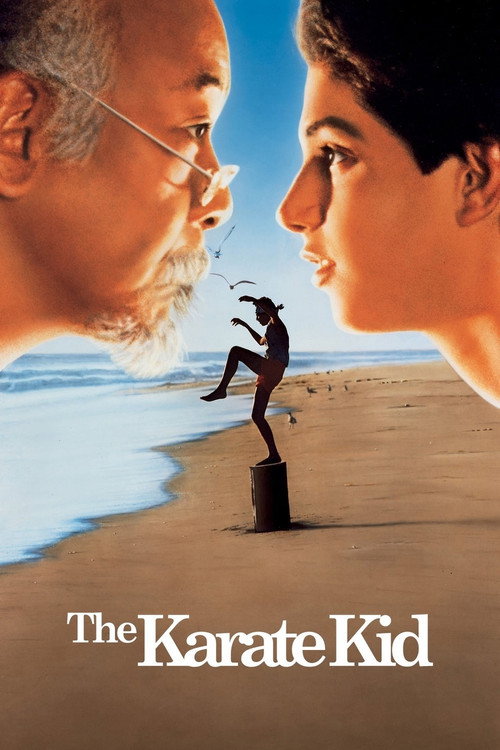
The Karate Kid1984
The original still works because the core relationship between Daniel and Mr. Miyagi is genuinely moving. Start here if you somehow haven't, or revisit it for contrast.
But If you've seen it, you know it backwards. Part III relies on your affection for it.
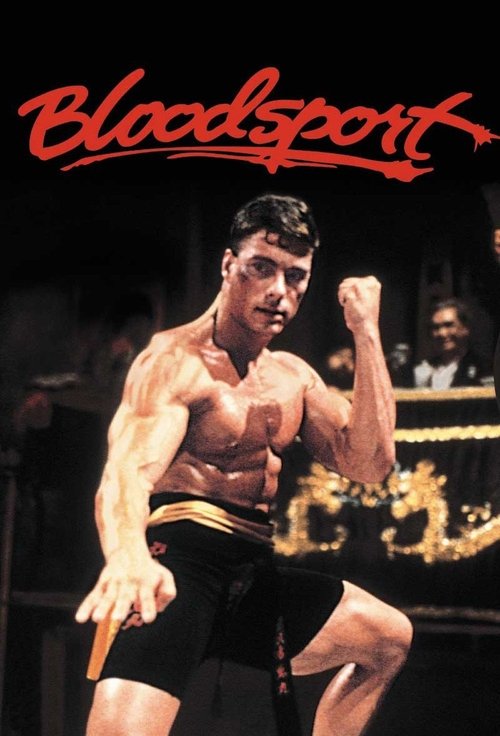
Bloodsport1988
Jean-Claude Van Damme in a tournament film with real martial arts skill on display. The earnestness is unironic, the training sequences are solid, and it doesn't apologize for what it is.
But The acting is rough and the plot barely exists. It's '80s action schlock, albeit well-executed schlock.
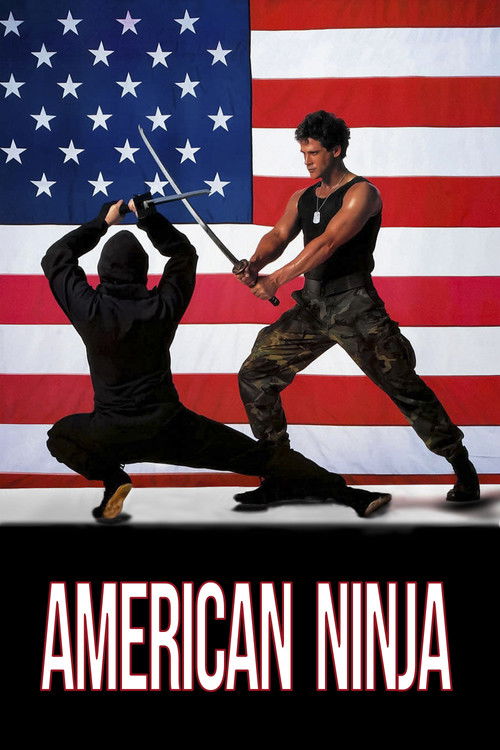
American Ninja1985
Michael Dudikoff stumbles into ninja stardom in this cheerful, unpretentious action film. Good training sequences, genuine charm, and it knows exactly what it is.
But The dialogue is clunky and the story is tissue-thin. This is purely for action lovers.
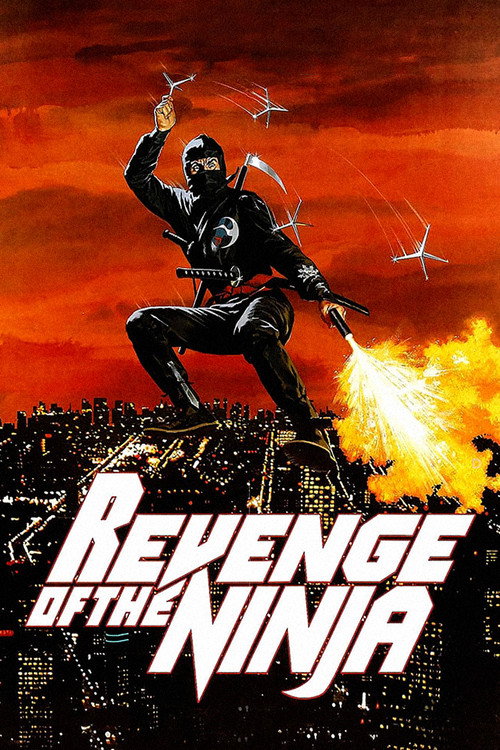
Revenge of the Ninja1983
Sho Kosugi as a ninja father protecting his family. The martial arts are crisp, the emotional stakes are real, and it moves with purpose. Lean and effective.
But It's a revenge film that doesn't dwell on character. If you need drama over action, this won't satisfy.
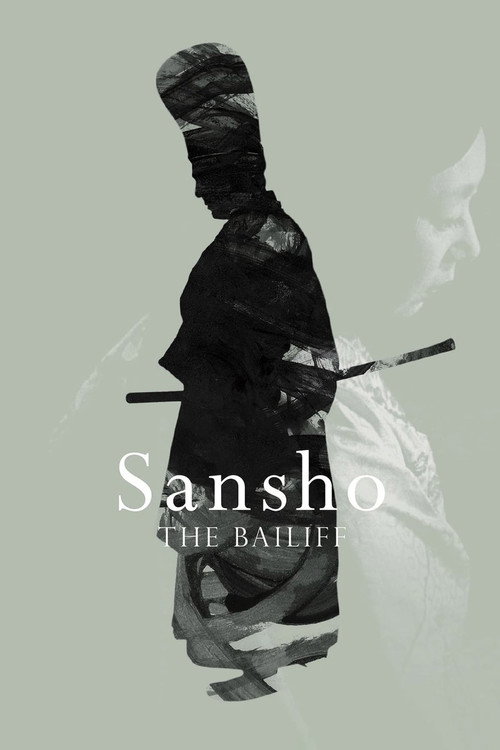
Sansho the Bailiff1954
Both center on an older man's unflinching moral code and mentorship in the face of cruelty. Part III's sentimentality about honor becomes Mizoguchi's profound meditation on human dignity under dehumanizing systems.
Kenji Mizoguchi's masterpiece about a father and son separated by cruelty, seeking reunion across years of suffering. Mr. Miyagi's philosophy of endurance and moral rectitude finds its tragic, serious mirror here in a film from decades earlier.
But Black-and-white 1954 Japanese cinema is demanding. No action sequences, no tournaments—only quiet devastation and grace. Entirely different register from what you're watching.
People
Cast
 Ralph MacchioDaniel
 Pat MoritaMr. Miyagi
 Robyn LivelyJessica
 Thomas Ian GriffithTerry
 Martin KoveKreese
 Sean KananMike Barnes
 Jonathan AvildsenSnake
 William Christopher FordDennis
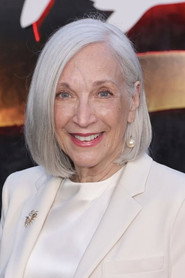 Randee HellerLucille
 Pat E. JohnsonReferee
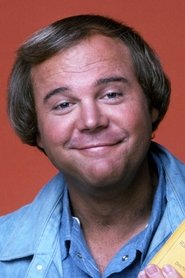 Rick HurstAnnouncer
 Frances BayMrs. Milo
Directing
- John G. AvildsenDirector
- Clifford C. ColemanFirst Assistant Director
- Sonny P. FilippiniScript Supervisor
- Hope R. GoodwinSecond Assistant Director
- David N. SchragerSecond Second Assistant Director
Writing
- Robert Mark KamenCharacters
- Robert Mark KamenWriter
Production
- Doug SeeligAssociate Producer
- Caro JonesCasting
- Karen RosenfeltCo-Producer
- Sheldon SchragerExecutive Producer
- Richard Davis Jr.Location Manager
- Russell ParisPost Production Coordinator
- Jerry WeintraubProducer
- Kathryn J. McDermottProducer's Assistant
- Anne Marie YantosProduction Assistant
- Karyn SaffroProduction Assistant
- Joyce M. WarrenProduction Coordinator
- William F. MatthewsProduction Designer
- Lester Wm. BerkeUnit Production Manager