
Film
Early Summer
- Drama
- Slow-burning
Yasujirō Ozu's masterpiece about a Japanese woman caught between modern independence and family pressure to marry. Shot in his signature static, contemplative style, it's a film that moves through quiet moments and unspoken longings rather than dramatic turns. For anyone who finds depth in stillness, or who wants to understand postwar Japan through the eyes of someone refusing the obvious path.
If you liked this
Tokyo Story1953
Ozu again, this time observing a elderly couple's trip to Tokyo and the gap between their children's lives and their expectations. A masterpiece about time, change, and what we owe each other that will remake how you think about family.
But It moves at a meditative pace that some find glacial. If you need plot momentum or dramatic confrontation, this will feel like watching grass grow.

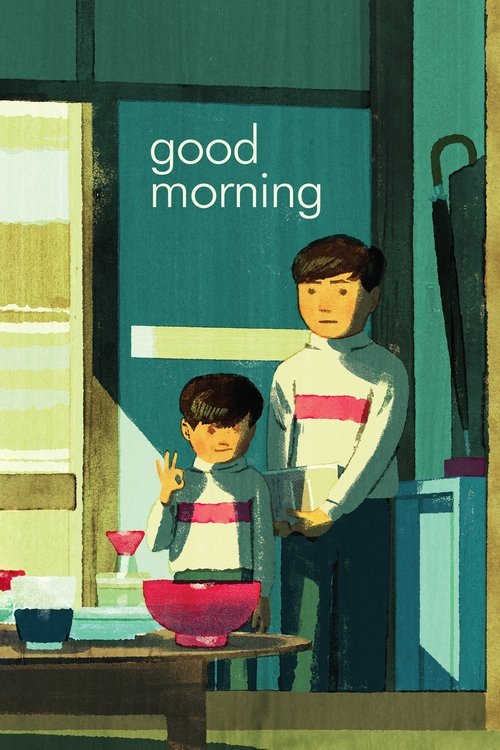
Good Morning1959
Ozu's only comedy, about two boys who go on a silence strike to pressure their parents into buying a television. It's tender, funny, and a perfect entry point to his work—same visual language as Early Summer, but with genuine laughs.
But The humor is so quiet and tied to Japanese social rituals that some of it will slip past. The satire on consumerism feels very 1959.
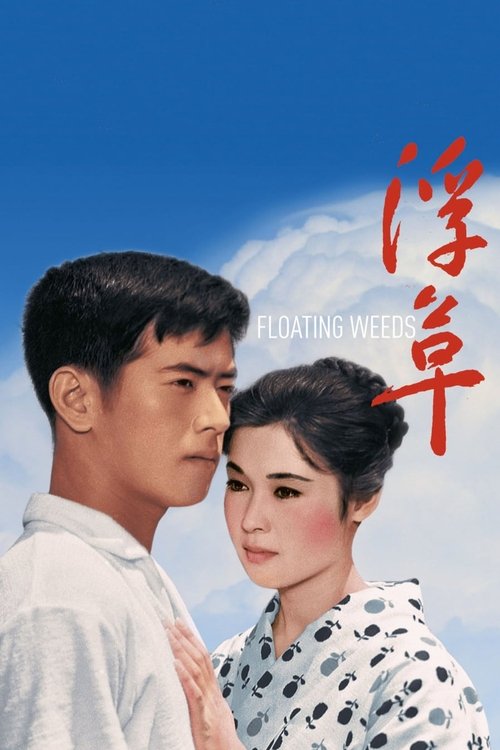
Floating Weeds1959
Ozu's only color film, a remake of his own 1934 work about a theater troupe returning to a small town. The color palette is gorgeous and melancholy; same thematic DNA as Early Summer but with a different milieu.
But The Technicolor is so carefully composed it can feel artificial if you're not in the mood for it. Some find the theatrical setting less grounded than his domestic dramas.
Not sure tonight? Get a pick in a minute, starting from Early Summer
The wildcard
Something you would not have found on your own.
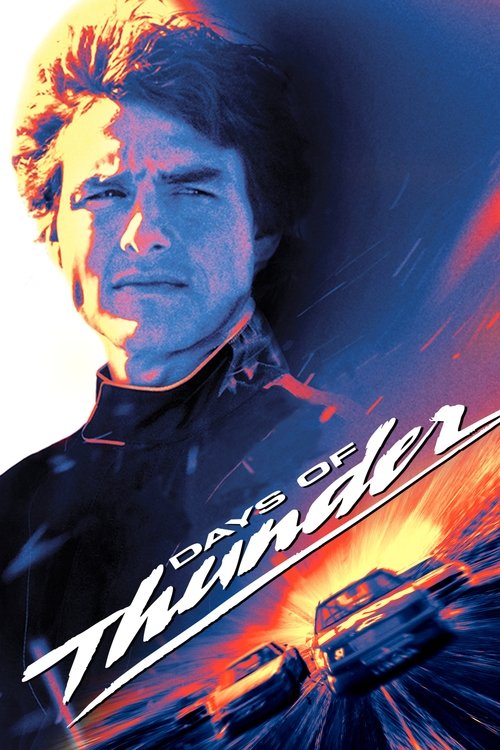
Days of Thunder1990
Both films treat marriage and domestic life as worthy of sustained visual attention, finding depth in mundane moments. Tsai updates Ozu's camera technique for a modern meditation on the same terrain.
Tsai Ming-liang's meditation on an aging couple in their final years together, shot in long static takes that echo Ozu's method. It observes the texture of daily life with the same patient attention, asking how intimacy survives time.
But It's almost plotless and demands active watching. Some sequences last five minutes with almost nothing happening. Contemporary experimental cinema, not a conventional narrative.
More like this (7)
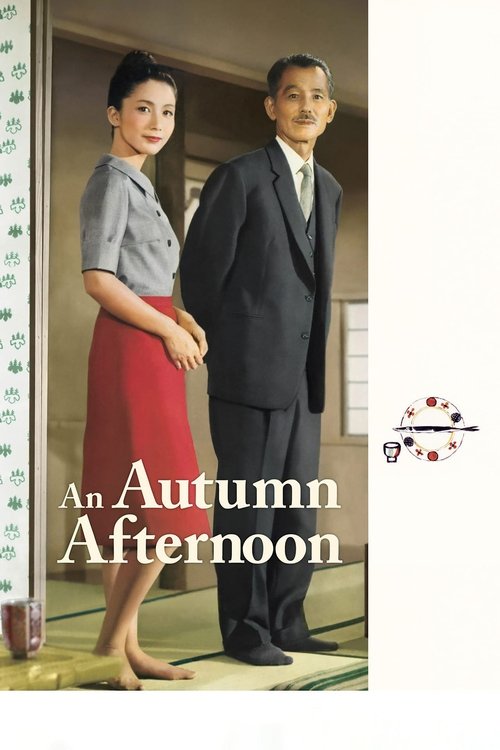
An Autumn Afternoon1962
Ozu's final film, about an aging widower realizing his daughter should marry rather than care for him. It's heartbreaking, wise, and feels like a companion piece to Early Summer from the other generation's perspective.
But It's elegiac and sad in a way that can feel heavy. If you're looking for uplift, this isn't it.
Ikiru1952
Kurosawa's film about a dying bureaucrat finding meaning in small acts of kindness. Like Early Summer, it's a postwar Japanese masterpiece about duty and personal desire, but told with more emotional rawness and existential weight.
But It's darker and more overtly tragic. The death-obsessed middle section is genuinely bleak.

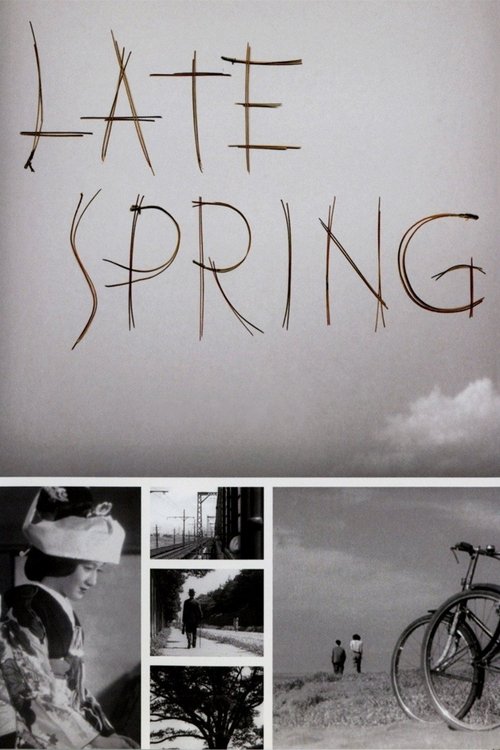
Late Spring1949
Another Ozu, this time about a widower and his unmarried daughter, with the marriage question at the center. If you love Early Summer, this is the spiritual predecessor and equally rewarding.
But The premise—that a woman shouldn't marry because she's needed at home—sits uncomfortably with modern sensibilities, even as the film critiques it.
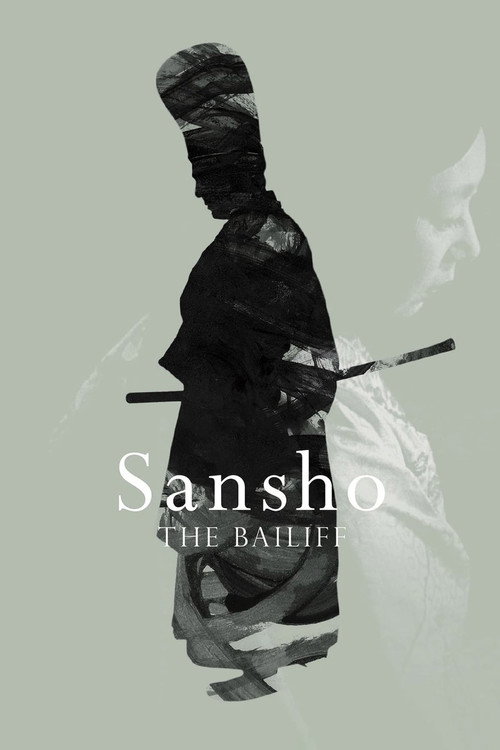
Sansho the Bailiff1954
Mizoguchi's epic about two siblings separated by slavery in medieval Japan, about duty, compassion, and the cost of survival. A different filmmaker but the same moral seriousness and postwar Japanese sensibility.
But It's far more brutal and tragic. The emotional tone is heavier and the suffering is depicted directly rather than implied.
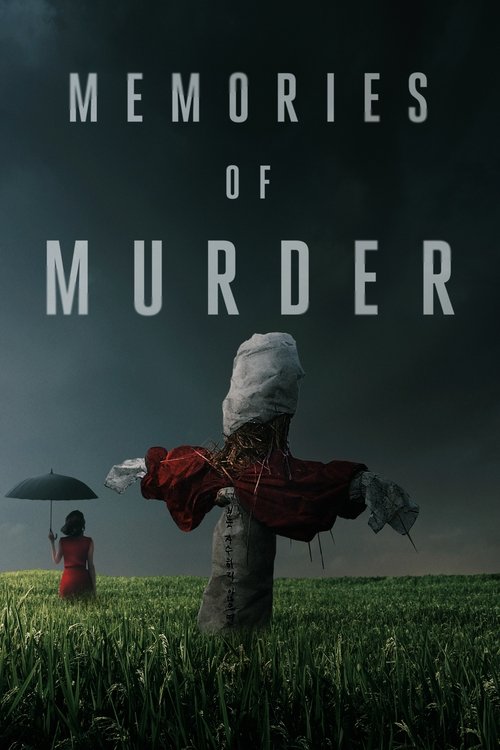
Memories of Murder2003
Bong Joon-ho's detective thriller set in 1980s South Korea. It shares Early Summer's interest in how social structures shape individual lives, and in what gets left unsaid between people.
But It's a genre film with violence and explicit brutality. The mood is noir and cynical, nowhere near Ozu's gentleness.
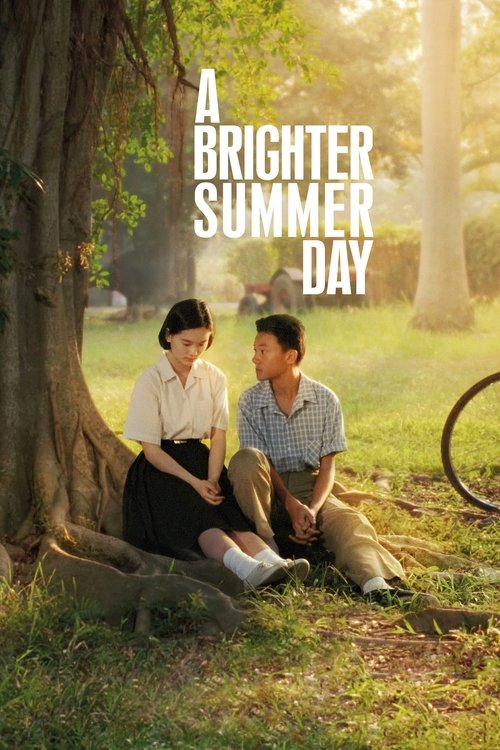
A Brighter Summer Day1991
Both films ask what happens when individual desire collides with family and social obligation, but Yang places that collision in a world of street gangs and violence rather than marriage negotiations. The formal method is similar; the stakes are different.
Edward Yang's four-hour epic about youth gangs in 1960s Taiwan, told with the same observational precision as Early Summer. A film about how social structures constrain individual desire, but in the register of dangerous crime rather than quiet domestic pressure.
But It's very long, in Mandarin with subtitles, and the story involves violence and moral ambiguity. The pace is deliberate and some sequences feel digressive.
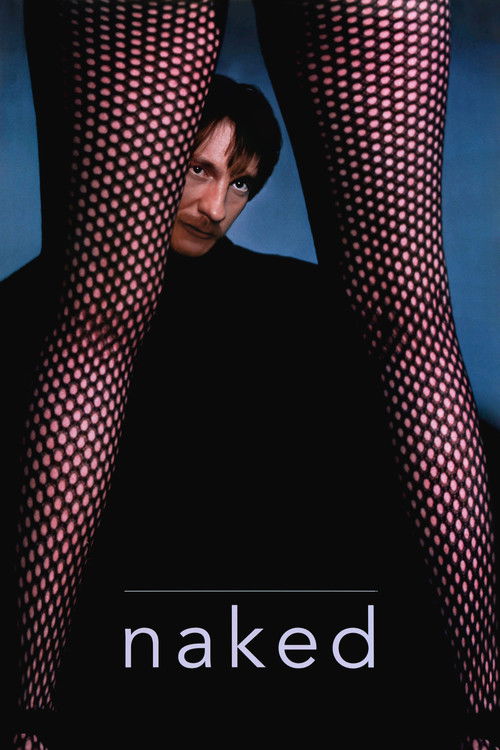
Naked1993
Opposite angle on the same postwar question: where Early Summer asks what we owe to family and society, Naked asks what happens when someone refuses to pay that debt. Both are deeply interested in how individuals navigate the claims others make on them.
Mike Leigh's brutal character study of a brilliant, furious man drifting through London, destroying every relationship he touches. It's about postwar industrial society and thwarted lives, but seen from the perspective of someone who refuses compromise entirely.
But It's relentlessly bleak and the protagonist is emotionally abusive. There's no warmth here, and the sex scenes are explicit and joyless. Leigh's improvisation method means it meanders.
People
Cast
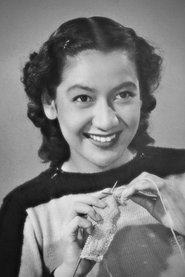 Setsuko HaraNoriko Mamiya
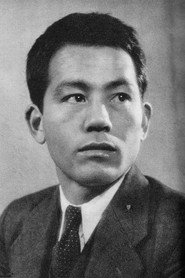 Chishū RyūKoichi Mamiya
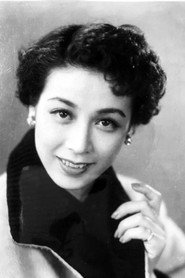 Chikage AwashimaAya Tamura
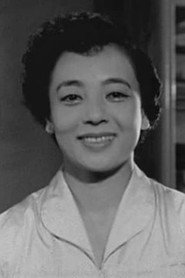 Kuniko MiyakeFumiko Mamiya
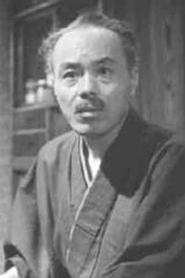 Ichirō SugaiShukichi Mamiya
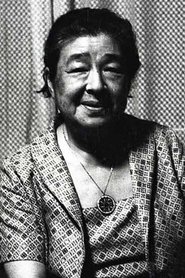 Chieko HigashiyamaShige Mamiya
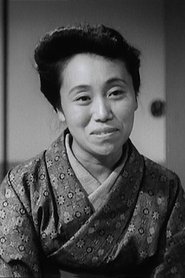 Haruko SugimuraTami Yabe
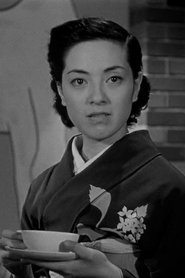 Kuniko IgawaTakako
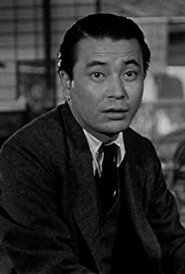 Hiroshi Nihon'yanagiKenkichi Yabe
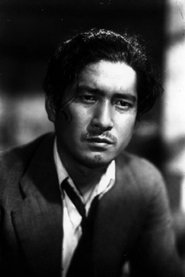 Shūji SanoSotaro Satake
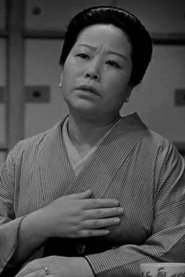 Toyo TakahashiNobu Tamura
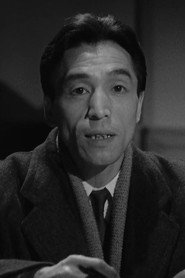 Seiji MiyaguchiNishiwaki
Directing
- Kôzô YamamotoAssistant Director
- Shōhei ImamuraAssistant Director
- Yasujirō OzuDirector
Writing
- Kōgo NodaScreenplay
- Yasujirō OzuScreenplay
Production
- Takeshi YamamotoProducer