
Film
Late Autumn
Other titles called Late Autumn: the 2011 film.
Ozu's masterpiece about a widow and her adult daughter navigating marriage pressure from well-meaning suitors. Funny and tender in equal measure, it moves with the unhurried grace of someone watching light change across a room. For anyone who believes cinema can be both profound and intimate without ever raising its voice.
If you liked this
Tokyo Story1953
The Ozu film that changed everything. A multi-generational family gathering told with such warmth and naturalism it feels like eavesdropping on your own relatives. Essential viewing.
But Deliberately slow. Long scenes of people sitting. If you need plot momentum or dramatic peaks, this will feel like nothing is happening.

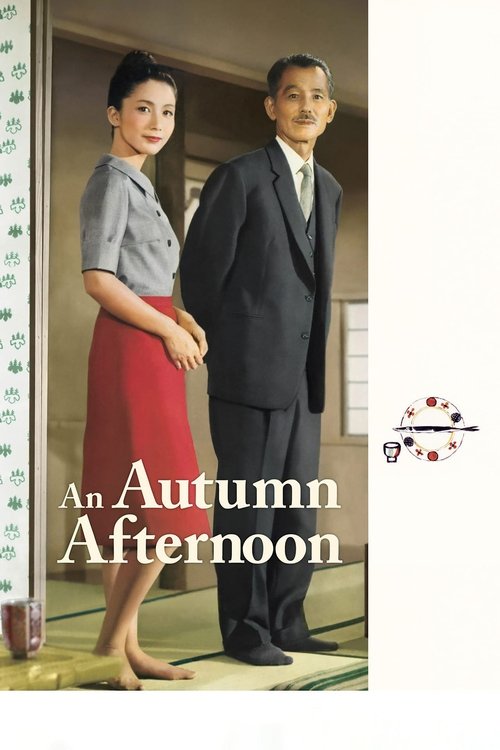
An Autumn Afternoon1962
Ozu's final film and a spiritual twin to Late Autumn—another meditation on aging, obligation, and the strange beauty of letting go. A perfect companion piece that deepens both.
But Even more austere than Late Autumn. Minimal music, static camera, dialogue that circles rather than advances. Asks real patience.
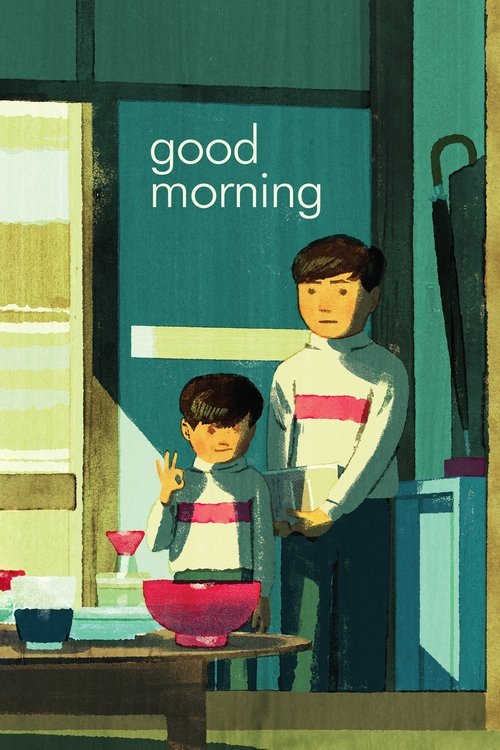
Good Morning1959
Ozu's only color film, a comedy about suburb life and family dynamics that sparkles with humor while staying rooted in the everyday. Lighter than Late Autumn but equally wise.
But The central plot—children refusing to speak until they get a TV—may feel slight or dated depending on your tolerance for gentle satire.
Not sure tonight? Get a pick in a minute, starting from Late Autumn
The wildcard
Something you would not have found on your own.
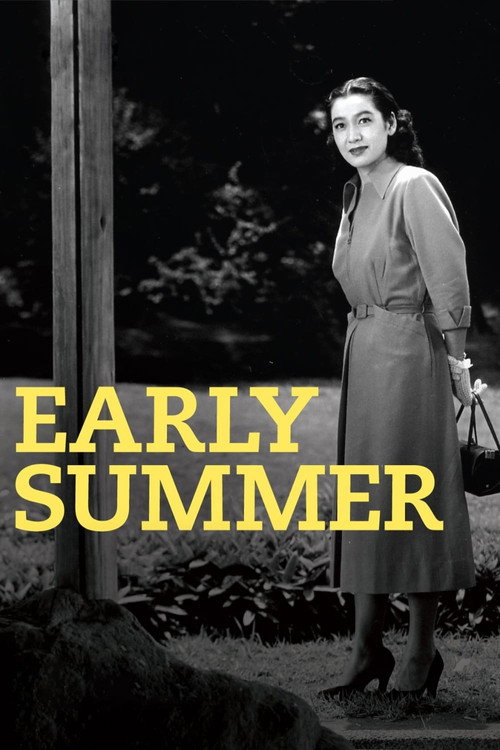
Early Summer1951
Both examine Japanese marriage customs and family duty, but Early Summer asks the opposite question: what if the woman says no?
Another Ozu about marriage and family obligation, but here it's the daughter resisting, not acquiescing. It reverses Late Autumn's dynamic entirely—same world, opposite perspective.
But Even more austere than Late Autumn. Even less happens. If Late Autumn felt slow, this doubles down on that choice.
More like this (7)
Ikiru1952
Kurosawa's meditation on mortality and meaning. Like Late Autumn, it finds profound humanity in ordinary life and asks what we owe each other. Devastating and life-affirming.
But Heavier and more explicitly tragic. Where Late Autumn is light, this is a dirge. Its emotional weight is different and considerable.

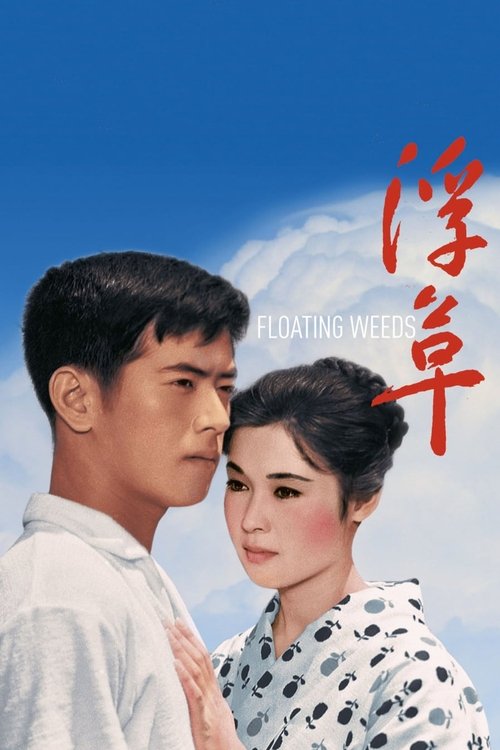
Floating Weeds1959
Another Ozu gem about aging, family secrets, and the passage of time. A traveling theater troupe returns home, and old tensions resurface. Gorgeously shot and achingly human.
But Ozu's repetition across his films means if you've seen several, you'll recognize the rhythms. Some find this meditative; others find it samey.
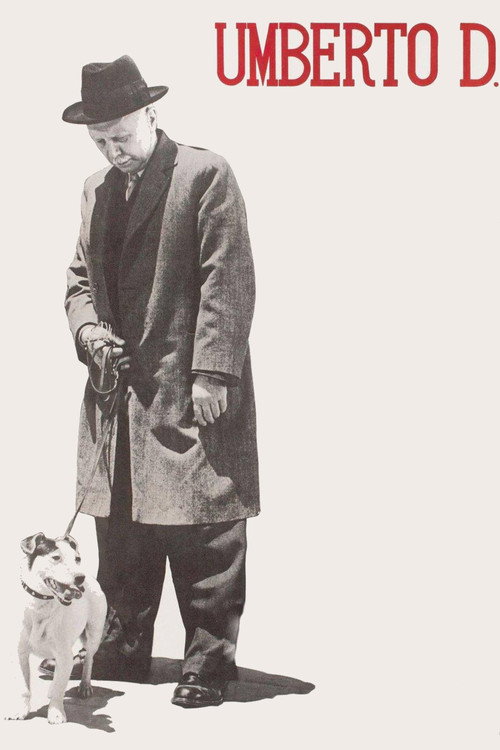
Umberto D.1952
De Sica's heartbreaker about an elderly pensioner and his dignity. Like Late Autumn, it finds nobility in the everyday struggle and tenderness in small human gestures.
But More overtly tragic and politically conscious. If you want Ozu's lightness rather than neorealist hardship, this tilts differently.
Pather Panchali1955
Ray's debut uses similar visual poetry and patience to capture family life—Bengali village instead of Japanese suburb, but the same attention to grace in hardship.
But Much longer (over two hours). Deals with poverty and illness more directly. The register is grittier than Late Autumn's gentle comedy.

The Leopard1963
Visconti's epic about change and obsolescence. A different scale entirely—grand, visual—but shares Late Autumn's preoccupation with aging, tradition, and graceful surrender.
But Ornate, operatic, and very long. If you prize Ozu's simplicity, this aesthetic excess might feel like the opposite of what you want.

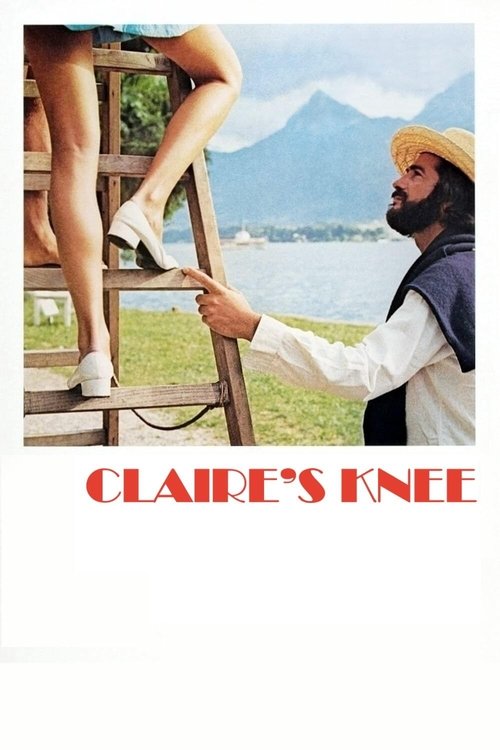
Claire's Knee1970
Both use comedy to explore attraction and obligation; both find drama in conversation and restraint rather than action.
Rohmer's French comedy about desire, restraint, and the absurd games adults play. Like Late Autumn, it's funny about attraction and commitment, but set in a summer romance instead of a widow's drawing room.
But Feels slight and mannered. Intellectual dialogue about attraction rather than emotional depth. Some find it precious; others find it cold.
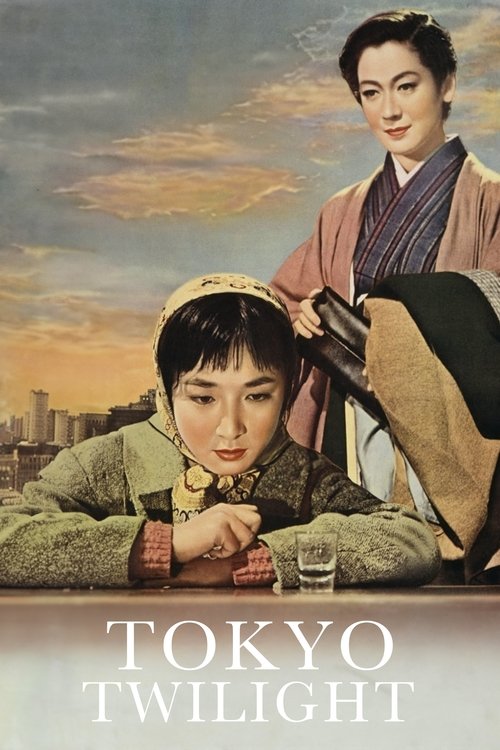
Tokyo Twilight1957
Same visual language, same family dynamics, same focus on what remains unspoken—but explores the underside of the world Late Autumn presents.
Ozu's darkest film—about family fracture, shame, and secrets. Structurally similar to Late Autumn but morally much grimmer. Shows what happens when the family's surface cracks.
But Bleak. Features infidelity, abortion, and abandonment. Where Late Autumn is warm, this is cold. A different Ozu entirely.
People
Cast
 Setsuko HaraAkiko Miwa
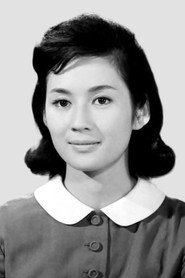 Yōko TsukasaAyako Miwa
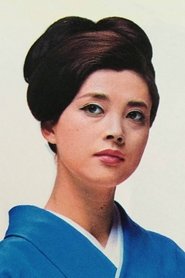 Mariko OkadaYuriko Sasaki
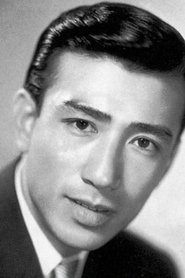 Keiji SadaShotaru Goto
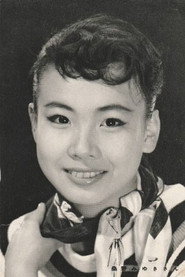 Miyuki KuwanoMichiko
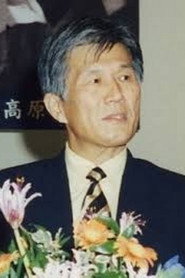 Shinichirō MikamiKoichi
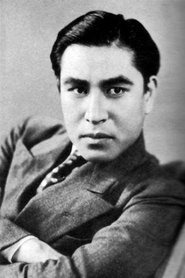 Shin SaburiSoichi Mamiya
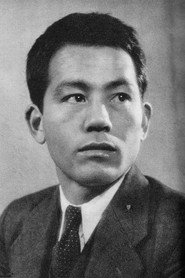 Chishū RyūShukichi Miwa
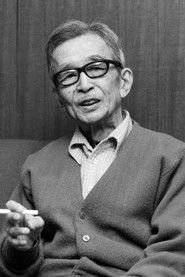 Nobuo NakamuraShuzo Taguchi
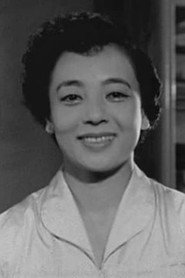 Kuniko MiyakeNobuko
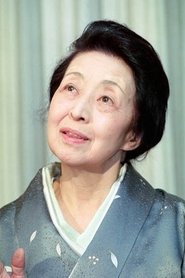 Sadako SawamuraFumiko
- Ryuji KitaSeiichiro Hirayama
Directing
- Kôzô TashiroAssistant Director
- Yasujirō OzuDirector
Writing
- Ton SatomiNovel
- Kōgo NodaScreenplay
- Yasujirō OzuScreenplay
Production
- Shizuo YamanouchiProducer