
Film
Good Morning
- Comedy
- Light-hearted
Ozu's 1959 masterpiece turns a simple premise—two boys who refuse to speak as punishment—into a meditation on modern life, tradition and the price of obedience. Warm and observant, it finds comedy and melancholy in the everyday struggles of a Tokyo neighbourhood. A film about what happens when you do exactly what you're told.
Should you watch it?
Watch it if you delight in small domestic comedy where a suburban feud over nothing grows into a sly, observant portrait of a community, and you don't mind a gentle, slightly sardonic Ozu-style pace.
Skip it if you need brisk plotting or big laughs, since this one ambles through everyday chatter and its comedy is quiet, repeated and tolerant of long pauses between scenes.
What it asks of you: About ninety-four minutes of patient attention to ordinary neighbourhood life, with the humour arriving in small gestures and slow escalations rather than in punchlines or sudden action.
Not sure? Find tonight's pick in a minute.
If you liked this
Tokyo Story1953
Ozu's most celebrated film observes three generations navigating grief and family bonds with the same patient humanism. If you loved the quiet wisdom of Good Morning, this is where that sensibility reaches its emotional peak.
But It moves very slowly and dwells in silence and stillness. There's little conventional plot momentum, and some find its pace alienating.

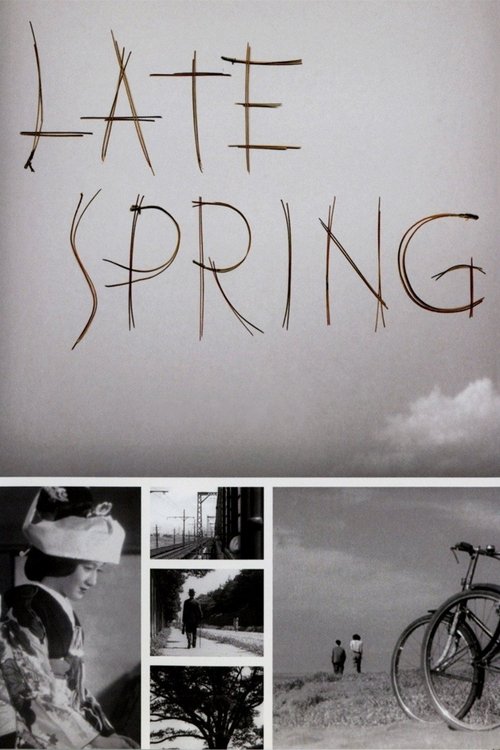
Late Spring1949
Another Ozu masterwork about family duty and change, centred on a widower and his daughter. The emotional restraint makes the moments of tenderness land with devastating force.
But The subject matter—an aging parent and adult child—may feel distant if you're not thinking about intergenerational relationships.
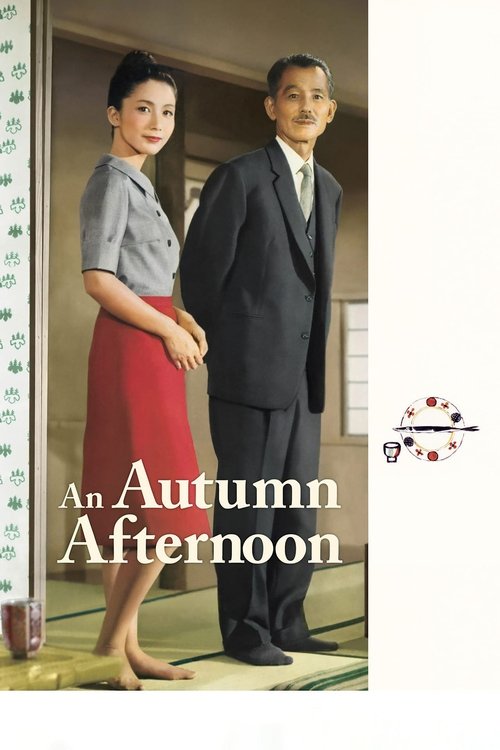
An Autumn Afternoon1962
Ozu's final film, equally concerned with duty, marriage and the quiet sorrows of ageing. It has the same affectionate eye for domestic life and the same belief that small moments contain everything.
But Like all Ozu, it requires patience with long takes and minimal plotting. The rewards are there, but not for those seeking conventional drama.
Not sure tonight? Get a pick in a minute, starting from Good Morning
The wildcard
Something you would not have found on your own.
Pather Panchali1955
Both films believe that the texture of everyday life—children playing, parents worrying, neighbours intruding—contains the whole of human experience. Both use comedy to deepen rather than escape that truth.
Satyajit Ray's Bengali masterpiece about a poor family's struggle to survive. Like Good Morning, it finds profound beauty and humour in the daily lives of ordinary people, especially children, but it places that beauty against real deprivation.
But It's longer, slower, and significantly sadder than Good Morning. The poverty on screen is not comfortable to watch.

More like this (7)
Ikiru1952
Kurosawa's portrait of a dying bureaucrat discovering meaning in small acts of kindness. It shares Good Morning's interest in how ordinary lives matter, but with deeper existential weight.
But It's heavier than Good Morning—genuinely sad in places—and less interested in comedy. The tonal shift may feel jarring if you're expecting lightness.

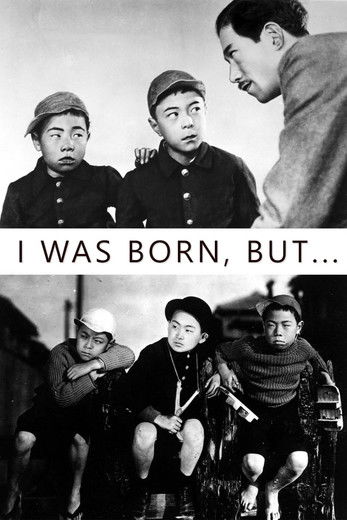
I Was Born, But...1932
An earlier Ozu silent film about two boys navigating social hierarchy and family shame. It has the same blend of children's logic, adult disappointment, and comedy drawn from genuine observation.
But It's silent and from the 1930s, which demands adjustment. The print quality may vary depending on where you find it.
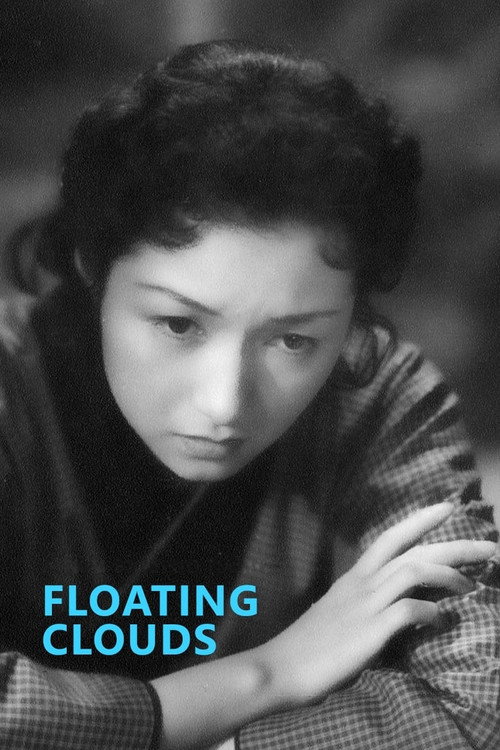
Floating Clouds1955
Naruse's elegant study of a former wartime couple reuniting in post-war Japan. It shares Ozu's interest in how people adjust to change, but with a more romantic, melancholic register.
But It's a love story rather than a family comedy, so the emotional territory is quite different. Some find Naruse's style less immediately engaging than Ozu's.
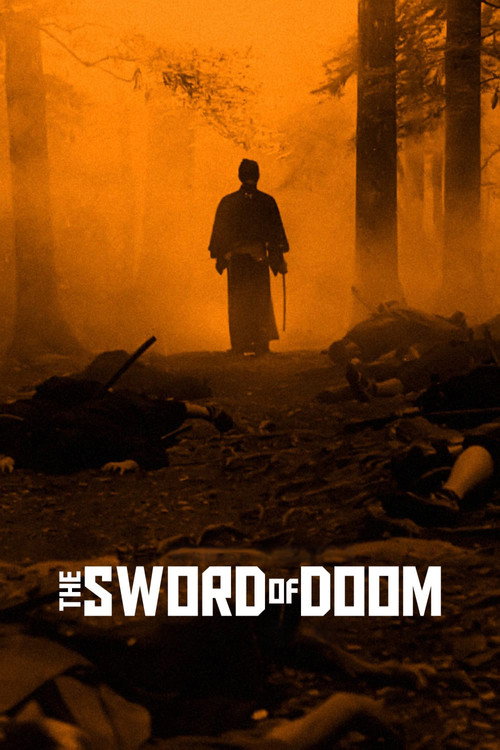
The Sword of Doom1966
Tatsuya Nakadai as a ruthless samurai in a film that explores violence and alienation with moral seriousness. A tonal opposite to Good Morning, but from the same era and tradition of Japanese cinema.
But It's bleak, violent, and philosophically dense. If you came for warmth and family comedy, this will feel like a very different movie entirely.
The Ballad of Little Jo1993
A quiet Western about a woman who passes as a man to survive in the frontier. Like Good Morning, it's interested in how people navigate the gap between who they are and who the world demands they be.
But It's deliberately understated and slow-burning, which some find precious rather than moving. The subject matter may feel tangential to what you're after.

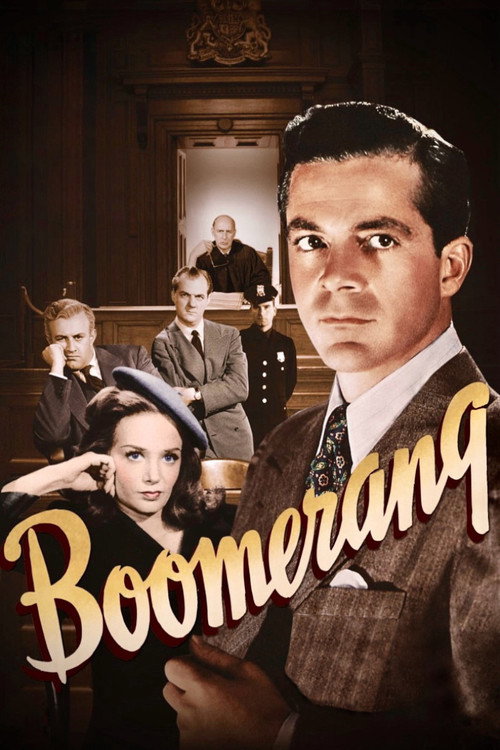
Boomerang!1947
An American legal drama about reasonable doubt and small-town suspicion. It shares Good Morning's interest in how communities respond to disruption, though in a darker key.
But It's less visually distinctive than you might expect, and the narrative is fairly conventional noir-adjacent stuff. It doesn't have Ozu's poetic touch.
In the Mood for Love2000
Both films understand that apartment buildings and neighbourhoods are microcosms where small events ripple outward. Both are genuinely interested in how people live beside one another.
Wong Kar-wai's ravishing Hong Kong film about two neighbours discovering an affair. Visually it's the opposite of Ozu's austerity, but it shares the same fascination with how confined spaces—an apartment building, a neighbourhood—generate gossip, desire and connection.
But It's extremely stylised and slow, built more from mood and colour than plot. The beauty can feel decorative if you're not in the right headspace.

People
Cast
 Keiji SadaHeiichiro Fukui
 Yoshiko KugaSetsuko Arita
 Chishū RyūKeitaro Hayashi
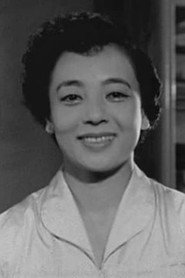 Kuniko MiyakeTamiko Hayashi
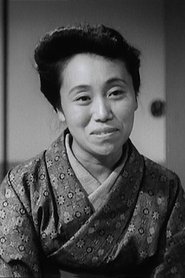 Haruko SugimuraKikue Haraguchi
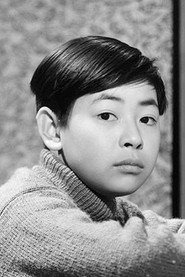 Kōji ShitaraMinoru Hayashi
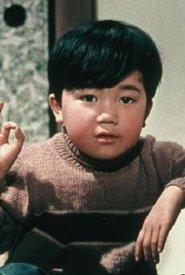 Masahiko ShimazuIsamu Hayashi
 Kyōko IzumiMidori Maruyama
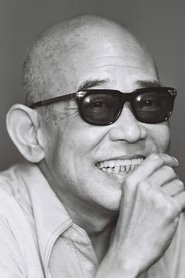 Taiji TonoyamaPushy Man
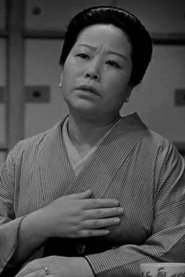 Toyo TakahashiShige Okubo
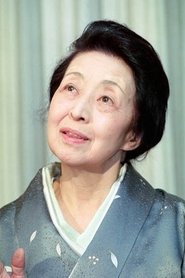 Sadako SawamuraKayoko Fukui
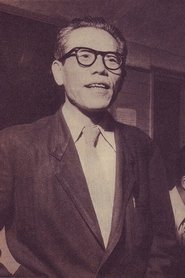 Eijirō TōnoHiroshi Tomizawa
Directing
- Yasujirō OzuDirector
Writing
- Kōgo NodaScreenplay
- Yasujirō OzuScreenplay
Production
- Shizuo YamanouchiProducer
Recommended by
Whisper of the Heart, Equinox Flower, Late Autumn, Tokyo Twilight, The Flavor of Green Tea Over Rice, There Was a Father, Early Summer, What Did the Lady Forget?, The Only Son