
Film
What Did the Lady Forget?
A 1937 Japanese comedy about a strait-laced professor and his rigid wife forced to navigate the chaos of Setsuko, a rebellious niece from Osaka who smokes, drinks, and defies every social convention they hold sacred. It's a gently satirical, fast-moving farce that uses domestic friction to explore the clash between old and new Japan. For anyone charmed by pre-war comedy's lightness and observational humour about generational difference.
If you liked this
Tokyo Story1953
Ozu's masterpiece uses a family visit to explore changing Japan with the same warmth and underlying melancholy. It's slower and deeper, but shares that particular ache of tradition meeting modernity through domestic comedy.
But It moves at a contemplative pace that can feel like watching paint dry if you're expecting plot momentum. Requires patience and surrender.

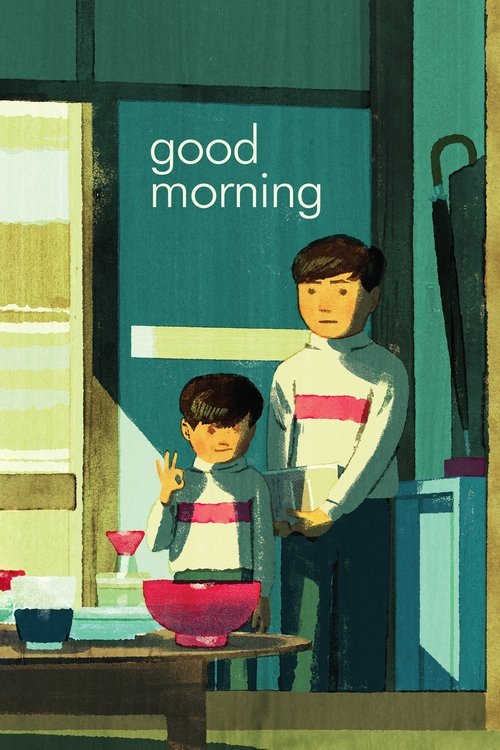
Good Morning1959
Another Ozu film about a Tokyo family, this one actually funnier, built entirely around small domestic rebellions and the gap between what people say and what they mean. Captures the same era's social anxieties through comedy.
But Shot in colour and widescreen in a way that feels formally restrained by modern standards. The humour is so quiet it can disappear if you're not fully present.
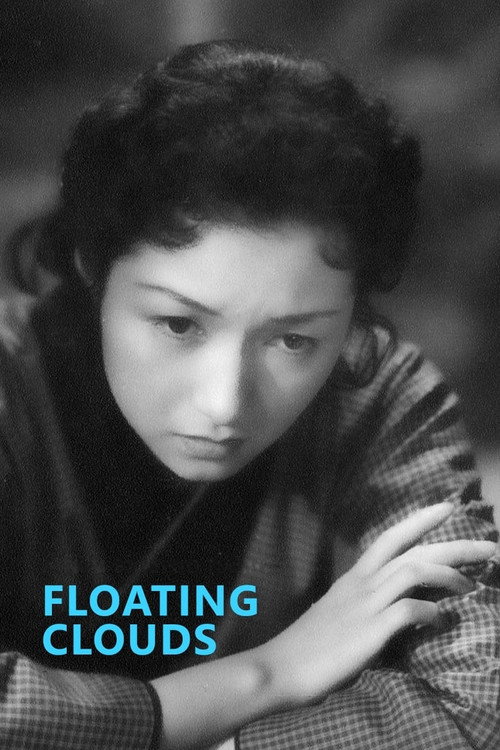
Floating Clouds1955
Mizoguchi's elegant drama about a woman caught between her own desires and social expectation, with Machiko Kyō delivering a performance that balances tragedy and defiance. The moral complexity under a composed surface.
But It's more serious and sorrowful than *What Did the Lady Forget?* — not a romp, but a study of constraint and waste. Can feel slow to Western viewers accustomed to faster cutting.
Not sure tonight? Get a pick in a minute, starting from What Did the Lady Forget?
The wildcard
Something you would not have found on your own.
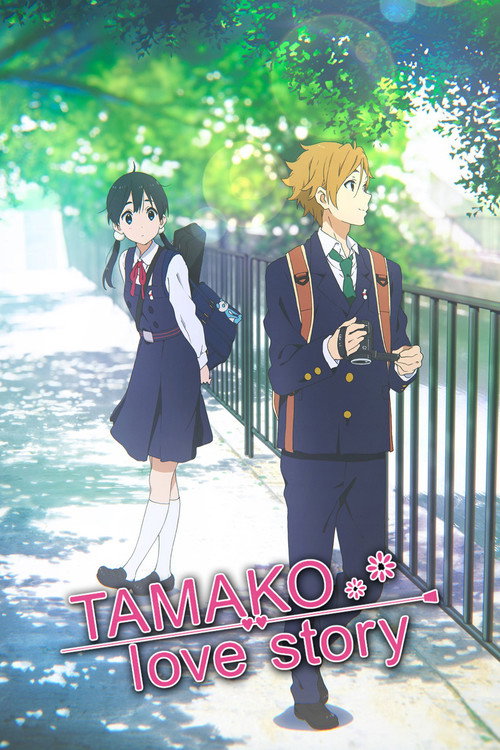
Tamako Love Story2014
Both use domestic and family spaces to explore what happens when a spirited young woman insists on her own desires against older generations' expectations. Same engine, different eras.
A Studio Ghibli feature (not Miyazaki) about a young woman's quiet self-discovery, set in a traditional Kyoto shopping district. It echoes the generational tensions of 1937 but through a contemporary lens — same spirit of individualism meeting tradition, wrapped in animation's visual grace.
But It's an anime, which carries baggage for some viewers. Also slower and more introspective than *What Did the Lady Forget?* — gentleness, not comedy.
More like this (8)
Breakfast at Tiffany's1961
Holly Golightly is Setsuko's spiritual heir: a young woman refusing to be confined by what society expects. The film is lighter than its own depths, funny and sad at once, about the cost of freedom and refusal.
But It's a Hollywood product with its own set of compromises and datedness. Audrey Hepburn's performance, though brilliant, is contained within a glossier world.

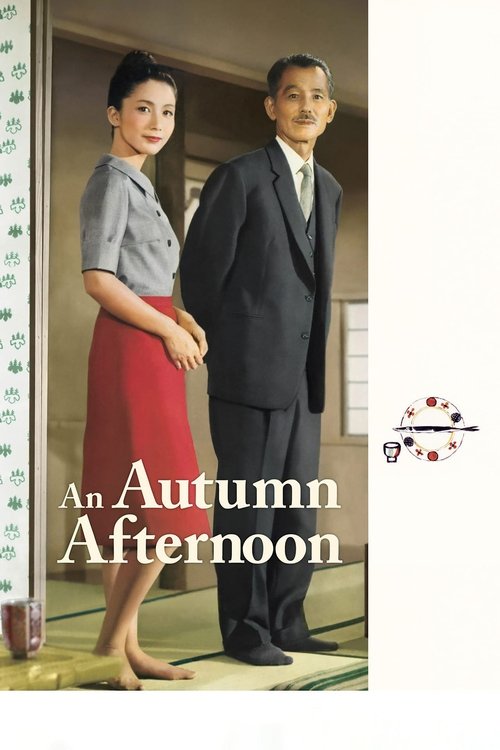
An Autumn Afternoon1962
Ozu's final film, achingly tender about a father and daughter's relationship and the rituals that bind Japanese family life. It's modest, grave, and funny in ways that build slowly. A masterwork about what we preserve and what we lose.
But It's his slowest, most austere work. If you haven't seen Ozu before, this might be a harder entry point than *Tokyo Story*. Demands real attention.
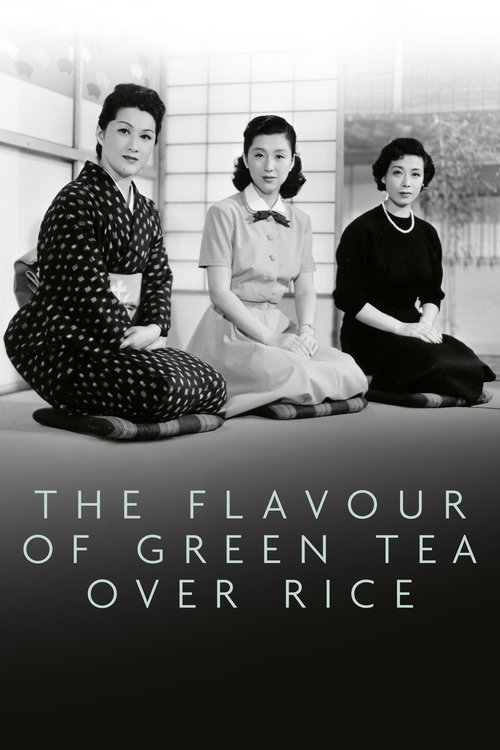
The Flavor of Green Tea Over Rice1952
Ozu again, this time about a marriage between two people who barely know each other, filmed with such affection for their quiet domestic life that the comedy feels earned. It's wise without ever showing off.
But There's almost no plot. If you need external conflict or momentum, this will feel like watching someone else's life through a window.
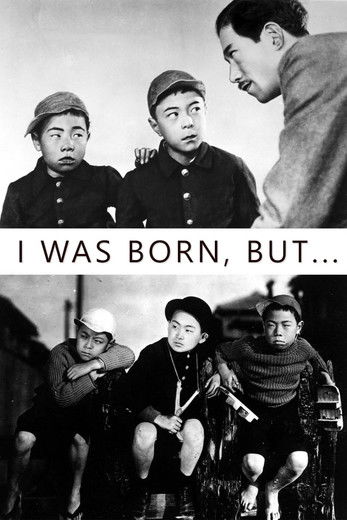
I Was Born, But...1932
Ozu's silent comedy about childhood rebellion and social hierarchy, funny and touching in equal measure. The children's refusal to accept adult logic is both hilarious and genuinely touching.
But It's silent, which adds a formal distance. The print quality varies, and the pacing assumes an audience comfortable with silent cinema's rhythm.
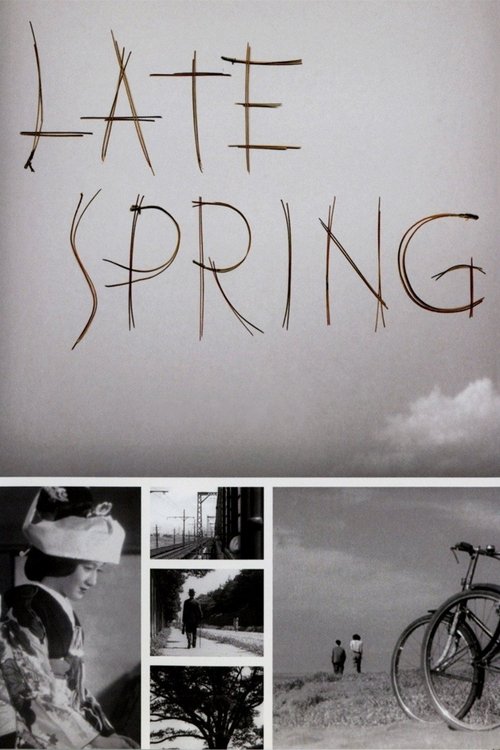
Late Spring1949
Ozu explores the gulf between a widowed father and his grown daughter with extraordinary delicacy. It's about duty, desire, and the small deceptions we tell the people we love most. Devastating and funny.
But The emotional weight is heavy. It's not what you'd call entertainment in the conventional sense — it asks something of you emotionally.
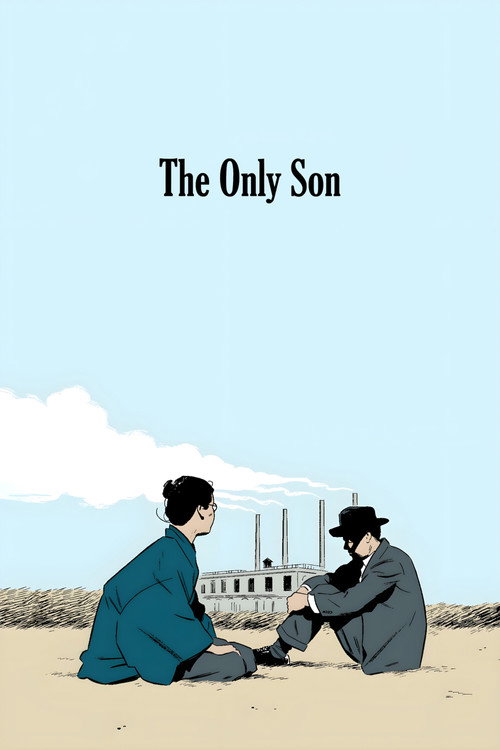
The Only Son1936
Ozu's story of a mother's sacrifice and a son's disappointment, shot just before *What Did the Lady Forget?* The same observant, humane eye turned toward something graver, but never without compassion for human weakness.
But It's genuinely sad in ways that resist easy sentiment. The resolution refuses catharsis. Not a comfortable watch.
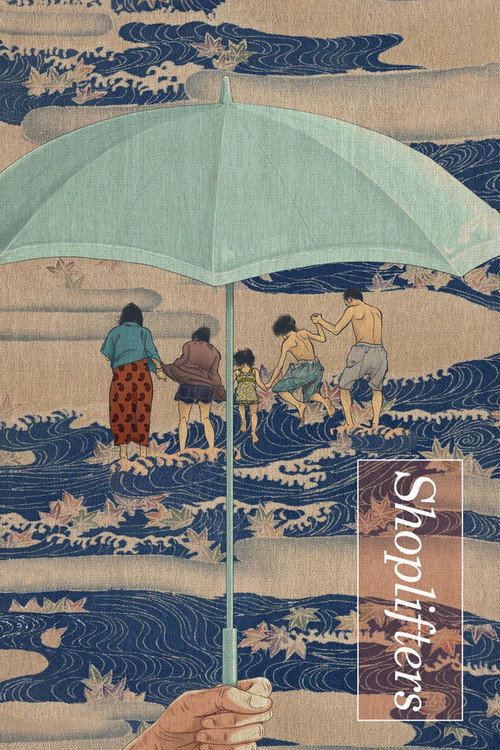
Shoplifters2018
Both films find comedy and humanity in the gap between what society demands and what people actually do. Koreeda's vision is darker, but the compassion is the same.
Hirokazu Koreeda's film about a makeshift family held together by small thefts and smaller kindnesses. It captures the same particularity of Japanese domestic life — the rituals, the unspoken rules, the way love and transgression coexist.
But It's morally ambiguous in ways that can feel uncomfortable. The families it depicts exist outside respectability, and the film doesn't resolve that tension neatly.
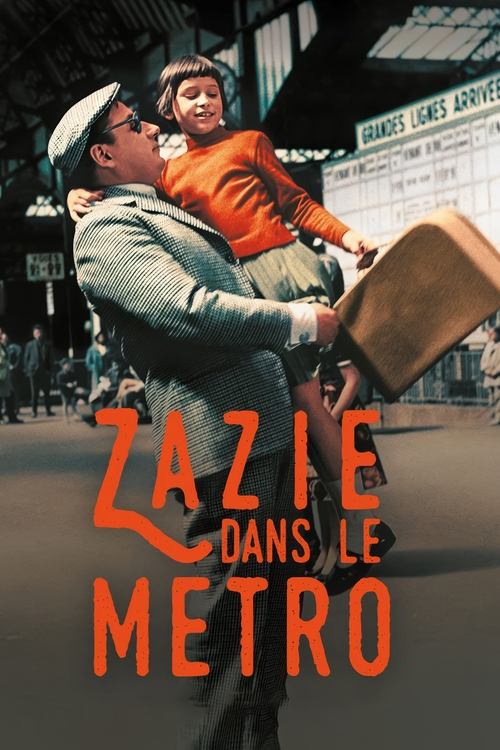
Zazie dans le Métro1960
Both films are built around a young woman's gleeful refusal to behave, set loose in a world of rules and adults. Setsuko is modest and specific; Zazie is a rebellion made visible through cinema itself. Different mediums, same spirit.
Queneau's anarchic French comedy about a chaotic girl loose in Paris, shot with visual inventiveness and anarchic energy. Like Setsuko, Zazie refuses every boundary placed before her, but Malle's film is dazzlingly playful about it — a stylistic joy.
But It's formally experimental in ways that can feel dated or whimsical. The structure fragments, the tone is slippery. Demands you surrender to its logic rather than follow a plot.
People
Cast
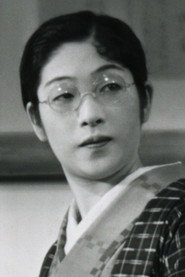 Sumiko KurishimaTokiko
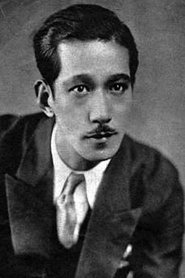 Tatsuo SaitōKomiya
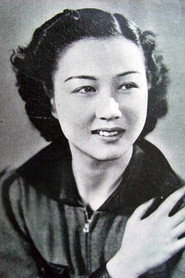 Michiko KuwanoSetsuko
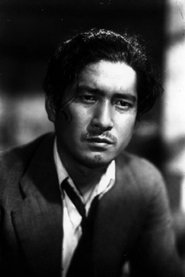 Shūji SanoOkada
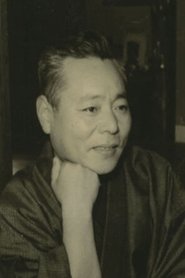 Takeshi SakamotoSugiyama
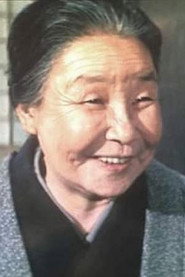 Chōko IidaChiyoko Sugiyama
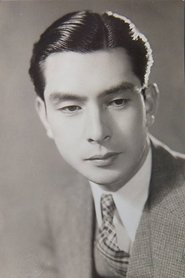 Ken UeharaMovie Star
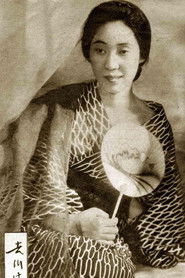 Mitsuko YoshikawaMitsuko
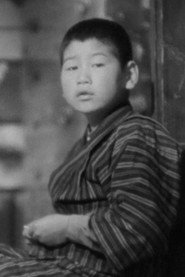 Masao HayamaFujio
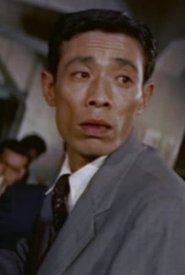 Tomio AokiTomio
Directing
- Yasujirō OzuDirector
Writing
- Akira FushimiWriter
- Yasujirō OzuWriter