
Film
I Was Born, But...
Yasujirō Ozu's 1932 masterpiece follows two brothers navigating a Tokyo suburb—winning playground status before discovering their father's humiliating subservience to his boss. It's tender and comic, with moments of genuine darkness. A film about childhood awakening to the world's compromises, told with such warmth you feel the sting of growing up.
Should you watch it?
Watch it if you enjoy comedy that watches children solemnly take the adult world apart, with wry observation of class and fathers hidden behind a playful surface.
Skip it if you need your silent-era comedy fast and gag-driven, since this is a quiet, observational film that lingers on ordinary streets and wry faces rather than punchlines.
What it asks of you: Ninety-one minutes of unhurried, intertitle-driven scenes, so you'll read as much as you watch and let small domestic moments accumulate at their own pace.
Not sure? Find tonight's pick in a minute.
If you liked this
Tokyo Story1953
Ozu's later, achingly beautiful meditation on family and time. If you loved the emotional architecture of *I Was Born, But...*, this deepens it—three generations, one house, the quiet tragedy of ordinary life.
But Paced for contemplation rather than plot. Very slow. Some find it almost static, though that's where its power lives.

Bicycle Thieves1948
Italian neorealism at its peak. A father and son searching Rome for a stolen bike becomes a portrait of dignity under pressure, economic desperation, and what children learn from watching their parents struggle.
But Deliberately unglamorous and structurally repetitive. The emotional payoff requires patience and a willingness to sit with discomfort.

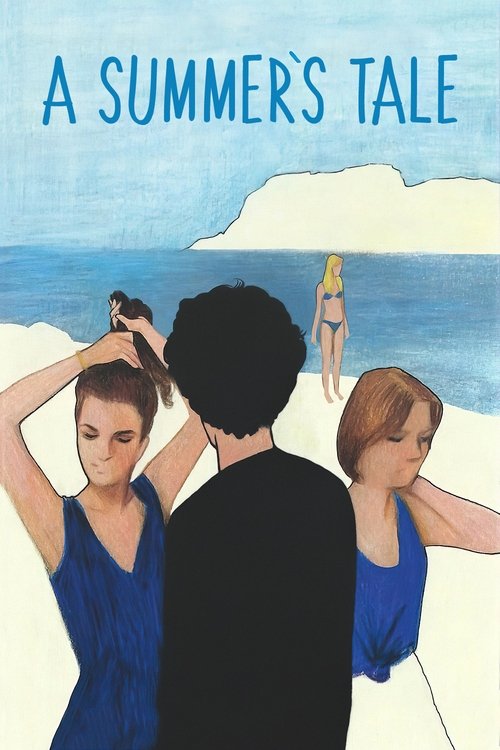
A Summer's Tale1996
Rohmer's sun-drenched comedy about a young man and three women. Like Ozu, it finds comedy and philosophy in everyday conversation. Light, clever, humane—proof that small, observant films can be endlessly rewatchable.
But Dialogue-heavy and plotless. If you want momentum or spectacle, this will feel like watching paint dry in a café.
Not sure tonight? Get a pick in a minute, starting from I Was Born, But...
The wildcard
Something you would not have found on your own.
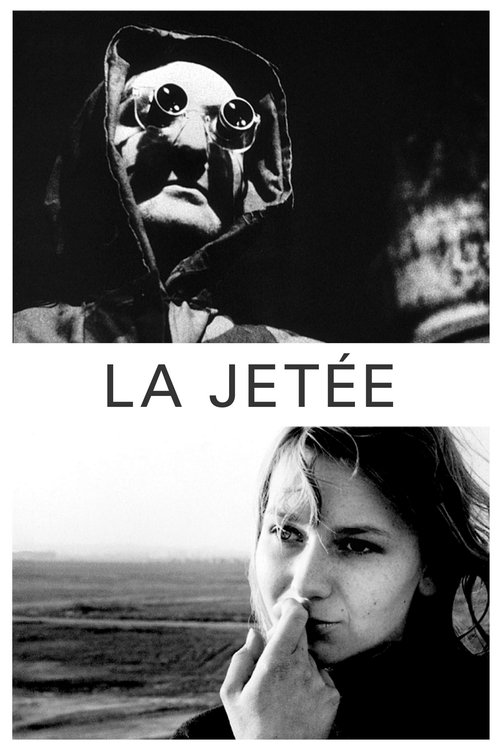
La Jetée1962
Both films make time itself the subject—how we move through it, how it marks us. Ozu through slow observation; La Jetée through fragmentation and repetition. Both prove cinema's greatest power is to hold feeling still.
A science-fiction film made almost entirely of still photographs—a man moving through memory and time. Haunting, formally radical, about thirty minutes long. Proof that cinema is about emotion and rhythm, not action. Related through form: Ozu uses stillness and duration; La Jetée uses photographic stasis to achieve the same emotional depth.
But Not a conventional film. Some experience it as beautiful, others as insufferably static. The narration is crucial and some find it precious.
More like this (8)
Moonlight2016
Three chapters of a Black boy's life—childhood, adolescence, adulthood. Whispered, sensual, devastatingly alive. Captures the precise moment boys realize the world isn't built for them, echoing the brothers' awakening.
But Deliberately paced and poetic to the point of opacity. Some dialogue is hard to catch. Requires active watching.

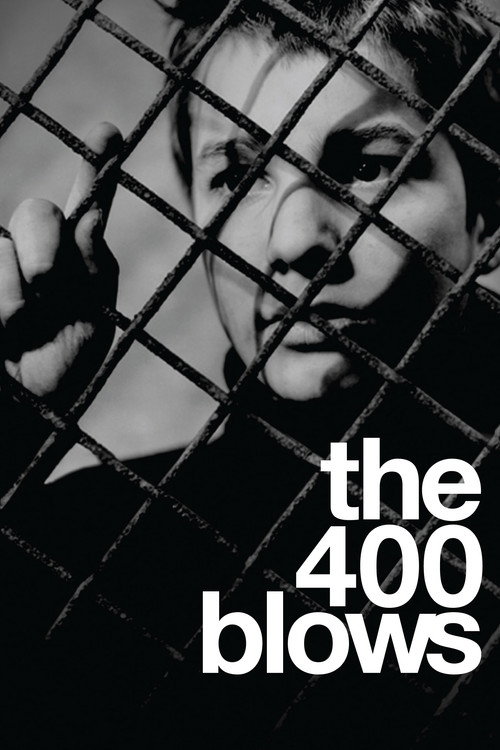
The 400 Blows1959
Truffaut's portrait of a Parisian boy adrift—school, parents, the street. Like Ozu, it's funny and heartbreaking. Watches like a memory: specific, unsentimental, entirely honest about childhood fury and confusion.
But Structurally loose. Nothing is resolved. The famous final shot divides people on whether it's hopeful or devastating.
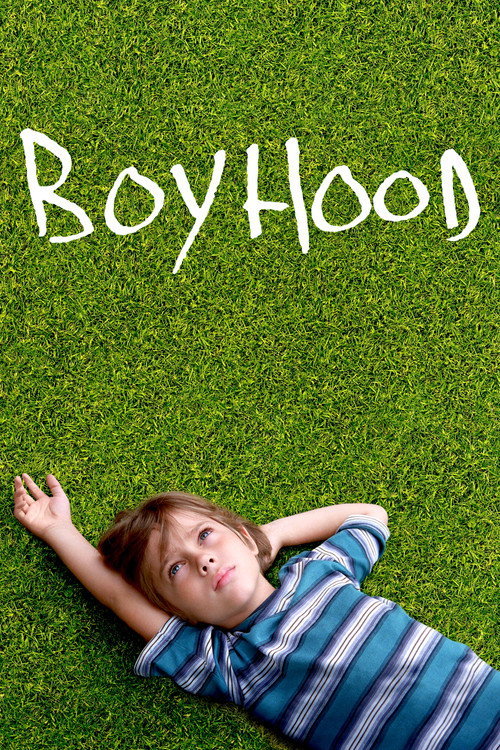
Boyhood2014
Filmed over twelve years with the same cast. A direct descendant of Ozu's patient observation. Ordinary life accumulates into something profound. A technical achievement that never feels like a stunt.
But Three hours and twenty minutes of a boy growing up without conventional drama. Some find it noble and others find it tedious. There is no middle ground.
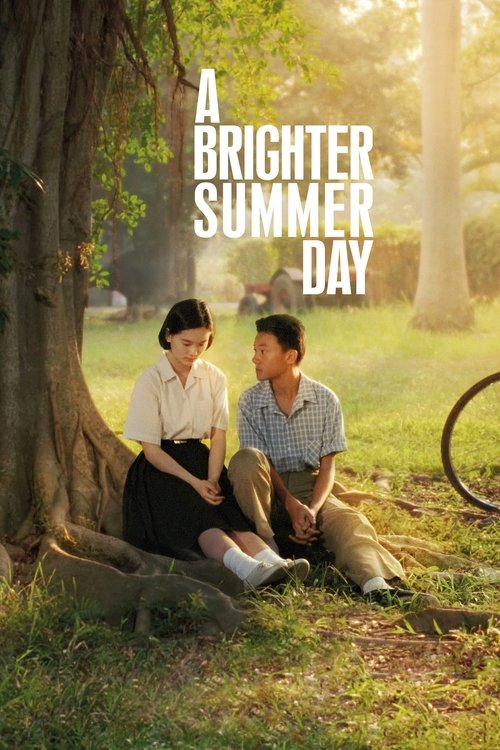
A Brighter Summer Day1991
Edward Yang's four-hour Taipei epic about gangs, adolescence, and a society in flux. Epic scale applied to intimate coming-of-age. Visually stunning and emotionally exhausting. Changed what was possible in cinema.
But Four hours. Mandarin with subtitles. The pacing is unhurried and the narrative is deliberately fragmented. Demands serious commitment.
Ikiru1952
Kurosawa's portrait of a dying bureaucrat finding meaning. The inverse of *I Was Born, But...* — an old man discovering what he surrendered to duty. Devastating, clarifying, essential.
But Relentlessly sad. The second half is nearly unbearable. A film about confronting mortality isn't for when you want escape.

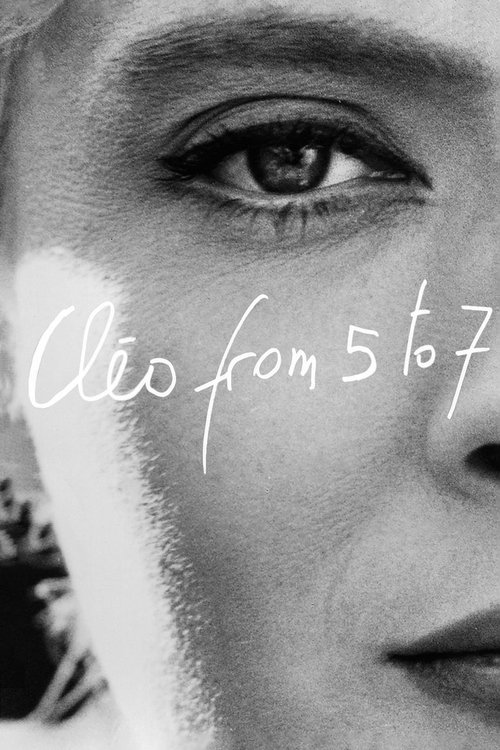
Cléo from 5 to 71962
Agnès Varda follows a woman for ninety minutes in real time, waiting for test results. Playful and increasingly anxious. Like Ozu, it finds philosophy in the smallest moments—walking, waiting, being observed, being unseen.
But Experimental and formally demanding. Not interested in plot mechanics. If you need things to happen, this will frustrate you.
Umberto D.1952
Both watch ordinary people discover that society has rules they didn't know about and don't like. The brothers learn power is a commodity; Umberto learns that age and poverty mean erasure. Ozu finds humor in the discovery; De Sica finds only dignity.
De Sica's portrait of an elderly pensioner and his dog in postwar Rome. Utterly plotless, utterly devastating. A man's quiet struggle with dignity and redundancy. The inverse of the brothers' story—a man at the end asking what his life meant.
But Nearly unbearably bleak. Formally sparse. Some find it depressing rather than moving. Requires patience with quietness and diminishment.

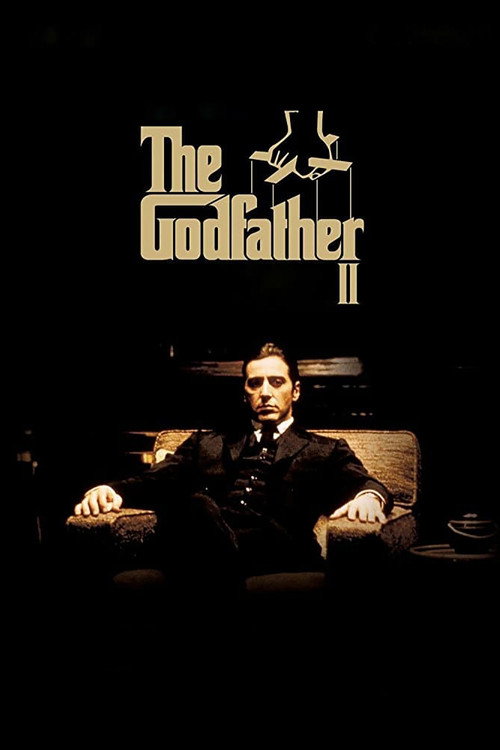
The Godfather Part II1974
The brothers watch their father humiliate himself and lose respect. Michael's entire trajectory is him watching his father's compromises and vowing never to be weak, which destroys him. Both films argue that what you think you understand about power in childhood is wrong, and the education costs everything.
Coppola intercuts two stories: Vito Corleone's rise and Michael's consolidation of power. The second half is about what ambition costs; the first about how power corrupts from the moment you grasp for it. Like *I Was Born, But...*, a meditation on what fathers teach sons and what sons must unlearn about strength.
But Over three hours. Violent and morally bleak. Some find it self-important. The parallel structure can feel mechanical rather than organic.
People
Cast
 Tatsuo SaitōYoshi
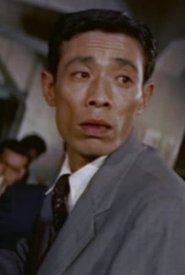 Tomio AokiKeiji
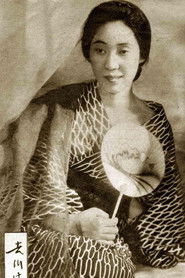
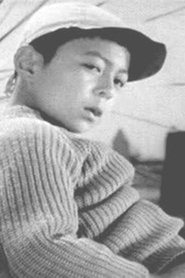 Hideo SugawaraRyoichi
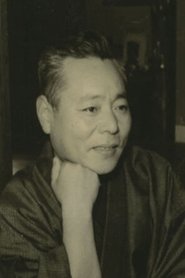 Takeshi SakamotoJuuyaku
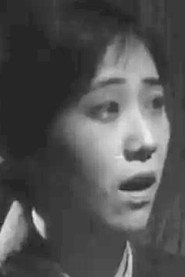 Teruyo HayamiFujin
- Seiichi KatôKodomo
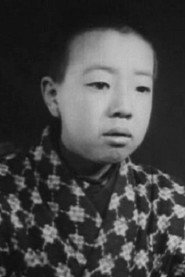 Shoichi KofujitaDelivery Boy
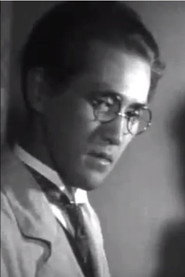 Seiji NishimuraTeacher
- Zentaro IijimaFriend
- Shôtarô FujimatsuFriend
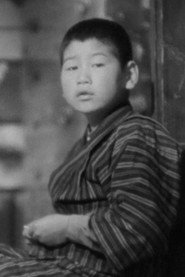 Masao HayamaFriend
Directing
- Akira KiyosukeAssistant Director
- Kenkichi HaraAssistant Director
- Yasujirō OzuDirector
Writing
- Yasujirō OzuIdea
- Akira FushimiWriter
- Geibei IbushiyaWriter
Recommended by
Good Morning, Equinox Flower, Aparajito, Tokyo Twilight, Tokyo Chorus, There Was a Father, An Inn in Tokyo, What Did the Lady Forget?, The Only Son