
Film
There Was a Father
Yasujirō Ozu's 1942 masterpiece about a widowed schoolteacher and his son navigating poverty and separation in pre-war Japan. Intimate, unhurried, and crystalline—Ozu watches ordinary life with such tenderness that small moments become profound. It's for anyone moved by quiet dignity under constraint, and by the space between what people feel and what they can say.
Should you watch it?
Watch it if you love quiet, observant family dramas where the feeling builds from small gestures, shared meals and long pauses rather than from plot turns, and you don't mind a film that trusts stillness to say the important things.
Skip it if you need momentum or a clear dramatic engine, since this one moves at an unhurried, almost meditative pace and its emotional weight arrives slowly rather than through big confrontations.
What it asks of you: Ninety-three minutes of patience: long, composed shots and measured conversations that reward close attention, with a gentle, mostly restrained tone that never rushes to tell you how to feel.
Not sure? Find tonight's pick in a minute.
If you liked this
Tokyo Story1953
Ozu's most celebrated work, a family gathering that unfolds with the same patient grace and emotional depth. If you respond to *There Was a Father*, this will deepen everything you felt about it.
But It moves at a deliberate pace that rewards attention but can feel slow if you're expecting plot-driven drama.

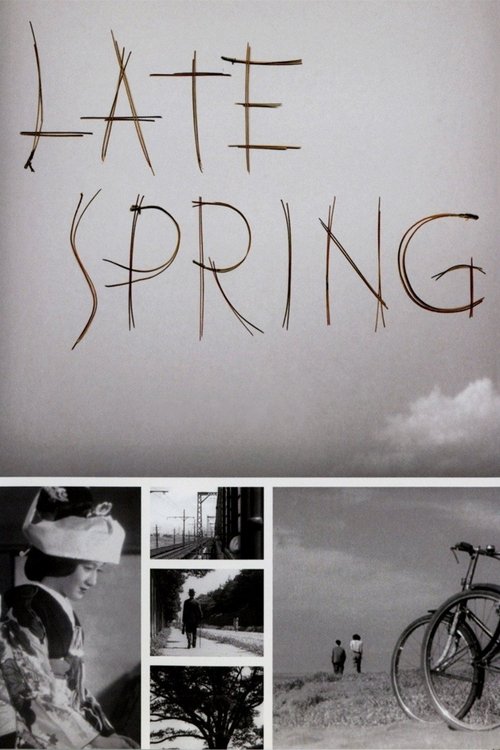
Late Spring1949
Another Ozu father-child story, this time about a widower and his daughter. The quietness hides immense emotional complexity and a heartbreaking final scene that lingers for days.
But The resolution hinges on a deception that modern audiences sometimes find paternalistic, even if the film itself understands the cost.
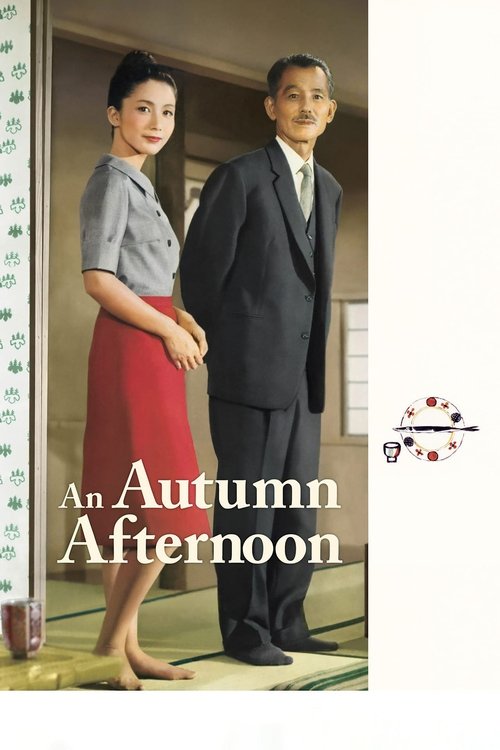
An Autumn Afternoon1962
Ozu's final film, another meditation on aging fathers and the people they love slipping away. It's suffused with acceptance and melancholy beauty—perhaps his most complete statement on inevitability.
But At 111 minutes of minimal plot, it demands patience and rewards it unequally depending on your mood.
Not sure tonight? Get a pick in a minute, starting from There Was a Father
The wildcard
Something you would not have found on your own.
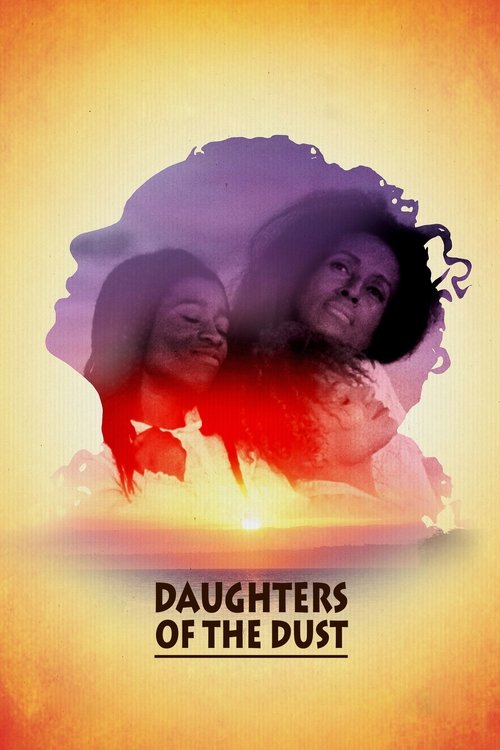
Daughters of the Dust1991
Both films are meditations on what families carry across time and separation—one through Japanese restraint, one through African-American lyricism. Both trust the audience to feel what cannot be said.
Julie Dash's experimental masterpiece about a Gullah family on the eve of migration, told through fragmentary scenes and ancestor-presence. Like Ozu, it finds transcendence in family ritual and the unspoken bonds between generations, but it does so through dreamlike visual language and Black feminine memory.
But The non-linear structure, dense symbolism, and long poetic takes demand active engagement; it refuses conventional storytelling entirely.
More like this (8)
Ikiru1952
Akira Kurosawa's study of a dying bureaucrat finding meaning in small acts. Like Ozu, it finds profundity in humility and the ordinary gestures that define a life well-lived.
But The tonal shift partway through—toward melodrama and sentimentality—may feel like it undercuts the subtlety of the first half.

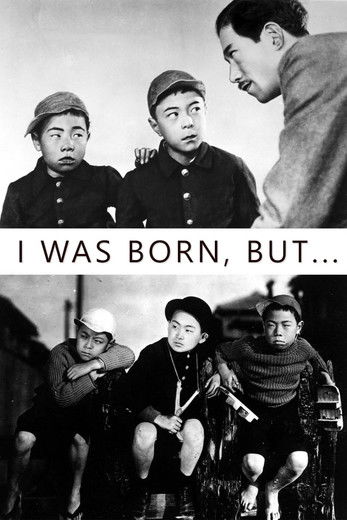
I Was Born, But...1932
Ozu's earlier work about fathers and sons, combining his observational humor with genuine pathos. You'll see the seeds of everything that would follow in his career.
But The print quality varies considerably; some versions are poor. The humor depends on acceptance of 1930s social hierarchies that may feel dated.
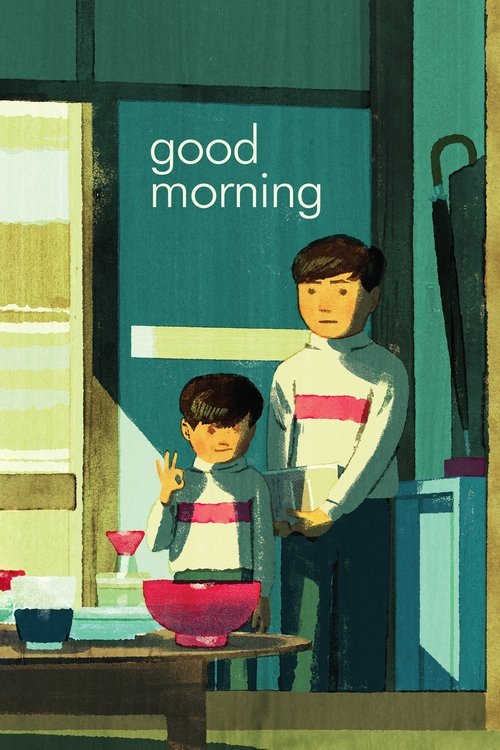
Good Morning1959
Ozu at his most playful—about a family and their neighbors, shot in color, with unexpected warmth and gentle comedy about children, silence, and what we owe each other.
But The lightness might disappoint if you're seeking the gravitas of *There Was a Father*; it's his most forgiving, least austere film.
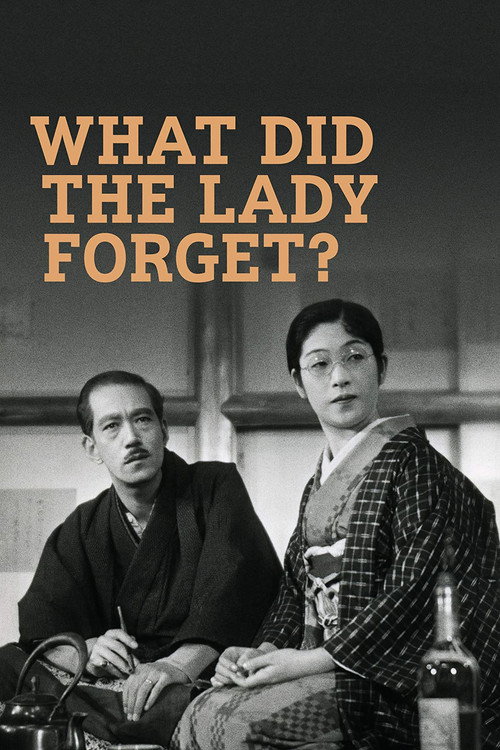
What Did the Lady Forget?1937
An earlier Ozu, shorter and more accessible, about a schoolteacher and family life. It shows his style already formed but still capable of surprise and feeling.
But It's slight, and harder to find in good condition; it lacks the depth that made Ozu essential in his later years.
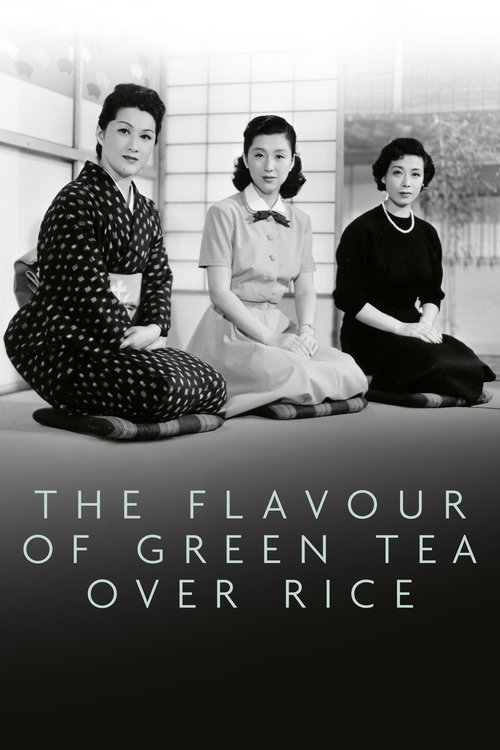
The Flavor of Green Tea Over Rice1952
Not about parents and children but about marriage and the small resignations that come with long commitment. Ozu's compassion for ordinary people doing their best is in every frame.
But The central couple's dynamic is understated to the point where their conflict barely registers as conflict at all.
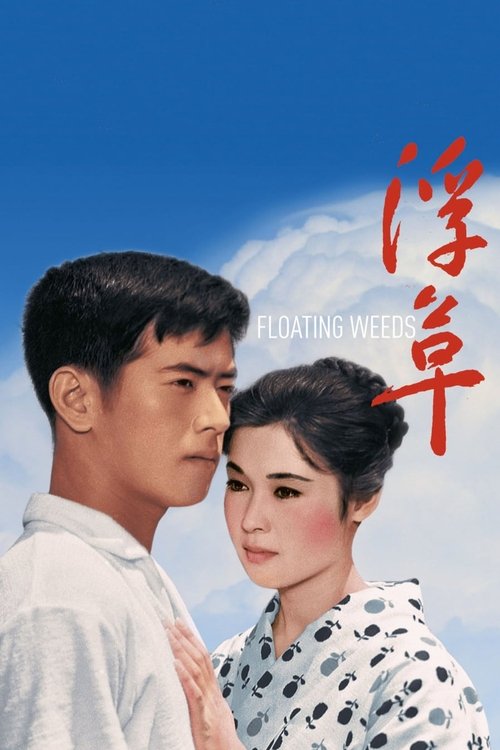
Floating Weeds1959
Ozu's sole color film and a reworking of an earlier silent—about an aging actor, his son, and the weight of past choices. Visually sumptuous and emotionally acute.
But The melodramatic plot (affairs, resentment, estrangement) sits oddly against Ozu's style; it's his most conventional narrative.
The Leopard1963
Both center on aging men confronting the impossibility of preserving the past. Both are elegies disguised as family dramas.
Luchino Visconti's sweeping Italian epic about an aging aristocrat watching his world transform. Three hours of visual grandeur, but the core is Ozu-like: a man trying to hold what he loves as everything changes, with dignity but also sorrow.
But The length, the operatic tone, and the focus on aristocratic decline are vastly different registers from Ozu's minimalism. It requires patience and investment in 1860s politics.

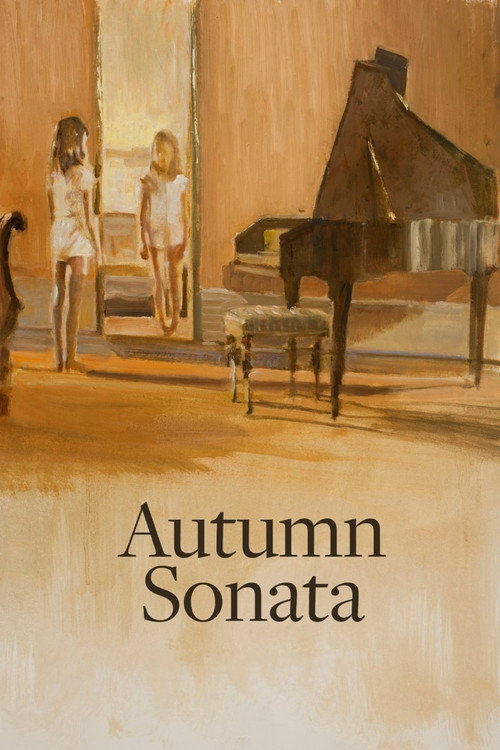
Autumn Sonata1978
Where *There Was a Father* honors silence as dignity, Bergman breaks it open as necessary violence. They are opposite approaches to the same wound.
Ingmar Bergman's chamber piece about a mother and adult daughter confronting decades of emotional distance in a single evening. Raw, intense, psychologically searching—the inverse of Ozu's restraint but aimed at the same territory: what parents owe their children, what silence costs.
But It's claustrophobic, painful, and emotionally demanding in ways that feel almost hostile. There is no comfort here, only truth and its aftermath.
People
Cast
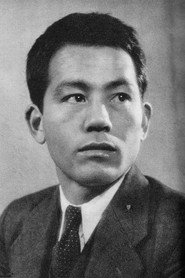 Chishū RyūShuhei Horikawa
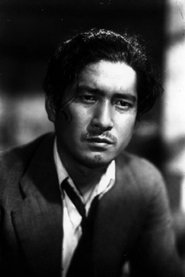 Shūji SanoRyohei Horikawa
- Haruhiko TsudaYoung Ryohei
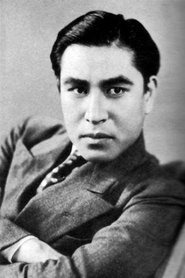 Shin SaburiYasutaro Kurokawa
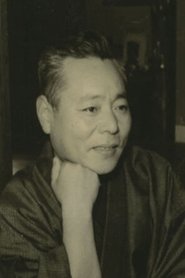 Takeshi SakamotoMakoto Hirata
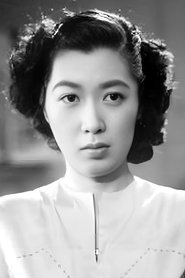 Mitsuko MitoFumi
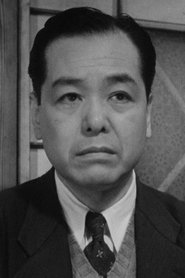 Shinichi HimoriMinoru Uchida
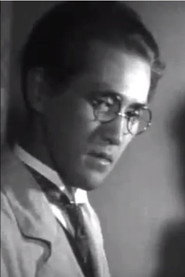 Seiji NishimuraPriest
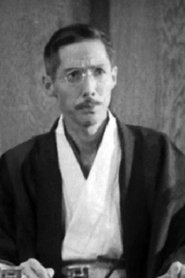 Reikō TaniTeacher of Chinese Literature
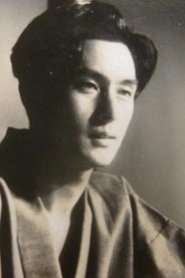 Kanji KawaraTeacher of Junior High School
- Yûsuke KurataTeacher of Junior High School
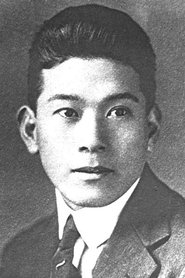 Kenichi MiyajimaCompany Employee
Directing
- Yasujirō OzuDirector
Writing
- Tadao IkedaWriter
- Takao YanaiWriter
- Yasujirō OzuWriter