
Film
Equinox Flower
Ozu's first colour film is a tender, funny examination of a father's resistance to his daughter's choice in marriage. It's unhurried and domestic, finding comedy and poignancy in the small rituals of family life. For anyone who believes the best dramas are really about people sitting in rooms, talking.
Should you watch it?
Watch it if you enjoy gentle domestic comedy where a stubborn patriarch's dignity is teased, and you like Ozu's patient, carefully composed frames and wry humour about family pressure.
Skip it if you want brisk plotting or a clear emotional payoff, since this is leisurely, talky and happy to let scenes drift through ordinary rooms and meals.
What it asks of you: Two hours of unhurried pacing and a fixed, careful camera that rewards settling in and watching faces across a dinner table rather than chasing the story.
Not sure? Find tonight's pick in a minute.
If you liked this
Tokyo Story1953
Ozu's masterpiece about family bonds and generational distance. If you loved the emotional precision and quiet humour of Equinox Flower, this is where that style reaches its apex. Devastating and tender.
But It moves at a deliberate pace—almost glacial by modern standards. If you need plot momentum or dramatic confrontation, you'll find it sparse.

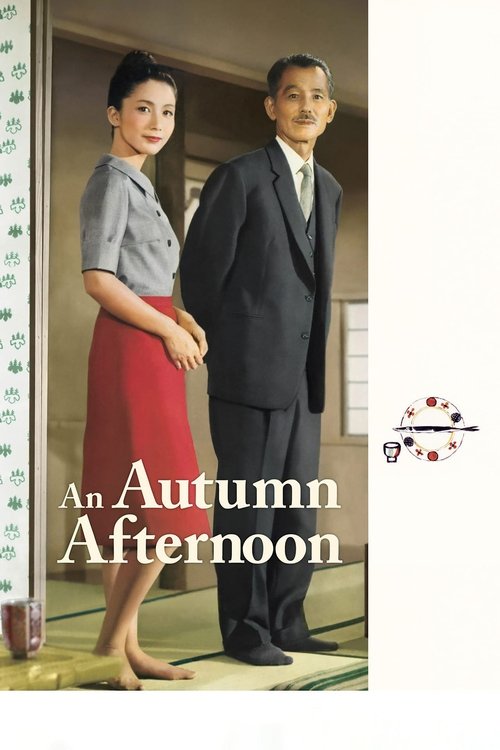
An Autumn Afternoon1962
Ozu's final film, another domestic comedy about a father and his daughter's marriage. It has the same warmth and gentle irony, but with a deeper melancholy about ageing and the passage of time. Sublime.
But The plot is slighter than Equinox Flower, and the film is even more meditative. Some will find it too quiet, too accepting of sadness.
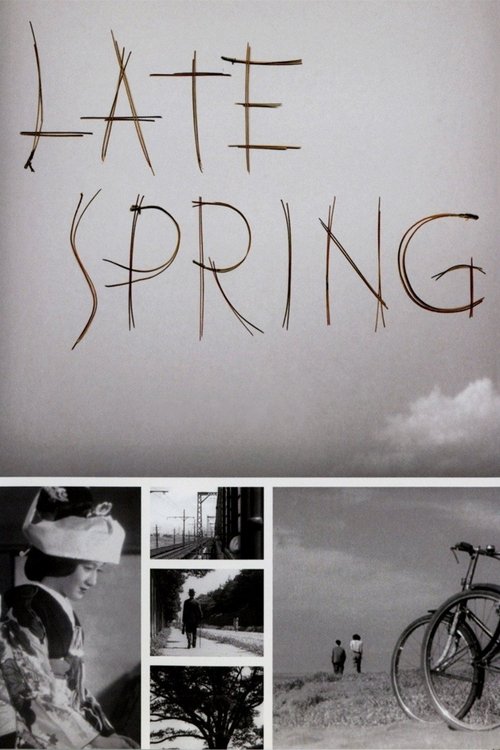
Late Spring1949
Another Ozu masterpiece about a father reluctant to let his daughter marry. The emotional core is deeper and more bittersweet than Equinox Flower, and the cinematography is exquisite. A true classic.
But Shot in black and white on a smaller budget than Equinox Flower. If you're drawn to colour and production scale, this might feel austere by comparison.
Not sure tonight? Get a pick in a minute, starting from Equinox Flower
The wildcard
Something you would not have found on your own.
Harakiri1962
Both examine what happens when individuals clash with immovable social expectations. Both are Japanese New Wave films wrestling with tradition versus personal freedom—one gently, one with a katana.
Masaki Kobayashi's masterpiece is a samurai film that interrogates rigid tradition and social duty—the exact same moral territory as Equinox Flower, but through blood and honour instead of marriage negotiation. It's visually stunning and morally shattering.
But It's violent, formal, and relentlessly bleak. Where Equinox Flower finds comedy in compromise, Harakiri finds tragedy in the impossibility of it. The tone is austere and unforgiving.

More like this (8)
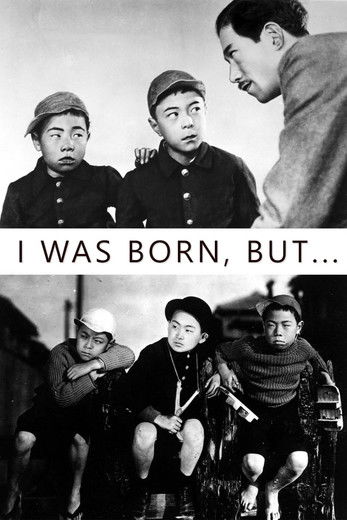
I Was Born, But...1932
An earlier Ozu comedy about family life and social hierarchy, with the same dry wit and observational genius. You'll see the roots of everything he'd perfect later. Remarkably modern in its sensibility.
But It's much shorter and looser than Equinox Flower, made in the silent era. The comedy style is broader, and the social world feels very distant.
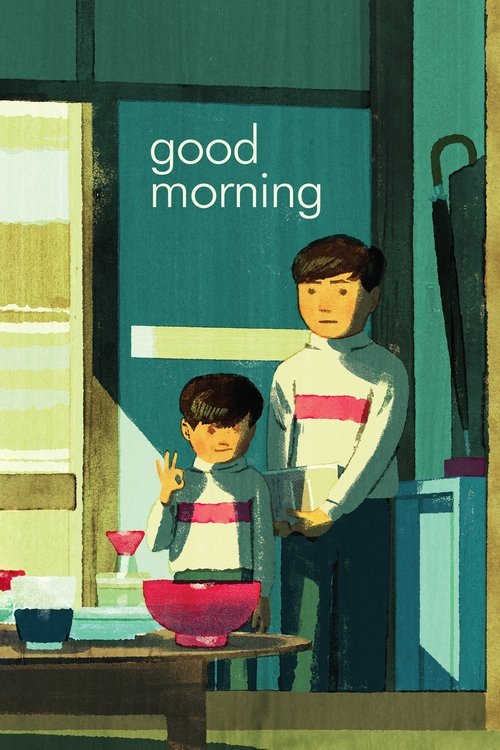
Good Morning1959
A colour comedy by Ozu made just after Equinox Flower, about children who go on a speaking strike. It's lighter and more playful, with genuine laugh-out-loud moments alongside social observation. Utterly charming.
But The ensemble cast and multiple storylines make it less focused than Equinox Flower. It can feel scattered if you're not in the mood for a ramble.
Ikiru1952
Kurosawa's meditation on mortality and meaning, set in a Japanese bureaucratic world. Like Equinox Flower, it finds profound humanity in ordinary lives, but with greater emotional weight and urgency. Unforgettable.
But It's far heavier—about a man dying of cancer. The tone is elegiac rather than comedic. Not comfort viewing, though it's deeply rewarding.

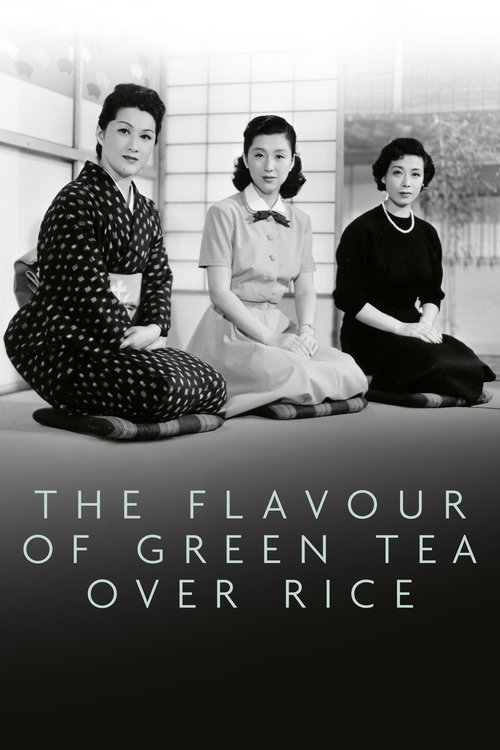
The Flavor of Green Tea Over Rice1952
Another Ozu gem about marriage and domestic compromise. A couple drifts apart; the film explores how love can survive indifference. Witty, wise, and deeply humane about the texture of long relationships.
But The conflict is entirely internal and psychological. If you need external obstacles or dramatic stakes, the quietness might feel like stasis.
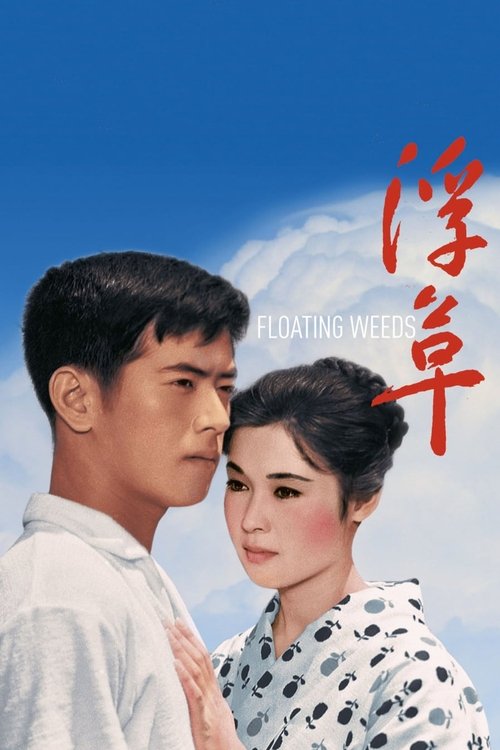
Floating Weeds1959
Ozu's colour remake of an earlier film about a travelling theatre troupe. It's both comedy and tragedy, capturing the melancholy of a life spent in performance. The colour cinematography is ravishing.
But The plot meanders deliberately, and the ending offers resignation rather than resolution. It's contemplative to the point of stillness.
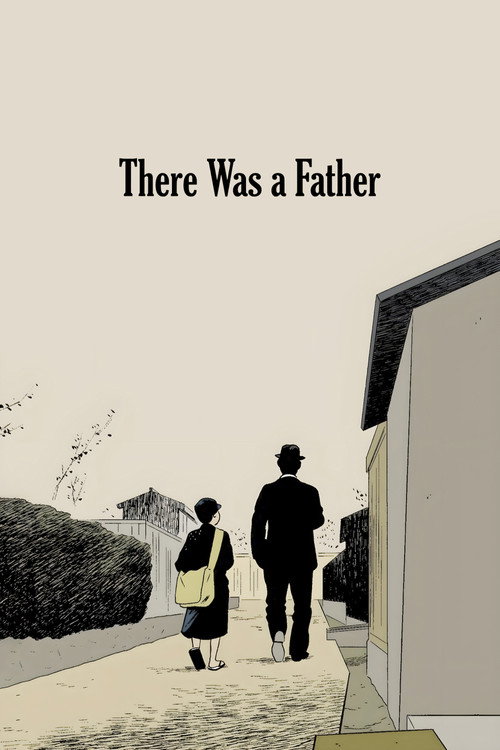
There Was a Father1942
Ozu's wartime film about a father and son's relationship across decades. It shares Equinox Flower's interest in family bonds, but with a deeper sadness. A moving study of duty, sacrifice, and quiet love.
But Made during the war, it has a sombre, restrained quality that can feel heavy. The black-and-white cinematography and period feel are distant from Equinox Flower's colour warmth.
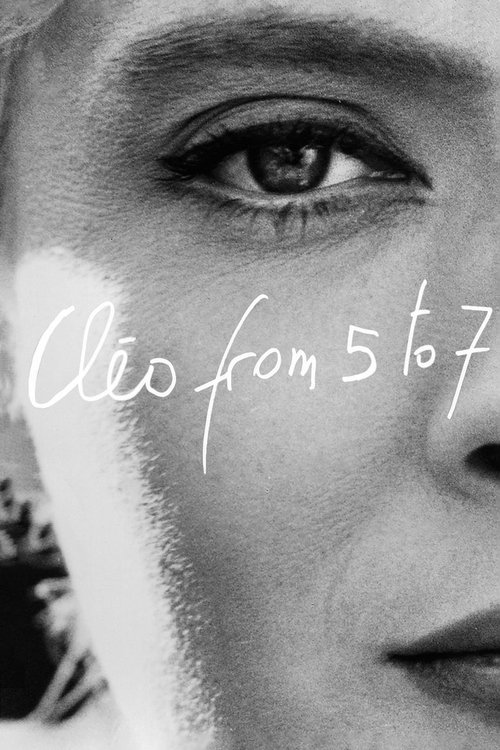
Cléo from 5 to 71962
Both films trust ordinary life and human conversation to carry emotional weight. Both use domestic or everyday settings to explore deeper questions about identity, agency, and how we live. Both are formally assured enough to make nothing feel like nothing.
Agnès Varda's real-time portrait of a woman waiting for test results, shot entirely on the streets of Paris. Like Equinox Flower, it finds profound observation in small moments and everyday conversation. Luminous and humanistic.
But It's plotless and French New Wave—deliberately anti-dramatic. Some will find the lack of arc or resolution frustrating. The pacing is European and meditative.
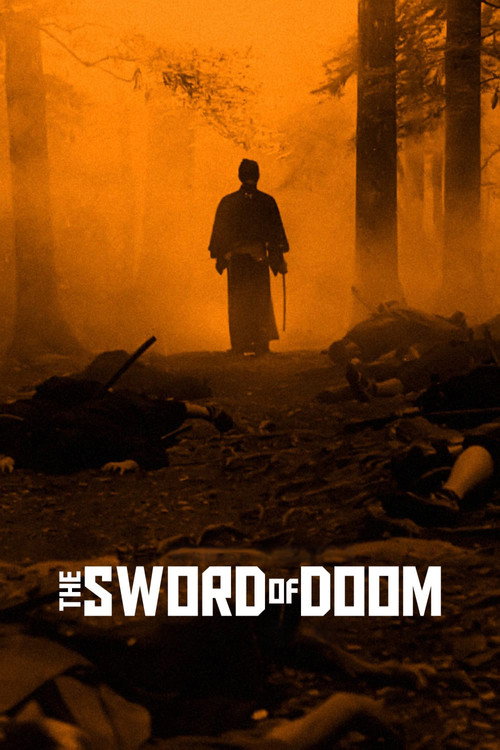
The Sword of Doom1966
The thematic inverse of Equinox Flower. Where Ozu shows a man learning to accept change and let go, this shows a man unable to change, trapped by his own rigid code. Both are Japanese films about the collision between the self and social evolution, but one finds grace and the other finds only destruction.
Tatsuya Nakadai in a haunting samurai film about a swordsman whose only morality is violence. It's visually radical—distorted perspectives, nightmarish compositions—and it uses the samurai genre to explore alienation and the death of tradition.
But It's bleak, confusing, and formally experimental in ways that can feel pretentious or inaccessible. There's no warmth, no domestic comfort, and it ends in genuine darkness.
People
Cast
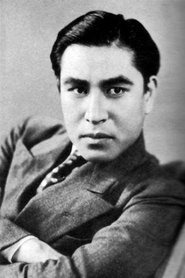 Shin SaburiWataru Hirayama
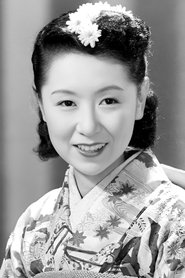 Kinuyo TanakaKiyoko Hirayama
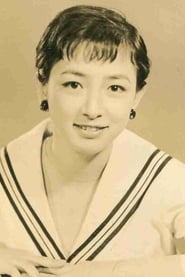 Ineko ArimaSetsuko Hirayama
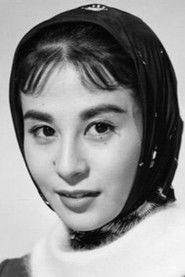 Yoshiko KugaFumiko Mikami
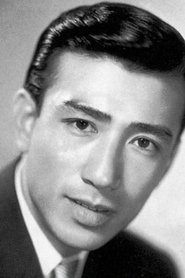 Keiji SadaMasahiko Taniguchi
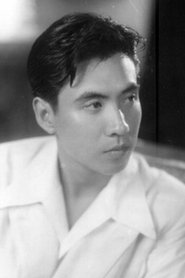 Teiji TakahashiShotaru Kondo
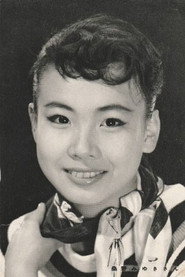 Miyuki KuwanoHisako Hirayama
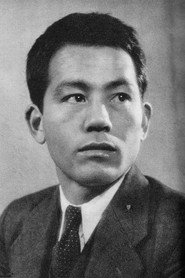 Chishū RyūShukichi Mikami
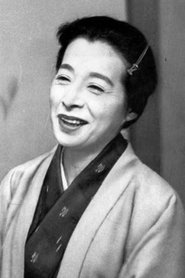 Chieko NaniwaHatsu Sasaki
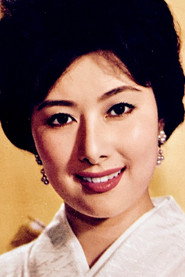 Fujiko YamamotoYukiko Sasaki
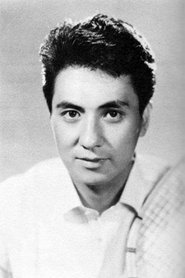 Fumio WatanabeIchiro Nagamura
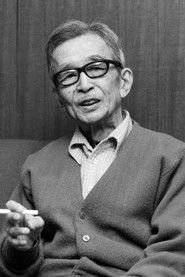 Nobuo NakamuraToshihiko Kawai
Directing
- Kôzô YamamotoAssistant Director
- Yasujirō OzuDirector
Writing
- Ton SatomiNovel
- Kōgo NodaScreenplay
- Yasujirō OzuScreenplay
Production
- Shizuo YamanouchiProducer
Recommended by
Late Spring, Tokyo Twilight, The Munekata Sisters, Early Spring, Sound of the Mountain, The Only Son