
Film
The Munekata Sisters
A 1950 Japanese drama about two sisters whose lives intertwine around an old flame who returns from abroad. Ozu's finest achievement: a film of astonishing emotional depth that finds tragedy not in melodrama but in the quiet impossibility of things—glances held too long, conversations never quite had, love that cannot be spoken. It watches people with such tenderness you feel known.
Should you watch it?
Watch it if you love slow, observant family dramas where the drama lives in glances, unsaid feelings and the quiet cost of old romantic hesitations, shot with Ozu-like patience.
Skip it if you want brisk plotting or a clear emotional payoff; the film moves at a measured domestic pace and leaves much of its heartache hanging in small exchanges.
What it asks of you: It runs about two hours at an unhurried pace, asking you to sit with long conversations and small gestures rather than expecting big scenes to deliver the feeling for you.
Not sure? Find tonight's pick in a minute.
If you liked this
Tokyo Story1953
Ozu's masterpiece, which deepens everything you'll recognise in The Munekata Sisters. A family reunion where the real story lives in pauses, the way people sit, what gets said over tea. Unbearably moving.
But It moves at the pace of actual life, not cinema. If you need plot propulsion, you'll find it glacial. Very long silences.

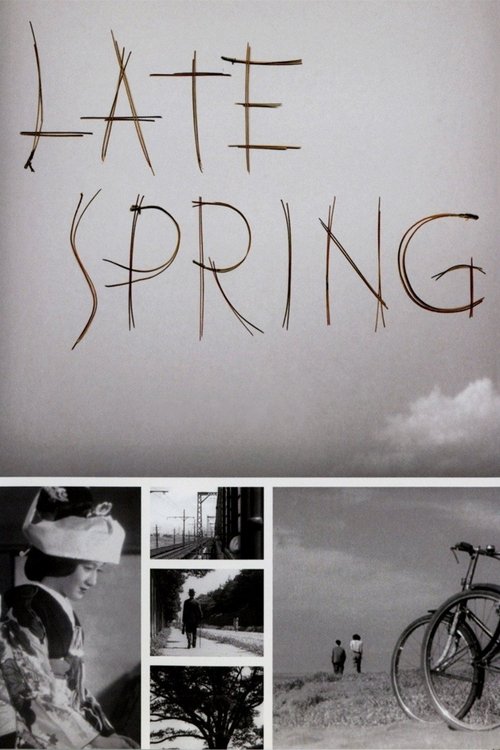
Late Spring1949
Ozu again, one year before Munekata Sisters, with the same gift for finding the ache in ordinary family life. A father and daughter; mortality; duty; the things we don't say. Essential viewing.
But Formally sparse. No music, minimal camera movement. It asks you to look closely at faces and accept that this is enough.
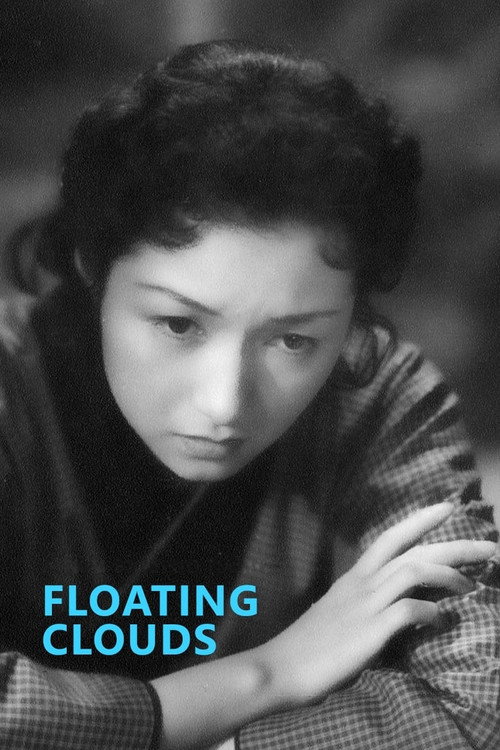
Floating Clouds1955
A Japanese couple haunted by their past in Indochina, unable to escape each other despite impossible love. The same key—regret, longing, the damage time cannot heal. Mizoguchi at his most piercing.
But Darker and more relentlessly tragic than Munekata Sisters. The woman's suffering is the point, not a subplot. Difficult to shake.
Not sure tonight? Get a pick in a minute, starting from The Munekata Sisters
The wildcard
Something you would not have found on your own.
Pather Panchali1955
Both films locate tragedy in the texture of daily life and family bonds. Both trust the camera to watch people without music or manipulation. Both understand that the deepest stories are the ones nobody speaks aloud.
Ray's Bengali masterpiece about a poor family and a boy's coming of age. Shares Ozu's gift for finding profound humanity in ordinariness, but through poverty, hunger, and scarcity rather than emotional constraint. Same spiritual depth, completely different world.
But Slow, plotless, about deprivation and childhood. If you want narrative momentum or relief, look elsewhere. Also: the subtitles are essential, and some prints are rough.

More like this (8)
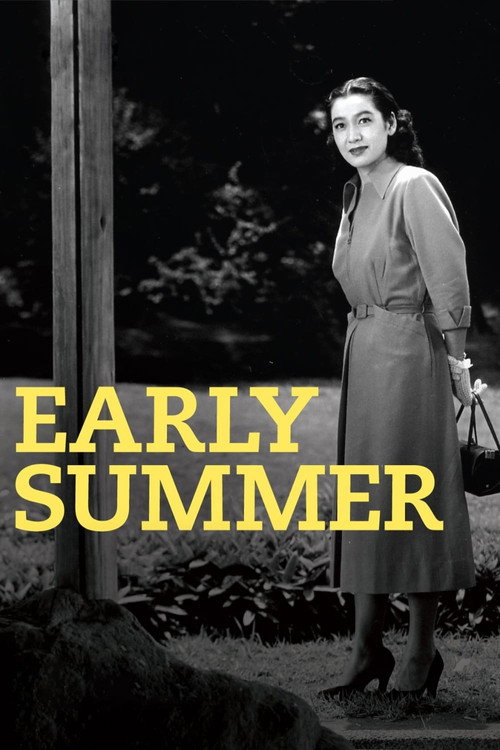
Early Summer1951
Ozu's next film after Munekata Sisters. A young woman, her family, marriage, duty, and the pressure to choose the life expected of you. That same quiet devastation, now with even more grace.
But Requires patience with slowness. Ozu does not build in conventional ways. You have to let the film's rhythm become yours.
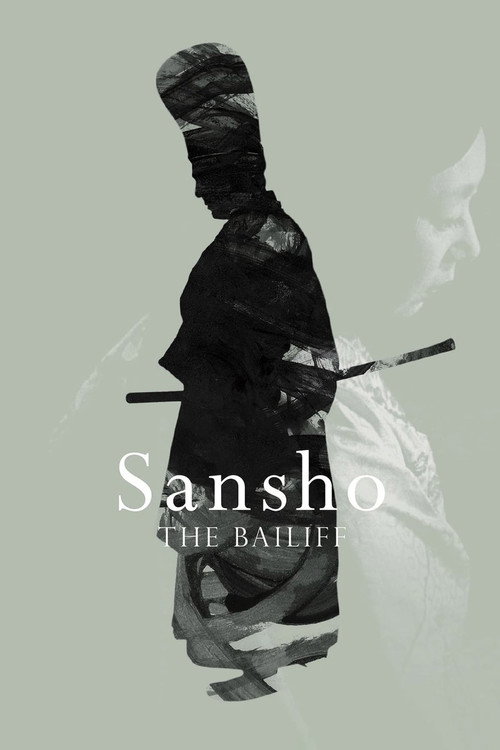
Sansho the Bailiff1954
Mizoguchi's masterpiece about separation and suffering, where family bonds are tested by cruelty and circumstance. Shifts the register entirely but shares that depth of feeling about duty, love, and impossibility.
But Harder viewing. Actual suffering is the subject. It's transcendent but not comforting, and the emotional cost is real.
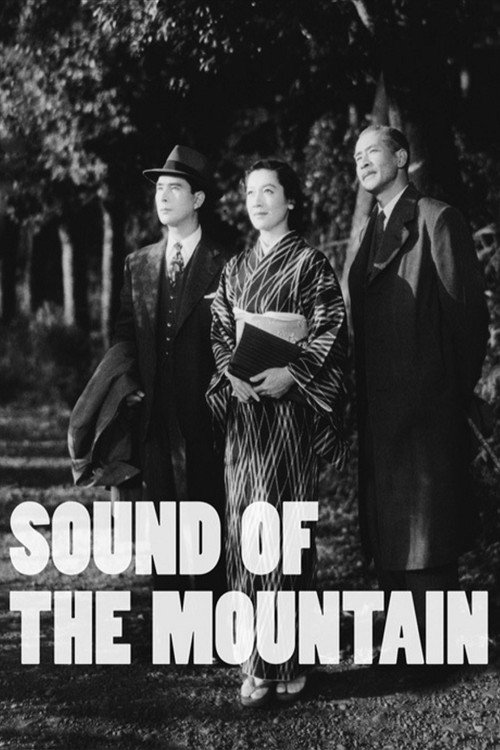
Sound of the Mountain1954
An older man, his daughter-in-law, unspoken attraction, and the weight of family obligation. Mizoguchi finds tenderness in impossible positions. Similar emotional architecture, different story.
But The pacing takes adjustment. Modern viewers used to faster cutting will feel the stillness as slowness at first.
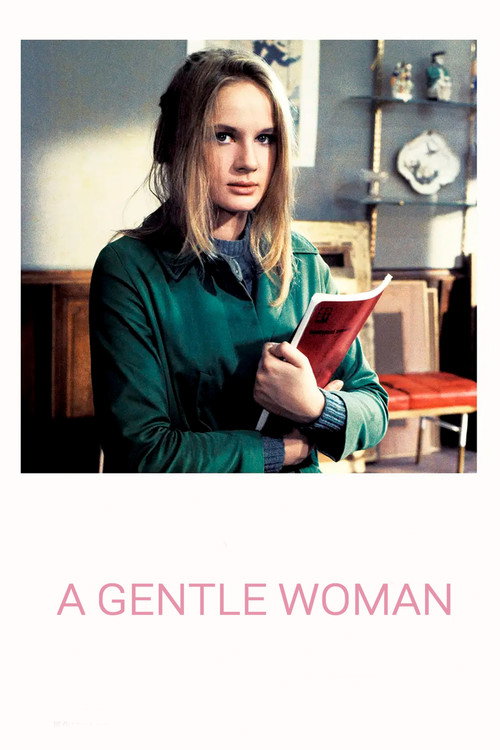
A Gentle Woman1969
Bresson's film about a marriage and suicide, told through objects and silences. Not Japanese, but spiritually aligned with Munekata Sisters: the violence of quiet longing, what goes unsaid in families.
But Austere to the point of emptiness. No music, minimal performance, maximum constraint. Difficult on purpose.
The Bad Sleep Well1960
Kurosawa's meditation on corruption, duty, and marriage, with a woman at its moral centre who endures impossible circumstances. Different genre entirely, but the same weight of obligation and unspoken pain.
But It's a thriller, and thrillers can feel pulpy after Ozu. Some will find it a step down in subtlety, a return to plot.

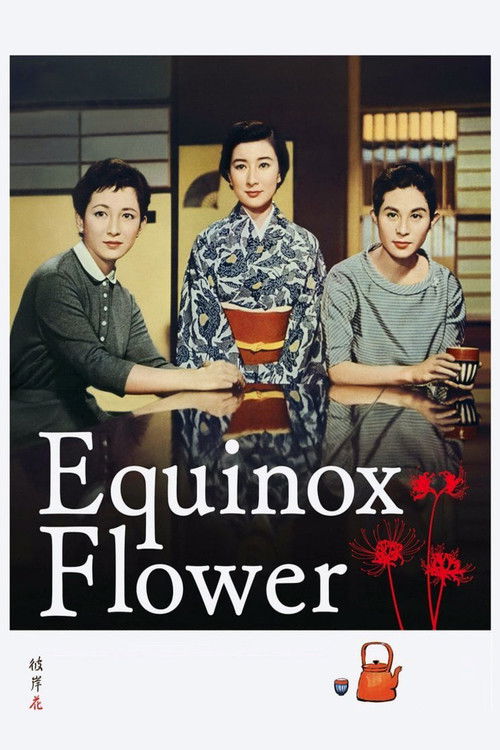
Equinox Flower1958
Ozu's first colour film, about a father struggling with his daughter's marriage. Returns to Munekata Sisters terrain: family, duty, generational difference, the things parents and children cannot say to each other.
But By Ozu's standards, this is lighter. If you want that film's intensity, this is a sideways step into a gentler register.
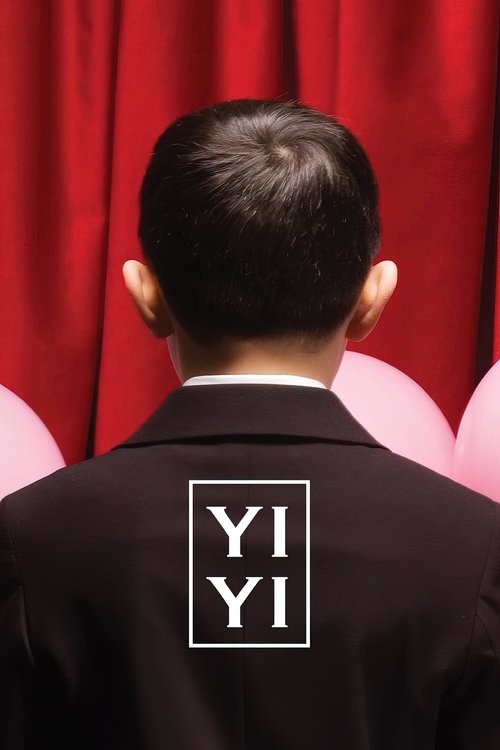
Yi Yi2000
Both are architectural films about family as a structure that holds people in place—loving and suffocating at once. Both see marriage and kinship as prisons made of duty and tenderness in equal measure.
Edward Yang's Taiwanese epic about three generations and the failure of people to truly reach each other across time. Longer than Munekata Sisters but with its DNA—the way modern life mirrors old constraints, how families trap and love simultaneously.
But Three hours. Multiple storylines. It's a novel, not a short story. Requires commitment and active attention, and the ending will not resolve what you expect.
Ikiru1952
Both films ask: what matters when everything you wanted slips away? Both answer with attention to human kindness, small gestures, the value of presence. Both are about what we leave behind and how we live with longing.
Kurosawa's film about a dying man finding meaning in bureaucratic kindness. Surfaces are different—this is about work, community, mortality—but the emotional register is identical: quiet, profound, about the dignity of ordinary lives and the ache of incompletion.
But It's about death and meaninglessness. The tone is austere. Some will find it punishing. And Kurosawa's style is busier than Ozu's, less meditative on the surface.

People
Cast
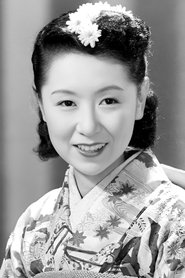 Kinuyo TanakaSetsuko Munekata
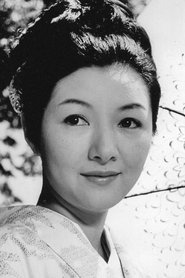 Hideko TakamineMariko Munekata
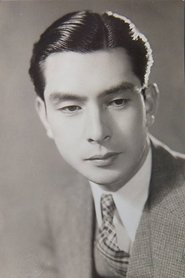 Ken UeharaHiroshi Tashiro
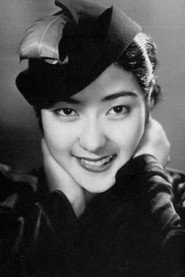 Sanae TakasugiYoriko Mashita
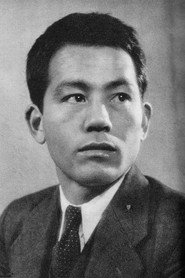 Chishū RyūTadachika Munekata
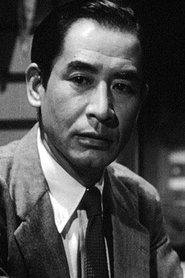 So YamamuraRyosuke Mimura
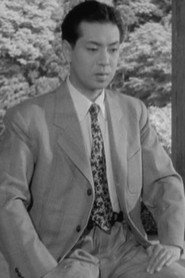 Yūji HoriMaejima
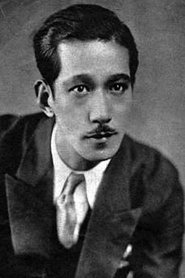 Tatsuo SaitōJou Uchida
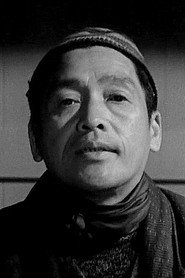 Kamatari FujiwaraSangin's Master
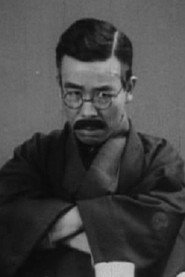 Reikichi KawamuraSangin's Customer
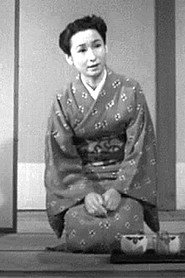 Setsuko HorikoshiSangin's Maid
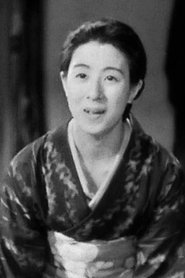 Yoshiko TsubouchiMieko
Directing
- Seiichiro UchikawaAssistant Director
- Yasujirō OzuDirector
Writing
- Kōgo NodaScreenplay
- Yasujirō OzuScreenplay
- Jiro OsaragiStory
Production
- Eisei KoiExecutive Producer
- Hiroshi HigoExecutive Producer