
Film
Tokyo Twilight
- Family drama
- Slow-burning
Ozu's elliptical masterpiece about two sisters confronting the mother who abandoned them, and the unbridgeable distance between what we need to believe and what we learn to be true. It's a film of long silences, domestic spaces, and the small cruelties families inflict without meaning to. For those who find depth in restraint.
Should you watch it?
Watch it if you care more about quiet, watchful family rooms and the slow friction of ordinary disappointments than about plot, and you are happy to let a melancholy mood sit for a long time.
Skip it if you need melodrama or a tight dramatic arc, since its restraint is severe and its pacing glacial across 141 minutes.
What it asks of you: Settle in for a long, unhurried sitting of just over two hours, where the camera lingers on rooms and faces and the feelings arrive indirectly.
Not sure? Find tonight's pick in a minute.
If you liked this
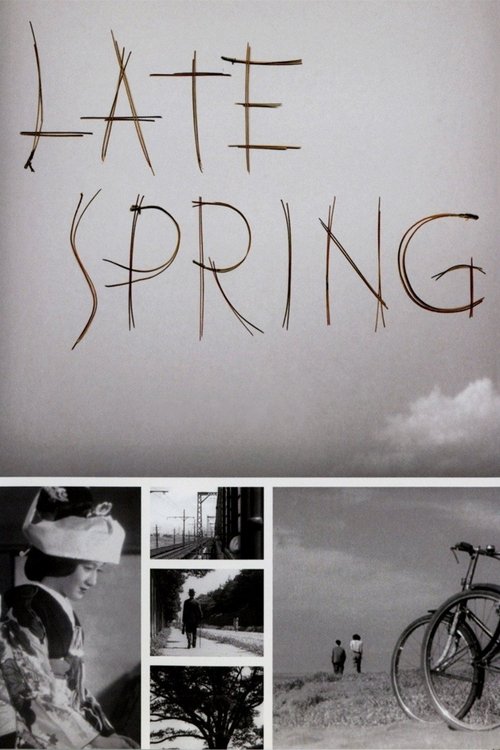
Late Spring1949
Ozu's most perfect film: a father and daughter navigating the unspoken currents beneath everyday life, the way love can become a kind of cage. If you haven't seen it, start here.
But Virtually nothing happens in the conventional sense. The pacing asks patience; the emotional impact arrives quietly, or not at all.
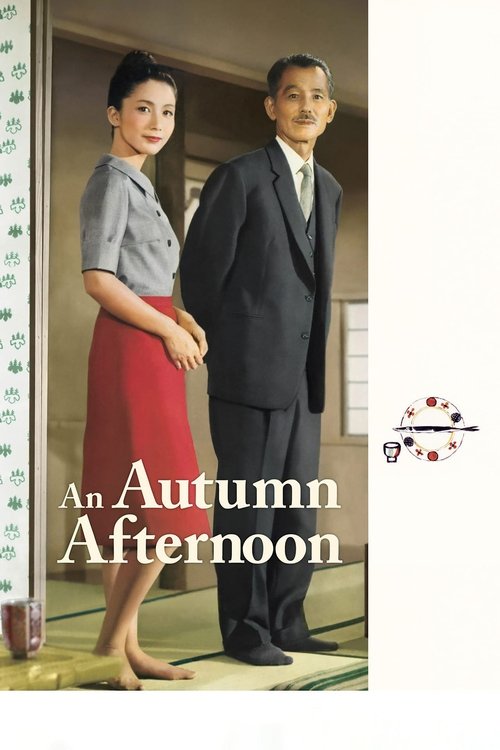
An Autumn Afternoon1962
Ozu's final film, equally masterful but darker, about an aging widower and his adult daughter. The same formal perfection applied to loneliness, duty, and the passing of time.
But Even slower than Late Spring. If you don't connect with Ozu's rhythm by now, this won't convert you.
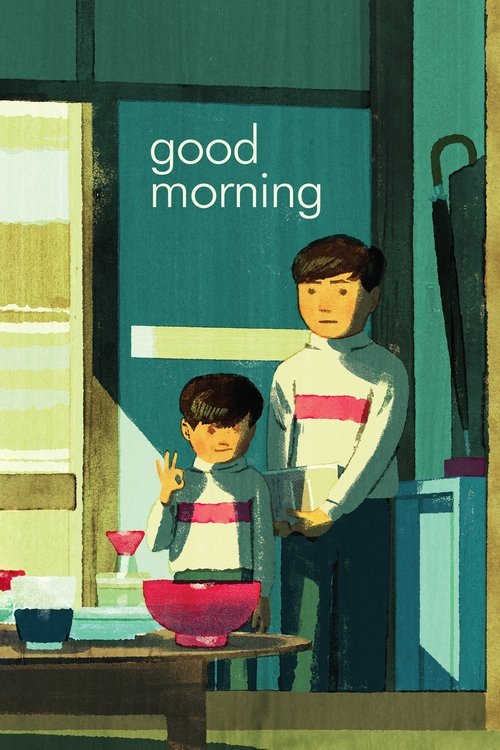
Good Morning1959
A lighter Ozu—almost a comedy—about a neighborhood thrown into turmoil when two boys refuse to speak. Sharp social observation wrapped in deadpan humor.
But The shift to color and comedy can feel jarring if you're coming from his graver work. The satire is gentle; some miss the bite.
Not sure tonight? Get a pick in a minute, starting from Tokyo Twilight
The wildcard
Something you would not have found on your own.
Ikiru1952
Both films use family estrangement and the confrontation with unlivable truths as a way to ask: what have we become, and when did we stop choosing?
Kurosawa's masterpiece about a dying bureaucrat searching for meaning. Like Tokyo Twilight, it's about the distance between how we live and how we should have lived, but it arrives at that distance through grief rather than abandonment.
But Three hours of accumulated dread. The second half abandons the protagonist's point of view entirely, which can feel emotionally cold.

More like this (7)
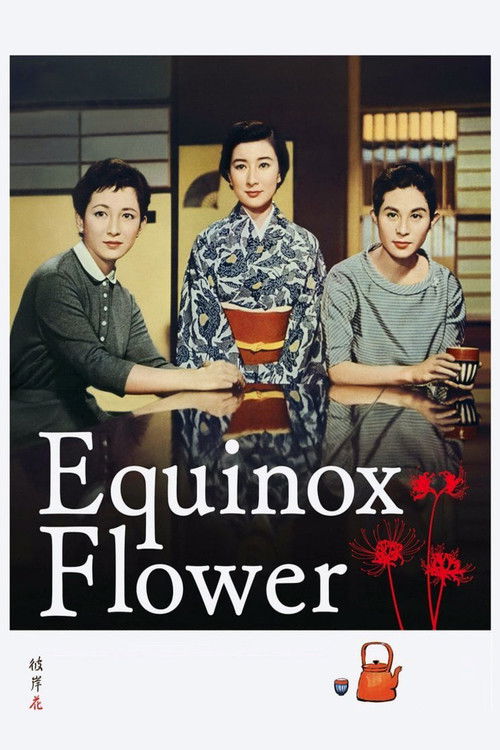
Equinox Flower1958
Ozu's first color film, about generational conflict and a daughter's independence. It's brighter than Tokyo Twilight but cuts just as deep about what families cannot say to each other.
But The technical novelty of color can distract from the emotional core. Some find the melodramatic plot elements untypical of Ozu.
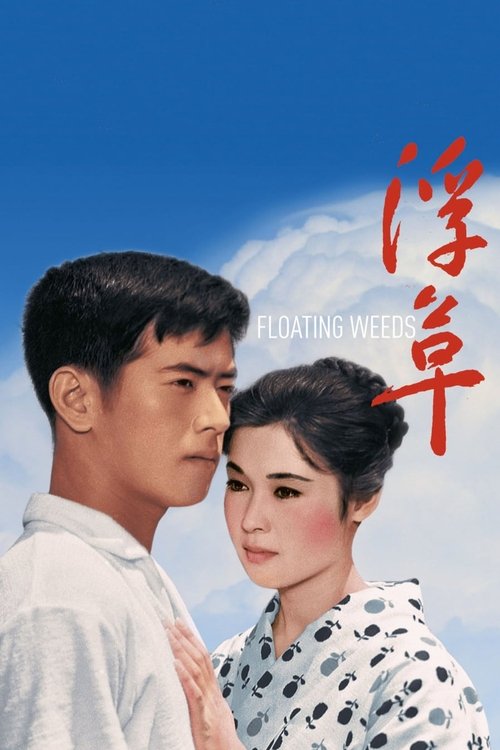
Floating Weeds1959
A traveling theater troupe returns to a small town; class, art, and old loves collide. Ozu's color palette and compositional precision are at their most visually stunning here.
But More plot-driven than his best work. The melodrama occasionally overshadows the subtle observation you expect from Ozu.
Tokyo Story1953
Ozu's most accessible film: an elderly couple visit their sons in Tokyo and find the world has moved on without them. Achingly human, funny, and devastating in equal measure.
But Often imitated and referenced; you may feel you've already absorbed it secondhand. The simplicity can read as slight on first viewing.

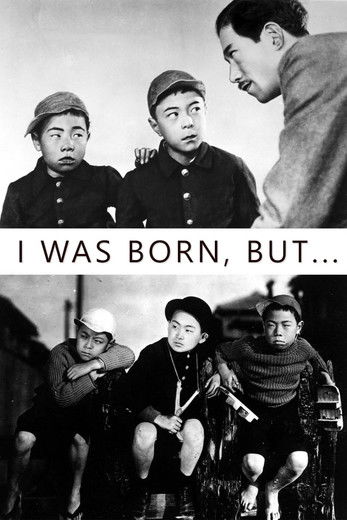
I Was Born, But...1932
A silent-era Ozu with sharp social critique: two boys discover their father is less important than they believed. Funny, cutting, and formally inventive for its time.
But Silent film requires adjustment. The humor, while present, is less warm than his sound work. The social context feels dated.
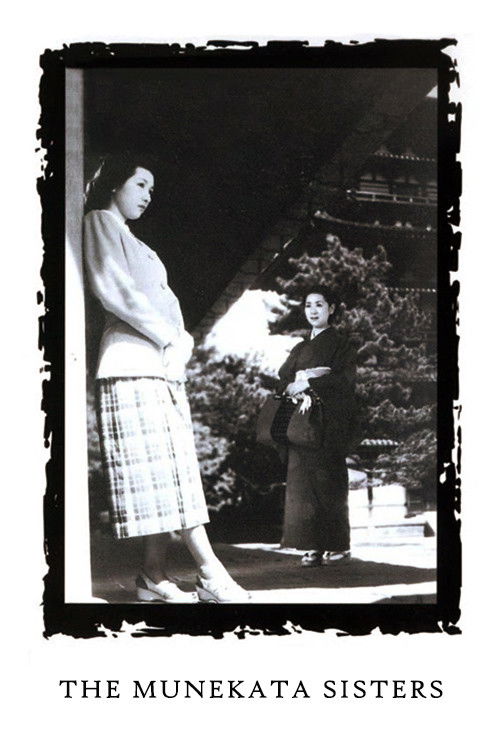
The Munekata Sisters1950
Another story of sisters and fractured family bonds, with a similar emotional DNA to Tokyo Twilight but lighter in touch. A good secondary entry point to Ozu.
But It's less urgent than Tokyo Twilight, sometimes feels like rehearsal for his greater works. Easier to admire than to love.
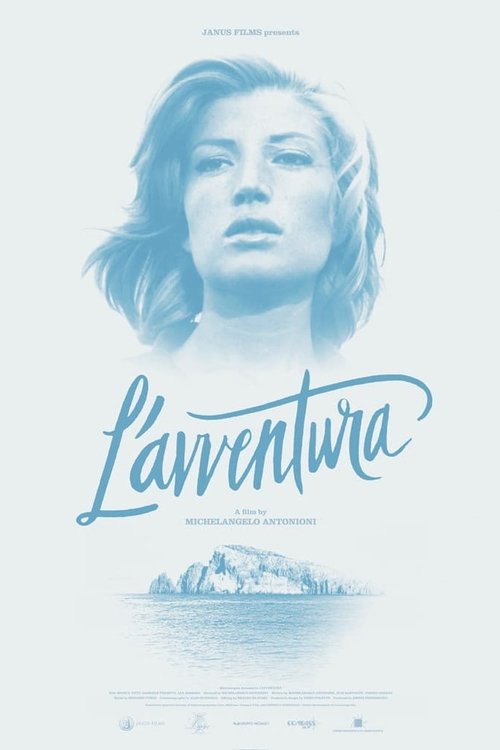
L'Avventura1960
Both present family/romantic bonds as fundamentally hollow or broken. But where Ozu finds tragedy in that, Antonioni finds only a blank stare.
Antonioni's glacial masterpiece about alienation and emotional absence in the modern world. A woman vanishes; her fiancé barely seems to notice. It's about the Tokyo Twilight question—why can't we feel what we're supposed to feel?—but applied to affluence and ennui.
But Deliberately slow, deliberately cold. No music, minimal plot. Designed to frustrate conventional narrative expectation. It's a film many respect but few love.
Pather Panchali1955
Both films argue that beauty and depth live in restraint, silence, and the observation of ordinary domestic life. Both trust the audience to feel without being told.
Ray's lyrical debut about poverty and family in rural Bengal. It shares Ozu's interest in the textures of daily life and the small moments that contain all our sorrow. A completely different cinema, but the same emotional truth.
But Bengali cinema from 1955 can feel visually rough. It's patient in ways that require you to surrender to its pace immediately or not at all.

People
Cast
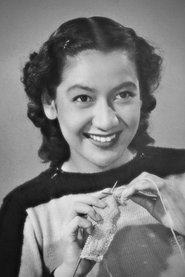 Setsuko HaraTakako Numata
 Ineko ArimaAkiko Sugiyama
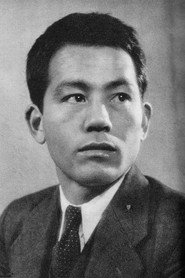 Chishū RyūShukichi Sugiyama
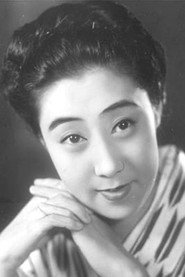 Isuzu YamadaKisako Soma
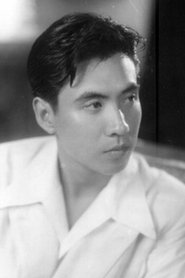 Teiji TakahashiNoburo Kawaguchi
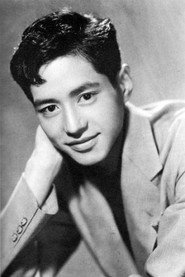 Masami TauraKenji Kimura
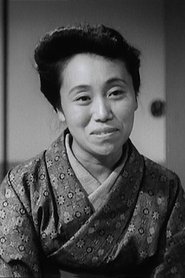 Haruko SugimuraShigeko Takeuchi
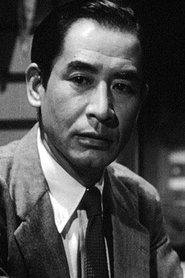 So YamamuraSeki Sekiguchi
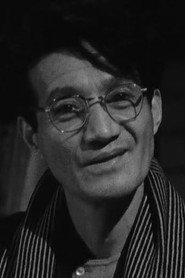 Kinzō ShinYasuo Numata
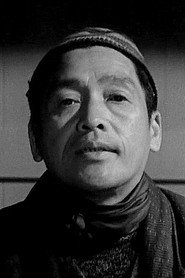 Kamatari FujiwaraNoodle Vendor
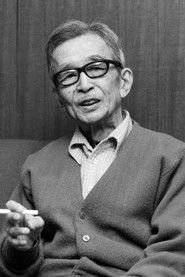 Nobuo NakamuraSakae Aiba
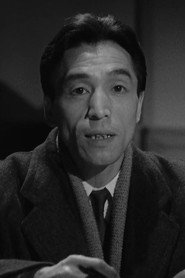 Seiji MiyaguchiPoliceman
Directing
- Masahiro ShinodaAssistant Director
- Yasujirō OzuDirector
Writing
- Kōgo NodaScreenplay
- Yasujirō OzuScreenplay
Production
- Shizuo YamanouchiProducer
Recommended by
Late Autumn, I Live in Fear, Love and Honor, The Sea Is Watching, An Inn in Tokyo, The Lower Depths