
Film
The Sea Is Watching
A 2002 Japanese period film about a young brothel worker who falls for a samurai she shelters from danger. Kurosawa's final film carries his humanist spirit—tender, observant, unafraid of quiet moments. It's elegiac and contemplative, less sword-clash than heartache, for viewers willing to sit with longing and the limits of circumstance.
Should you watch it?
Watch it if you like romances built out of stillness and glances, where the ache comes from what two people cannot say in a world that owns them.
Skip it if you need a brisk plot, since at 119 minutes this moves at a slow, sultry pace and the mood can feel airless when you want the story to push forward.
What it asks of you: Settle in for a long, unhurried two hours, with dark, closed-in interiors and quiet passages where the feeling builds more than the events.
Not sure? Find tonight's pick in a minute.
If you liked this
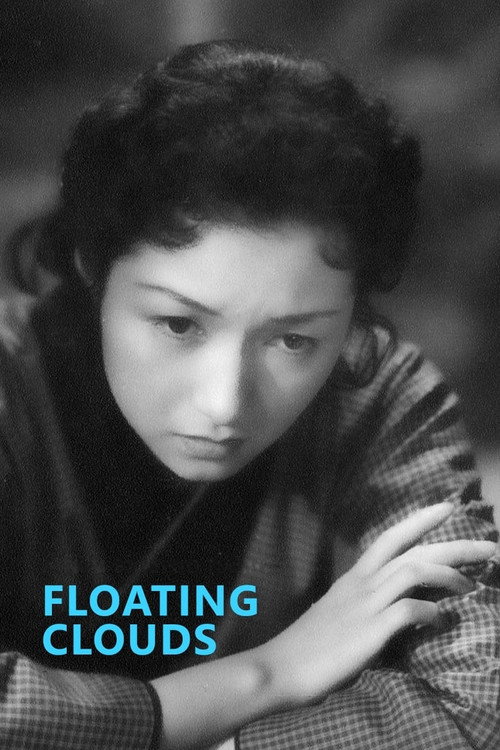
Floating Clouds1955
Kurosawa's study of post-war lovers unable to escape their circumstances. Features the same tragic nobility and visual poetry, with Masayuki Mori delivering devastating restraint.
But Black-and-white, slow-paced, and the romance is secondary to larger historical forces. The resolution stings.
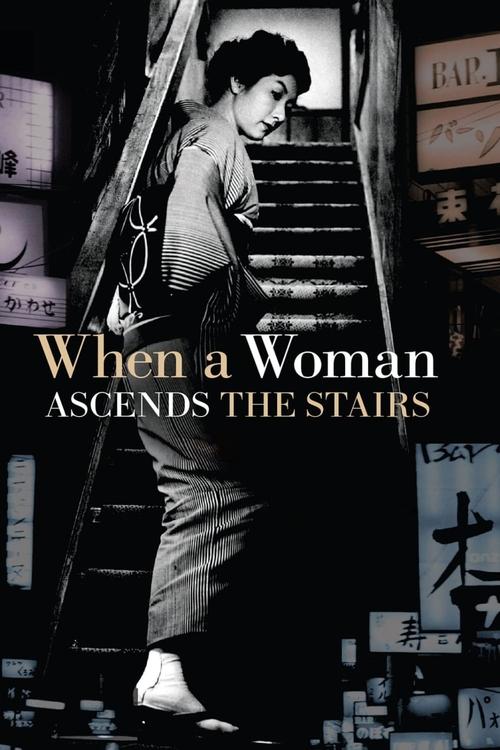
When a Woman Ascends the Stairs1960
Masaki Kobayashi's portrait of a geisha navigating Tokyo's nightlife with intelligence and compromise. Like The Sea Is Watching, it treats its heroine with unflinching dignity and quiet rage at her constrained choices.
But Even grimmer than you'd expect. Long takes of small conversations build dread rather than hope, and the ending doesn't offer escape.
Woman in the Dunes1964
A trapped protagonist learning to accept an impossible situation with surreal beauty. Hiroshi Teshigahara's film shares Kurosawa's belief that human connection matters most when circumstances deny it.
But Genuinely strange and allegorical. If you need plot momentum or catharsis, this withhold both. It's hypnotic, not propulsive.

Not sure tonight? Get a pick in a minute, starting from The Sea Is Watching
The wildcard
Something you would not have found on your own.
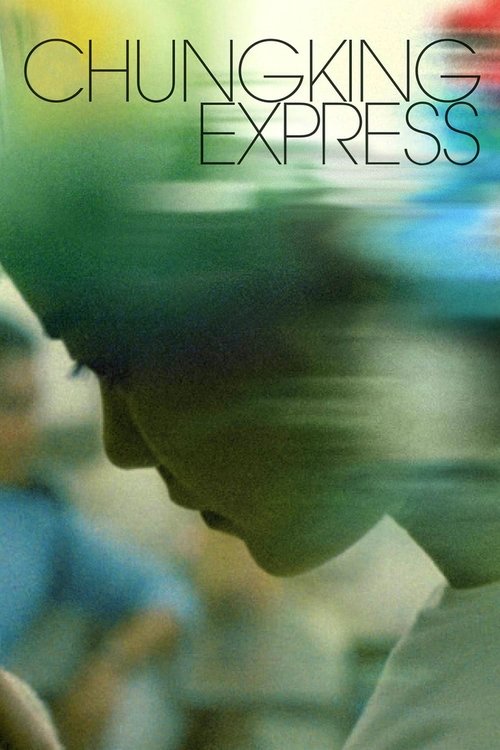
Chungking Express1994
Both films understand that love and circumstance are often tragic not because of villainy but because people exist in the wrong time and place. The beauty comes from what cannot be resolved.
Wong Kar-wai's neon-soaked romance about missed connections and people orbiting the same emotional space without meeting. It achieves what Sea Is Watching reaches for—the ache of proximity without possession—through pure visual intoxication and dream logic.
But Fractured narrative, deliberately artificial cinematography, and a tone that lurches from whimsy to melancholy. If you need linear storytelling or realistic behavior, the style will exhaust you.
More like this (8)
Harakiri1962
Masaki Kobayashi's tragedy about samurai honor and the systems that crush individual dignity. Its visual sophistication and moral clarity rival Kurosawa's late work, and the formal beauty makes the brutality cut deeper.
But Deeply dark. The title tells you how this ends. Stunning but exhausting, and it doesn't offer redemption for anyone involved.

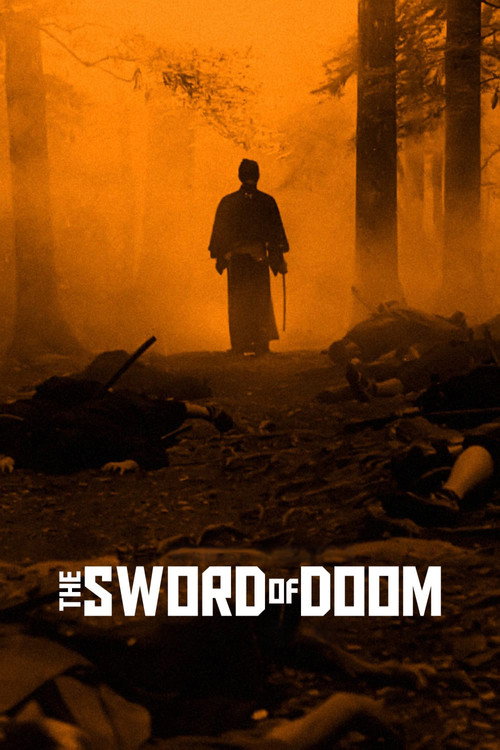
The Sword of Doom1966
Tatsuya Nakadai as a merciless samurai in Masaki Kobayashi's descent into nihilism. Sharp-edged and visually austere, it's the anti-romantic samurai film that makes the longing in Sea Is Watching feel all the more fragile.
But Bleakly violent and existential rather than poetic. If you want honor or redemption from the samurai tradition, look elsewhere. The protagonist is abhorrent.
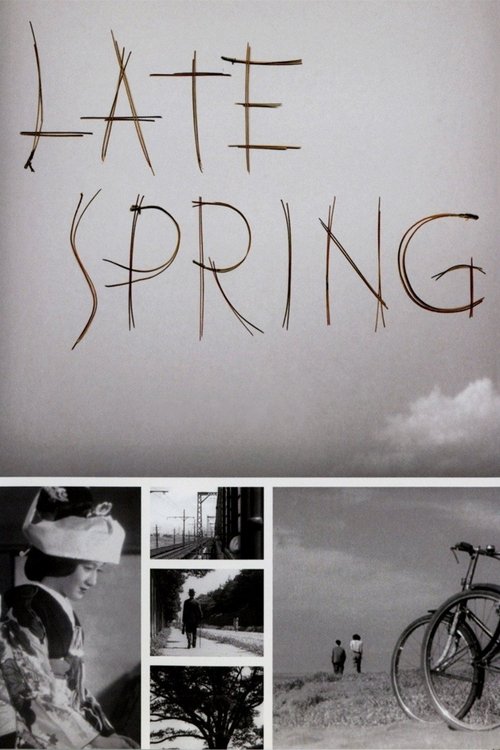
Late Spring1949
Ozu's masterpiece about a daughter reluctant to leave her widowed father. Like Kurosawa's film, it finds unbearable tenderness in the domestic spaces and the things left unsaid between people bound by duty and affection.
But Ozu's 'pillow shots' of empty rooms and slow dissolves can feel static if you're not attuned to his rhythm. The plot is deliberately slight. It's about feeling, not event.
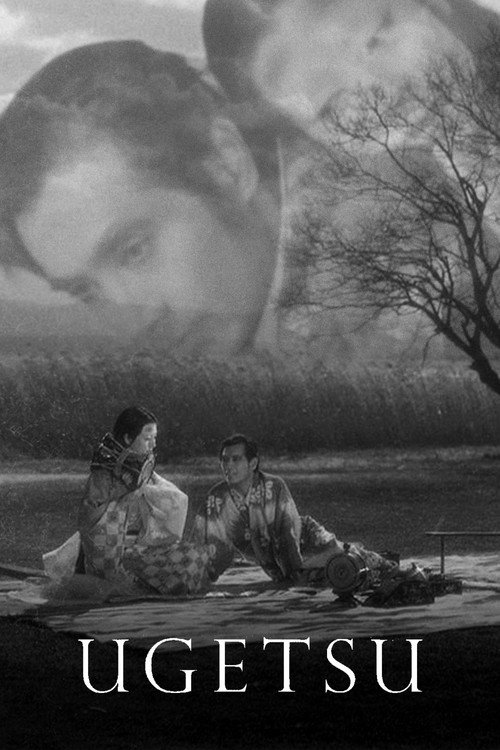
Ugetsu1953
Kenji Mizoguchi's ghost story interweaves romance, war, and betrayal with devastating tenderness. The visual compositions are ravishing, and it captures the same sense of longing thwarted by forces beyond personal control.
But Supernatural elements might feel incongruous if you approach it as realism. The tonal shifts between tragedy and myth can disorient. It requires patience with ambiguity.
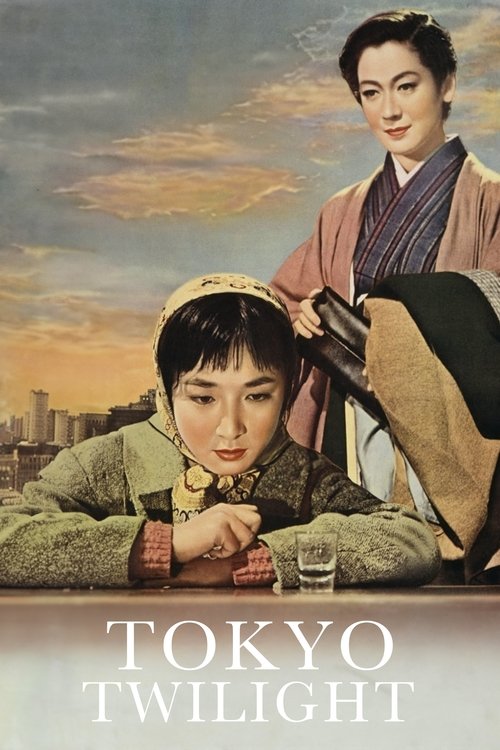
Tokyo Twilight1957
Ozu again, this time examining fractured family bonds and unspoken resentments. The setting is modern, but the emotional archaeology—what people cannot say to each other—mirrors the brothel's quiet desperation.
But Even quieter and more plot-light than Late Spring. Ozu's formalist style demands active attention. Some viewers find it remote or melancholic to the point of detachment.
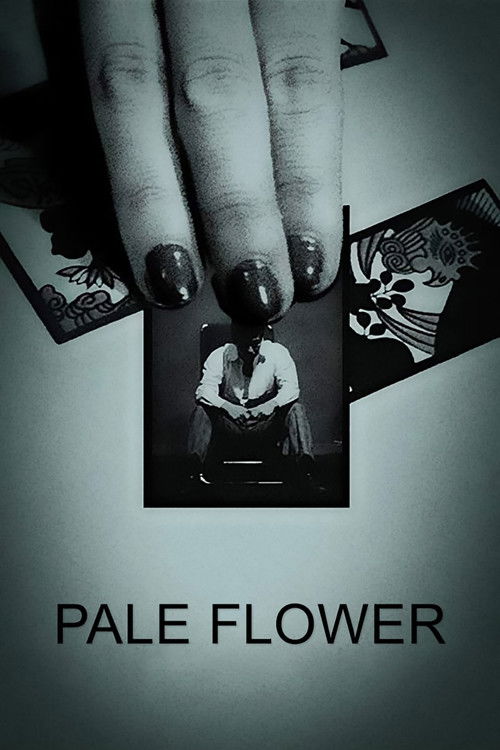
Pale Flower1964
Masashiro Shinoda's yakuza romance about a criminal and the woman who seeks him out. Gorgeously composed and fatalistic, it shares Kurosawa's interest in desire that runs counter to survival, set against corruption and codes of silence.
But Visually stylized in ways that can feel mannered. The yakuza milieu is vivid but distant. Ultimately, it's more about aesthetic longing than emotional catharsis.
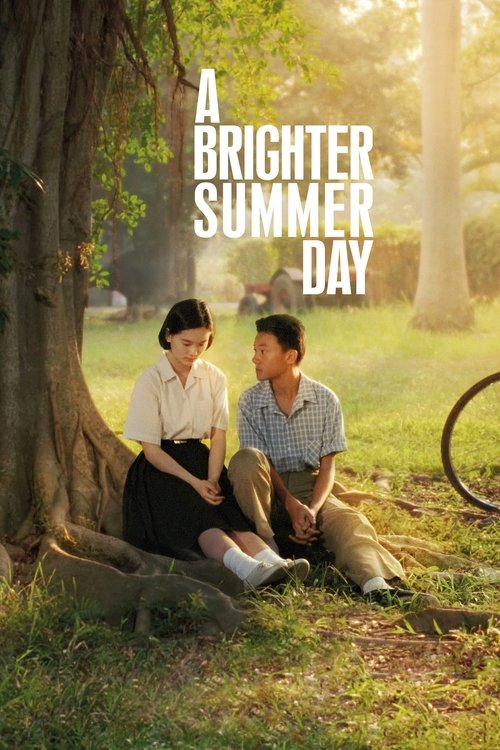
A Brighter Summer Day1991
Both use period settings and enclosed communities—brothel and neighborhood—to ask how much agency individuals have when larger forces dictate their options. Both suggest the answer is: almost none, and that makes human connection all the more precious.
Edward Yang's four-hour Taiwanese epic about adolescence, gangs, and first love unfolding against political upheaval. It has Kurosawa's humanist patience with ensemble casts and his belief that intimate stories matter most when history is collapsing around them.
But The runtime is serious. It's a Mandarin-language period piece about youth gang politics in 1960s Taipei, not immediately gripping. The tonal shifts between tenderness and sudden violence can feel jarring.
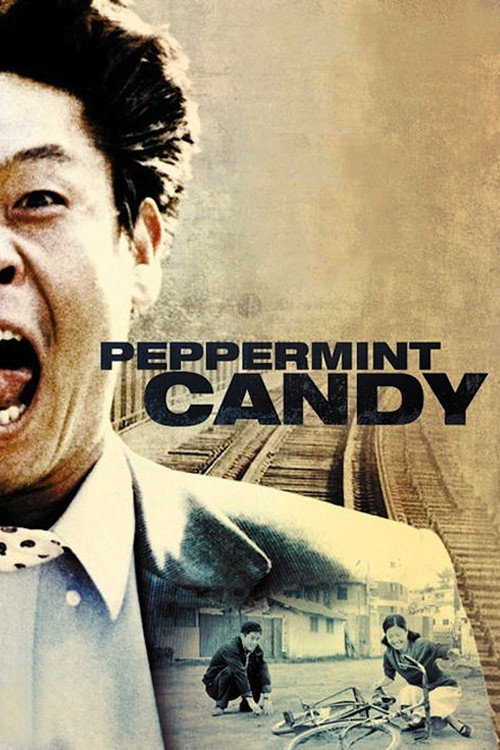
Peppermint Candy2000
Both films argue that personal tragedy is inseparable from historical tragedy. Characters are not agents of their own fate but figures trapped by systems larger than themselves. The tenderness comes from watching them try anyway.
Lee Chang-dong's Korean film told in reverse chronology, beginning with a suicide and moving backward through the life that led to it. It shares Kurosawa's interest in how individual stories are shaped by historical trauma, and it's devastating in the same quiet way.
But Heavy drinking of narrative momentum—you're watching toward a death you already know. It's austere, sometimes brutal, and offers no redemptive arc. Modern audiences often find the reverse structure difficult to engage with emotionally.
People
Cast
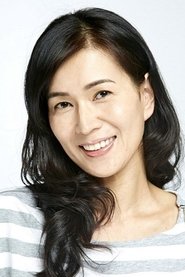 Misa ShimizuKikuno
 Nagiko TonoO-Shin
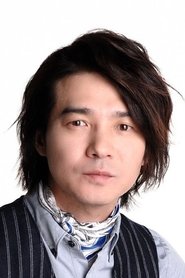 Hidetaka YoshiokaFusanosuke
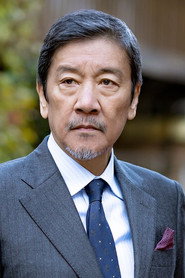 Eiji OkudaGinji
 Miho TsumikiOkichi
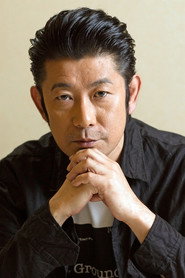 Masatoshi NagaseRyosuke
 Michiko KawaiOsono
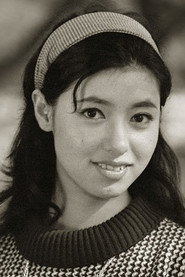 Yumiko NogawaOmine
- Tenshi KamogawaUmekichi
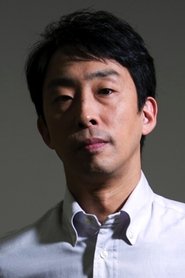 Yukiya KitamuraGonta
 Kumiko TsuchiyaProstitute
Directing
- Kei KumaiDirector
Writing
- Shūgorō YamamotoNovel
- Akira KurosawaScreenplay
- Kei KumaiScreenplay
Production
- Masaya NakamuraExecutive Producer
- Hajime SatomiProducer
- Haruyuki MachidaProducer
- Hirotake YodaProducer
- Hisao KurosawaProducer
- Kôichi MiyagawaProducer
- Kôshirô AndôProducer
- Masaya NakamuraProducer
- Naoto SarukawaProducer
- Shigehiro ToriyamaProducer
- Sunobu HorigomeProducer
- Yuji OdaProducer