
Film
Peppermint Candy
Lee Chang-dong's masterpiece traces one man's devastation across fifty years of Korean history, moving backwards from a suicide attempt in 1999 through war, poverty, love and betrayal. It's a structurally audacious film that makes form inseparable from meaning—each memory peels back a layer of how a nation's trauma becomes personal tragedy. Devastating and necessary.
Should you watch it?
Watch it if you are drawn to films where the structure itself carries the emotion, and you don't mind staying with one unhappy man long enough to understand how he got there.
Skip it if you need your drama to move forward in a straight line, since this one is fractured and bleak, and its history of violence will weigh on you heavily.
What it asks of you: It runs about two hours and eleven minutes, unhurried and mournful, asking you to stay with its quiet despair rather than be entertained by it.
Not sure? Find tonight's pick in a minute.
If you liked this
Requiem for a Dream2000
Aronofsky's descent into addiction parallels Peppermint Candy's excavation of despair, using escalating formal techniques to show how circumstances crush the human spirit. Both demand complete attention.
But The bleakness is relentless and the final act is almost unwatchably bleak. Not a film that leaves you feeling restored.

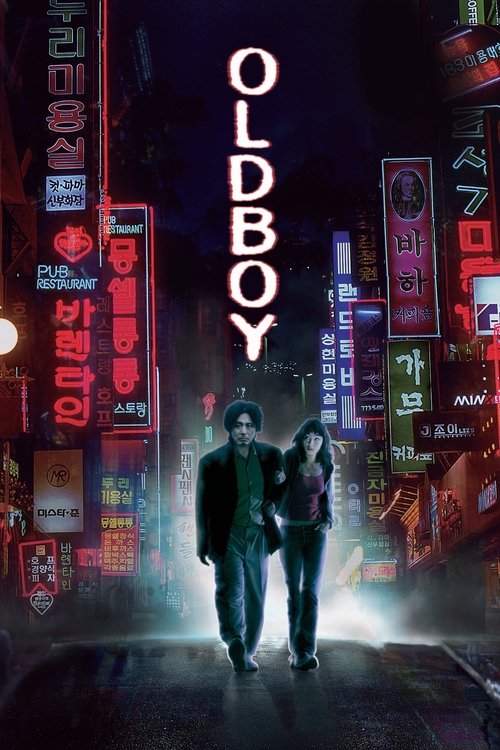
Oldboy2003
Park Chan-wook's revenge thriller, also Korean, shares that culture's unflinching approach to violence and shame. It too builds backwards through revelation, though in very different directions.
But The tonal whiplash between brutality and dark comedy may feel jarring. It's a much more genre-driven experience.
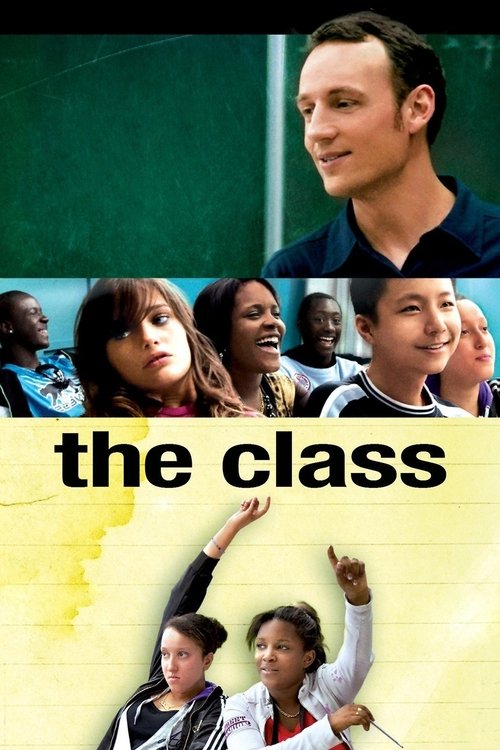
The Class2008
Laurent Cantet's film about a year in a Paris classroom has the same quiet accumulation of small moments that reshape how we understand larger forces. It's about systems grinding people, observed with precision.
But Very little happens in plot terms. If you need narrative momentum, you'll feel this as slow.
Not sure tonight? Get a pick in a minute, starting from Peppermint Candy
The wildcard
Something you would not have found on your own.
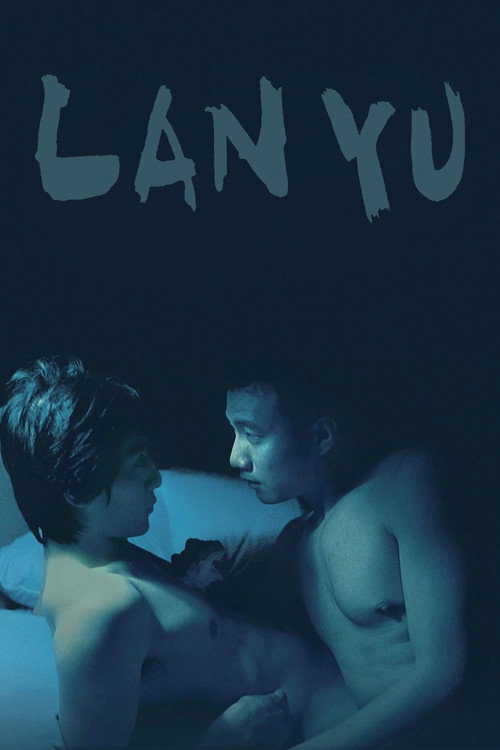
Lan Yu2001
Both film history through intimate relationships. Both use non-linear form to show how public violence becomes private loss.
This Chinese film about a covert homosexual relationship across decades uses structure the way Peppermint Candy does—fragments that accumulate toward understanding. It's formally adventurous and achingly sad, about how political systems destroy intimacy.
But It's sexually explicit in ways that may surprise viewers expecting restraint. The ending is deliberately inconclusive in a way some find unsatisfying rather than moving.
More like this (6)
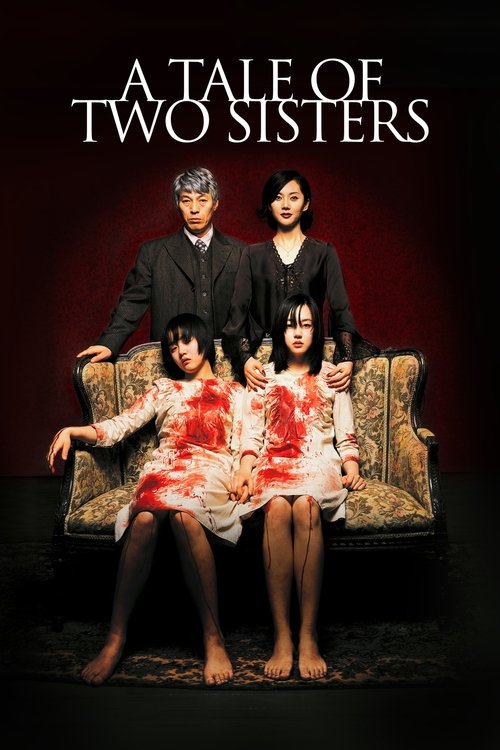
A Tale of Two Sisters2003
Kim Jee-woon's film shares the Korean sense of how family trauma gets buried and surfaces through fractured memory. It's formally inventive and haunting in ways that reward close attention.
But It's a horror film, and some viewers find the genre framing diminishes rather than deepens its psychological insights.
Synecdoche, New York2008
Kaufman's film, like Peppermint Candy, refuses linear storytelling to explore how we construct meaning from wreckage. Both are about the impossibility of escape and the stories we tell ourselves.
But It's nearly three hours of deliberate obfuscation. Some will find it pretentious rather than profound.

Ikiru1952
Kurosawa's film about a dying man finding meaning is the ancestor of films like Peppermint Candy—it moves backward through a life to understand what made someone who they are.
But The pacing is slow even by art film standards, and the emotional beats may feel sentimental to modern viewers.

Mulholland Drive2001
Lynch's fractured narrative about ambition and identity in Los Angeles shares Peppermint Candy's interest in how memory lies and reshapes itself. Both are puzzles that reveal emotional truth through formal games.
But It's deliberately difficult and resists definitive interpretation. You may finish it frustrated rather than satisfied.

Come and See1985
Elem Klimov's Belarus film about a boy in WWII is perhaps cinema's most unflinching depiction of how war destroys childhood and innocence. If you need to understand historical trauma in film form, this is it.
But It's almost unwatchable in its brutality. Not a film for escapism—it's an endurance test in the best and worst sense.

The Seventh Seal1957
Bergman's knight playing chess with Death is cinema's greatest meditation on mortality, meaning and whether life survives our understanding of its emptiness. A foundational influence on films like Peppermint Candy.
But The dialogue can feel theatrical and the symbolism heavy-handed to viewers expecting naturalism.

People
Cast
 Sul Kyung-guKim Yeong-ho
 Moon So-riYun Sun-im
 Kim Yeo-jinHong-ja
 Suh JungMiss Lee
 Go Seo-heeKyeong-ah
 Kim In-kwonSergeant Lee
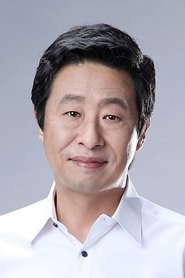 Lee Dae-yeonDetective Kang
 Gong Hyung-jinDetective Song
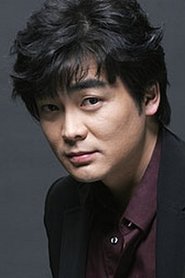 Kim Kyung-ikPark Myung-sik
- Park Se-bumShin Kwang-man
 Jeong Woo-hyukCorporal Park
 Yoo Yeon-sooDetective Lee
Directing
- Byun Seung-wookAssistant Director
- Kim Hyun-jinAssistant Director
- Lee Chang-dongDirector
Writing
- Lee Chang-dongWriter
Production
- Keiko IinoAssociate Producer
- Makoto UedaCo-Executive Producer
- Dong Bang-wooExecutive Producer
- Kim Sung-jinLine Producer
- Jeon Jae-youngProducer
- Jeon Yang-junProducer
Recommended by
The Villainess, Answer Me 1988, Korczak, The Legend, Floating Life, The Holy Girl, The Sea Is Watching, Companion